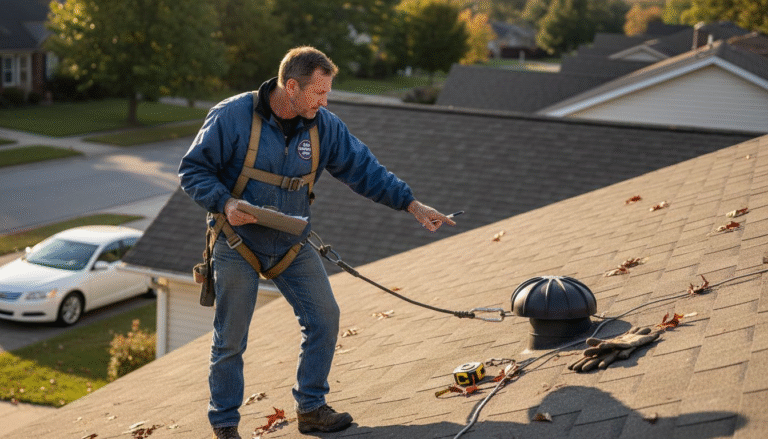
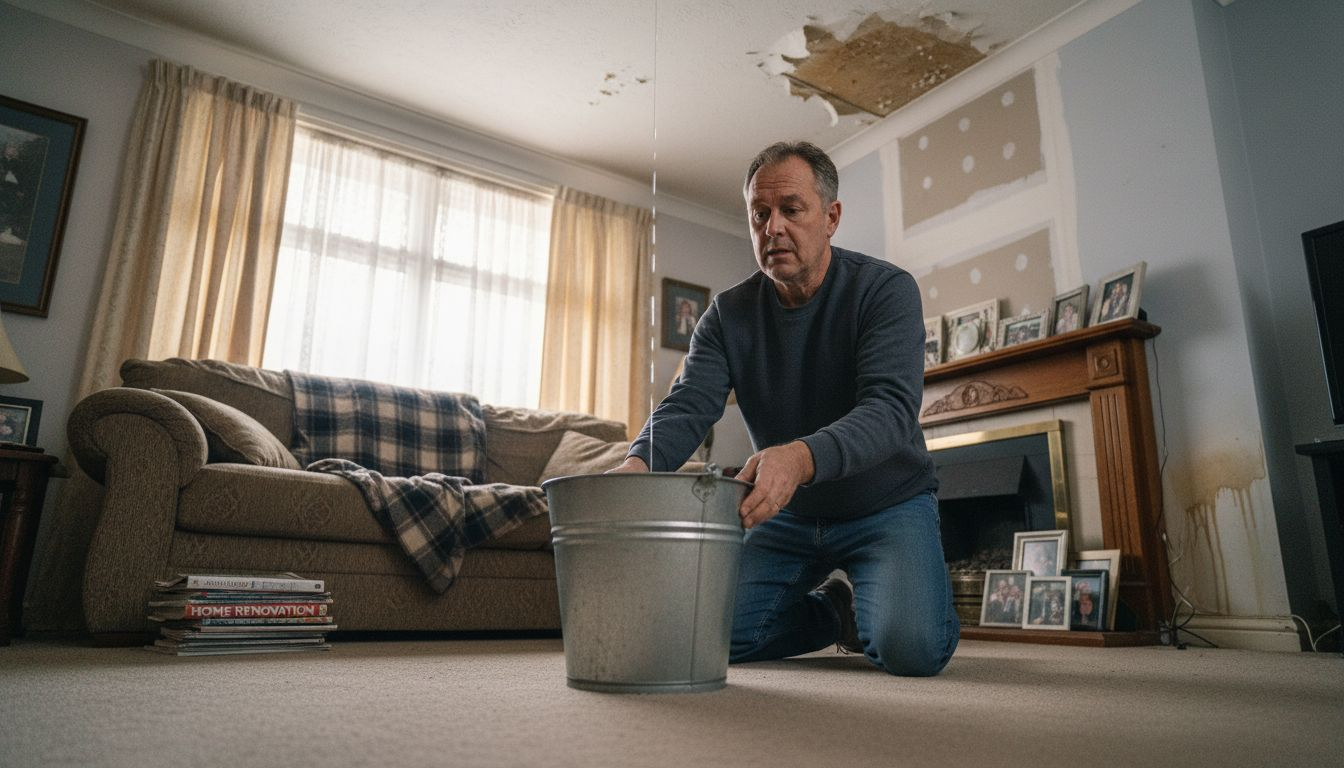

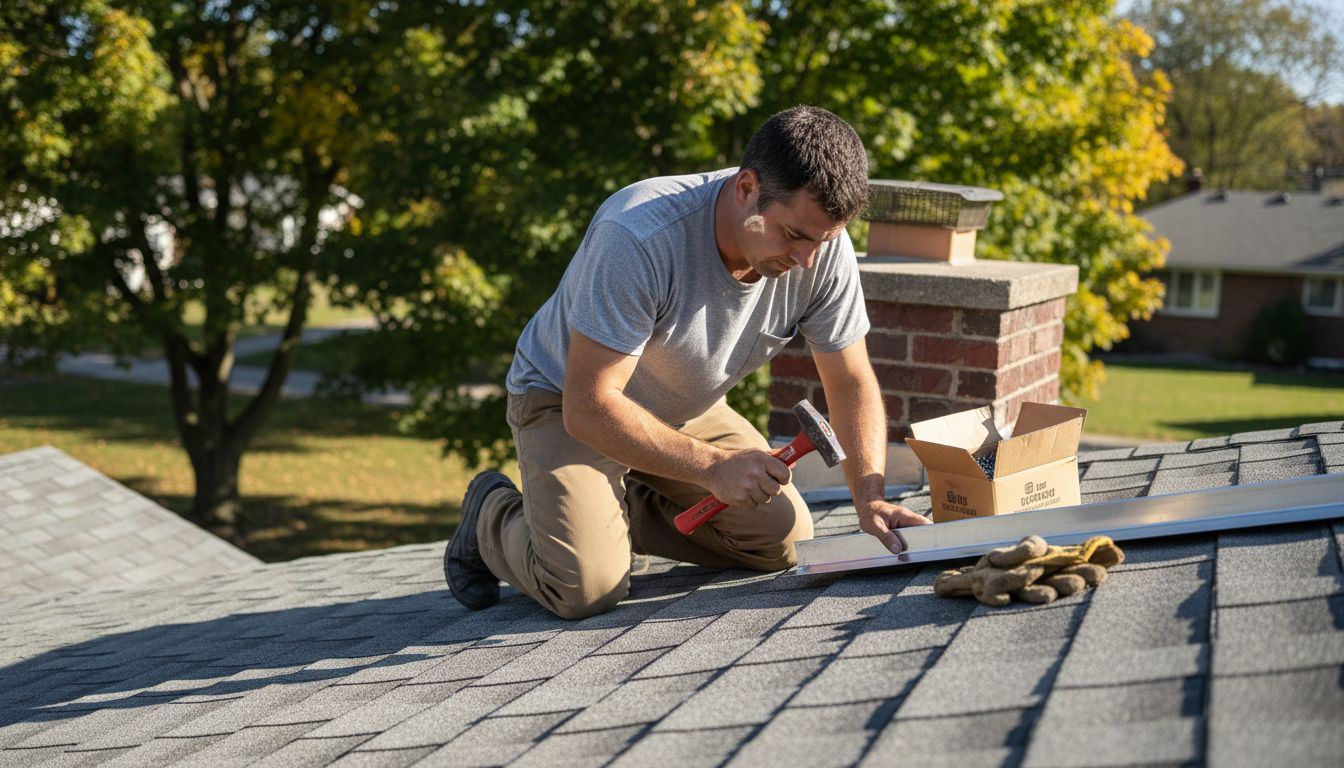


Over half of American homeowners incorrectly assume a typical home inspection covers every aspect of roof safety and quality. Yet roofing issues remain one of the most common and costly problems faced by American families. Understanding the unique role of certified roofers helps prevent expensive surprises and common misconceptions. This guide reveals what professional roof certification really means, why it matters for your peace of mind, and how to separate fact from fiction when hiring your next roofer.
Table of Contents
- Certified Roofers Defined and Common Myths
- Key Certifications and What They Mean
- How Certification Ensures Quality and Safety
- Insurance, Warranties, and Legal Requirements
- Risks of Hiring Non-Certified Roofers
Key Takeaways
| Point | Details |
|---|---|
| Importance of Roof Certification | A roof certification provides detailed insights into a roof’s condition, helping homeowners make informed decisions about maintenance and potential repairs. |
| Myth of Home Inspections | Home inspections do not cover in-depth roof evaluations; certified inspections are essential for identifying hidden issues. |
| Value of Certified Roofers | Certified roofers undergo rigorous training, ensuring high standards of workmanship and adherence to safety protocols. |
| Risks of Non-Certified Roofers | Hiring non-certified roofers can lead to structural issues, financial vulnerability, and voided warranties, increasing long-term expenses. |
Certified Roofers Defined and Common Myths
A roof certification is a professional document that provides critical insights into your home’s most important protective structure. Roof certifications are specialized inspections that go beyond standard home assessments, offering homeowners detailed documentation about their roof’s condition, potential lifespan, and maintenance requirements.
Typically, a roof certification includes comprehensive details such as the roof’s type, age, overall structural integrity, and an estimated timeline for potential future repairs or replacement. These certifications are written statements from licensed roofing contractors that provide homeowners with a professional evaluation of their roof’s current state and projected performance.
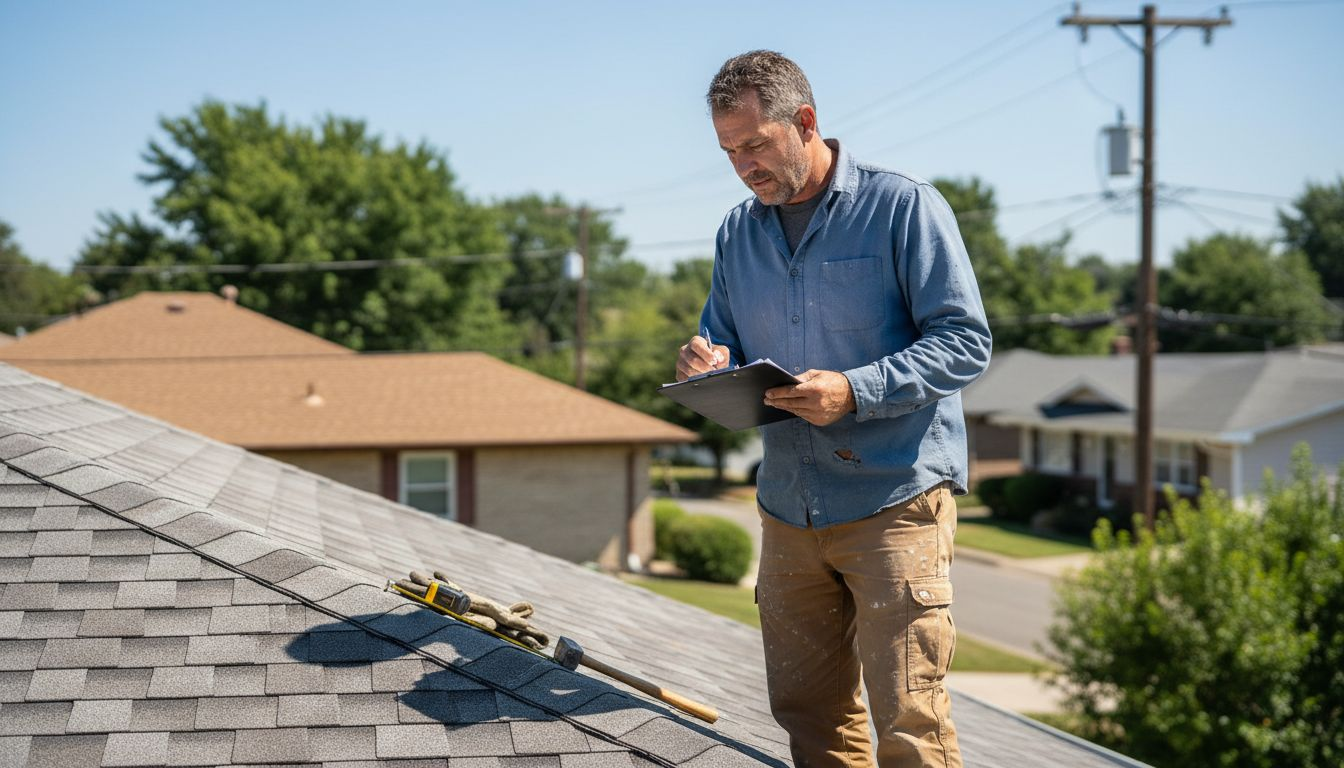
Common myths about roof certifications often mislead homeowners. Many believe that a home inspection automatically covers a thorough roof assessment, which is incorrect. Home inspectors typically conduct surface-level examinations, whereas certified roofers perform in-depth evaluations that identify potential issues not visible to untrained eyes. Another prevalent myth is that roof certifications are unnecessary expenses – in reality, these documents can save thousands in potential repair costs by identifying problems early.
Pro Tip: Schedule a professional roof certification every 2-3 years, even if no visible damage exists, to catch potential issues before they become expensive repairs.
Key Certifications and What They Mean
Professional roofing certifications represent crucial benchmarks of expertise and quality in the construction industry. The National Roofing Contractors Association (NRCA) ProCertification® is a premier national program that validates a roofer’s knowledge, skills, and professional competence across various roofing disciplines. These certifications go beyond basic training, ensuring that professionals demonstrate advanced understanding and practical capabilities in roof installation, maintenance, and repair.
Different certification levels exist within the roofing industry, each targeting specific professional competencies. The Certified Roof Inspector (CRI) designation represents a specialized credential focused on inspecting timber roof structures, ensuring they meet precise engineering and safety standards. These certifications typically require rigorous testing, ongoing education, and proven field experience, which distinguishes qualified professionals from general contractors.
Homeowners should understand that not all roofing certifications are created equal. Some focus on installation techniques, while others emphasize inspection and structural assessment. Key certification areas include worker safety, material-specific expertise, manufacturer-specific training, and specialized repair techniques. By choosing a certified roofer, homeowners gain access to professionals who have invested significant time and resources into mastering their craft and staying current with industry best practices.
Pro Tip: Always request to see a roofer’s current certifications and verify their credentials with the issuing professional organization before starting any roofing project.
Below is a summary of major roof certification types and their focus areas:
| Certification Type | Main Purpose | Typical Requirements |
|---|---|---|
| Installation Certification | Ensures proper installation | Hands-on tests, field experience |
| Inspector (e.g. CRI) | Structural assessments | Exam plus engineering knowledge |
| Manufacturer Certificate | Approved vendor status | Manufacturer-specific training |
| Safety/Compliance Training | Worker and site safety | Regular updates, safety exams |
How Certification Ensures Quality and Safety
Certification serves as a critical safeguard for homeowners seeking reliable roofing services. Roofing certification ensures that professionals are trained to install materials correctly and follow strict industry best practices, which directly translates to enhanced safety and performance for your home’s most important protective barrier. Certified roofers undergo rigorous training that goes beyond basic technical skills, encompassing comprehensive knowledge of material science, structural integrity, and advanced installation techniques.
The safety implications of hiring a certified roofer extend far beyond simple technical competence. Certified professionals are well-versed in current safety protocols, understand complex building codes, and possess specialized knowledge about risk mitigation during roof installation and repair. They are equipped with up-to-date training on fall protection, proper equipment usage, and emergency response procedures, which significantly reduces the likelihood of workplace accidents and potential property damage.
Quality assurance is another critical benefit of working with certified roofers. These professionals not only understand the technical aspects of roofing but also maintain high standards of workmanship. They are typically required to stay current with ongoing education, learn about emerging technologies, and demonstrate proficiency through regular skill assessments. This continuous learning ensures that certified roofers can handle complex roofing challenges, recommend the most appropriate materials for specific environmental conditions, and provide solutions that maximize your roof’s longevity and performance.
Pro Tip: Request documentation of a roofer’s current certifications and verify them with the issuing professional organization to ensure you’re hiring a truly qualified professional.
Insurance, Warranties, and Legal Requirements
Certified roofers play a critical role in navigating the complex landscape of legal compliance and insurance requirements. Municipalities and regulatory bodies often require specific documentation confirming that roof structures are designed, built, and inspected by competent professionals, ensuring that installations meet rigorous national standards and building codes. These legal requirements protect homeowners by establishing a clear paper trail of professional accountability and technical competence.
Warranty protection represents another significant advantage of working with certified roofing professionals. Certified contractors typically offer more comprehensive warranties that cover both materials and workmanship, providing homeowners with extended protection beyond standard industry minimums. These warranties often include provisions for repair or replacement in case of installation errors, material defects, or premature roof failure, which can save homeowners thousands of dollars in potential repair costs.
Insurance considerations are equally important when selecting a roofing contractor. Certified roofers carry professional liability insurance and worker’s compensation coverage, which protects homeowners from potential legal and financial risks associated with workplace accidents or property damage. This insurance coverage demonstrates a contractor’s commitment to professional standards and provides homeowners with peace of mind knowing that they are protected against unforeseen circumstances during roofing projects.
Pro Tip: Always request and verify a roofing contractor’s insurance documentation, warranty details, and legal certifications before signing any service agreement to ensure comprehensive protection for your home improvement investment.
Risks of Hiring Non-Certified Roofers
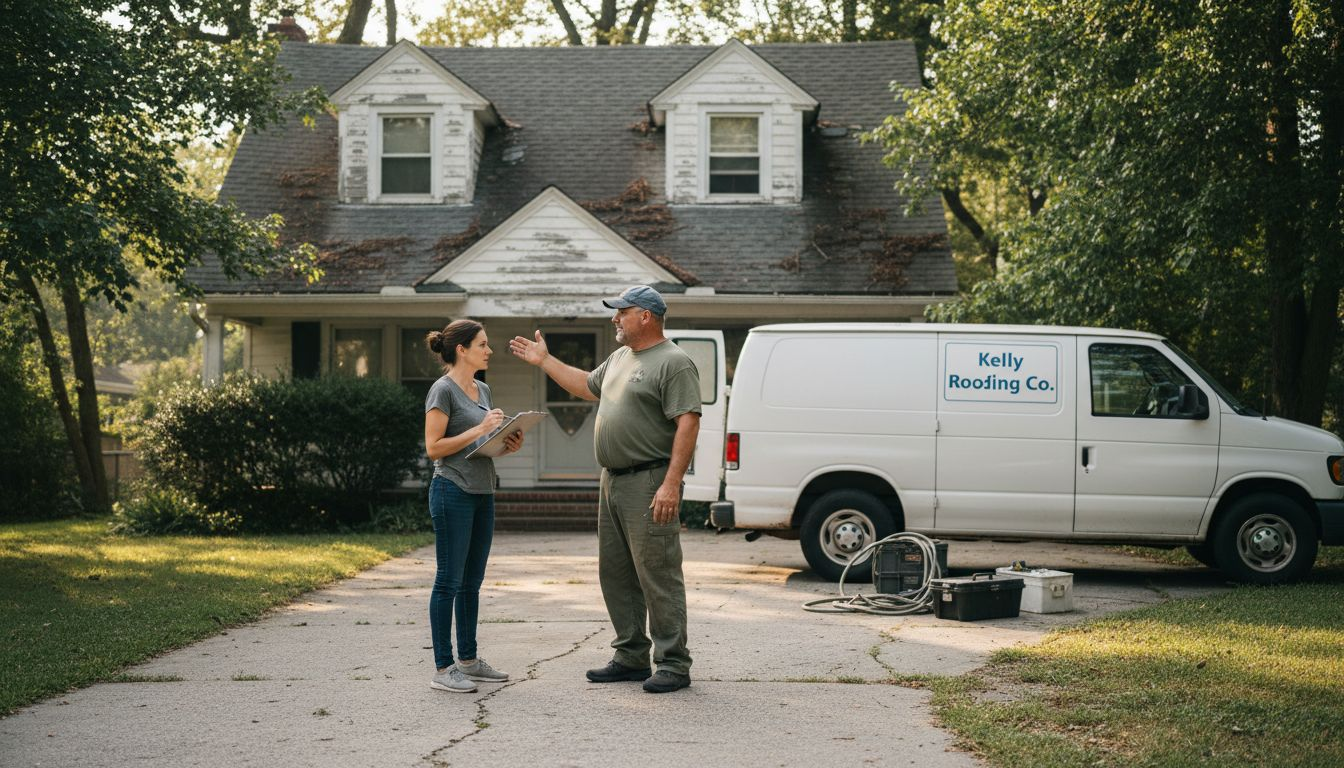
Hiring non-certified roofers exposes homeowners to significant risks that can compromise their property’s structural integrity and long-term value. Uncertified contractors often lack the technical expertise, safety training, and comprehensive understanding of roofing systems necessary to perform high-quality installations. This knowledge gap can result in improper material selection, incorrect installation techniques, and potential structural weaknesses that may not be immediately apparent.
Non-certified roofers typically cannot offer the same level of professional accountability and warranty protection as certified professionals. Without proper certification, these contractors may lack comprehensive insurance coverage, leaving homeowners financially vulnerable in case of workplace accidents or installation errors. Moreover, many manufacturer warranties become void when work is performed by uncertified professionals, potentially exposing homeowners to significant out-of-pocket expenses for future repairs or replacements.
The financial risks extend beyond immediate repair costs. Substandard roofing work can lead to progressive damage, including water infiltration, structural deterioration, and compromised home insulation. These issues can create cascading problems that dramatically reduce a home’s value and create expensive long-term maintenance challenges. Uncertified roofers often cut corners on material quality, use outdated techniques, and fail to implement critical safety and performance standards that certified professionals are trained to maintain.
Pro Tip: Always request and verify a roofer’s professional certifications, insurance documentation, and manufacturer training credentials before allowing any work to begin on your roof.
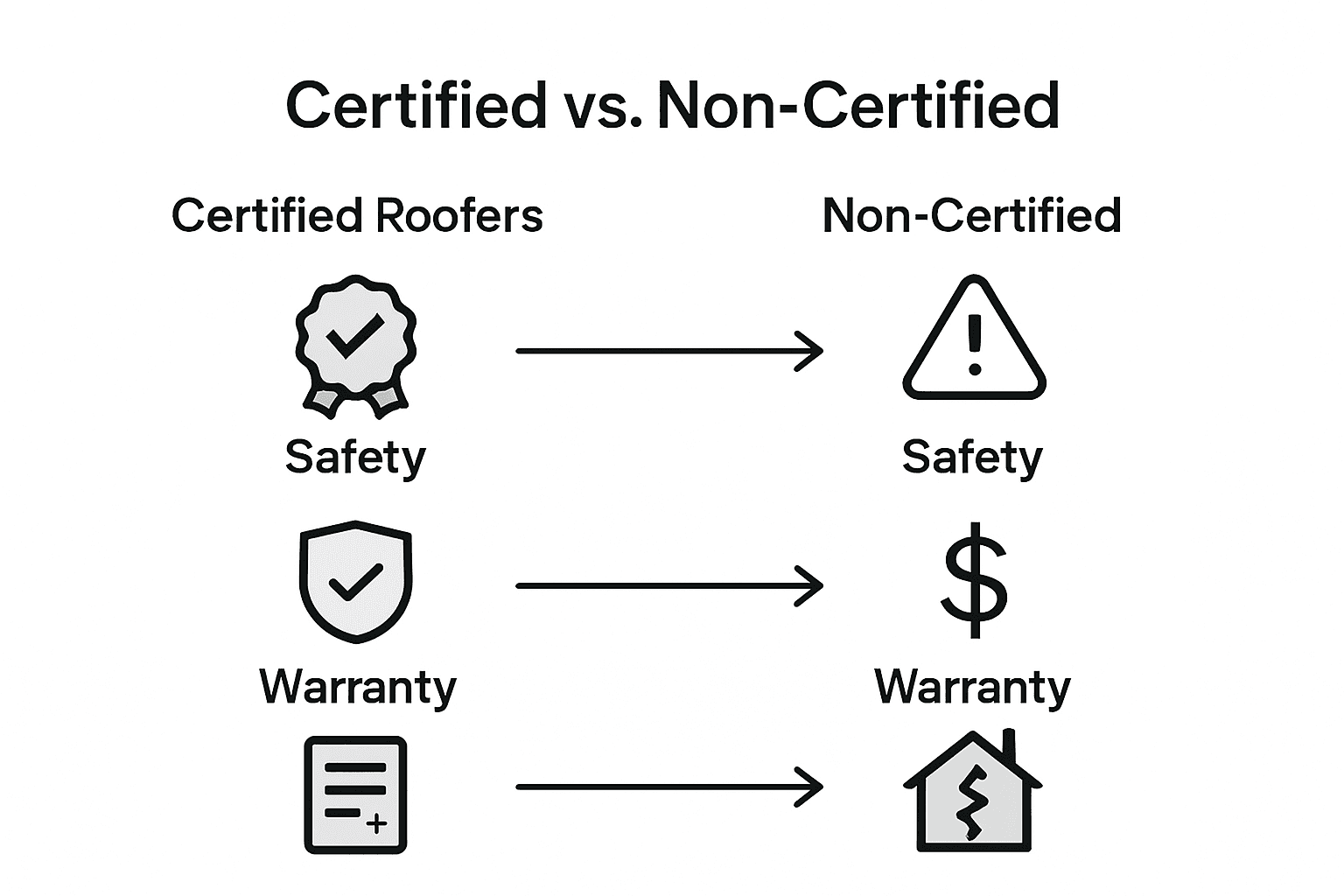
Here’s a comparison of certified vs. non-certified roofers for homeowners:
| Factor | Certified Roofers | Non-Certified Roofers |
|---|---|---|
| Training & Skills | Rigorous, ongoing industry training | Often limited or informal |
| Safety Standards | Advanced safety protocols followed | Higher risk of safety violations |
| Warranty Coverage | Comprehensive, long-term protection | Limited or no meaningful warranty |
| Insurance | Full liability and worker insurance | Often underinsured or none |
| Project Accountability | Documentation and written guarantees | Less clarity, no guarantees |
| Risk Exposure | Reduced risk of costly repairs | Increased risk of future issues |
Secure Your Home Investment with Certified Roofing Experts
Understanding why hiring certified roofers matters is the first step to protecting your most valuable asset. The article highlights the risks homeowners face when working with uncertified contractors including safety hazards, voided warranties, and costly repairs. If you want peace of mind knowing your roof is evaluated and installed by professionals who follow rigorous industry standards and offer warranties backed by certification, now is the time to take action.
Whether you need a detailed inspection or a full roofing installation, our team at J. A. Kelly Contracting Services brings certified expertise right here in Moncton, New Brunswick. Explore our specialized services in the Roofing Archives – J. A. Kelly Contracting Services and see how our commitment to quality craftsmanship can safeguard your home for years to come.
Don’t compromise your home’s safety or value. Visit J. A. Kelly Contracting Services today to request a free estimate or book a professional roof certification inspection. Learn more about our trusted approach through the Home Renovation Archives – J. A. Kelly Contracting Services and start protecting your home investment with certified professionals now.
Frequently Asked Questions
What is a roof certification?
A roof certification is a professional document that details the condition of a roof, its type, age, and expected lifespan. It is typically provided following a thorough inspection by a licensed roofing contractor.
Why is it important to hire certified roofers?
Certified roofers have undergone rigorous training and possess knowledge of industry best practices, which enhances the safety and quality of their work. They are also familiar with building codes and regulations, ensuring compliance and protection for homeowners.
How can roof certifications save homeowners money?
Roof certifications can identify potential issues early, often saving homeowners from costly repairs and replacements down the line. By having a professional evaluation, homeowners can address minor problems before they escalate.
What are the risks of hiring non-certified roofers?
Hiring non-certified roofers can expose homeowners to significant risks, including improper installations, lack of warranty protection, and potential liability issues due to insufficient insurance coverage. This can result in long-term damage and higher repair costs.
Recommended
- Role of Roofing Certifications – Why Homeowners Benefit – J. A. Kelly Contracting Services
- Why Hire Certified Contractors for Home Projects – J. A. Kelly Contracting Services
- Why Use Certified Contractors for Home Projects – J. A. Kelly Contracting Services
- Roofing Safety Standards Explained: Protecting Homes and Workers – J. A. Kelly Contracting Services
- Selecting Secure Wooden Doors for Maximum Protection
- Why Choose Insured Movers: Complete Guide for 2025