



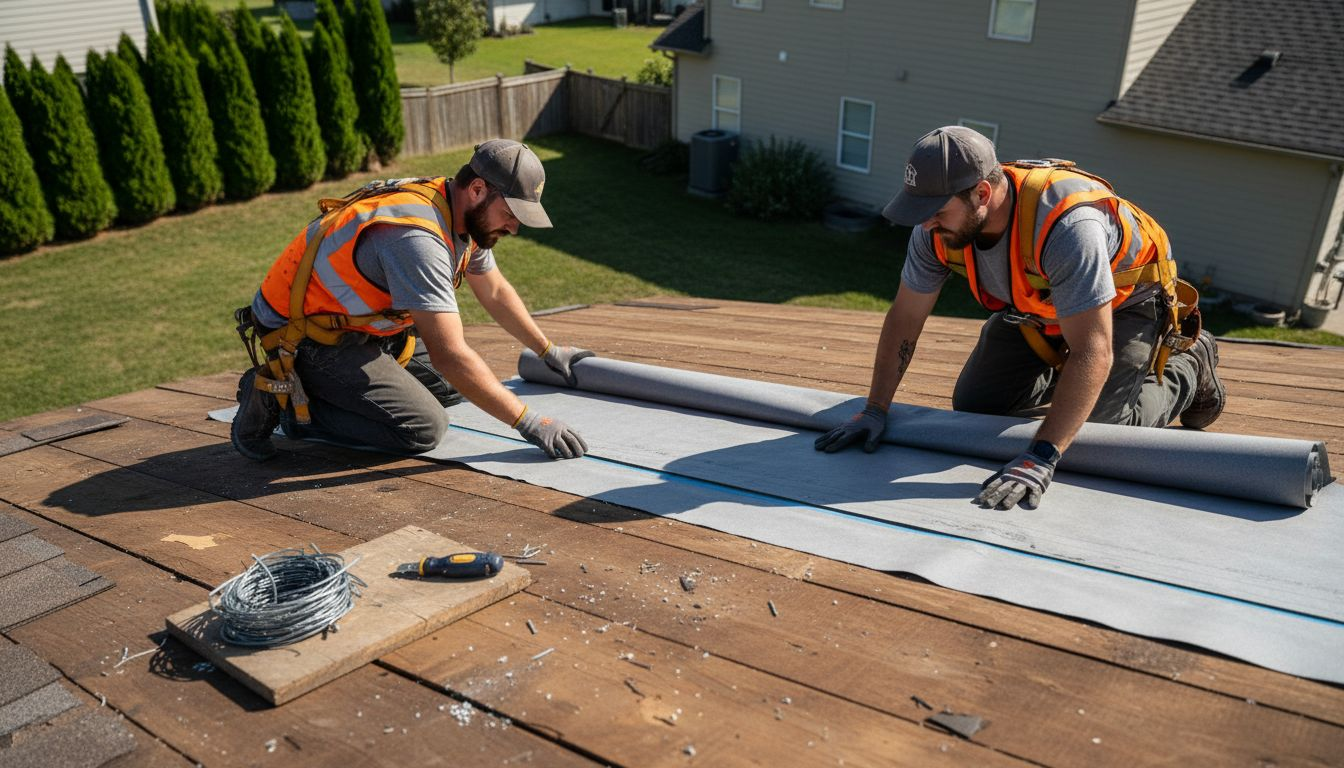
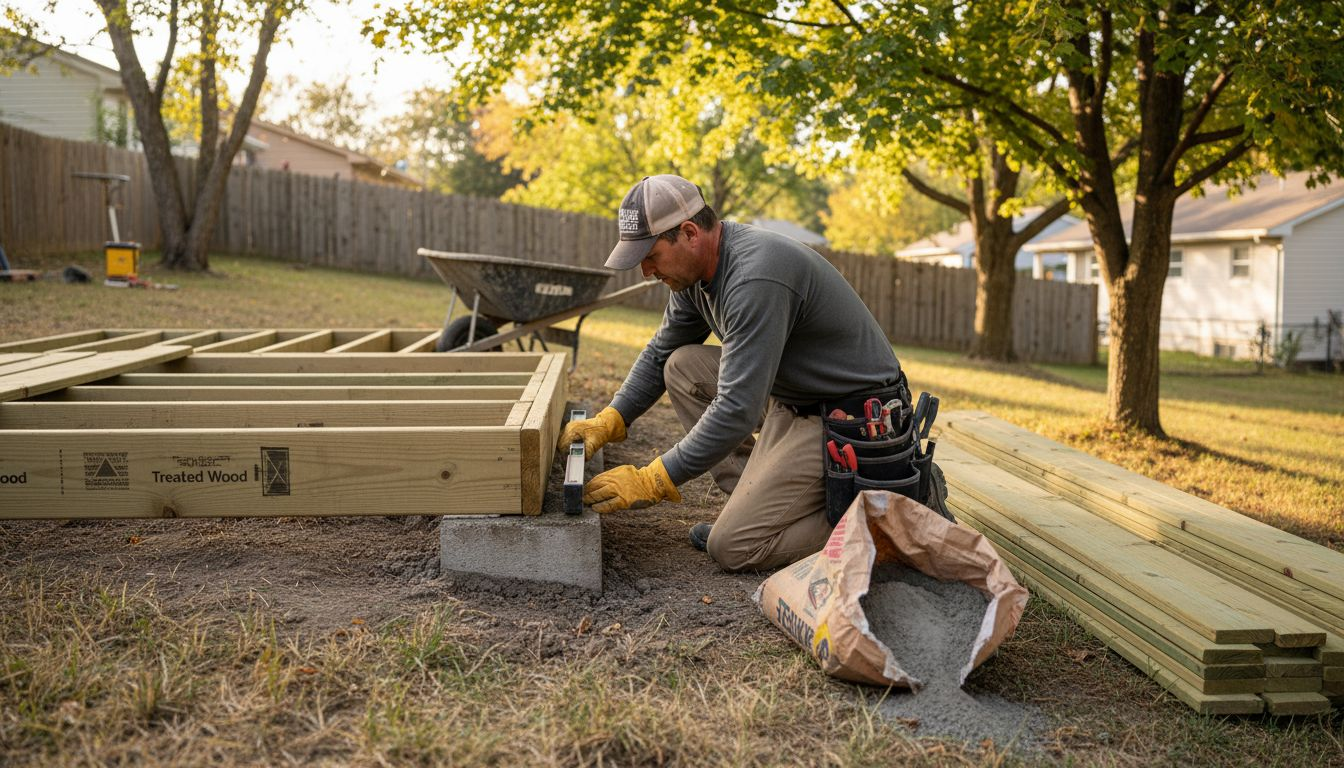

Most American homeowners are surprised to learn that nearly 30 percent of contracting work is completed by professionals without proper certification. With so many myths about credentials and licensing in the construction industry, understanding what sets a certified contractor apart becomes crucial. This article uncovers the real standards behind professional certification, debunks popular misconceptions, and highlights how making informed choices can save money and protect your biggest investment.
Table of Contents
- Certified Contractors Defined And Common Myths
- Key Credentials And Certification Types Explained
- How Certified Contractors Ensure Quality And Safety
- Legal And Insurance Protections For Homeowners
- Risks Of Hiring Uncertified Contractors
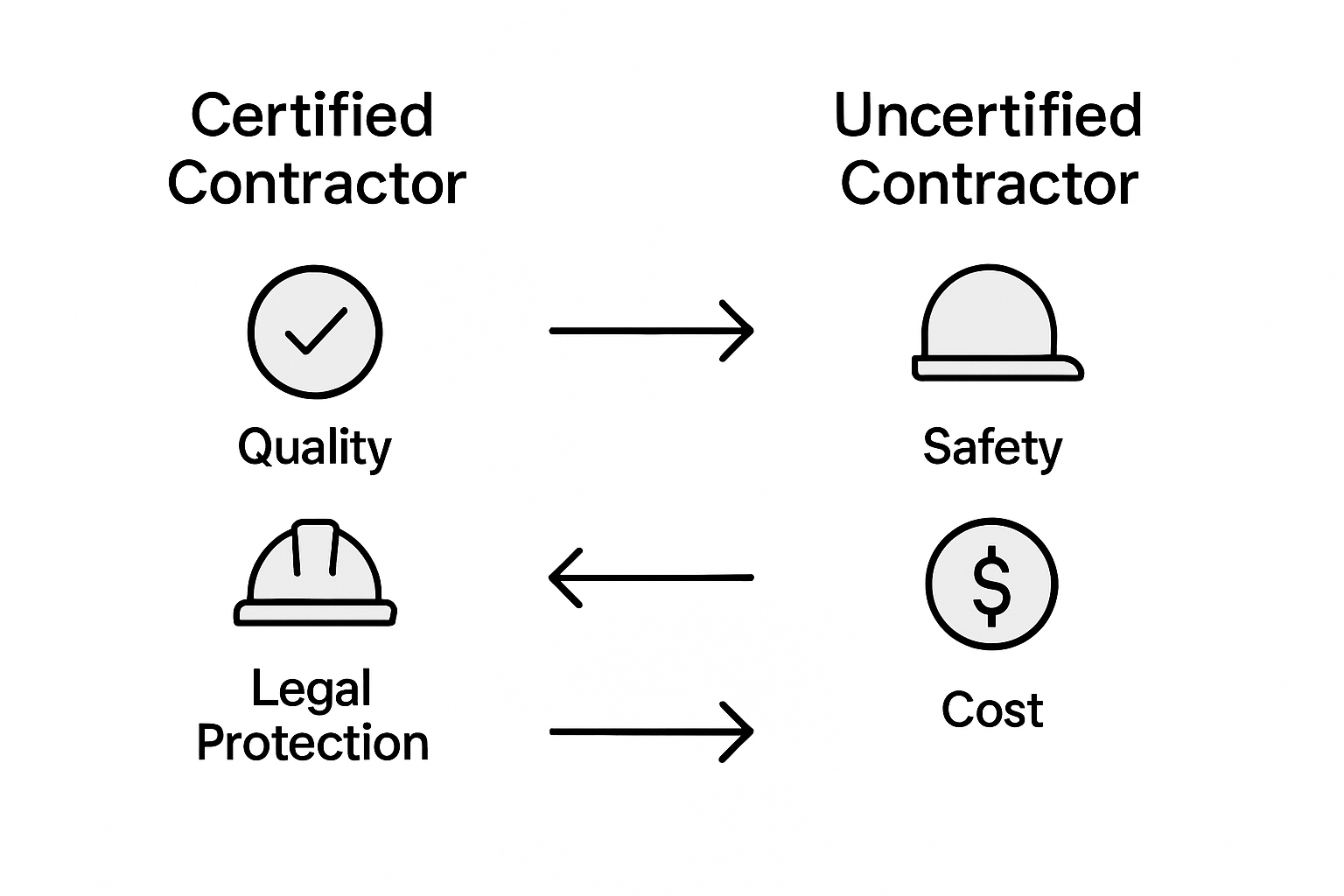
- Cost Versus Value: Certified Vs. Uncertified
Key Takeaways
| Point | Details |
|---|---|
| Certified Contractors Ensure Quality | Certified contractors undergo rigorous training and maintain high standards, providing homeowners with protection and expertise in their projects. |
| Beware of Misleading Myths | Many homeowners mistakenly believe all contractors are certified or that certification guarantees flawless results; always verify credentials. |
| Legal Protections are Crucial | Hiring certified professionals offers legal and insurance protections, reducing financial risks associated with construction projects. |
| Value Over Cost | Although certified contractors may have higher initial costs, they reduce long-term expenses through quality work and compliance with regulations. |
Certified Contractors Defined and Common Myths
A certified contractor represents a professional who has met specific industry standards through rigorous training, testing, and ongoing professional development. Unlike standard contractors, certified professionals demonstrate verified competence and commitment to quality craftsmanship. Debunking myths about professional certifications reveals that not all credentials are created equal.
The certification process involves multiple layers of verification. Contractors must typically complete specialized training programs, pass comprehensive examinations, maintain insurance requirements, and adhere to strict professional conduct standards. These credentials go beyond basic licensing, signaling a contractor’s dedication to excellence and continuous skill improvement. Some key certification requirements include:
- Documented technical training
- Passing standardized industry examinations
- Maintaining current professional liability insurance
- Completing continuing education courses
- Background checks and professional references
Numerous myths surrounding contractor certifications can mislead homeowners. Understanding legal implications of contractor licensing helps protect against potential risks. One common misconception is that all contractors are automatically licensed or certified – which is far from true. Another dangerous myth suggests that a certification guarantees perfect work, when in reality, it simply indicates a baseline of professional competence and commitment to industry standards. Homeowners should always conduct additional research, check references, and verify a contractor’s specific credentials before starting any significant home project.
Key Credentials and Certification Types Explained
Professional contractor certifications represent a critical benchmark for quality and expertise in the construction industry. Comprehensive contractor certification programs demonstrate a professional’s commitment to maintaining high standards of technical skill and industry knowledge. These credentials go far beyond basic licensing, offering homeowners a reliable indicator of a contractor’s professional competence.
Different certification types address specific areas of construction expertise. Some prominent certification categories include:
- General Contractor Certifications: Broad professional credentials covering project management and overall construction skills
- Specialized Trade Certifications: Focused credentials for specific disciplines like electrical, plumbing, roofing, and carpentry
- Safety Certifications: Programs emphasizing workplace safety standards and risk management protocols
- Technical Skill Certifications: Advanced credentials validating technical proficiency in complex construction techniques
Construction industry training standards play a crucial role in developing these professional credentials. Organizations like the National Center for Construction Education and Research (NCCER) have established rigorous frameworks that ensure contractors receive standardized, high-quality training. These programs typically involve multiple stages of assessment, including practical skills demonstrations, written examinations, and ongoing professional development requirements. By pursuing such certifications, contractors demonstrate their dedication to continuous learning and maintaining the highest professional standards in their trade.
How Certified Contractors Ensure Quality and Safety
Quality and safety are the cornerstone of professional contracting, with certified professionals providing substantial protection for homeowners. Licensed contractors adhere to strict industry standards that significantly minimize potential risks associated with home improvement projects. These professionals demonstrate a commitment to excellence that goes beyond basic technical skills, incorporating comprehensive safety protocols and quality assurance mechanisms.
Certified contractors ensure quality and safety through multiple strategic approaches:
- Rigorous Training: Extensive technical and safety education
- Regular Skill Assessments: Ongoing performance evaluations
- Comprehensive Insurance Coverage: Protection against potential project liabilities
- Compliance with Building Codes: Adherence to local and national regulatory standards
- Advanced Safety Equipment: Investment in modern protective gear and tools
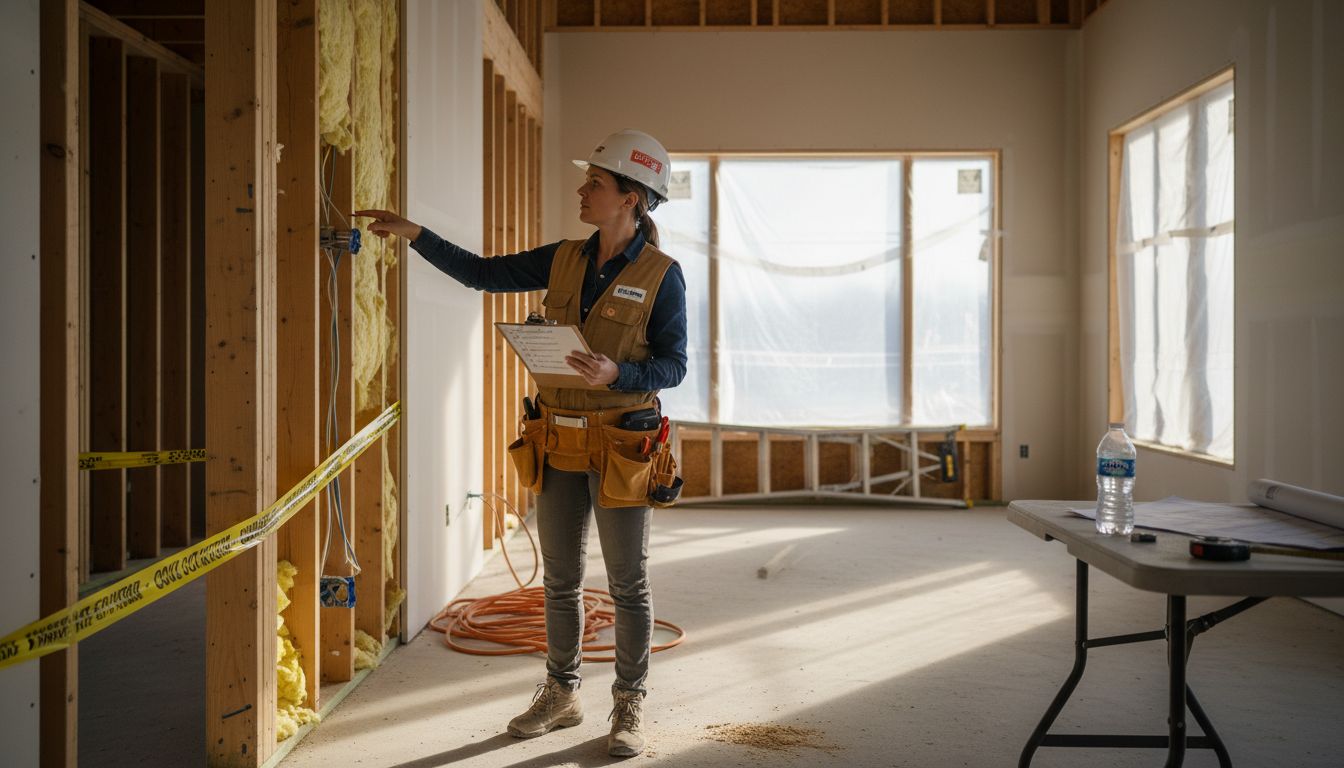
Construction documentation standards play a crucial role in maintaining professional integrity. These standards require detailed project planning, precise documentation, and systematic quality control processes. Certified contractors understand that safety isn’t just about preventing accidents – it’s about creating a holistic approach to construction that prioritizes worker protection, structural integrity, and client satisfaction. By following meticulously developed industry guidelines, these professionals minimize risks, reduce potential errors, and deliver consistently superior results that meet or exceed homeowner expectations.
Legal and Insurance Protections for Homeowners
Legal protections represent a critical safeguard for homeowners when undertaking construction projects. Comprehensive legal implications of contractor licensing highlight the significant risks associated with hiring unlicensed professionals. Homeowners can potentially face substantial financial and legal exposure if they engage contractors who lack proper credentials, insurance, or adherence to local building regulations.
Key legal and insurance protections for homeowners include:
- Liability Coverage: Protection against property damage and personal injury claims
- Workers Compensation: Shields homeowners from potential legal actions by injured workers
- Professional Indemnity Insurance: Covers errors or negligence in project execution
- Performance Bonds: Guarantees project completion and quality standards
- Compliance Documentation: Ensures adherence to local building codes and regulations
Licensed contractor legal standards provide critical safeguards that extend far beyond basic project completion. These standards require contractors to maintain comprehensive insurance policies, undergo regular professional assessments, and demonstrate ongoing compliance with industry regulations. By choosing certified professionals, homeowners effectively transfer potential risks, ensuring that any unforeseen issues during or after the project will be addressed through established legal and financial protection mechanisms. This approach not only minimizes financial vulnerability but also provides peace of mind throughout the entire construction process.
Risks of Hiring Uncertified Contractors
Uncertified contractors pose significant risks that extend far beyond simple project quality concerns. Potential legal and financial vulnerabilities can transform a home improvement project into a costly nightmare for unsuspecting homeowners. When contractors lack proper certifications, they often operate without the necessary professional safeguards that protect both the worker and the property owner.
The most critical risks of hiring uncertified contractors include:
- Legal Liability: Potential exposure to lawsuits from workplace injuries
- Insurance Gaps: Lack of comprehensive professional insurance coverage
- Substandard Workmanship: Higher probability of structural or technical errors
- Code Violation Risks: Potential non-compliance with local building regulations
- Financial Uncertainty: No guaranteed recourse for poor or incomplete work
Contractor credential verification reveals the profound importance of professional standards in construction projects. Uncertified contractors typically lack the rigorous training, ongoing professional development, and systematic quality control processes that certified professionals maintain. This means homeowners are not just risking immediate project quality, but potentially exposing themselves to long-term structural issues, safety hazards, and significant financial losses that can far exceed the initial project cost. The minimal upfront savings from hiring an uncertified contractor can quickly transform into substantial expenses through repairs, legal challenges, and potential property devaluation.
Cost Versus Value: Certified vs. Uncertified
True project value extends far beyond initial pricing, especially when considering home improvement investments. Contractor licensing economics demonstrate that seemingly cheaper alternatives often result in significantly higher long-term expenses. Homeowners frequently mistake upfront cost savings as financial prudence, when in reality, uncertified contractors can introduce substantial hidden financial risks.
The comprehensive cost comparison between certified and uncertified contractors reveals critical differences:
- Initial Project Costs
- Certified: Potentially higher upfront investment
- Uncertified: Lower initial pricing
- Long-Term Expenses
- Certified: Minimal unexpected repair costs
- Uncertified: Potential extensive remediation expenses
- Warranty and Guarantee
- Certified: Comprehensive professional warranties
- Uncertified: Limited or no protection
- Legal and Insurance Protection
- Certified: Robust coverage and liability shields
- Uncertified: Significant personal financial exposure
Professional contractor value assessment demonstrates that certified professionals provide substantially more than basic construction services. Their comprehensive approach includes precise project planning, advanced technical skills, rigorous quality control, and proactive problem-solving. While certified contractors might charge a premium, they effectively mitigate risks, ensure regulatory compliance, and deliver superior workmanship that protects homeowners’ most significant investment. The marginal additional cost represents an intelligent risk management strategy, transforming home improvement from a potential financial liability into a secure, value-adding investment.
Choose Certified Contractors for Peace of Mind and Quality Results
Hiring uncertified contractors can lead to costly mistakes, legal exposure, and substandard work that puts your home at risk. This article highlights the importance of selecting certified professionals who meet rigorous standards, possess up-to-date training, and carry proper insurance. Your goal is to protect your investment with contractors who prioritize safety, comply with building codes, and deliver reliable, long-lasting craftsmanship.
Partner with J. A. Kelly Contracting Services, a trusted local company in Moncton, New Brunswick, committed to providing exceptional residential renovations with certified expertise. Browse our Home Renovation Archives to see how our professional team transforms homes with quality and care.

Don’t risk your home’s value or your peace of mind with uncertified work. Visit https://jakellycontractingservices.ca today to request a free estimate and discover how hiring certified contractors secures your next project’s success. Learn more about our services and certifications to make an informed choice for your home improvement needs.
Frequently Asked Questions
Why should I hire certified contractors for my home projects?
Certified contractors have met specific industry standards through rigorous training and testing, ensuring they possess verified competence and commitment to quality craftsmanship. This reduces risks associated with home improvement projects and ensures high-quality work.
What are the benefits of hiring a certified contractor compared to an uncertified one?
Certified contractors provide several advantages including legal and insurance protections, adherence to building codes, and a commitment to safety and quality. This minimizes potential liabilities and ensures the project is completed to professional standards.
How can I verify if a contractor is certified?
You can verify a contractor’s certification by requesting their credentials and checking with relevant certifying organizations or professional associations. Additionally, reviewing their past work and client references can further assure their legitimacy.
What risks do I face if I hire an uncertified contractor?
Hiring an uncertified contractor can expose you to risks such as legal liability, inadequate work quality, potential code violations, and lack of insurance coverage. These risks can lead to costly repairs and legal challenges down the line.
Recommended
- Role of Roofing Certifications – Why Homeowners Benefit – J. A. Kelly Contracting Services
- Why Hire a Contractor: Complete Homeowner Guide – J. A. Kelly Contracting Services
- Complete Guide to the Role of Roofing Contractors – J. A. Kelly Contracting Services
- What Is a General Contractor? Complete Guide – J. A. Kelly Contracting Services
- Certified Locksmiths: Everything You Need to Know – A To Z Locksmith Inc