






Over eighty percent of American homeowners say they feel more confident hiring a certified contractor for renovations or repairs. With so much at stake in home projects, trusting someone who has been thoroughly verified and trained matters. Certified contractors offer skills, insurance protection, and code compliance that bring peace of mind and real value to every American household investing in their property.
Table of Contents
- What Are Certified Contractors
- Why Certification Matters
- How Certification Ensures Code Compliance
- Insurance, Liability, and Legal Protection
- Quality Workmanship and Materials
- Warranties, Support and Long‑Term Value
Key Takeaways
| Point | Details |
|---|---|
| Certified Contractors Ensure Quality | They undergo rigorous training, verification, and continuing education, ensuring high standards in workmanship and materials. |
| Importance of Code Compliance | Certified contractors have a deep understanding of building regulations, reducing the risk of legal and structural issues for homeowners. |
| Insurance and Liability Protection | They offer comprehensive insurance coverage, protecting homeowners from potential financial and legal risks during projects. |
| Warranties Provide Long-Term Assurance | Homeowners benefit from clear warranties and support, ensuring extended protection and confidence in their investment. |
What Are Certified Contractors
A certified contractor is a professional who has completed specialized training and met rigorous standards established by professional organizations or government agencies. Unlike standard contractors, these experts undergo comprehensive verification processes that validate their skills, knowledge, and professional capabilities. Certification requirements are defined by specific federal agencies to ensure high-quality workmanship and consumer protection.
The certification process typically involves multiple layers of professional validation. Contractors must demonstrate technical expertise through standardized training programs, pass comprehensive examinations, maintain updated industry knowledge, and often provide proof of relevant work experience. These requirements help establish a contractor’s credibility and commitment to professional excellence. Most certifications mandate ongoing education to ensure professionals stay current with emerging technologies, safety standards, and industry best practices.
Key elements of contractor certification include:
- Verified professional training
- Background screening and professional reputation checks
- Mandatory continuing education credits
- Compliance with industry safety and performance standards
- Documented proof of professional competence
Pro Contractor Tip: Always request and verify a contractor’s certification credentials before hiring, ensuring they have current documentation from recognized professional organizations.
Why Certification Matters
Certification serves as a critical benchmark for homeowners seeking reliable, skilled professionals. Certification programs provide powerful background screening, allowing organizations and homeowners to work with third-party providers confidently. This process protects consumers by ensuring that contractors have demonstrated technical proficiency, ethical standards, and a commitment to professional development.
Pro Safety Tip: Request copies of a contractor’s certification documents and independently verify their credentials with issuing organizations before signing any contracts.
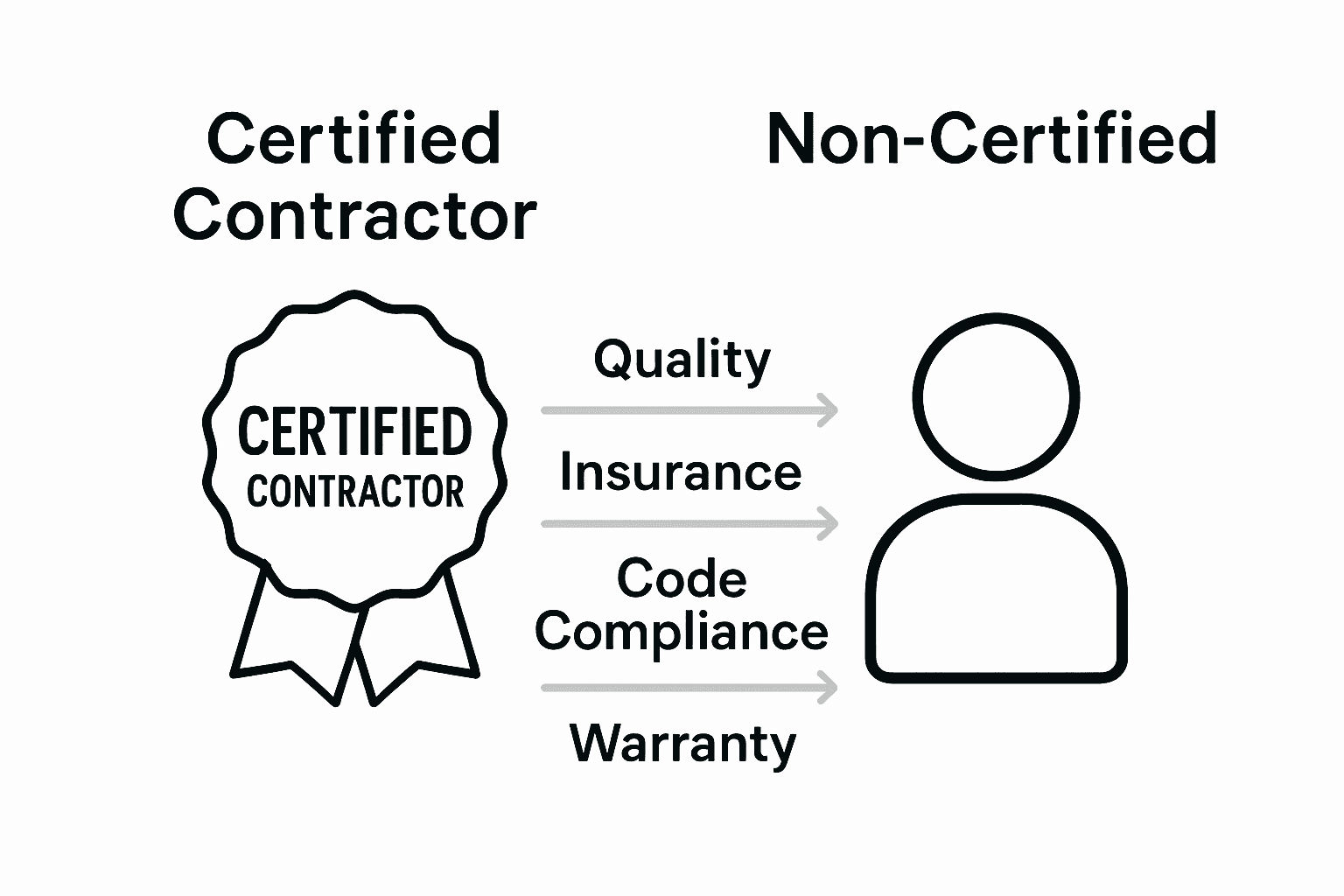
Here’s a quick comparison of certified versus non-certified contractors:
| Criteria | Certified Contractor | Non-Certified Contractor |
|---|---|---|
| Professional Training | Formal, standardized, ongoing | May be informal or inconsistent |
| Verification Process | Multiple, independent checks | Limited or no verification |
| Code Compliance Expertise | Regular training on new codes | May lack up-to-date knowledge |
| Insurance Requirements | Comprehensive, regularly updated | Varies, not always adequate |
| Warranty Coverage | Detailed, written, enforceable | Often limited or non-existent |
How Certification Ensures Code Compliance
Code compliance represents a critical safety framework that protects homeowners from potential structural and legal risks during home renovation projects. Certified contractors play a pivotal role in navigating complex building regulations and ensuring that every aspect of construction meets local, state, and federal standards. Certified Contractors ensures that all on-site vendors meet stringent screening requirements, which directly translates to higher quality and safer construction practices.
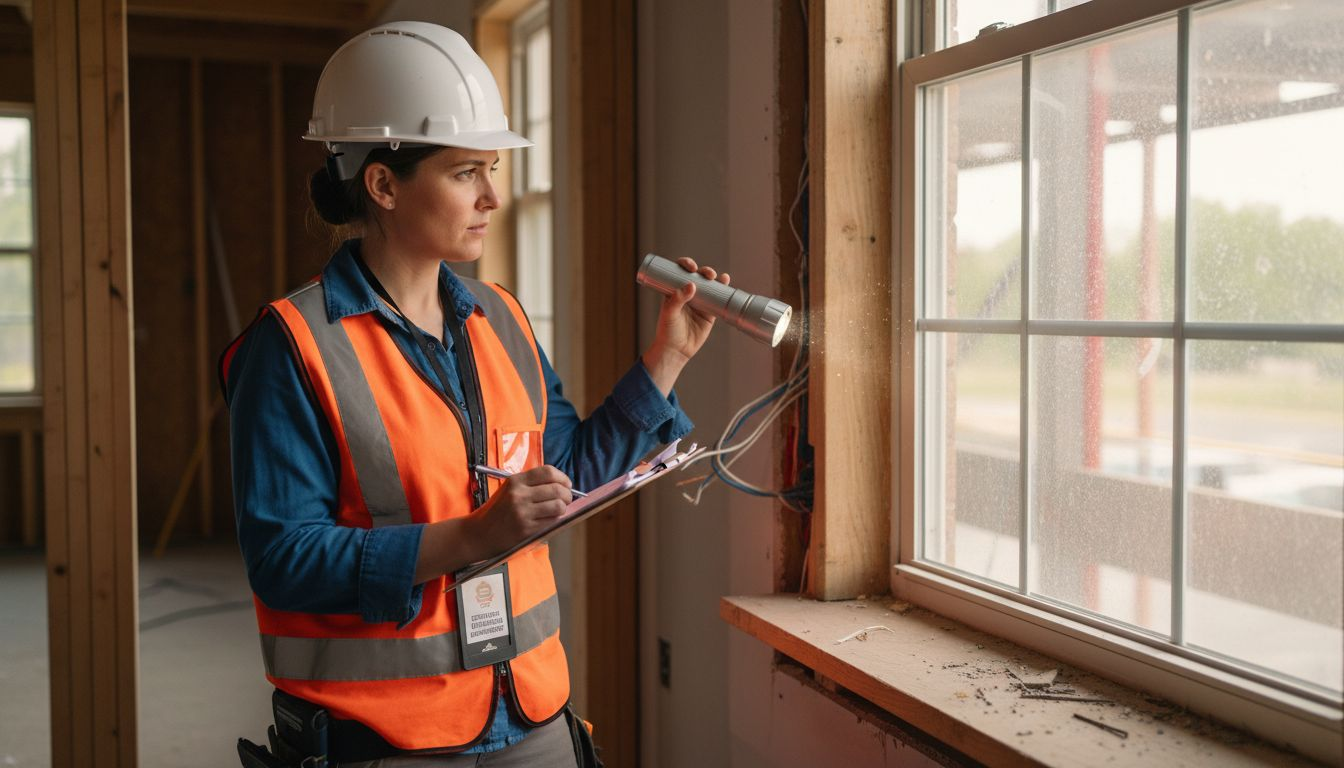
Building codes are intricate sets of regulations that specify minimum performance standards for construction, electrical systems, plumbing, and structural integrity. Certified contractors undergo rigorous training to understand these complex requirements, ensuring that every project adheres to precise technical specifications. This comprehensive knowledge helps prevent potential safety hazards, structural failures, and expensive future repairs that could arise from non-compliant work.
Key aspects of code compliance through certification include:
- Detailed understanding of local building regulations
- Comprehensive knowledge of safety standards
- Regular updates on changing construction guidelines
- Precise technical implementation of regulatory requirements
- Systematic documentation and verification processes
Certified professionals are trained to:
- Interpret complex building code requirements
- Apply standards consistently across different project types
- Anticipate potential compliance challenges
- Maintain accurate documentation for permit processes
Why Code Compliance Matters
Non-compliance can result in significant financial and legal consequences for homeowners. Certified Contractors offers a platform to find professional contractors who understand these critical nuances, providing homeowners with peace of mind. Improperly executed work can lead to failed inspections, potential legal disputes, invalidated home insurance, and mandatory expensive reconstructions.
Pro Safety Tip: Always request a detailed explanation of how a certified contractor will ensure full code compliance before starting any home renovation project.
Insurance, Liability, and Legal Protection
Insurance and legal protection are fundamental considerations when hiring contractors for home improvement projects. Certified contractors provide homeowners with critical safeguards that extend far beyond basic service delivery. Contractors are responsible for maintaining adequate protection of all work from potential damage, injury, or loss, creating a comprehensive safety net for homeowners during renovation processes.
Certified contractors carry multiple layers of protection that shield homeowners from financial and legal risks. This typically includes general liability insurance, workers compensation coverage, and professional indemnity insurance. These comprehensive insurance policies protect against potential accidents, property damage, injuries, and unexpected complications that could arise during construction projects. Professional certification ensures that contractors understand their legal obligations and maintain appropriate insurance coverage to mitigate potential risks.
Key insurance and liability protections include:
- Comprehensive general liability insurance
- Workers compensation coverage
- Professional indemnity protection
- Detailed documentation of project risks
- Legal compliance with local regulations
Important legal considerations for homeowners:
- Request proof of current insurance documentation
- Verify contractor’s licensing status
- Review contract terms thoroughly
- Understand warranty and guarantee provisions
Understanding Contractor Responsibilities
Contractors must warrant that subcontractors are reputable, skilled, reliable, and thoroughly familiar with applicable codes, which provides an additional layer of legal protection. This means certified professionals are not just responsible for their own work, but also for the quality and compliance of any subcontractors they bring onto a project. The legal framework surrounding certified contractors creates a robust system of accountability that significantly reduces potential risks for homeowners.
Pro Protection Tip: Always request and independently verify a contractor’s insurance certificates and professional credentials before signing any project agreements.
Quality Workmanship and Materials
Quality workmanship represents the cornerstone of exceptional home renovation and construction projects. Certified contractors distinguish themselves through a rigorous commitment to superior materials and expert craftsmanship that goes far beyond basic industry standards. Contractors warrant that all materials and equipment incorporated in the work shall be new, in first-class condition, and of the highest quality, ensuring homeowners receive exceptional value and performance.
The hallmark of certified contractors lies in their meticulous approach to material selection and installation techniques. Professional certifications mandate ongoing training and skill development, which translates directly into superior construction practices. These professionals understand that quality extends beyond initial appearance, focusing on durability, performance, and long-term structural integrity. Materials and equipment must conform to specific contract requirements and be free from defects, providing homeowners with peace of mind and reliable results.
Key elements of superior workmanship include:
- Precise material selection and sourcing
- Advanced installation techniques
- Comprehensive quality control processes
- Attention to minute structural details
- Consistent performance standards
Important quality assessment criteria:
- Material origin and certification
- Installation precision
- Compliance with manufacturer specifications
- Long-term performance expectations
Understanding Material Quality
Beyond technical specifications, certified contractors bring an unparalleled commitment to understanding how different materials interact, perform, and age. This holistic approach ensures that every component of a project works harmoniously, minimizing potential future maintenance issues and maximizing overall project longevity.
Pro Craftsmanship Tip: Request detailed documentation about the materials being used in your project, including manufacturer specifications, warranty information, and performance ratings.
Warranties, Support and Long‑Term Value
Warranties represent a critical component of professional contracting services, providing homeowners with extended protection and confidence in their investment. Certified contractors distinguish themselves by offering comprehensive support that extends far beyond the initial project completion. Within one year after the date of Substantial Completion, any work found to be defective or nonconforming must be corrected by the contractor, ensuring long-term quality and customer satisfaction.
The value of a warranty from a certified contractor goes well beyond simple repair guarantees. These professionals provide structured support that addresses potential issues proactively, demonstrating a commitment to their craft and client relationships. Contractors provide a letter of warranty at the time of job completion for a mutually agreed duration, which gives homeowners peace of mind and financial protection against unexpected complications.
Key elements of comprehensive warranty coverage include:
- Detailed documentation of work performed
- Specific timeframes for warranty protection
- Clear guidelines for repair and replacement
- Transparent communication processes
- Comprehensive coverage of materials and labor
Important warranty considerations:
- Length of warranty period
- Specific components covered
- Conditions for warranty activation
- Repair and replacement procedures
Understanding Long-Term Value
Beyond immediate repairs, warranty programs from certified contractors represent an investment in ongoing home maintenance. These warranties protect homeowners from unexpected expenses, provide professional support for potential issues, and demonstrate the contractor’s confidence in their workmanship. The comprehensive nature of these warranties reflects the high standards and professional integrity of certified contractors.
Pro Warranty Tip: Always request a detailed, written warranty document that clearly outlines the specific terms, coverage period, and exact procedures for addressing potential future issues.
The following table summarizes the homeowner benefits of hiring certified contractors:
| Benefit Area | How Homeowners Gain | Long-Term Impact |
|---|---|---|
| Safety | Reduced risk of accidents | Greater family protection |
| Financial | Lower repair or legal costs | Higher property value |
| Legal | Fewer disputes, valid permits | Easier resale and insurance claims |
| Quality | Superior materials and work | Durability and lasting results |
| Support | Clear warranties, documentation | Confidence and peace of mind |
Secure Your Home with Certified Expertise from J. A. Kelly Contracting Services
Choosing a certified contractor means you avoid costly mistakes and ensure full code compliance, superior workmanship, and legal protection for your home renovation projects. Understanding the importance of verified credentials and ongoing professional education helps protect your investment and your family’s safety. If you want peace of mind that your home is in trusted hands, partnering with certified professionals is essential.

Ready to experience the benefits of professional contractor certification firsthand Explore expert roofing and renovation services at Roofing Archives – J. A. Kelly Contracting Services and Home Renovation Archives – J. A. Kelly Contracting Services. Contact us today at https://jakellycontractingservices.ca for a free estimate and elevate your next project with quality and confidence.
Frequently Asked Questions
What is a certified contractor?
A certified contractor is a professional who has undergone specialized training, met high standards set by professional organizations or government agencies, and attained validation for their skills and knowledge.
Why is it important to hire a certified contractor?
Hiring a certified contractor ensures that you work with a professional who has demonstrated technical proficiency, adheres to safety and building codes, and is committed to ongoing education and quality workmanship.
How does certification impact code compliance in construction projects?
Certified contractors are trained to understand and implement local, state, and federal building codes, helping ensure that all work performed meets safety standards and legal requirements, thus reducing risks of structural failures.
What are the benefits of warranties offered by certified contractors?
Warranties from certified contractors provide homeowners with long-term protection against defects or nonconforming work, often covering repairs and replacements, and reflecting the contractor’s confidence in their quality of work.
Recommended
- Why Hire Certified Contractors for Home Projects – J. A. Kelly Contracting Services
- Why Use Certified Contractors for Home Projects – J. A. Kelly Contracting Services
- Role of Roofing Certifications – Why Homeowners Benefit – J. A. Kelly Contracting Services
- 7 Expert Tips for Hiring Contractors Every Homeowner Needs – J. A. Kelly Contracting Services