




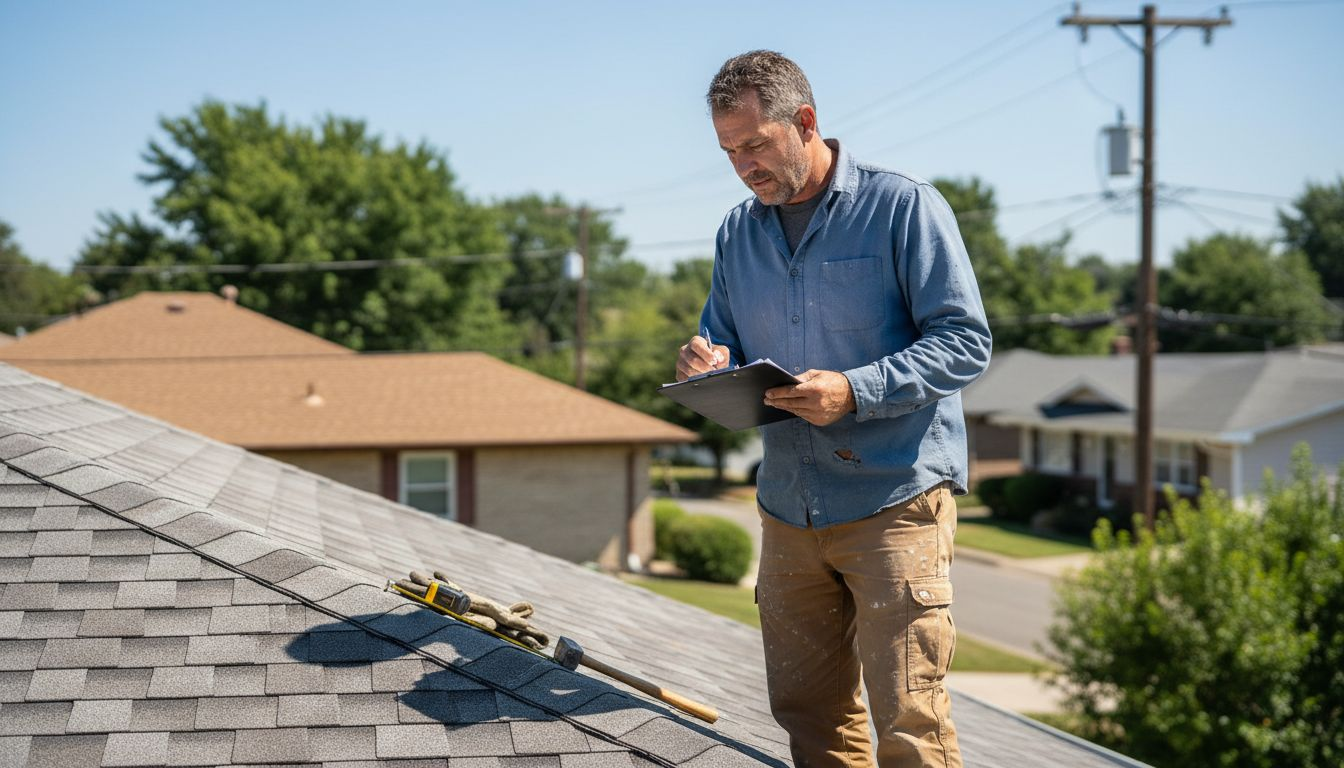
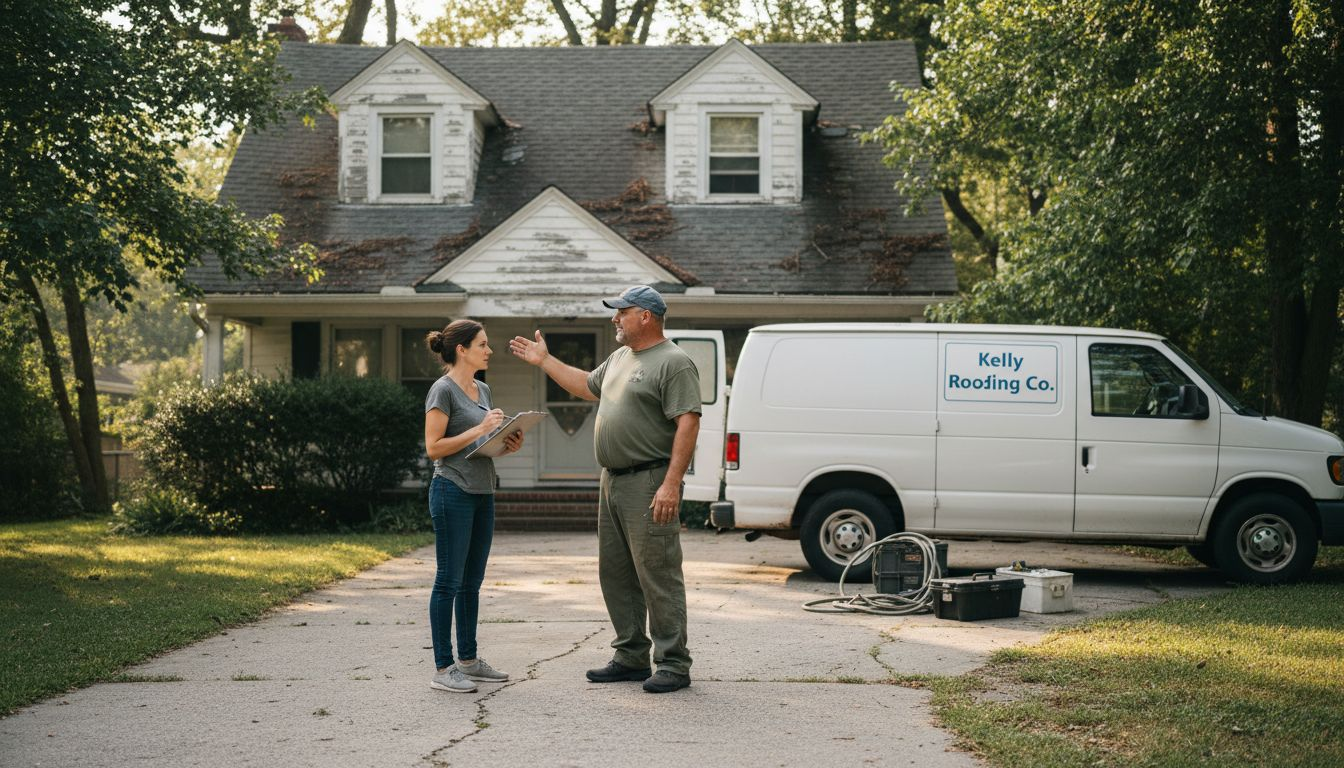
Over half of American homeowners end up facing a full roof replacement sooner than expected. If you have ever wondered whether simply layering new shingles is enough, you are not alone. With so many myths and quick fixes circulating, understanding what a roofing tear-off really involves can save you from costly mistakes and hidden damage. This guide helps you separate fact from fiction and explains why a thorough approach is vital for lasting protection.
Table of Contents
- Roofing Tear-Off Defined And Common Myths
- Key Steps In The Roofing Tear-Off Process
- Comparing Tear-Offs Versus Roof Overlays
- Cost Factors And Potential Risks For Homeowners
- When A Roofing Tear-Off Is The Right Choice
Key Takeaways
| Point | Details |
|---|---|
| Roofing Tear-Off | A roofing tear-off involves the complete removal of existing materials, allowing for thorough inspection and lasting structural integrity. |
| Myth of Roof Overlays | Adding new shingles over old layers can hide critical problems, increasing long-term risks and costs. |
| Cost Considerations | While a tear-off may have a higher upfront cost, it can extend roof lifespan by 15-25 years and prevent extensive future repairs. |
| Indications for Tear-Off | A tear-off is recommended for roofs with multiple layers, significant damage, or aged shingles to ensure effective long-term protection. |
Roofing Tear-Off Defined and Common Myths
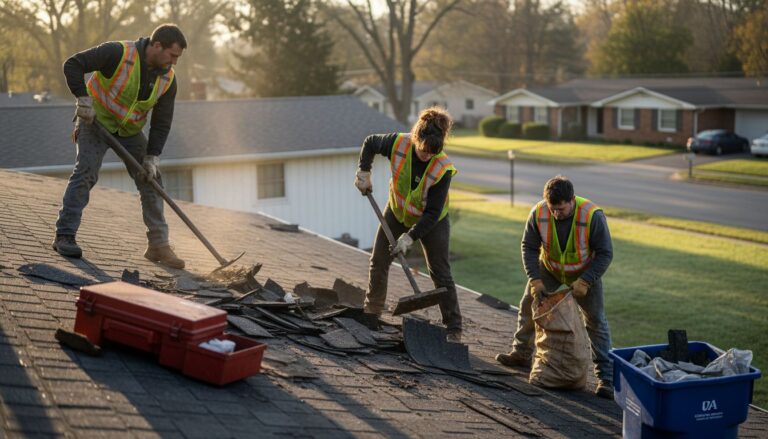
A roofing tear-off represents a comprehensive process where professional contractors completely remove existing roofing materials down to the underlying roof deck, preparing for a full roof replacement. This meticulous approach allows for a thorough inspection and complete restoration of your home’s most critical protective layer. Professional roofing techniques require careful removal to ensure structural integrity and long-term performance.
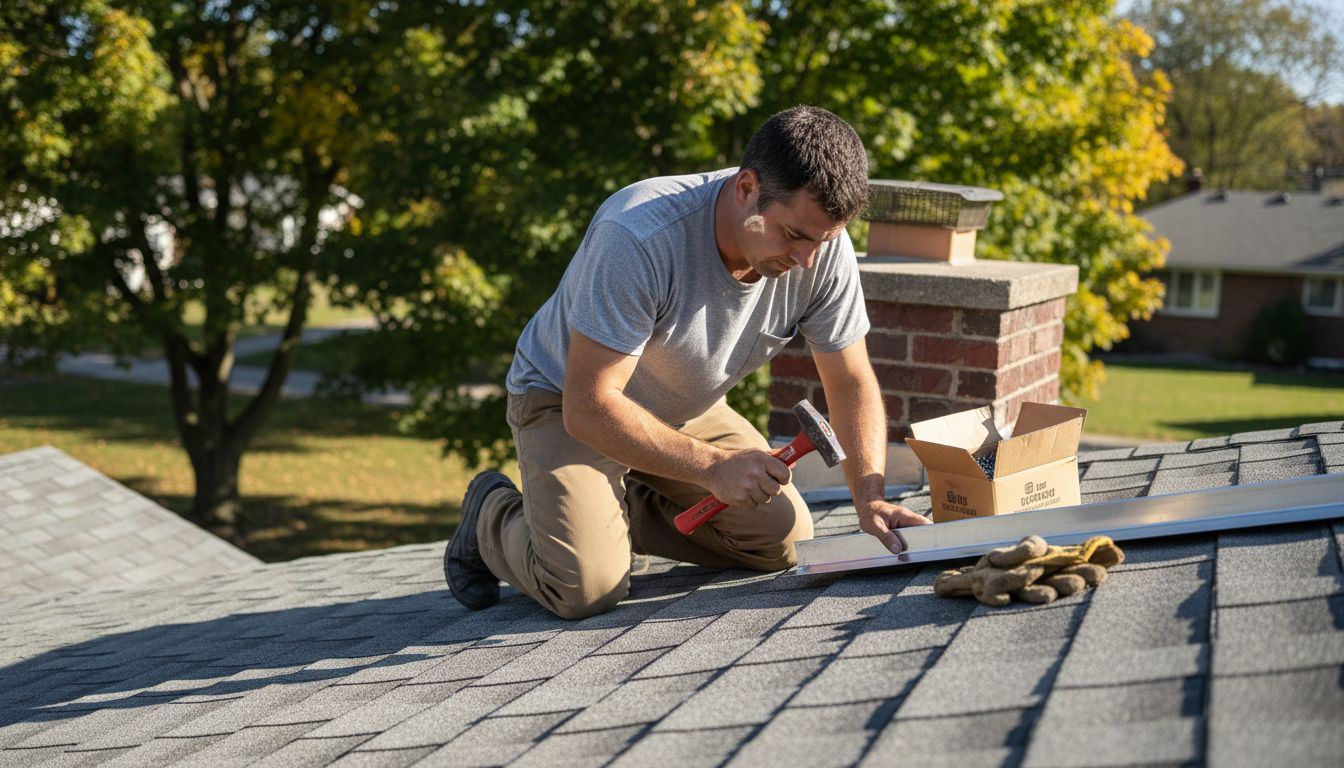
Many homeowners mistakenly believe that simply adding new shingles over existing ones is a cost-effective solution. However, this approach can mask underlying structural damage and compromise the roof’s overall effectiveness. Roofing experts consistently warn that overlays can conceal critical issues like wood rot, water damage, or structural weaknesses that require immediate professional attention.
The tear-off process involves several critical steps that go beyond simple material replacement. Contractors will carefully remove all existing roofing layers, inspect the roof deck for any damage, replace compromised wooden sections, and prepare a clean surface for new roofing materials. This comprehensive approach ensures maximum protection, improved energy efficiency, and significantly extends the lifespan of your roof compared to partial repairs or overlays.
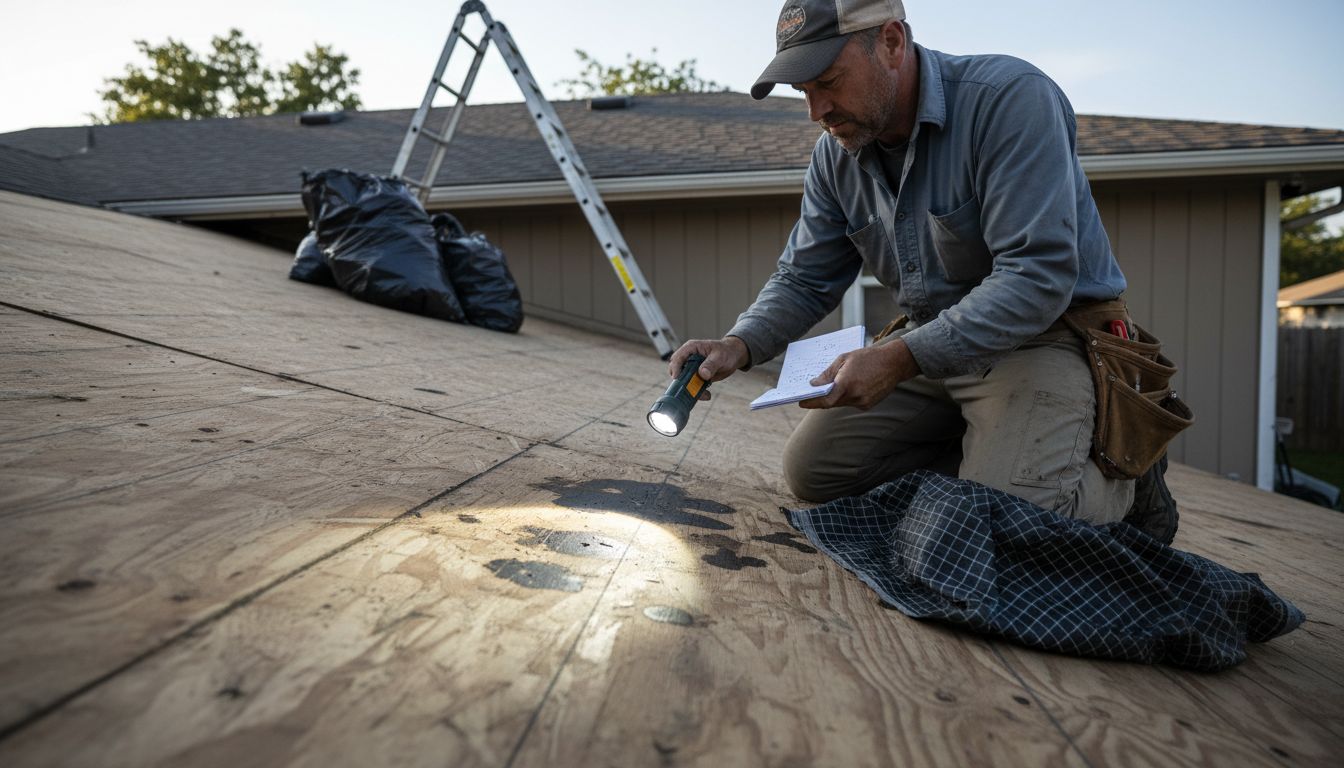
Pro Tip: Roof Assessment Strategy: Always request a detailed written inspection report before any roofing work, which should outline specific damage areas, recommended repairs, and a comprehensive cost breakdown to help you make an informed decision about your roof replacement.
Key Steps in the Roofing Tear-Off Process
A comprehensive roofing tear-off involves several critical stages that require professional expertise and meticulous attention to detail. Systematic roof removal techniques ensure the successful preparation and installation of a new roofing system, protecting your home’s structural integrity and long-term performance.
The tear-off process typically begins with careful preparation of the work area, which includes protecting landscaping, setting up safety equipment, and establishing a clear workspace. Professional contractors will then methodically remove existing roofing materials, starting from the ridge and working downward to prevent damage to underlying structures. Professional roofing experts recommend a comprehensive inspection of the roof deck during this process, looking for:
- Signs of wood rot
- Water damage
- Structural weaknesses
- Uneven surfaces
- Potential insect or pest damage
After removing all existing materials, contractors will repair and reinforce the roof deck, installing new underlayment, ice and water barriers, and preparing a solid foundation for the new roofing system. This step is crucial for ensuring the roof’s durability, energy efficiency, and ability to withstand harsh weather conditions. The final stages involve a thorough cleanup, detailed inspection, and preparation for new roofing material installation.
Pro Tip: Damage Documentation Strategy: Always request and keep detailed photographic documentation of the roof deck inspection, which can help with insurance claims, future maintenance planning, and understanding your roof’s specific structural condition.
Comparing Tear-Offs Versus Roof Overlays
Roof overlays and full tear-offs represent two dramatically different approaches to roof replacement, each with significant implications for your home’s long-term protection. Professional roofing analysis reveals that while overlays might seem more cost-effective initially, they often conceal critical structural problems that can lead to more expensive repairs down the line.
The key differences between these two methods are substantial. A roof overlay involves installing new shingles directly over existing layers, which can be completed more quickly and at a lower upfront cost. However, this approach prevents a comprehensive inspection of the underlying roof deck. By contrast, a full tear-off removes all existing roofing materials, allowing contractors to:
- Thoroughly inspect the roof deck for structural damage
- Replace rotted or weakened wooden sections
- Install new underlayment and moisture barriers
- Ensure proper ventilation
- Address any hidden structural issues
Financially, roof overlays might save money in the short term, but they typically reduce overall roof lifespan by 25-30%. The additional weight of multiple roofing layers can strain the home’s structural support, potentially leading to more significant problems. Full tear-offs, while more expensive initially, provide a clean slate that ensures maximum durability, energy efficiency, and long-term protection for your home.
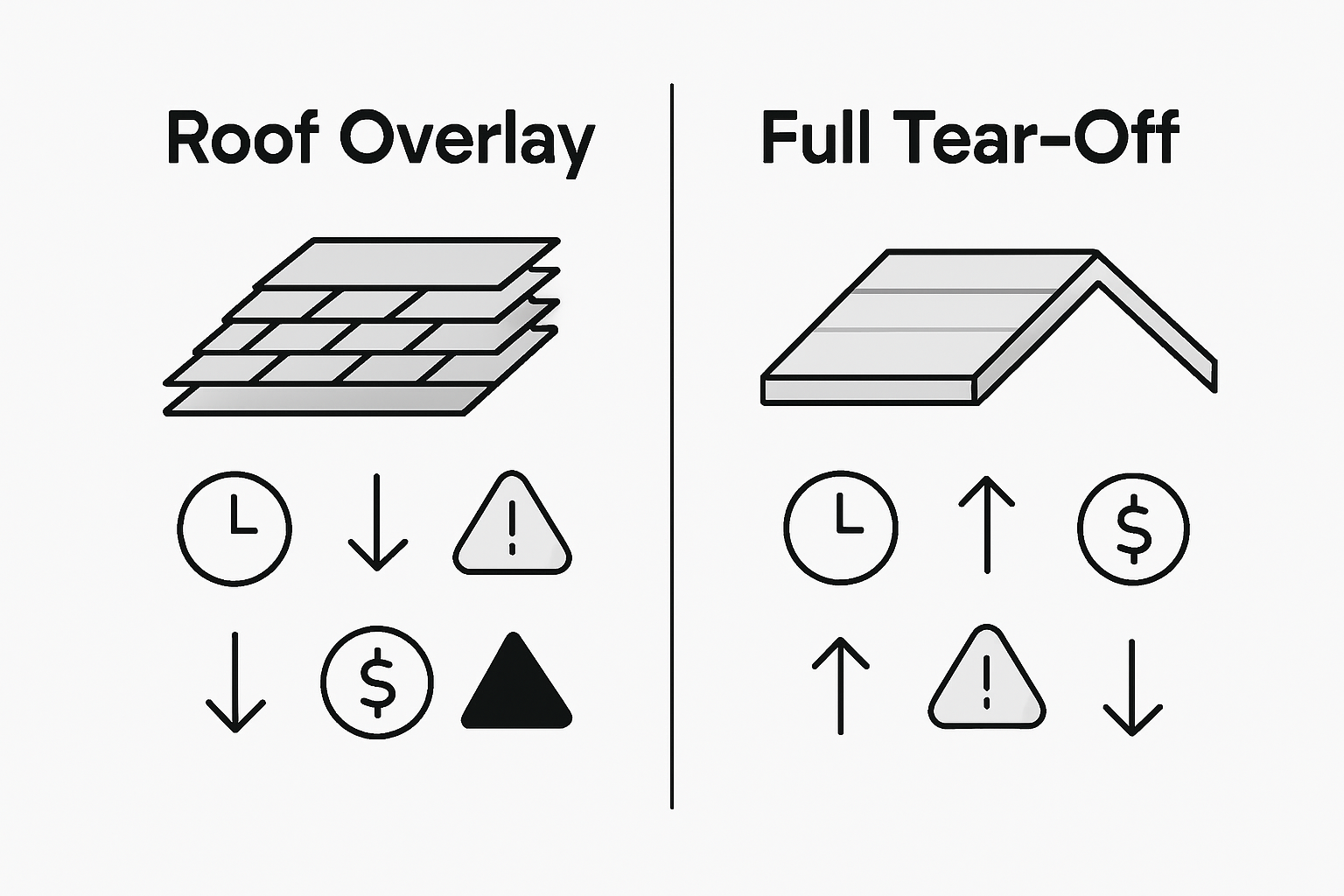
Here’s a quick comparison of roof tear-off versus overlay methods:
| Aspect | Full Tear-Off | Roof Overlay |
|---|---|---|
| Inspection Quality | Thorough deck review | Hidden deck conditions |
| Long-Term Value | Extends roof lifespan | Shortens roof lifespan |
| Upfront Cost | Higher initial expense | Lower initial expense |
| Risk of Future Issues | Minimizes hidden damage | Conceals potential issues |
| Structural Weight Load | No added load | Extra layer increases load |
Pro Tip: Cost Comparison Strategy: Always request detailed written estimates comparing both overlay and tear-off options, including projected long-term maintenance costs and expected roof lifespan for each approach.
Cost Factors and Potential Risks for Homeowners
Roof tear-offs represent a significant financial investment that requires careful consideration of multiple cost factors and potential risks. Comprehensive roofing cost analysis reveals that homeowners should expect expenses beyond simple material and labor costs, including potential underlying structural repairs that may emerge during the process.
The primary cost components of a roof tear-off typically include:
- Labor costs for professional removal
- New roofing materials
- Disposal fees for existing roofing waste
- Potential deck or structural repairs
- Unexpected structural damage remediation
- Specialized equipment and safety gear
Roofing experts warn that cutting corners can lead to substantial long-term financial risks. Attempting to minimize initial expenses by choosing quick fixes or partial repairs can result in more extensive damage. Moisture trapped beneath multiple layers of roofing can cause wood rot, compromise structural integrity, and create ideal conditions for mold growth, potentially leading to tens of thousands of dollars in subsequent repairs.
Homeowners should anticipate that a complete roof tear-off might cost 20-50% more than a simple overlay, but this investment provides comprehensive protection and can extend roof life by 15-25 years. The additional upfront cost represents a proactive approach to home maintenance, preventing more expensive emergency repairs and potential interior damage caused by undetected roof problems.
Below is a summary of key cost and risk considerations for roof tear-offs:
| Factor | Typical Impact | Why It Matters |
|---|---|---|
| Labor & Disposal Costs | Major part of total price | Removal and waste require expertise |
| Structural Repair Risk | Possible mid-project increase | Exposes hidden deck problems |
| Longevity Benefit | Extends roof 15-25 more years | Reduces long-term replacement needs |
| Maintenance Forecast | Fewer surprise repairs needed | Investment protects home’s interior |
Pro Tip: Financial Planning Strategy: Always request a detailed written estimate that breaks down potential additional costs, and set aside an extra 10-15% of the total project budget for unexpected structural repairs or complications.
When a Roofing Tear-Off Is the Right Choice
Roof tear-offs are not a universal solution, but critical in specific circumstances that demand comprehensive structural intervention. Roofing professionals recommend a complete tear-off when certain key indicators suggest underlying systemic roofing problems that cannot be addressed through surface-level repairs.
Homeowners should consider a tear-off when experiencing the following critical conditions:
- Roofing system with multiple existing layers
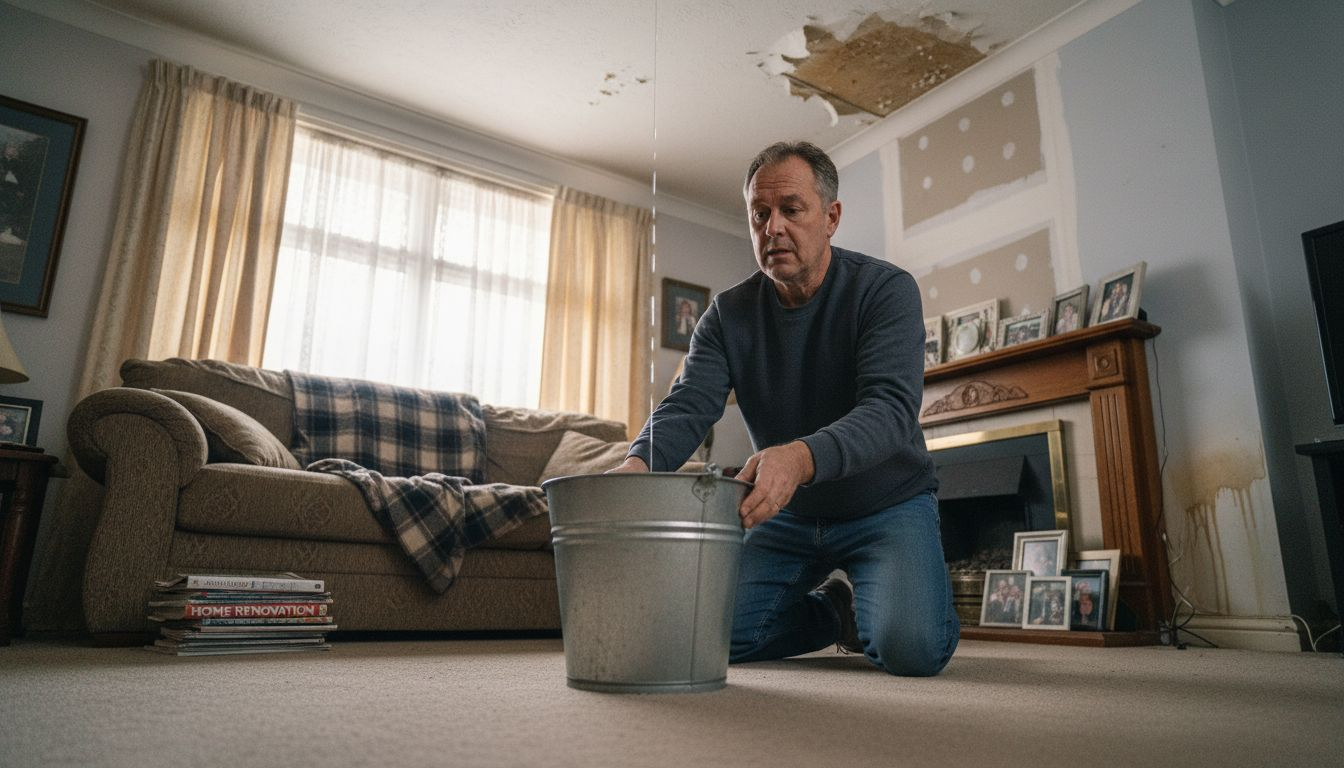
- Extensive water damage or widespread leaks
- Significant structural sagging or deformation
- Persistent mold or moisture penetration
- Shingles that are curling, cracking, or missing
- Age of current roof exceeding 20 years
- Visible granule loss on asphalt shingles
- Evidence of widespread wood rot in the roof deck
Roofing experts emphasize that beyond visible damage, local building codes and regional climate conditions can also mandate a complete tear-off. Certain municipalities require total roof replacement when structural integrity is compromised, and homes in regions with extreme weather conditions often benefit from a comprehensive roof system replacement to ensure long-term protection.
Ultimately, a professional roof inspection provides the most accurate assessment of whether a tear-off is necessary. While the upfront costs might seem substantial, a complete roof replacement can prevent exponentially more expensive structural damage and provide peace of mind through comprehensive home protection.
Pro Tip: Inspection Strategy: Schedule a professional roof assessment every 5-7 years, or immediately after severe weather events, to catch potential issues before they escalate into major structural problems.
Protect Your Home with Expert Roofing Tear-Off Services
Understanding the importance of a complete roofing tear-off can save you from hidden damages and costly repairs. If your roof shows signs of age, multiple shingle layers, or water damage, a professional tear-off ensures a solid foundation for your new roof. At J. A. Kelly Contracting Services, we specialize in thorough inspections and expert removal of your old roof to prevent moisture issues and structural risks.
Don’t leave your home vulnerable to unseen problems. Explore our comprehensive Roofing Archives to learn how we deliver quality craftsmanship and lasting protection. Ready for a reliable, long-term solution? Contact us today through our main site at https://jakellycontractingservices.ca to schedule your free inspection and receive a detailed estimate. Your home deserves the best care and a roof that stands strong for years ahead.
Frequently Asked Questions
What is a roofing tear-off?
A roofing tear-off is the process of completely removing existing roofing materials down to the underlying roof deck, allowing for a comprehensive inspection and full roof replacement.
Why is a roofing tear-off necessary?
A roofing tear-off is necessary when there are underlying structural issues, such as wood rot, leaks, or multiple layers of shingles that can compromise the roof’s effectiveness and longevity.
What are the benefits of a roofing tear-off compared to a roof overlay?
The benefits of a roofing tear-off include a thorough inspection of the roof deck, replacement of damaged materials, and a clean slate for installing new roofing, resulting in better durability and energy efficiency.
How can I determine if my roof needs a tear-off?
Your roof may need a tear-off if you see extensive water damage, noticeable sagging, missing shingles, or if the roof is over 20 years old. A professional roof inspection can provide a definitive assessment.
Recommended
- Roofing Terminology Explained: Speak Like a Roofer – J. A. Kelly Contracting Services
- Timely Roof Repairs: Complete Guide for Homeowners – J. A. Kelly Contracting Services
- Roofing Installation Guide: Step-By-Step for Homeowners – J. A. Kelly Contracting Services
- Roof Repair Guide: Step-by-Step Fixes for Homeowners – J. A. Kelly Contracting Services