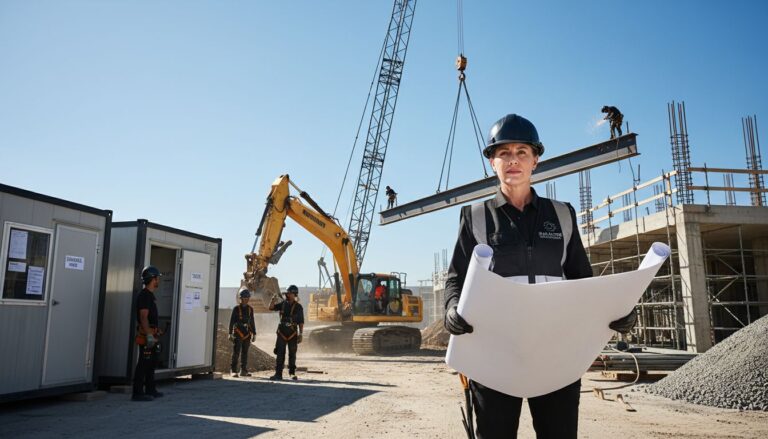





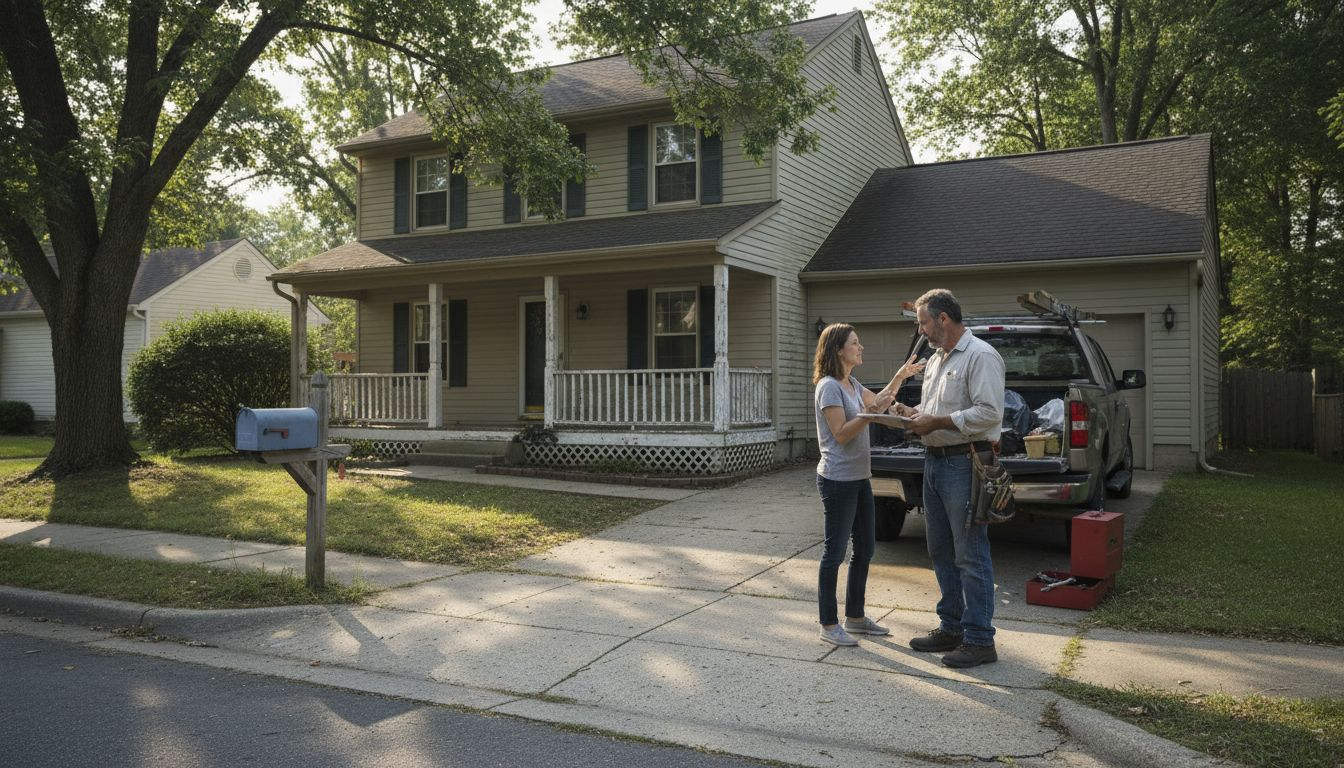
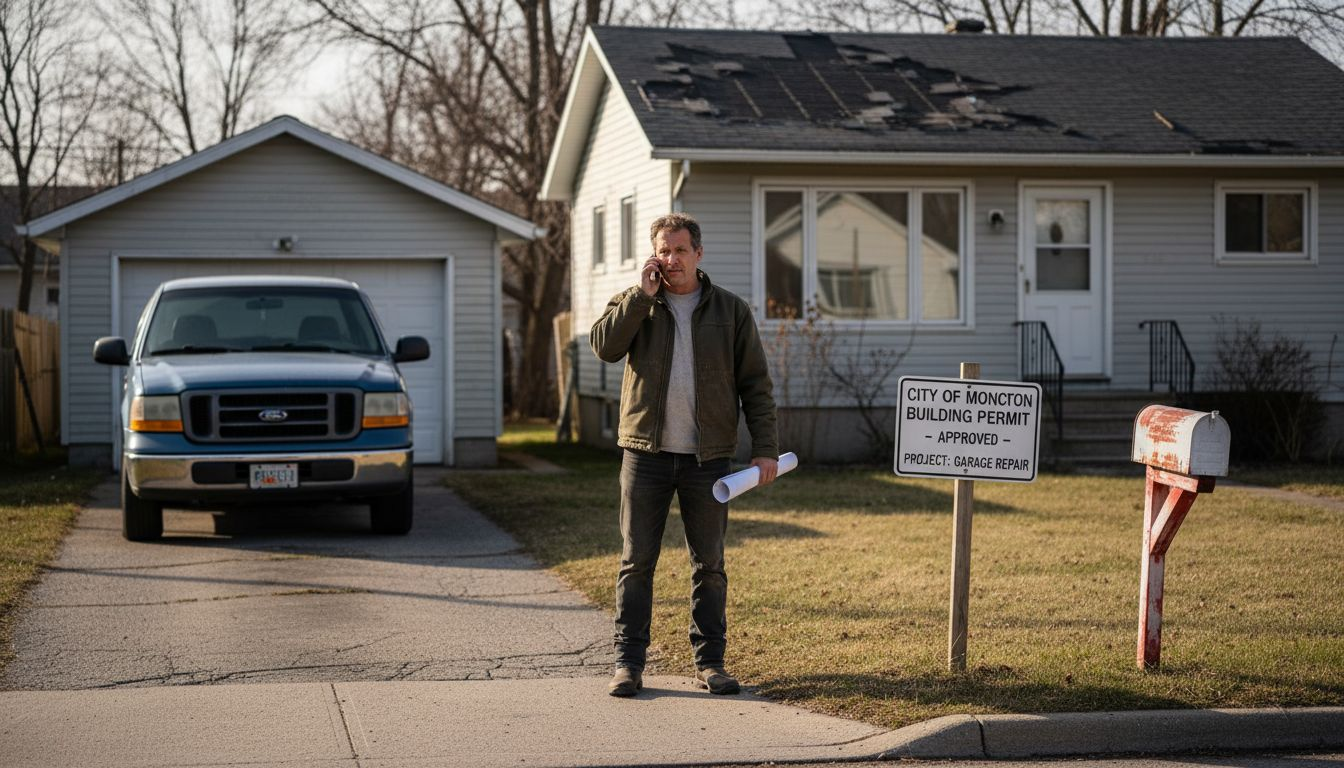



Nearly every american construction project relies on a skilled general contractor to keep things on track and within budget. These professionals juggle countless moving parts, from hiring qualified workers to navigating complex permits, so that builds run smoothly and meet client expectations. With over 70 percent of property owners reporting challenges managing renovations alone, understanding the true role of a general contractor can make the difference between costly headaches and successful results.
Table of Contents
- Defining a General Contractor and Core Role
- Types of General Contractors Explained
- Key Duties and Project Management Functions
- Licensing, Legal Requirements, and Insurance
- Costs, Estimates, and Budgeting Essentials
- How to Choose the Right General Contractor
Key Takeaways
| Point | Details |
|---|---|
| General Contractor Role | The general contractor coordinates all aspects of construction, including project management, subcontractor hiring, and budget control. |
| Types of Contractors | There are three main types of general contractors: General Building, General Engineering, and Specialty Contractors, each with specific areas of expertise. |
| Project Management Functions | Key tasks include strategic planning, resource management, quality control, and effective communication with project stakeholders. |
| Hiring Considerations | When selecting a general contractor, evaluate their credentials, experience, communication skills, and financial transparency to ensure project success. |
Defining a General Contractor and Core Role
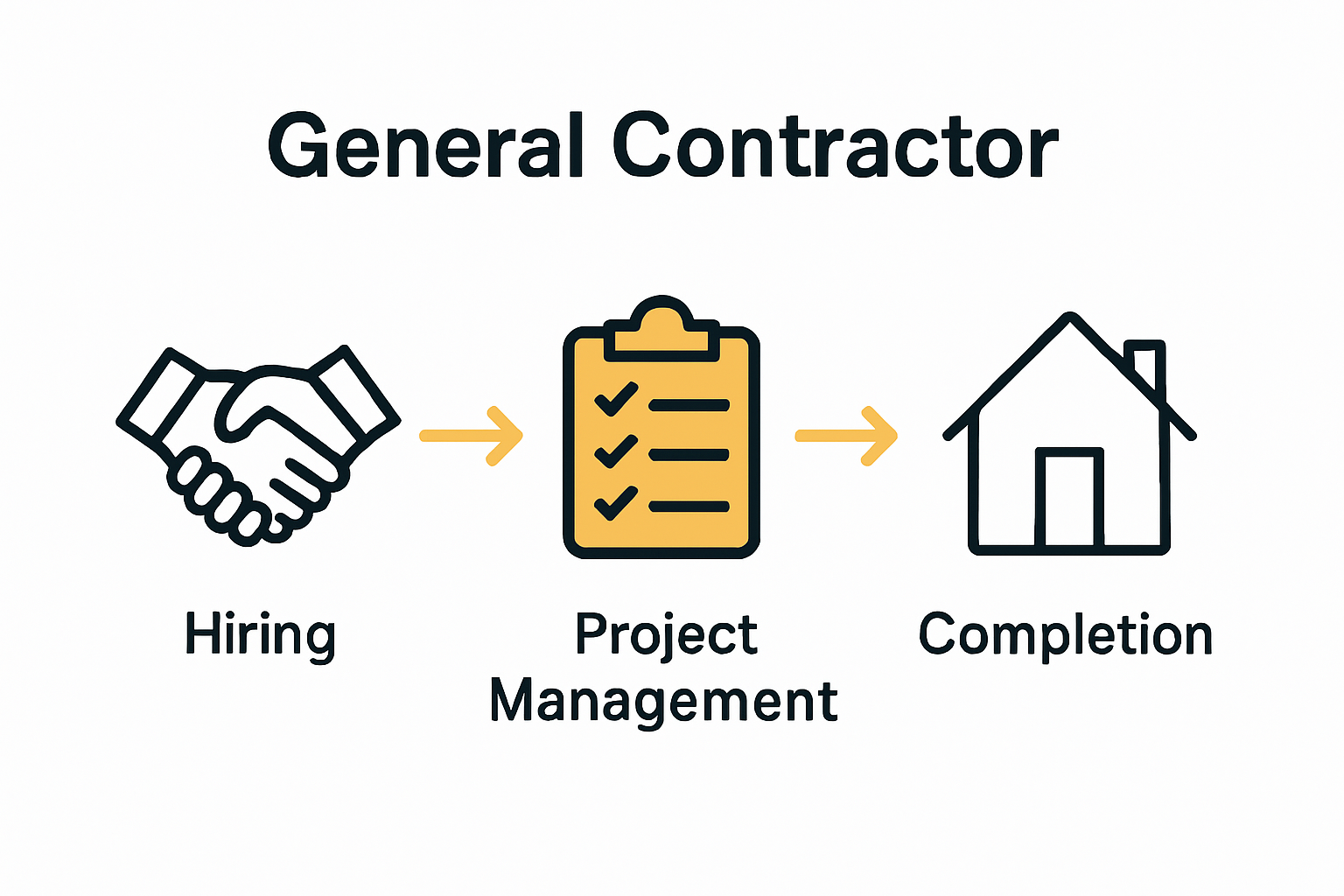
A general contractor is the central coordinator and project manager who brings complex construction and renovation projects to life. Professional contractors serve as the critical link between property owners and the various specialized workers required to complete a successful build or renovation.
The core role of a general contractor involves comprehensive project management that extends far beyond simple construction work. This professional is responsible for securing necessary permits, coordinating multiple subcontractors, managing project timelines, ensuring quality standards, and maintaining budget compliance. Key responsibilities include:
- Selecting and hiring skilled subcontractors for specialized tasks
- Obtaining all required building permits and legal documentation
- Developing and maintaining project schedules
- Monitoring work quality and adherence to building codes
- Managing project budgets and financial tracking
- Coordinating material procurement and equipment logistics
General contractors act as the primary point of communication, streamlining complex construction processes and providing homeowners with a single, reliable contact throughout the entire project. Their expertise transforms intricate construction challenges into smooth, well-executed building experiences, ensuring that every aspect of the project meets professional standards and client expectations.
Types of General Contractors Explained
General contractors play diverse roles across different construction domains, with specialized classifications that determine their specific areas of expertise. According to licensing guidelines, contractors are categorized into distinct professional classifications that define their operational scope and capabilities.
Three primary types of general contractors exist in the construction industry:
- General Building Contractors (B Class)
- Manage projects involving multiple building trades
- Handle comprehensive residential and commercial construction
- Coordinate complex building renovations and new construction
- General Engineering Contractors (A Class)
- Specialize in projects requiring advanced engineering knowledge
- Work on infrastructure, public works, and technical construction
- Manage projects involving specialized technical systems
- Specialty Contractors (C Class)
- Focus on specific trade-specific construction services
- Examples include electrical, plumbing, roofing contractors
- Provide targeted expertise within specific construction domains
These contractor classifications ensure that professionals have the appropriate skills, licensing, and expertise to handle specific construction challenges. Roofing contractors, for instance, represent a specialized subset within the broader contractor ecosystem, demonstrating the nuanced nature of construction professional categorizations.

Key Duties and Project Management Functions
Project management is the core responsibility of general contractors, encompassing a comprehensive range of critical tasks that transform construction concepts into successful realities. Contractors are tasked with intricate coordination that requires exceptional organizational skills and strategic oversight.
The key project management functions of a general contractor include:
-
Strategic Planning
- Developing detailed project blueprints
- Establishing realistic timelines and milestones
- Identifying potential risks and mitigation strategies
-
Resource Management
- Recruiting and coordinating specialized subcontractors
- Procuring necessary materials and equipment
- Allocating budget and financial resources efficiently
-
Quality Control
- Ensuring compliance with building codes and regulations
- Conducting regular site inspections
- Maintaining high standards of workmanship
-
Communication Management
- Serving as primary point of contact for all project stakeholders
- Providing regular progress updates
- Resolving conflicts and addressing concerns promptly
Roofing contractors exemplify how specialized professionals execute these complex management functions, demonstrating the precision and expertise required to successfully navigate construction projects from conception to completion.
Licensing, Legal Requirements, and Insurance
Legal compliance forms the critical foundation for professional general contractors, establishing essential protections for both contractors and clients. Contractors must navigate complex regulatory landscapes that demand rigorous documentation, certification, and professional standards.
Key legal and licensing requirements for general contractors include:
- Professional Licensing
- Obtain state-specific contractor licenses
- Complete mandatory training and certification programs
- Maintain active professional credentials
- Pass comprehensive examination demonstrating technical knowledge
- Insurance Requirements
- General Liability Insurance
- Workers’ Compensation Coverage
- Professional Liability Protection
- Property Damage Insurance
- Vehicle and Equipment Coverage
- Legal Compliance Obligations
- Adhere to local building codes and regulations
- Secure necessary permits for construction projects
- Maintain accurate project documentation
- Follow safety standards and workplace regulations
Professional roofing contractors exemplify how specialized contractors must meticulously manage legal and insurance requirements, demonstrating the comprehensive approach needed to protect both professional interests and client investments. Failure to maintain proper licensing and insurance can result in significant financial and legal vulnerabilities for construction professionals.
Costs, Estimates, and Budgeting Essentials
Project budgeting represents the financial cornerstone of successful construction management, requiring meticulous planning and strategic financial forecasting. Roofing estimates demonstrate the intricate process of translating project vision into precise financial frameworks that balance client expectations with realistic economic constraints.
Budget development for construction projects involves several critical components:
- Initial Cost Assessment
- Comprehensive project scope evaluation
- Detailed material cost analysis
- Labor expense calculations
- Equipment and tool procurement expenses
- Contingency Planning
- Allocating 10-15% buffer for unexpected expenses
- Identifying potential risk factors
- Creating financial flexibility
- Protecting against project overruns
- Expense Breakdown
- Material costs (40-50% of total budget)
- Labor expenses (30-40% of total budget)
- Equipment and tool rentals (10-15%)
- Permits and administrative fees (5-10%)
Successful contractors understand that transparent communication about financial expectations helps build trust and prevent misunderstandings. Precise budgeting transforms complex construction projects from potential financial risks into well-managed, economically sound investments that deliver value to both contractors and clients.
How to Choose the Right General Contractor
Selecting the perfect general contractor requires careful evaluation and strategic research to ensure your project’s success. Hiring a roofing contractor provides an excellent framework for understanding the comprehensive selection process that applies across construction projects.
Critical factors to consider when choosing a general contractor include:
- Professional Credentials
- Verify current state licensing
- Check professional certifications
- Confirm insurance coverage
- Review professional memberships
- Experience and Portfolio
- Evaluate past project complexity
- Request detailed work portfolios
- Check references from previous clients
- Assess specialized expertise relevant to your project
- Communication and Compatibility
- Assess communication responsiveness
- Evaluate project proposal clarity
- Understand proposed timeline and approach
- Ensure personal communication comfort
- Financial Transparency
- Request detailed written estimates
- Compare multiple contractor proposals
- Understand payment structure
- Confirm cost breakdown and potential additional expenses
Thorough research transforms the contractor selection process from a potential risk into a strategic partnership. Successful project outcomes depend on finding a professional who combines technical expertise, clear communication, and a proven track record of delivering high-quality results.
Trust a Skilled General Contractor to Bring Your Home Project to Life
Understanding the complex role of a general contractor can be overwhelming. You want a professional who handles everything from permit approvals to managing subcontractors while keeping your project on schedule and within budget. These challenges can cause stress and delays without the right expert guiding your construction or renovation.
At JA Kelly Contracting Services, we specialize in residential projects in Moncton and surrounding areas with a proven track record of quality craftsmanship and clear communication. Our expertise in areas including roofing, renovations, decking, and flooring means you get professional management from start to finish. Our team ensures full compliance with legal requirements and handles budgeting with transparency to protect your investment.

Get the peace of mind you deserve by choosing a trusted general contractor who makes your vision a reality. Visit our website to explore how we can simplify your next home improvement project or request a free estimate today by contacting us through JA Kelly Contracting Services. Learn more about our commitment to customer satisfaction and professional services by reviewing our detailed guides on why hire a professional contractor and the role of roofing contractors. Take that first confident step toward a smoother construction experience now.
Frequently Asked Questions
What is the primary role of a general contractor?
The primary role of a general contractor is to manage and coordinate construction projects, ensuring that everything runs smoothly from securing permits to hiring subcontractors and overseeing the work.
What types of general contractors are there?
There are three main types of general contractors: General Building Contractors, General Engineering Contractors, and Specialty Contractors, each specializing in different areas of construction.
What key responsibilities should I expect from a general contractor?
Key responsibilities include project planning, resource management, quality control, and communication management, ensuring the construction process adheres to timelines and budgets while meeting quality standards.
What legal requirements must a general contractor fulfill?
General contractors must obtain proper licensing, insurance, and adhere to local building codes and regulations. This includes maintaining active professional credentials and securing necessary permits for construction projects.
Recommended
- Why Hire a Contractor: Complete Homeowner Guide – J. A. Kelly Contracting Services
- Complete Guide to the Role of Roofing Contractors – J. A. Kelly Contracting Services
- What Is a Renovation Contract? Complete Overview – J. A. Kelly Contracting Services
- Role of Contracts in Renovation: Complete Guide – J. A. Kelly Contracting Services