




Most homeowners in Moncton are surprised to learn that over 75 percent of residential roofs in North America use asphalt shingles, making them one of the most popular American roofing choices available. Understanding your options is crucial when home protection and value are on the line. This guide breaks down what makes asphalt roofing systems durable, explains types and installation steps, and highlights the benefits and maintenance tips every homeowner needs for a long-lasting roof.
Table of Contents
- Core Principles Of Asphalt Roofing Systems
- Types Of Asphalt Shingles Explained
- How Asphalt Roofing Is Installed And Performs
- Key Benefits For Homeowners And Durability
- Common Issues, Costs, And Maintenance Tips
- Comparing Asphalt To Other Roofing Options
Key Takeaways
| Point | Details |
|---|---|
| Asphalt Roofing Systems Offer Comprehensive Protection | Asphalt roofing systems provide a robust barrier against environmental challenges with exceptional water resistance and thermal insulation capabilities. |
| Types of Asphalt Shingles Vary in Features | Homeowners can choose from various shingle types, including Strip, Laminated, Interlocking, and Individual shingles, each offering distinct benefits and aesthetic options. |
| Proper Installation Is Critical for Longevity | Ensuring professional installation techniques can maximize the performance and lifespan of asphalt roofs, typically ranging from 15 to 30 years. |
| Regular Maintenance Prevents Common Issues | Homeowners should conduct biannual inspections and timely maintenance to mitigate common problems like granule loss and water damage, enhancing the roof’s longevity. |
Core Principles of Asphalt Roofing Systems
Asphalt roofing systems represent a sophisticated approach to residential and commercial roof protection, combining advanced materials science with practical engineering principles. These systems are engineered to provide comprehensive defense against environmental challenges while delivering exceptional performance and durability. Comprehensive roofing materials research demonstrates that modern asphalt roofing involves multiple strategic layers designed to protect structures comprehensively.
The fundamental composition of asphalt roofing includes several critical components that work synergistically to create a robust protective barrier. Asphalt shingles typically consist of a fiberglass or organic base mat coated with waterproof asphalt and mineral granules, which provide critical UV resistance and aesthetic appeal. Advanced manufacturing techniques have refined these materials to enhance their structural integrity, enabling them to withstand extreme weather conditions ranging from intense summer heat to freezing winter temperatures.
Key performance characteristics of asphalt roofing systems include:
- Exceptional water resistance
- Superior wind uplift protection
- Significant thermal insulation capabilities
- Versatile aesthetic options
- Cost-effective installation and maintenance
Pro Tip – Material Selection: Always consult with a professional roofing contractor to select asphalt shingles that match your specific regional climate conditions and architectural requirements for optimal long-term performance.
Types of Asphalt Shingles Explained
Asphalt shingles represent a diverse family of roofing materials, each designed to meet specific architectural and performance requirements. Comprehensive roofing specification guides reveal four primary categories of asphalt shingles that homeowners and contractors can choose from, each offering unique characteristics and benefits.
Strip Shingles, also known as 3-tab shingles, represent the most basic and traditional asphalt roofing option. These single-layered shingles provide a flat, uniform appearance and are typically the most economical choice. Laminated Shingles, or architectural shingles, offer a more sophisticated design with multiple layers that create depth and dimensional texture. Advanced manufacturing techniques have significantly improved the aesthetic and functional qualities of these shingles.
The primary types of asphalt shingles include:
- Strip Shingles (3-tab)
- Laminated/Architectural Shingles
- Interlocking Shingles
- Individual Shingles
Each type offers distinct advantages:
- Strip Shingles: Most affordable, lightweight, traditional appearance
- Laminated Shingles: Enhanced durability, more complex visual texture
- Interlocking Shingles: Superior wind resistance
- Individual Shingles: Maximum customization potential
Pro Tip – Shingle Selection: Evaluate your local climate, architectural style, and budget when selecting asphalt shingles to ensure optimal long-term performance and aesthetic harmony with your home’s design.
Here’s a comparison of the main types of asphalt shingles to help you choose the best fit for your needs:
| Shingle Type | Durability | Visual Appeal | Best Use Case |
|---|---|---|---|
| Strip (3-tab) | Basic, 12-20 years | Flat, uniform look | Budget-friendly, simple roofs |
| Laminated (Architectural) | Enhanced, 20-30 years | Textured, dimensional | High-end homes, curb appeal |
| Interlocking | High wind resistance, 20+ years | Distinct, strong lines | Storm-prone regions, coastal areas |
| Individual | Customizable, varies | Unique, personalized | Custom designs, complex shapes |
How Asphalt Roofing Is Installed and Performs
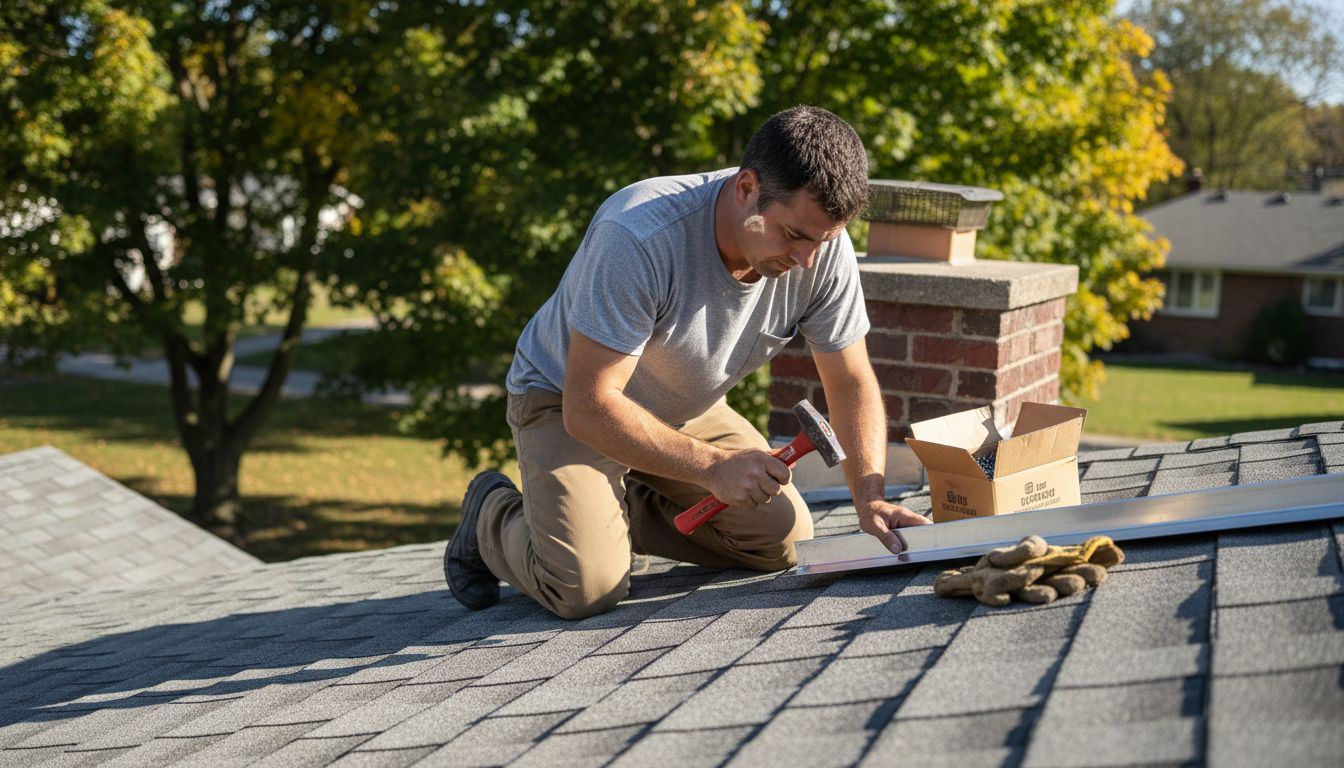
Asphalt roofing installation represents a complex process that requires precision, expertise, and careful attention to multiple technical considerations. Professional installation techniques involve several critical steps that ensure optimal performance and long-term durability of the roofing system. Proper preparation of the roof deck, precise alignment of underlayment, and strategic shingle placement are fundamental to creating a robust protective barrier against environmental challenges.
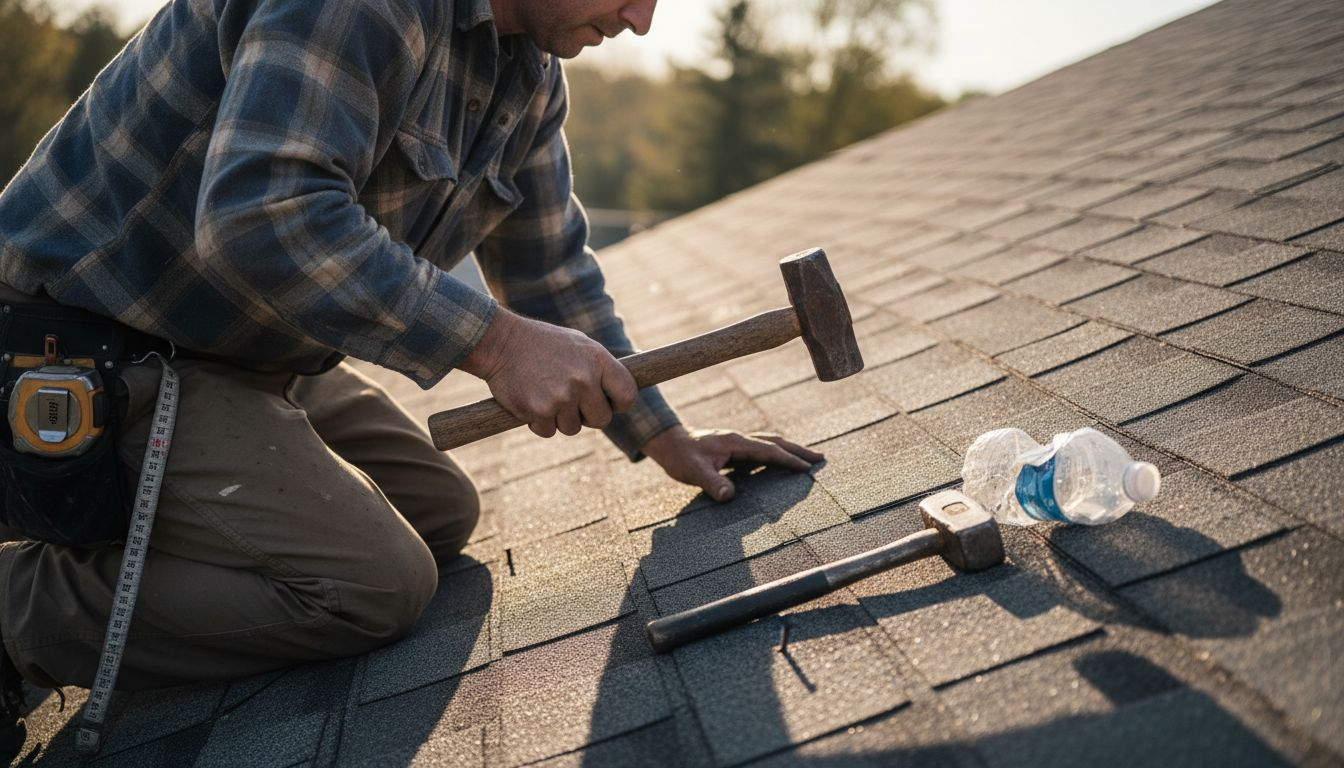
The performance of asphalt roofing is significantly influenced by multiple factors, including material quality, installation technique, and local climate conditions. Architectural specification guidelines highlight the importance of understanding regional weather patterns and selecting appropriate roofing materials. Professionally installed asphalt roofs can typically withstand wind speeds up to 110 miles per hour and provide reliable protection against rain, snow, and UV radiation.
Key installation steps for asphalt roofing include:
- Inspecting and preparing the roof deck
- Installing protective underlayment
- Applying starter strips along roof edges
- Laying shingles in precise overlapping patterns
- Securing with specialized roofing nails
- Applying ridge caps for additional protection
Performance characteristics of properly installed asphalt roofing include:
- Exceptional water resistance
- Effective thermal insulation
- Resistance to wind uplift
- Minimal maintenance requirements
- Predictable lifespan of 15-30 years
Pro Tip – Installation Precision: Always hire certified roofing professionals who understand local building codes and can ensure proper installation techniques that maximize your roof’s performance and longevity.
Key Benefits for Homeowners and Durability
Asphalt roofing represents an exceptional investment for homeowners, offering a remarkable combination of performance, affordability, and long-term protection. Comprehensive roofing research demonstrates that asphalt shingles provide unparalleled value, delivering robust protection while maintaining cost-effectiveness across various residential applications. The inherent design of these roofing systems ensures reliable defense against environmental challenges while supporting homeowners’ economic considerations.
The durability of asphalt roofing systems is particularly noteworthy, with modern manufacturing techniques dramatically enhancing their resilience and performance characteristics. Professional roofing assessments confirm that properly installed asphalt roofs can withstand extreme temperature variations, heavy precipitation, and significant wind loads. Homeowners can expect a predictable lifespan ranging from 15 to 30 years, depending on installation quality, material grade, and maintenance practices.
Key benefits for homeowners include:
- Exceptional cost-effectiveness
- Wide range of aesthetic styles
- Superior weather resistance
- Easy maintenance requirements
- Rapid installation process
- Excellent thermal insulation
- Noise reduction capabilities
Performance characteristics that enhance homeowner value:
- Resistant to algae and moss growth
- Minimal maintenance demands
- Energy-efficient design
- Adaptable to various architectural styles
- Lightweight construction
- Fire-resistant properties
Pro Tip – Long-Term Value: Regular professional inspections and timely maintenance can extend your asphalt roof’s lifespan by up to 50%, protecting your home and maximizing your initial investment.
Common Issues, Costs, and Maintenance Tips
Asphalt roofing, while highly durable, requires strategic maintenance and proactive problem detection to maximize its lifespan and performance. Professional roofing assessments reveal several common issues homeowners should monitor, including granule loss, shingle curling, and potential water damage. Understanding these potential problems enables timely interventions that can significantly extend the roof’s functional integrity and protect the overall home structure.
Cost considerations for asphalt roofing involve multiple factors, including material quality, installation complexity, and regional pricing variations. Architectural specification guidelines suggest that homeowners can expect average installation costs ranging from $3.50 to $7.50 per square foot, depending on specific shingle types and local market conditions. These costs can fluctuate based on roof complexity, geographic location, and chosen material grade.
Common issues homeowners should watch for include:
- Granule loss on shingle surfaces
- Curling or buckling shingle edges
- Cracked or missing shingles
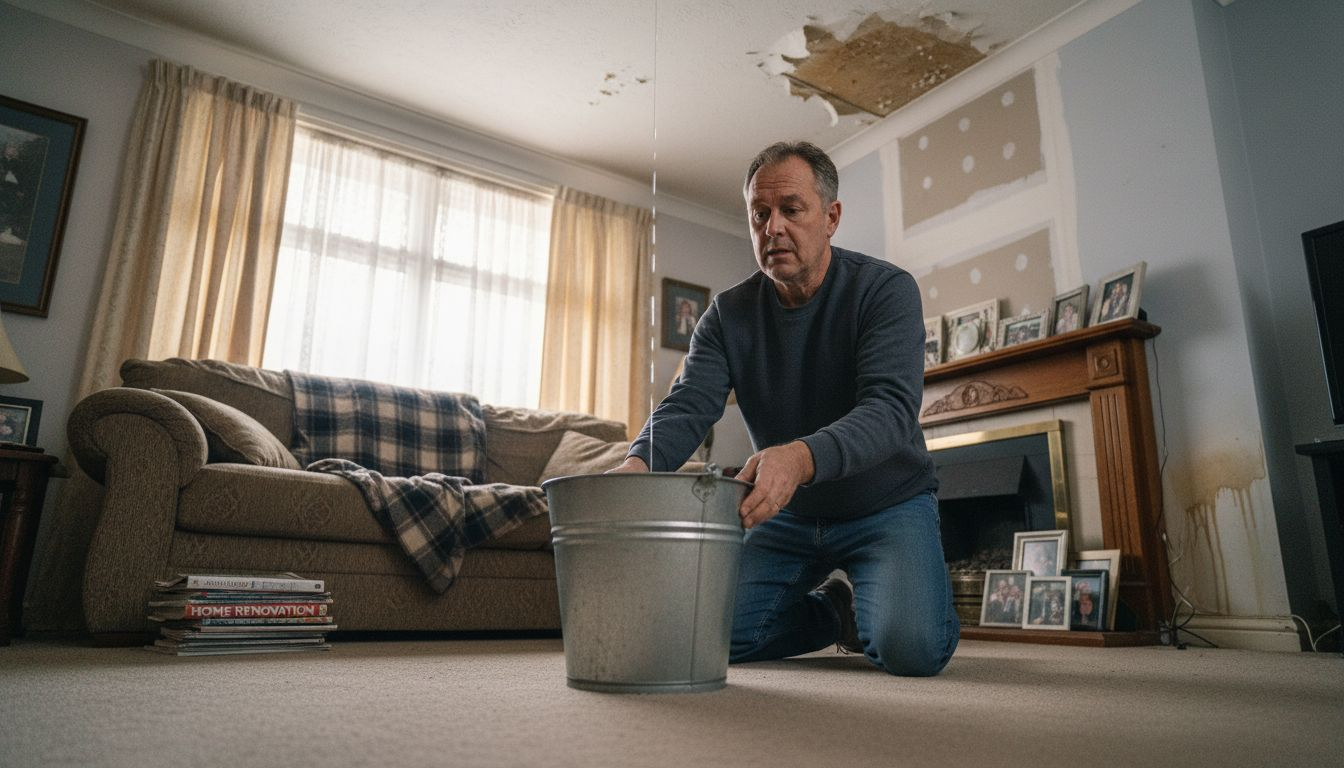
- Water stains on interior ceilings
- Moss or algae growth
- Damaged flashing
- Exposed or loose roofing nails
Maintenance strategies to prevent and address potential problems:
- Conduct biannual professional roof inspections
- Clean gutters and remove debris regularly
- Trim overhanging tree branches
- Address minor repairs immediately
- Check attic ventilation
- Monitor for signs of water damage
- Ensure proper roof drainage
Pro Tip – Preventative Care: Schedule professional roof inspections every six months and after major storm events to identify and address potential issues before they escalate into costly repairs.
Comparing Asphalt to Other Roofing Options
Comprehensive roofing material evaluations demonstrate that asphalt shingles offer a unique combination of advantages when compared to alternative roofing solutions. Unlike metal, slate, or clay tile roofing, asphalt provides an optimal balance between performance, affordability, and aesthetic versatility. Homeowners seeking practical roofing solutions find that asphalt shingles consistently outperform many competing materials in critical areas such as initial investment, installation complexity, and maintenance requirements.
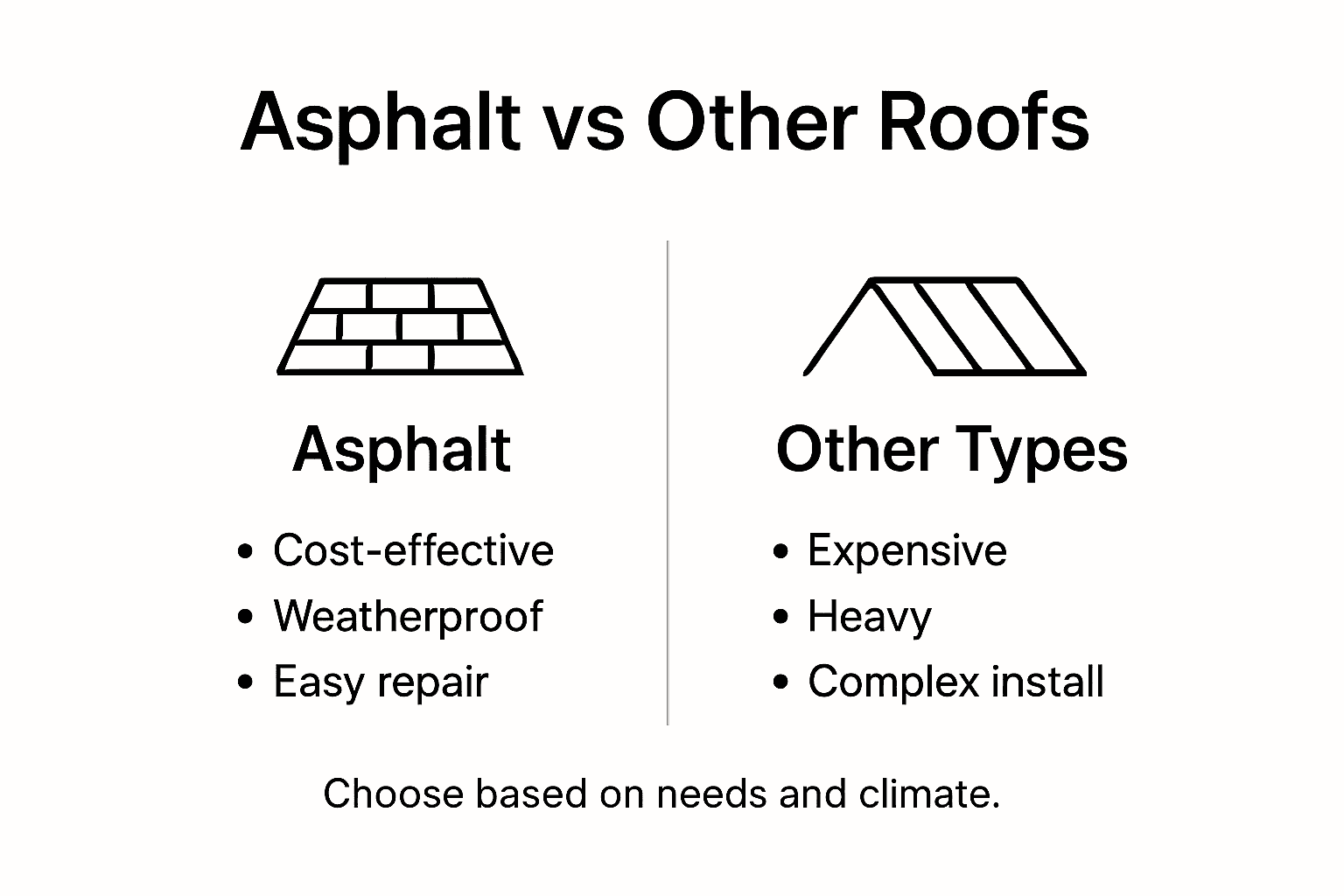
Architectural material comparisons reveal nuanced differences between roofing options that go beyond simple cost considerations. While premium materials like metal roofing might offer longer lifespans, they come with significantly higher upfront costs and more complex installation processes. Asphalt shingles, by contrast, provide a more accessible and adaptable roofing solution that meets the practical needs of most residential structures.
Comparative analysis across roofing materials shows:
-
Asphalt Shingles:
- Most affordable option
- Easy installation
- Wide color/style range
- 15-30 year lifespan
- Moderate maintenance
-
Metal Roofing:
- Higher initial cost
- 40-70 year lifespan
- More complex installation
- Superior durability
- Limited aesthetic options
-
Clay/Slate Tiles:
- Extremely expensive
- Very heavy
- Requires specialized installation
- 50-100 year potential lifespan
- Limited color options
Detailed performance comparisons highlight specific advantages:
This summary table highlights how asphalt roofing compares to other common options on major performance categories:
| Attribute | Asphalt Shingles | Metal Roofing | Clay/Slate Tiles |
|---|---|---|---|
| Average Cost/Sq.Ft. | $3.50 – $7.50 | $7.00 – $15.00 | $10.00 – $25.00 |
| Lifespan | 15 – 30 years | 40 – 70 years | 50 – 100 years |
| Installation Speed | Fast, 1–3 days | Moderate, 3–7 days | Slow, 1–2 weeks |
| Maintenance | Low, easy | Low to moderate | Minimal, but can be complex |
- Cost per square foot
- Wind resistance ratings
- Fire protection capabilities
- Energy efficiency
- Noise reduction
- Aesthetic flexibility
Pro Tip – Material Selection: Always consider your specific regional climate, home architecture, and long-term budget when selecting roofing materials, prioritizing performance characteristics over initial cost savings.
Protect Your Home with Expert Asphalt Roofing Solutions
Understanding what asphalt roofing is and why it matters helps you appreciate the importance of quality materials and skilled installation in protecting your home. Common challenges like wind resistance, water damage, and thermal insulation require professional attention to ensure your roof lasts for decades with minimal maintenance. At J. A. Kelly Contracting Services, we specialize in addressing these key concerns by delivering expertly installed asphalt roofing systems tailored to Moncton’s climate and your home’s unique needs.
Discover how we combine craftsmanship with premium roofing materials to provide exceptional durability, aesthetic appeal, and value for homeowners. Browse our Roofing Archives – J. A. Kelly Contracting Services to learn more about our services and see why so many local residents trust us. Ready to give your home the protection it deserves Use our easy booking feature at https://jakellycontractingservices.ca to schedule your free roof inspection today and start your journey toward a safer, more beautiful home with trusted experts. Explore our Home Renovation Archives – J. A. Kelly Contracting Services if you want to complement your new roof with other home improvements.
Frequently Asked Questions
What are the main benefits of asphalt roofing?
Asphalt roofing offers exceptional cost-effectiveness, a wide range of aesthetic styles, superior weather resistance, easy maintenance requirements, rapid installation, excellent thermal insulation, and noise reduction capabilities.
How long does asphalt roofing typically last?
Properly installed asphalt roofing systems can last between 15 to 30 years, depending on factors such as installation quality, material grade, and maintenance practices.
What are the different types of asphalt shingles?
The primary types of asphalt shingles include strip shingles (3-tab), laminated/architectural shingles, interlocking shingles, and individual shingles, each offering distinct advantages in terms of durability and visual appeal.
How is asphalt roofing installed?
Asphalt roofing installation involves several key steps: inspecting and preparing the roof deck, installing protective underlayment, applying starter strips, laying shingles in overlapping patterns, securing with roofing nails, and adding ridge caps for further protection.
Recommended
- 7 Essential Roofing Materials List for Homeowners Explained – J. A. Kelly Contracting Services
- Roofing Terminology Explained: Speak Like a Roofer – J. A. Kelly Contracting Services
- Role of Roofing Certifications – Why Homeowners Benefit – J. A. Kelly Contracting Services
- 7 Best Roofing Options 2025: Expert Choices for Homeowners – J. A. Kelly Contracting Services