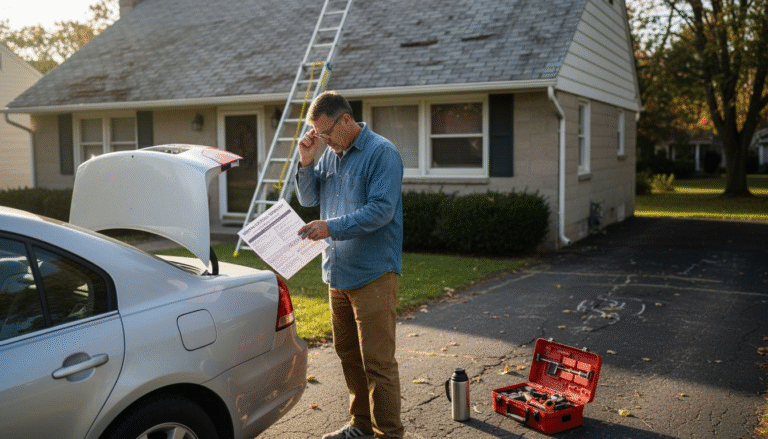
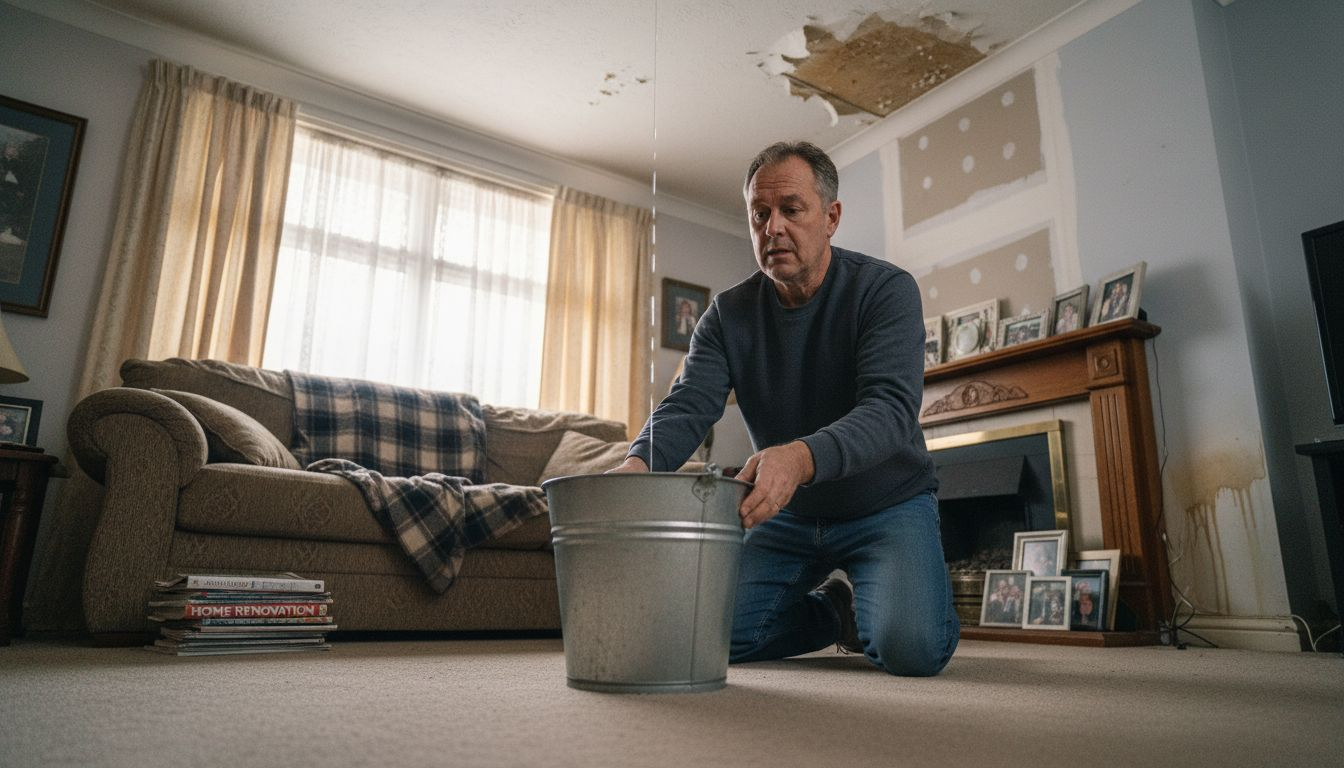

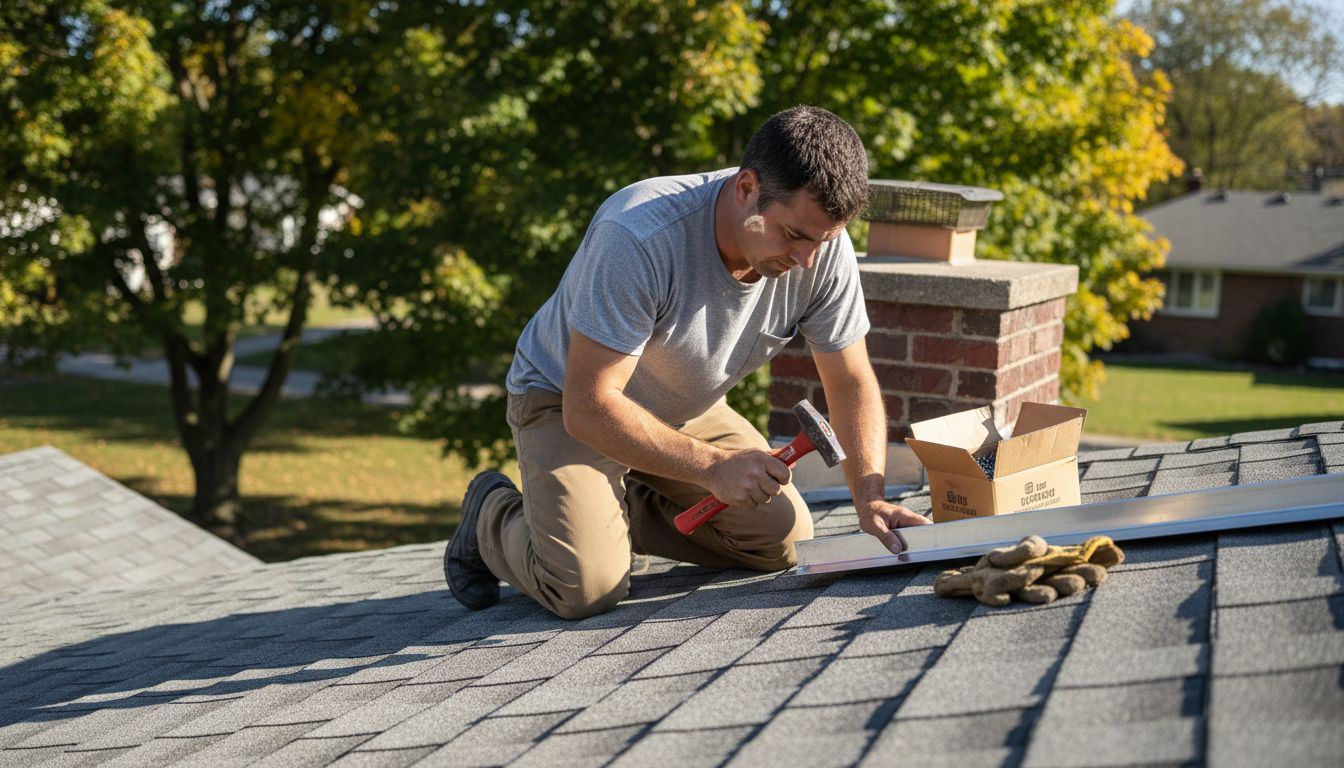


Many Canadian homeowners are surprised to learn that even the most robust american roofing warranties often come with unexpected gaps—nearly 60 percent of dissatisfied claims result from misunderstandings about coverage. In Moncton, New Brunswick, protecting your home starts with clear information. Knowing what your roofing warranty actually covers can prevent frustration, wasted money, and headaches down the line so you can make a confident, informed decision before your next roof replacement.
Table of Contents
- Defining Roofing Warranties And Common Misconceptions
- Key Types Of Roofing Warranties Explained
- What Roofing Warranties Typically Cover
- Exclusions, Limitations, And Void Scenarios
- Claim Procedures And Homeowner Responsibilities
Key Takeaways
| Point | Details |
|---|---|
| Understanding Warranty Types | Homeowners should recognize the differences between manufacturer warranties, workmanship warranties, and extended coverage options to ensure appropriate protection. |
| Recognizing Exclusions | It is crucial to read the fine print of roofing warranties, as many contain specific exclusions that can void coverage, leading to unexpected expenses. |
| Documentation is Essential | Maintaining thorough documentation of maintenance and repairs is critical for successful warranty claims and to prevent potential denial of coverage. |
| Proactive Engagement | Homeowners must engage proactively by conducting regular inspections and prompt reporting of issues to uphold warranty validity. |
Defining Roofing Warranties and Common Misconceptions
A roofing warranty represents a promise of performance and protection for homeowners, covering potential defects or failures in materials or installation. While many assume warranties offer comprehensive coverage, the reality is far more nuanced. Common misconceptions about roofing warranties often lead homeowners to false expectations about what financial protection they actually receive.
Roofing warranties typically fall into two primary categories: manufacturer warranties and workmanship warranties. Manufacturer warranties cover defective roofing materials and usually range from 10 to 50 years, depending on the product quality. Workmanship warranties, provided by the installation contractor, cover installation errors and typically last between 2 to 10 years. Understanding the distinctions between these warranty types is critical, as each provides different levels of protection and has unique limitations.
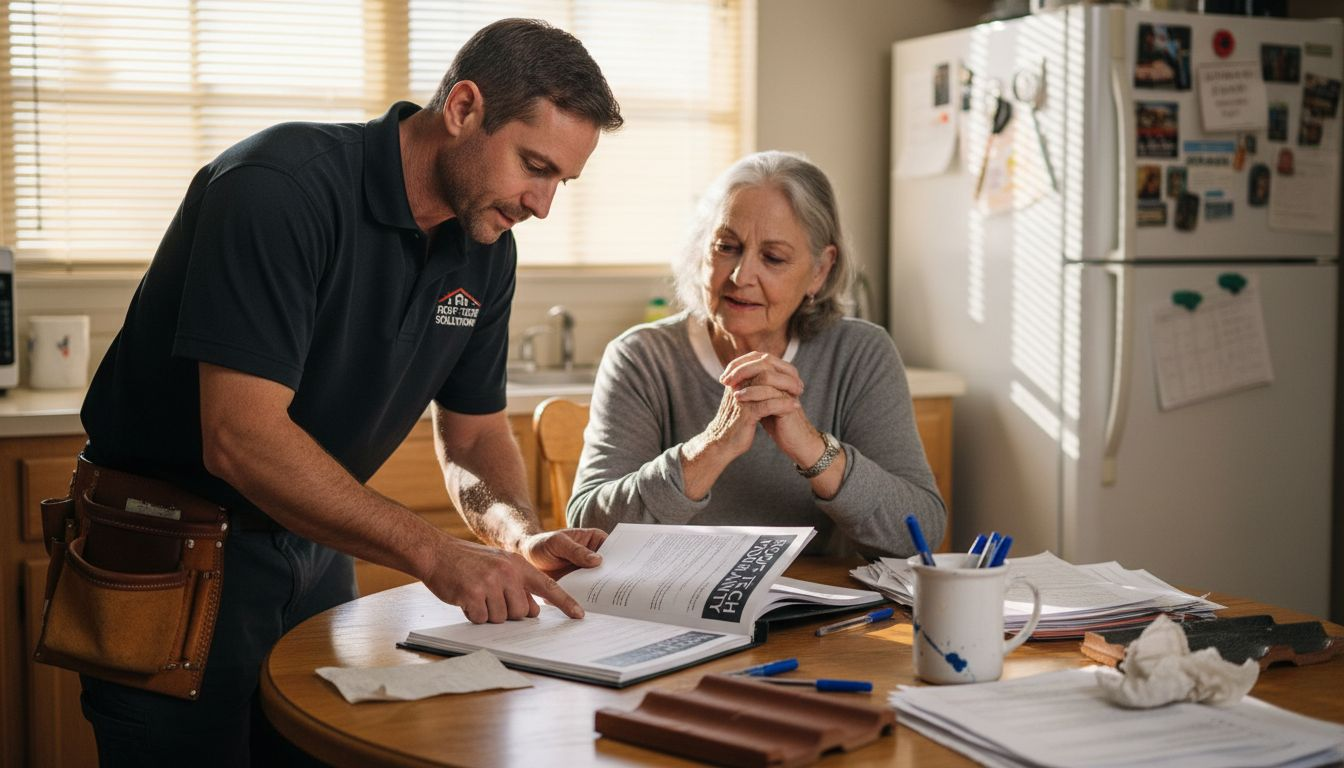
Homeowners frequently misunderstand warranty terms, believing that longer warranty periods automatically translate to better protection. However, industry experts emphasize that warranty length does not necessarily guarantee comprehensive coverage. Many warranties contain specific exclusions for certain types of damage, such as issues caused by improper maintenance, severe weather events, or non-approved modifications. Reading the fine print and understanding exact warranty conditions is essential to avoid unexpected out-of-pocket expenses.
Pro Tip – Warranty Savvy: Always request a complete copy of the warranty documentation before signing any roofing contract, and ask your contractor to clearly explain what is and is not covered in straightforward language.
Key Types of Roofing Warranties Explained
Roofing warranties provide critical protection for homeowners, with three primary types emerging as most significant: manufacturer material warranties, workmanship warranties, and extended coverage options. Manufacturer material warranties specifically cover roofing materials against premature failure, defects, or unexpected deterioration. These warranties typically range from 10 to 50 years and depend heavily on the quality and grade of roofing materials used in the installation process.
Workmanship warranties represent a separate but equally important protection mechanism. Contractors offering comprehensive roofing certifications often provide warranties that cover installation errors, potential leaks, and improper application techniques. These warranties usually span 2 to 10 years and protect homeowners against problems arising from poor installation practices. Unlike material warranties, workmanship warranties focus on the quality of labor and installation precision.
Extended warranties represent a more comprehensive protection strategy, often combining manufacturer and contractor coverage. These advanced warranty options might include additional clauses covering labor, materials, and potential consequential damages. Homeowners should carefully review the specific terms, understanding exactly what scenarios are covered and what potential exclusions might exist. Some extended warranties require specific maintenance schedules and professional inspections to remain valid, making proactive roof care essential.
Pro Tip – Warranty Protection: Request a detailed, written breakdown of your warranty coverage during initial consultations, ensuring you understand the exact terms, duration, and specific conditions of your roofing warranty before final installation.
Here’s a quick comparison of the main types of roofing warranties and what they typically cover:
| Warranty Type | Main Coverage Focus | Typical Duration | Key Exclusion Example |
|---|---|---|---|
| Manufacturer | Material defects | 10 to 50 years | Improper maintenance |
| Workmanship | Installation errors | 2 to 10 years | Unauthorized modifications |
| Extended/Comprehensive | Materials and labor | 10 to 50 years+ | Failure to follow maintenance |
What Roofing Warranties Typically Cover
Roofing warranties offer comprehensive protection across multiple aspects of roof performance, with coverage typically divided into specific categories addressing material defects, installation quality, and potential systemic failures. Material coverage represents the foundational protection, addressing manufacturing flaws and premature degradation of roofing components. Most manufacturer warranties will cover scenarios like unexpected shingle cracking, granule loss, or structural breakdown that occurs within the specified warranty period.
Installation-related coverage forms another critical component of roofing warranties. Roofing maintenance tips highlight the importance of proper installation techniques that directly impact warranty validity. Workmanship warranties typically protect against installation errors such as improper nail placement, incorrect flashing techniques, or inadequate sealing that could compromise roof integrity. These warranties ensure homeowners are protected against potential leaks, water damage, and structural compromises resulting from substandard installation practices.
Comprehensive warranties often include additional protections beyond basic material and installation coverage. These advanced warranties might encompass consequential damage protection, covering interior damage caused by roof failures, prorated material replacement costs, and sometimes even labor expenses for repairs. However, warranties frequently include specific exclusions such as damage from severe weather events, improper maintenance, unauthorized modifications, or normal wear and tear. Homeowners must carefully review warranty documentation to understand exact coverage parameters and potential limitations.
Pro Tip – Warranty Understanding: Request a comprehensive, written breakdown of your warranty’s specific coverage details, exclusions, and maintenance requirements during your initial roofing consultation to avoid future misunderstandings.
Exclusions, Limitations, and Void Scenarios
Roofing warranties contain numerous complex exclusions that can potentially void coverage, creating significant financial risks for homeowners who fail to understand their contractual obligations. Warranty invalidation typically occurs through several predictable mechanisms, including improper maintenance, unauthorized modifications, and failure to document required professional inspections. Detailed warranty exclusion analysis reveals that most manufacturers establish strict compliance requirements to protect themselves from unwarranted repair claims.

Common exclusion scenarios encompass a wide range of potential issues that can compromise warranty protection. Unauthorized repairs performed by non-certified contractors, installation of additional rooftop equipment without manufacturer approval, and neglecting recommended maintenance schedules can immediately trigger warranty cancellation. Severe weather events, while sometimes covered, often require specific documentation and prompt reporting to remain within warranty parameters. Homeowners must meticulously track all roof-related interventions, maintaining comprehensive records of professional inspections, repairs, and maintenance activities.
Warranty limitations research demonstrates that most manufacturers include precise conditions for coverage continuation. These conditions frequently include requirements for periodic professional inspections, strict adherence to manufacturer-recommended maintenance protocols, and immediate reporting of potential damage. Some warranties include prorated coverage that diminishes over time, meaning repair or replacement costs shift increasingly to the homeowner as the roof ages. Certain environmental factors like extreme temperature fluctuations, chemical exposures, or structural movements can also create complex scenarios that potentially limit or invalidate warranty protection.
Pro Tip – Warranty Preservation: Maintain a dedicated file documenting every roof-related interaction, including maintenance records, professional inspections, and communication with contractors to protect your warranty coverage.
Claim Procedures and Homeowner Responsibilities
Successful warranty claims require a systematic and well-documented approach that demands proactive engagement from homeowners. Warranty claim initiation involves several critical steps that begin long before an actual roof problem emerges. Comprehensive roof repair guides emphasize the importance of maintaining detailed documentation of all roof-related interactions, inspections, and maintenance activities as fundamental to potential future claims.
The typical warranty claim procedure involves multiple stages of documentation and verification. Homeowners must first conduct a thorough initial assessment of the roof damage, capturing high-quality photographs and detailed written descriptions of the observed issues. Contacting the warranty provider promptly is crucial, as most warranties impose strict time limitations for reporting potential defects. Professional roof inspection reports from certified contractors serve as critical supporting documentation, providing independent verification of material or installation failures that might qualify for warranty coverage.
Homeowner responsibilities extend far beyond simply filing a claim. Manufacturers and contractors typically require rigorous proof of regular maintenance, including professional annual inspections, prompt repairs of minor damages, and adherence to specific care guidelines. Some warranties mandate using authorized contractors for repairs, and utilizing unauthorized service providers can immediately void warranty protection. Renovation contract guidelines highlight the importance of understanding the precise terms and conditions that govern warranty claims, including specific documentation requirements, approved repair methodologies, and potential limitations on coverage.
Below is a summary of common reasons roofing warranty claims can be denied and the supporting documentation homeowners should keep:
| Claim Denial Cause | Required Homeowner Documentation |
|---|---|
| Missed maintenance | Dated inspection and maintenance reports |
| Non-certified repairs | Receipts from approved contractors |
| Delayed damage reporting | Immediate photo evidence and claim records |
| Unauthorized roof changes | Written manufacturer approval for changes |
Pro Tip – Claim Preparation: Create a dedicated digital and physical file documenting every roof-related interaction, storing inspection reports, maintenance records, and communication logs in a readily accessible format to streamline potential future warranty claims.
Protect Your Investment With Expert Roofing Solutions
Understanding exactly what your roofing warranty covers can be confusing and leaves many homeowners unsure about their protection. Common challenges include navigating exclusions, maintaining required inspections, and avoiding void scenarios. If you want peace of mind knowing your roof is installed with top-quality workmanship and backed with clear, reliable warranties then expert guidance is essential.
Discover how our professional team at J. A. Kelly Contracting Services helps you avoid warranty pitfalls through meticulous installation and transparent communication. Visit our Roofing Archives to learn more about warranty essentials and roofing maintenance. Ready to protect your home with a trusted local contractor offering certified workmanship and detailed warranty explanations? Contact us today for a free estimate and secure your roofing investment with confidence.
Frequently Asked Questions
What is a roofing warranty?
A roofing warranty is a promise of performance and protection for homeowners, covering potential defects or failures in roofing materials or installation practices.
What are the main types of roofing warranties?
The main types of roofing warranties are manufacturer warranties, which cover material defects, and workmanship warranties, which cover installation errors. Extended warranties may combine both types of coverage.
How long do roofing warranties typically last?
Manufacturer warranties typically last between 10 to 50 years, while workmanship warranties usually span 2 to 10 years, depending on the contractor and terms.
What should homeowners be aware of regarding warranty exclusions?
Homeowners should be aware that many warranties contain exclusions that can void coverage, such as improper maintenance, unauthorized modifications, and failure to follow specific inspection or reporting guidelines.
Recommended
- Role of Roofing Certifications – Why Homeowners Benefit – J. A. Kelly Contracting Services
- Timely Roof Repairs: Complete Guide for Homeowners – J. A. Kelly Contracting Services
- Why Choose Certified Contractors: Benefits for Homeowners – J. A. Kelly Contracting Services
- Roofing Terminology Explained: Speak Like a Roofer – J. A. Kelly Contracting Services