



More than 75 percent of American homes will face at least one major roofing issue over the lifespan of their roof. With unpredictable weather and a wide range of building styles, every roof tells a unique story about its durability and hidden vulnerabilities. Knowing what a roofing inspection involves empowers homeowners to catch costly trouble early, avoid future headaches, and protect their most valuable investment.
Table of Contents
- What A Roofing Inspection Involves
- Types Of Roofing Inspections Explained
- Step-By-Step Roofing Inspection Process
- Common Issues Uncovered During Inspections
- Risks, Costs, And Value For Homeowners
Key Takeaways
| Point | Details |
|---|---|
| Regular Inspections Are Crucial | Schedule professional roofing inspections every six months to catch issues early and maintain roof longevity. |
| Types of Inspections Vary | Understand the distinct purposes of routine maintenance, post-storm assessments, and real estate transaction inspections to choose the right type for your needs. |
| Document Findings Thoroughly | Always request a detailed written report after inspections to track roof condition and maintenance needs effectively. |
| Neglect Can Be Costly | Proactively addressing minor issues through regular inspections can prevent expensive repairs and preserve home value. |
What a Roofing Inspection Involves
A roofing inspection is a comprehensive assessment of your home’s roof system, designed to evaluate its current condition, identify potential problems, and prevent costly future damage. Professional roofing experts methodically examine multiple components to ensure structural integrity and performance.
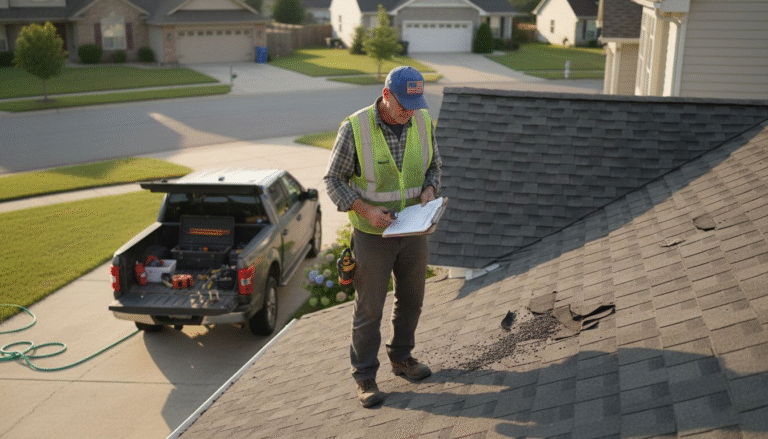
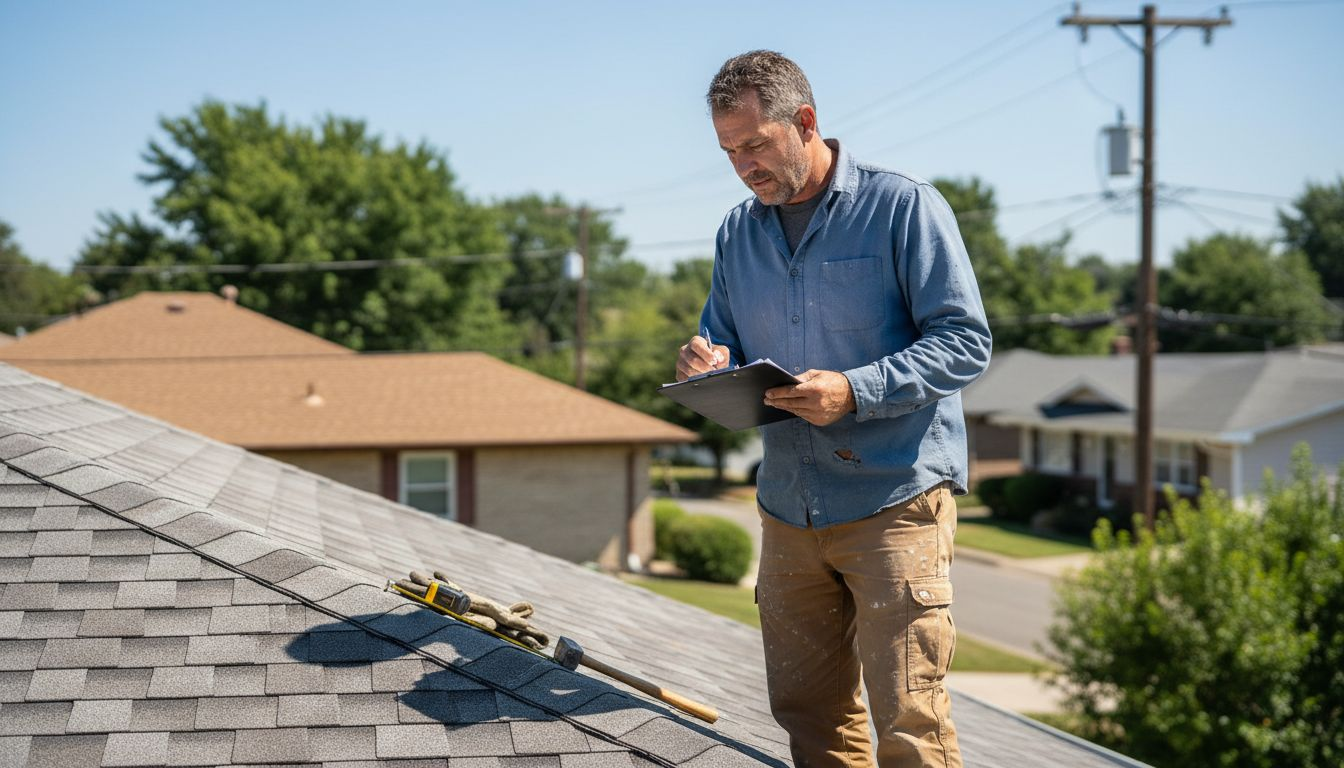
Typically, a professional roofing inspection involves several critical stages. Inspectors start with a detailed exterior examination, carefully checking asphalt shingles for signs of wear and damage, including granule loss, cracking, or missing tiles. They also scrutinize critical areas like flashing around chimneys, vents, and skylights, which are common points of potential water infiltration. Inspectors use specialized tools and techniques to detect subtle signs of wear that untrained eyes might miss.
The interior component of a roofing inspection is equally crucial. Professionals will examine your attic space, looking for indicators of moisture damage, inadequate ventilation, and potential structural compromises. They check for signs like water stains, mold growth, wood rot, and insulation problems that could signify underlying roofing issues. Biannual inspections help identify potential problems before they escalate, allowing homeowners to address minor repairs before they become expensive renovations.
Pro Roof Maintenance Tip: Schedule professional roof inspections every six months, preferably in spring and fall, to catch potential issues early and maintain your roof’s longevity and performance.
Types of Roofing Inspections Explained
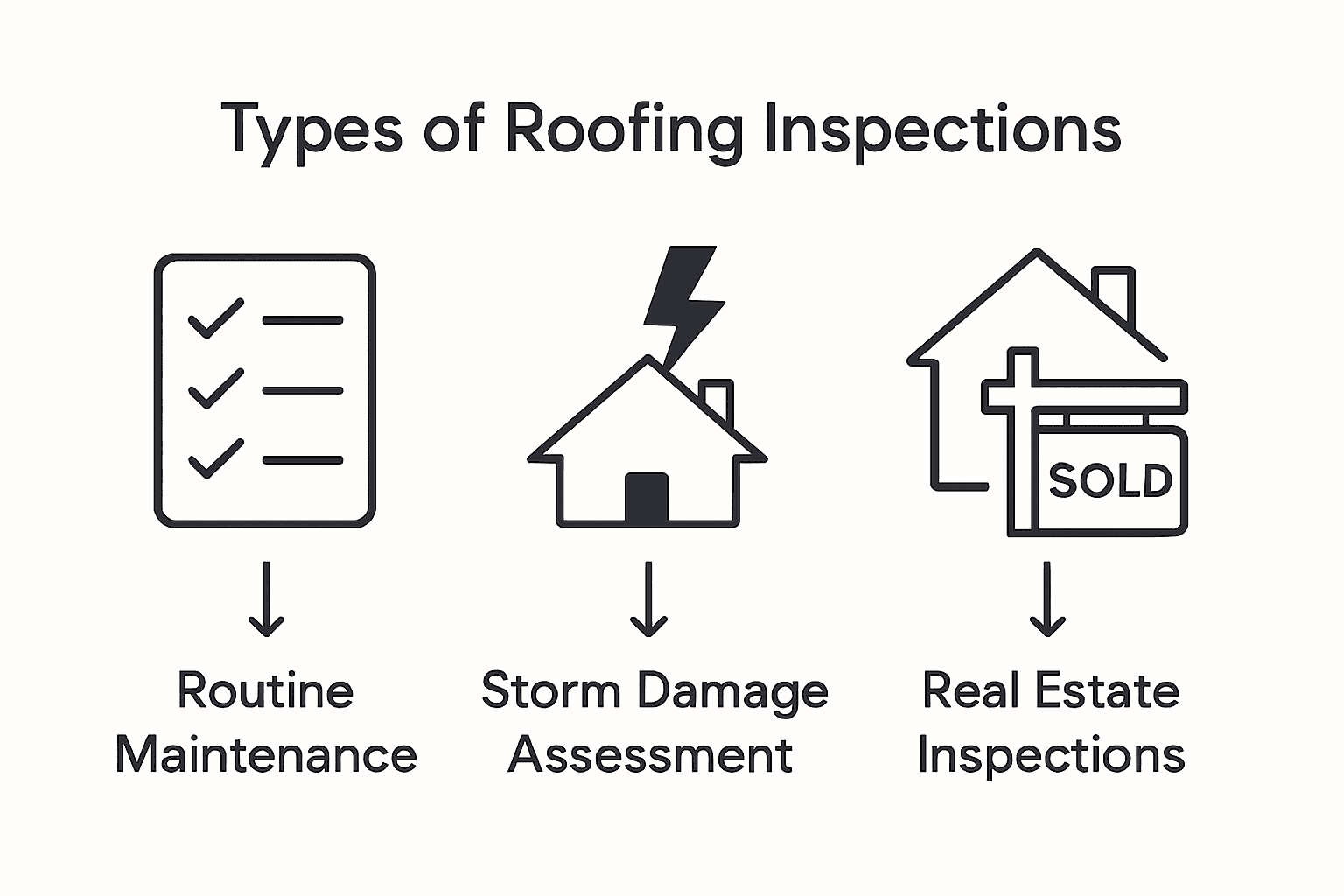
Roofing inspections are not a one-size-fits-all process. Different types of assessments serve unique purposes, helping homeowners and professionals understand and maintain roof health through targeted evaluations. Understanding these variations can help you choose the most appropriate inspection for your specific needs.
The first category is the routine maintenance inspection, which follows systematic protocols for identifying potential roof issues. These standard evaluations typically occur biannually and involve comprehensive exterior and interior assessments. Inspectors examine shingle conditions, check for structural integrity, evaluate drainage systems, and look for early signs of wear or damage. Homeowners often schedule these inspections in spring and fall to proactively address potential problems before extreme weather seasons.
Another critical type is the post-storm or damage assessment. After significant weather events like hailstorms, heavy winds, or severe snowfall, specialized roof inspections become crucial. These targeted evaluations focus on identifying immediate and potential long-term damage that might not be visible to an untrained eye. Professional inspectors use detailed checklists to comprehensively document roof conditions, which can be essential for insurance claims and future repair planning.
Additionally, real estate transaction inspections represent another important category. When buying or selling a property, a specialized roof inspection helps determine the roof’s current condition, remaining lifespan, and potential replacement costs. These assessments provide critical information that can influence property valuations, negotiate repair responsibilities, or determine necessary investments.
Pro Maintenance Insight: Always request a detailed written report after any roof inspection, documenting the current condition, potential issues, and recommended next steps for maintaining your roof’s integrity.
Here’s a comparison of the main types of roofing inspections and when to use each:
| Inspection Type | Primary Purpose | Best Time to Schedule |
|---|---|---|
| Routine Maintenance | Detect early wear and tear | Spring and fall each year |
| Post-Storm/Damage Assessment | Identify recent weather damage | Immediately after major storms |
| Real Estate Transaction | Assess roof for property transfer | Before buying or selling home |
Step-By-Step Roofing Inspection Process
A professional roofing inspection is a systematic process that requires careful planning, specialized equipment, and expert knowledge. Understanding each stage helps homeowners appreciate the complexity and thoroughness of a comprehensive roof evaluation.
The inspection begins with an exterior assessment, where professionals follow detailed protocols for identifying potential roof issues. Inspectors start by conducting a visual survey of the roof’s surface, checking for visible damage like cracked or missing shingles, granule loss, and overall surface condition. They carefully examine critical areas such as roof edges, valleys, and penetration points like chimneys and vents. Special attention is paid to flashing, which prevents water intrusion at junction points, ensuring these vulnerable areas remain watertight and intact.
Professional roof inspectors systematically document each aspect of the roof’s condition, moving from exterior evaluation to a comprehensive interior assessment. This involves examining the attic space for signs of water damage, checking insulation quality, and assessing ventilation systems. Inspectors look for subtle indicators of potential problems, such as water stains, mold growth, wood rot, or improper moisture levels that could compromise the roof’s structural integrity.
The final stage involves a detailed report and recommendation process. Inspectors compile their findings, categorizing issues by severity and potential long-term impact. They provide homeowners with a comprehensive overview of the roof’s current condition, highlighting immediate repair needs, potential future maintenance requirements, and estimated lifespan projections. This documentation serves as a critical tool for proactive home maintenance, helping homeowners make informed decisions about roof repairs and replacements.
Pro Maintenance Insight: Request a digital copy of the inspection report with high-resolution photographs, which can help you track your roof’s condition over time and serve as valuable documentation for insurance and future repair purposes.
Common Issues Uncovered During Inspections
Roofing inspections reveal a wide array of potential problems that can compromise a home’s structural integrity and protection. Understanding these common issues helps homeowners proactively address roof maintenance before minor concerns escalate into costly repairs.
Professional roof inspectors systematically document exterior surface damages, with shingle deterioration being one of the most frequent findings. Inspectors look for signs of granule loss, cracking, curling, and missing tiles that indicate advanced wear. These surface problems can expose the underlying roof structure to moisture, leading to more significant structural challenges. Damaged shingles compromise the roof’s ability to repel water effectively, creating potential entry points for leaks and water damage.
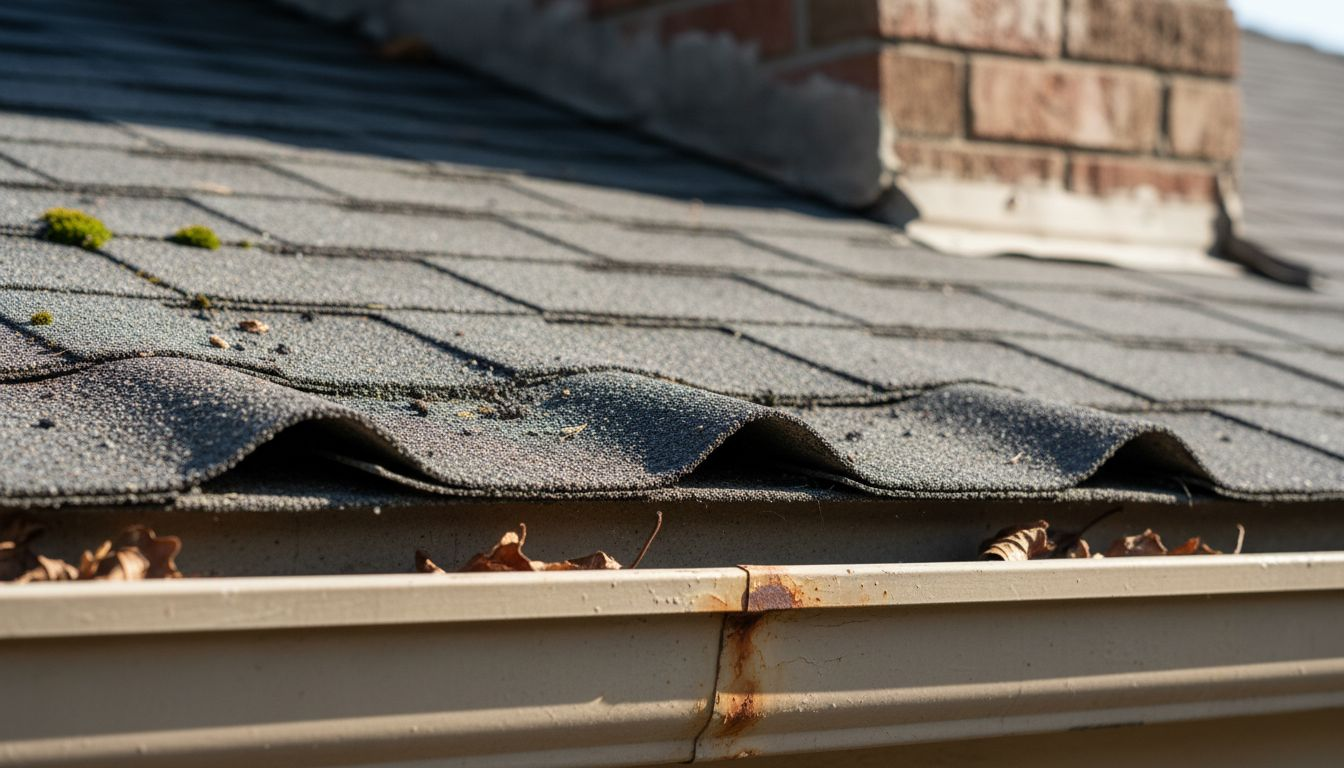
Drainage and moisture-related issues represent another critical category of roof problems, often discovered during comprehensive inspections. Improper drainage can lead to water pooling, which accelerates roof deterioration and increases the risk of leaks. Inspectors carefully examine gutters, downspouts, and roof valleys to ensure water can flow freely away from the home. They also check for signs of water damage like wood rot, mold growth, and moisture stains in the attic, which can indicate long-standing drainage or ventilation problems that might require immediate attention.
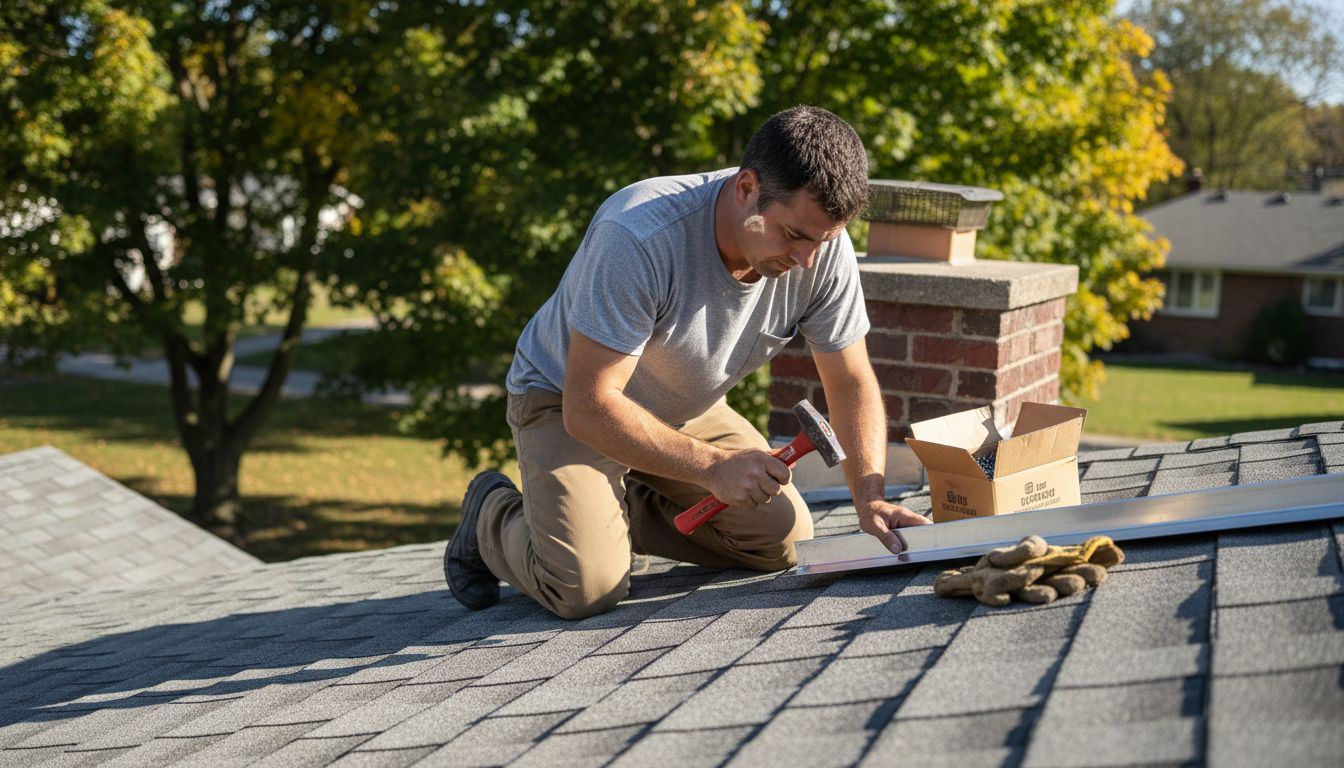
Structural issues like damaged flashing, compromised roof seals, and weakened support structures also frequently emerge during professional inspections. These problems can be subtle and difficult for homeowners to detect without specialized knowledge. Inspectors look for signs of separation around chimneys, vents, and skylights, where water can potentially infiltrate the roofing system. They assess the overall structural integrity, checking for sagging areas, wood deterioration, and potential points of structural weakness that could compromise the roof’s long-term performance.
Pro Maintenance Insight: Photograph and document any areas of concern identified during an inspection, creating a visual timeline that can help track your roof’s condition and provide valuable evidence for future repair or insurance purposes.
This table summarizes common roofing issues and their potential consequences:
| Issue Category | Typical Signs Detected | Possible Long-Term Impact |
|---|---|---|
| Shingle Deterioration | Cracking, curling, granule loss | Water infiltration, structural decay |
| Drainage Problems | Pooling, clogged gutters | Mold growth, wood rot, leaks |
| Structural Deficiency | Sagging, weak flashing | Compromised support, higher expenses |
Risks, Costs, and Value for Homeowners
Homeowners often underestimate the financial implications of roof maintenance, viewing inspections as an unnecessary expense rather than a critical investment in their property’s long-term value. Understanding the potential risks and economic impacts of roof care can help transform this perspective from a cost burden to a strategic financial decision.
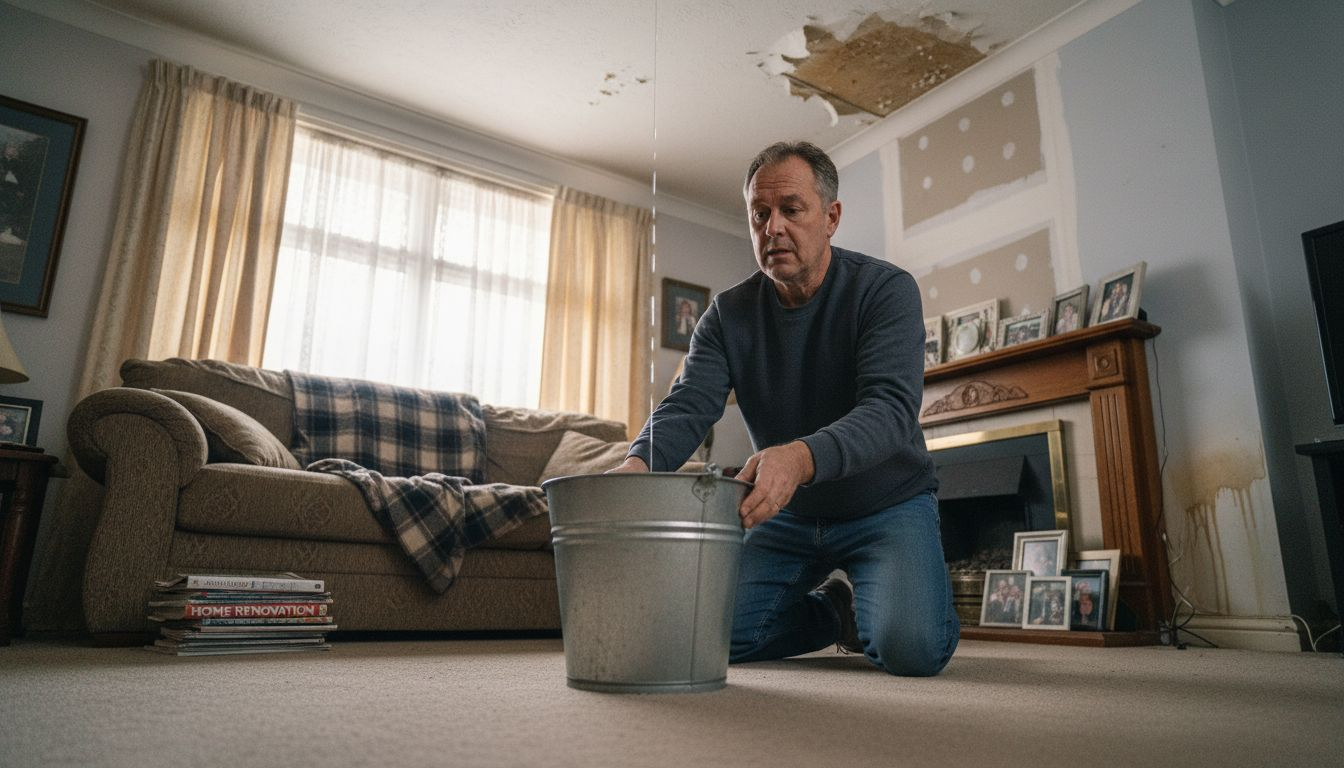
Neglecting routine roof inspections can lead to exponentially increasing repair costs, with minor issues quickly escalating into major structural problems. A small leak left unaddressed might cost a few hundred dollars to repair initially, but can balloon into thousands of dollars in water damage, structural repairs, and potential interior renovation expenses. The cumulative financial risk of postponing professional inspections far outweighs the modest investment required for regular maintenance, making proactive roof care a smart economic strategy for homeowners.
Professional roof inspections provide substantial long-term value by preserving a home’s structural integrity and market value. Insurance companies often view well-maintained roofs favorably, potentially leading to reduced premiums and easier claims processing. Moreover, a documented history of regular professional inspections can significantly enhance a property’s resale value, serving as tangible evidence of responsible homeownership. Potential buyers recognize the importance of a well-maintained roof and are more likely to view a property positively when comprehensive maintenance records are available.
Pro Maintenance Insight: Create a dedicated digital folder to store all roof inspection reports, photographs, and repair records, which can serve as valuable documentation for insurance claims, potential sales, and tracking your roof’s maintenance history.
Ensure Your Roof’s Health with Expert Inspection and Care
A roofing inspection is essential for protecting your home from costly damage and unexpected repairs. This article highlights common challenges such as detecting shingle deterioration, drainage problems, and structural deficiencies before they escalate. Understanding these risks helps homeowners avoid expensive renovations and maintain the roof’s longevity with early detection and professional assessment.
At J. A. Kelly Contracting Services, we specialize in thorough roof inspections and high-quality roofing solutions tailored to your needs in Moncton, New Brunswick. Our experienced team uses detailed checklists to identify issues like damaged flashing and granule loss and provides clear, actionable reports. By scheduling routine inspections with us, you can safeguard your home and enhance its value while enjoying peace of mind.
Don’t wait for leaks or storms to cause serious damage. Visit our Roofing Archives – J. A. Kelly Contracting Services to learn more about our roofing services and schedule your professional inspection today. Protect your home and investment by booking a free estimate through our website at J. A. Kelly Contracting Services. Take control of your home maintenance with expert help from a trusted local contractor focused on quality and customer satisfaction. For related home upgrades, explore our Home Renovation Archives – J. A. Kelly Contracting Services and see how we can partner with you on your next home improvement project.
Frequently Asked Questions
What is involved in a roofing inspection?
A roofing inspection typically includes a thorough examination of both the exterior and interior components of your roof. Inspectors check for visible damage to shingles, flashing, and drainage systems, and they assess the attic for signs of moisture issues or structural compromise.
How often should I schedule a roofing inspection?
It is recommended to schedule professional roofing inspections every six months, ideally in the spring and fall, to catch potential issues early and extend the life of your roof.
What are the common issues discovered during a roofing inspection?
Common issues identified during inspections include shingle deterioration, drainage problems, and structural deficiencies such as weakened flashing or rotting wood, all of which can lead to significant damage if left unaddressed.
Why are roofing inspections important for homeowners?
Roofing inspections are crucial for homeowners as they help identify minor issues before they escalate into costly repairs, preserve the long-term value and integrity of the home, and can positively affect insurance premiums and property resale value.
Recommended
- Role of Roofing Certifications – Why Homeowners Benefit – J. A. Kelly Contracting Services
- 7 Essential Roofing Maintenance Tips Every Homeowner Should Know – J. A. Kelly Contracting Services
- Roofing Installation Guide: Step-By-Step for Homeowners – J. A. Kelly Contracting Services
- What Is a Roofing Estimate? Complete Breakdown – J. A. Kelly Contracting Services