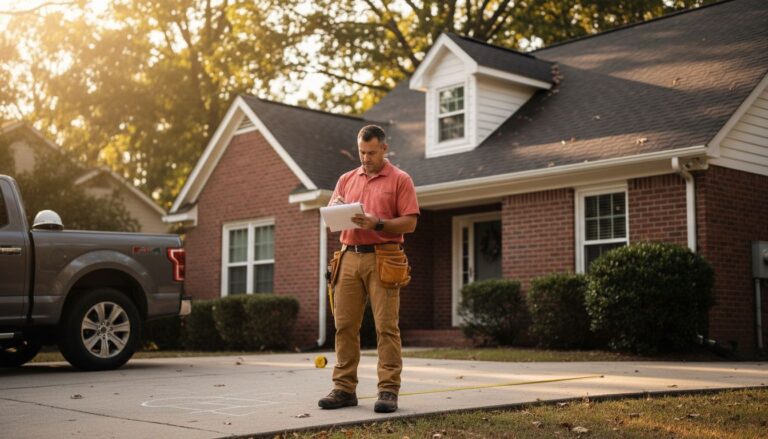
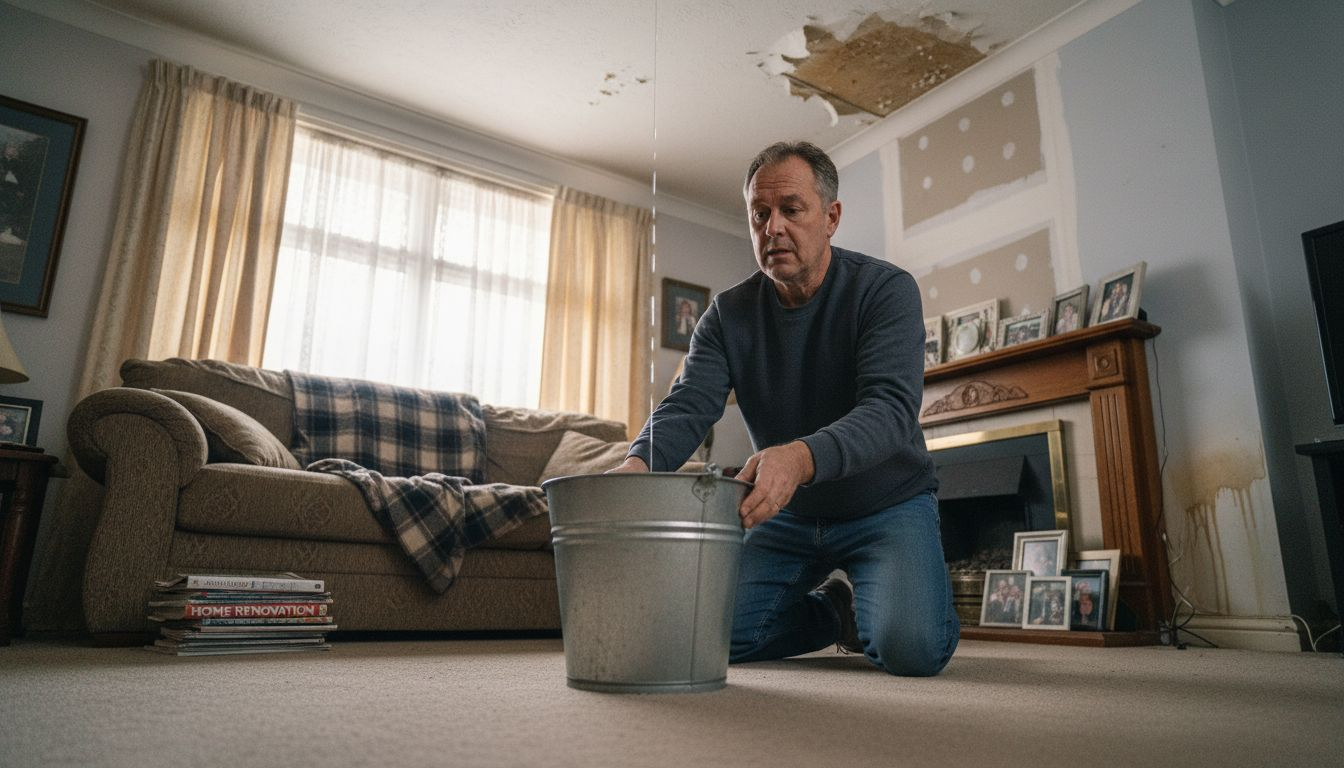

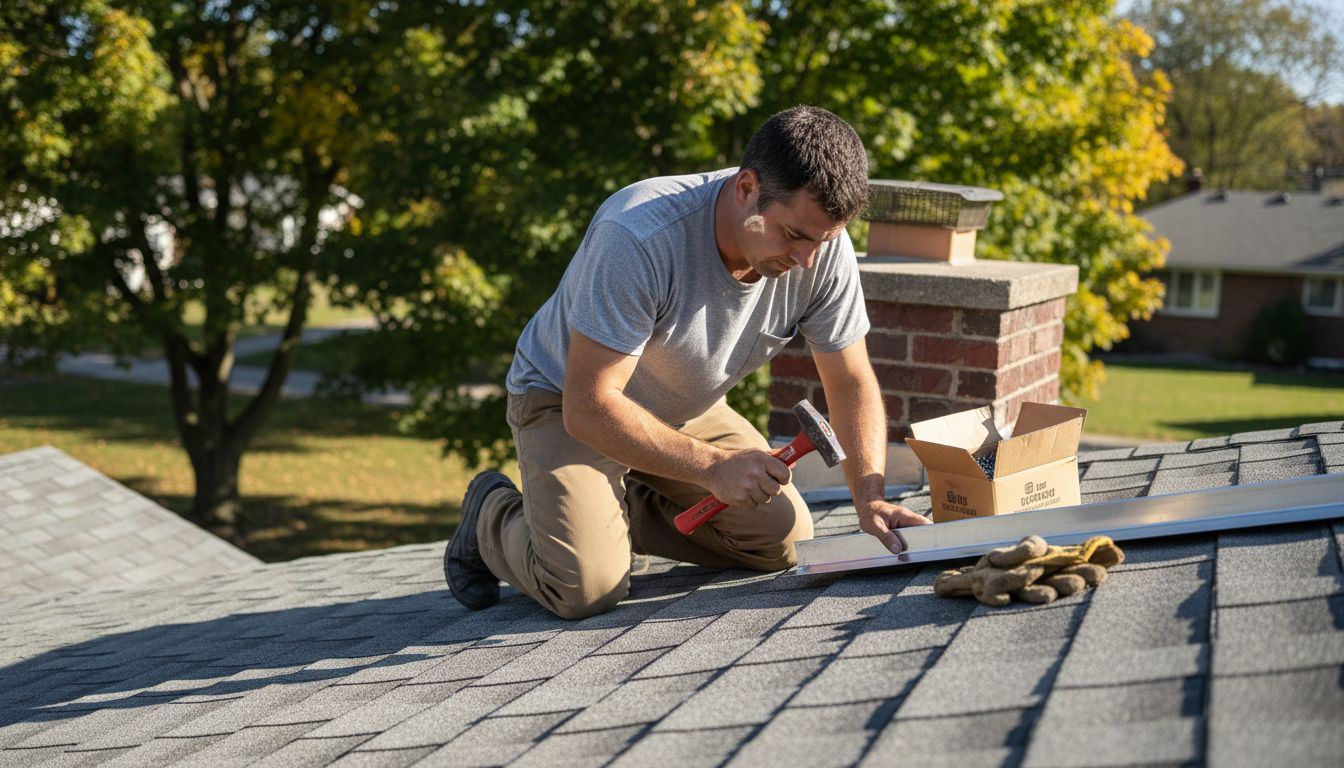



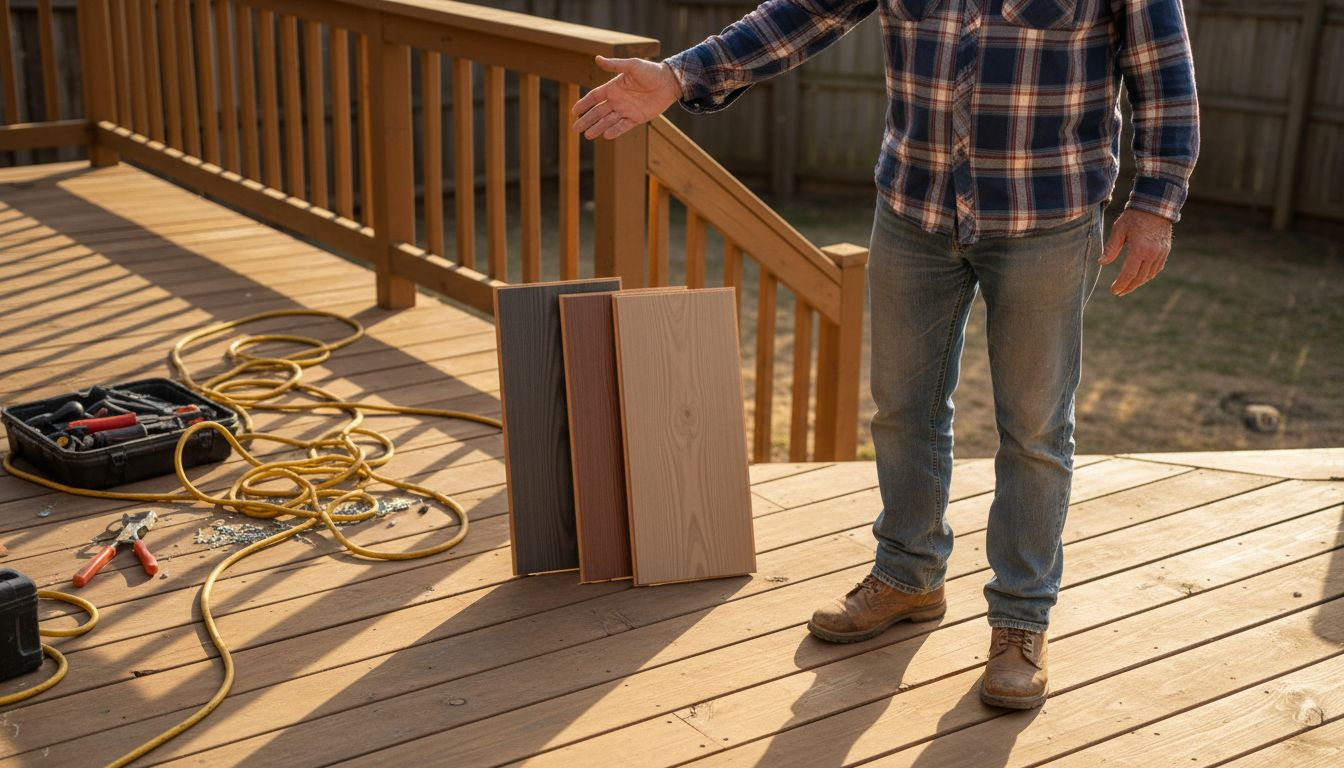

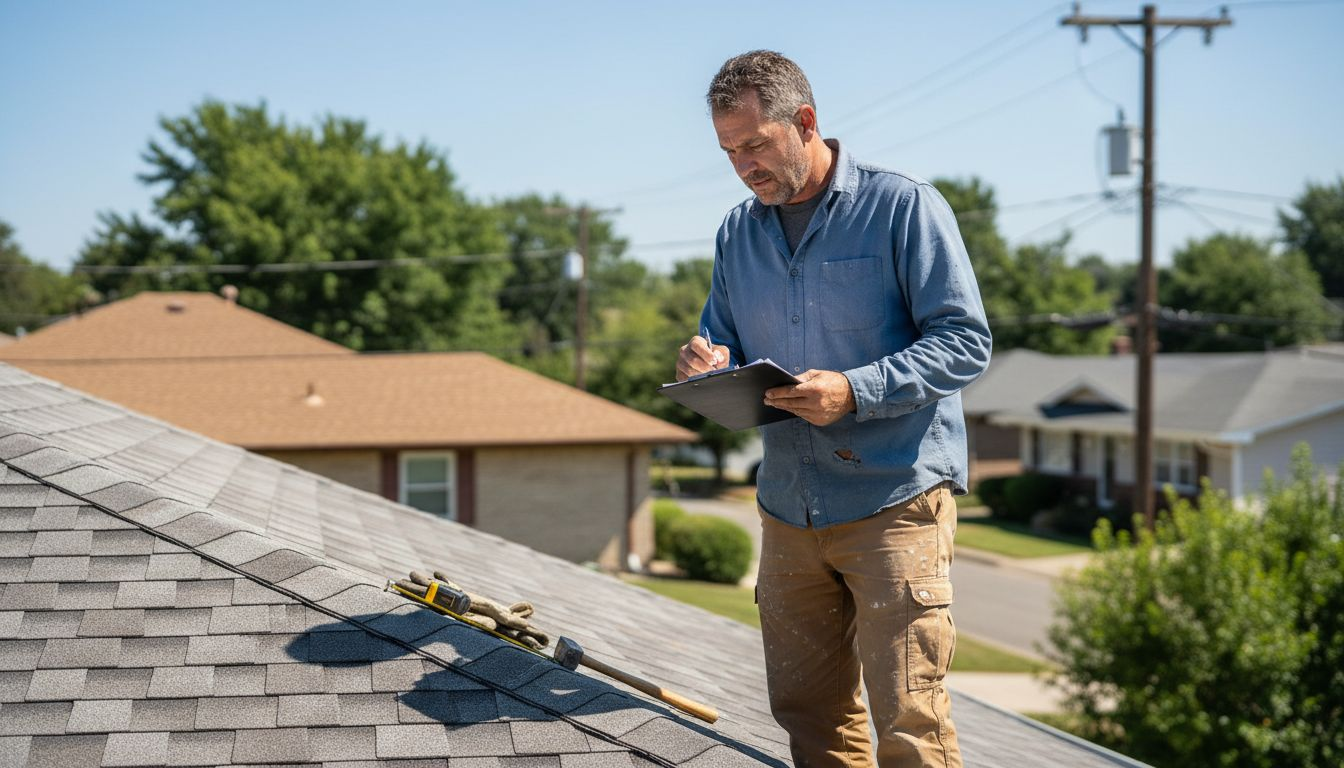
Every American homeowner faces a flood of unfamiliar words when talking roofs with professionals. Nearly 60 percent of homeowners admit feeling confused during roofing discussions, which can lead to costly mistakes. Knowing key terms is more than just a confidence boost — it means getting what you pay for and protecting your biggest investment. This guide explains essential roofing language so you feel informed every step of the way.
Table of Contents
- Roofing Terms Defined For Homeowners
- Key Roofing Components And Functions
- Common Material Types And Variations
- Waterproofing Elements And Drainage Terms
- Installing And Structural Terminology
Key Takeaways
| Point | Details |
|---|---|
| Understanding Roofing Terms is Essential | Familiarizing yourself with key roofing terms like shingles, flashing, and eaves enhances communication with contractors. |
| Know the Components of Your Roofing System | Recognizing components such as decking, underlayment, and ridge caps supports informed maintenance and repair decisions. |
| Evaluate Roofing Material Options | Different materials, including asphalt, metal, and tile, come with unique benefits and considerations regarding durability and aesthetic appeal. |
| Importance of Waterproofing and Drainage | Effective water management, including flashing and drainage systems, is crucial for preventing moisture damage to your home. |
Roofing Terms Defined for Homeowners
Understanding roofing terminology can feel like learning a foreign language. Homeowners often get overwhelmed when contractors start discussing technical details about roof components. Knowing these key terms will help you communicate more effectively and make informed decisions during roof repairs or roofing installation.
Let’s break down some essential roofing vocabulary every homeowner should know. Shingles are the exterior layer of your roof, typically made from asphalt, wood, or metal, which protect your home from weather elements. Flashing refers to thin metal sheets installed around roof edges, chimneys, and vents to prevent water penetration and redirect moisture away from critical junctures. Eaves are the lower edges of the roof that extend beyond the exterior walls, providing additional protection for your home’s foundation and siding.
Other critical terms include underlayment, the protective layer installed directly on the roof deck beneath the shingles, and ridge, which is the highest point where two roof planes meet. Decking represents the wooden base layer of your roof, usually constructed from plywood or oriented strand board (OSB). These components work together to create a comprehensive roofing system that shields your home from environmental challenges. Understanding these fundamental terms will help you communicate more confidently with roofing professionals and make better decisions about your home’s most critical protective layer.
Key Roofing Components and Functions
Roofs are complex systems designed to protect homes from environmental challenges. Understanding the intricate components and their specific functions is crucial for homeowners looking to maintain or replace their roof. Each component plays a critical role in creating a comprehensive roofing system that shields your home from water, wind, and structural damage.
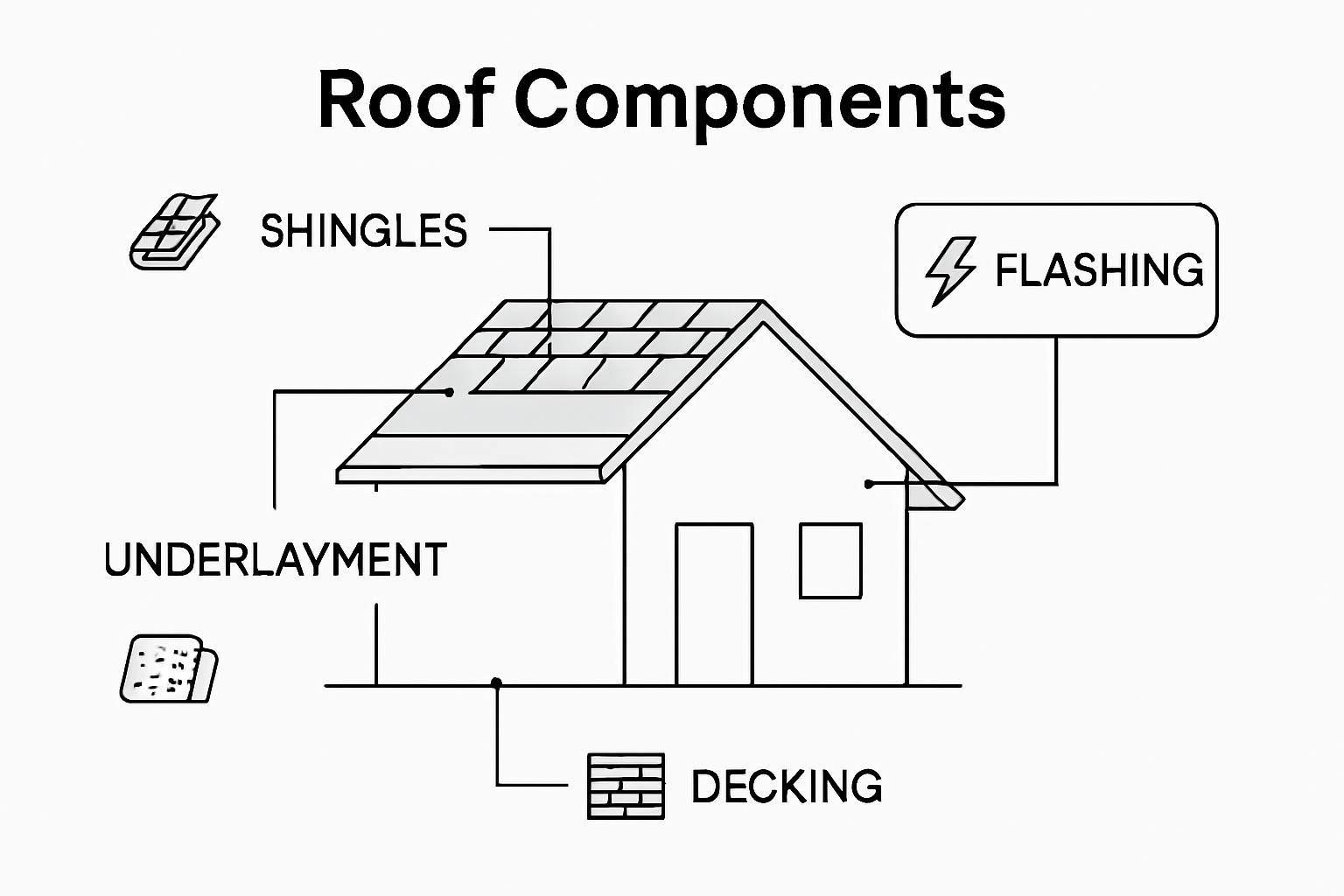
The primary components include decking, which serves as the foundational wooden base layer typically constructed from plywood or oriented strand board. Underlayment provides a secondary protective barrier directly beneath the shingles, preventing moisture infiltration. Roof membrane functions as an additional waterproofing layer, ensuring complete protection against potential water damage. These underlying components work together to create a robust defensive system that supports the exterior roofing materials.
Exterior roofing elements like shingles, flashing, and ridge caps form the visible protective layer of your roof. Shingles, available in materials ranging from asphalt to metal, serve as the primary defense against weather elements. Flashing, typically made from thin metal sheets, redirects water away from critical junctures such as chimneys, vents, and roof intersections. Ridge caps provide essential protection at the peak where roof planes converge, preventing water penetration and enhancing overall roof integrity. By understanding these components, homeowners can make more informed decisions about roof maintenance, repair, and replacement strategies.
Common Material Types and Variations
Roofing materials have evolved dramatically, offering homeowners a wide range of options to protect and enhance their homes. Modern roofing classifications encompass multiple material types, each with unique characteristics, durability, and aesthetic appeal. Understanding these variations helps homeowners make informed decisions about their roof’s long-term performance and visual impact.
Asphalt shingles remain the most popular roofing material in North America, prized for their affordability and versatility. These shingles come in three primary variations: three-tab, architectural, and premium styles. Metal roofing represents another significant category, offering exceptional durability and energy efficiency. Metal roofs can be constructed from aluminum, steel, copper, or zinc, each providing distinct advantages in terms of longevity and environmental resistance. Clay and ceramic tiles present a more traditional option, especially popular in regions with Mediterranean or southwestern architectural styles, delivering remarkable heat resistance and distinctive visual texture.
The selection of roofing material involves careful consideration of several critical factors. Durability stands as a primary concern, with materials like copper demonstrating remarkable corrosion resistance and potential lifespans exceeding 50 years. Slate, though expensive, offers unparalleled longevity and natural aesthetic appeal. Wooden shakes provide a rustic alternative, though they require more maintenance and are less fire-resistant. Climate, budget, architectural style, and local building codes all play significant roles in determining the most suitable roofing material for a specific home. Homeowners should carefully evaluate these factors, consulting with professional roofing contractors to select a material that balances performance, aesthetics, and long-term value.
Waterproofing Elements and Drainage Terms
Water management represents a critical aspect of roof design, with specialized components working together to protect your home from moisture damage. Roof waterproofing strategies involve multiple interconnected elements that redirect and prevent water infiltration, ensuring your home remains dry and structurally sound.
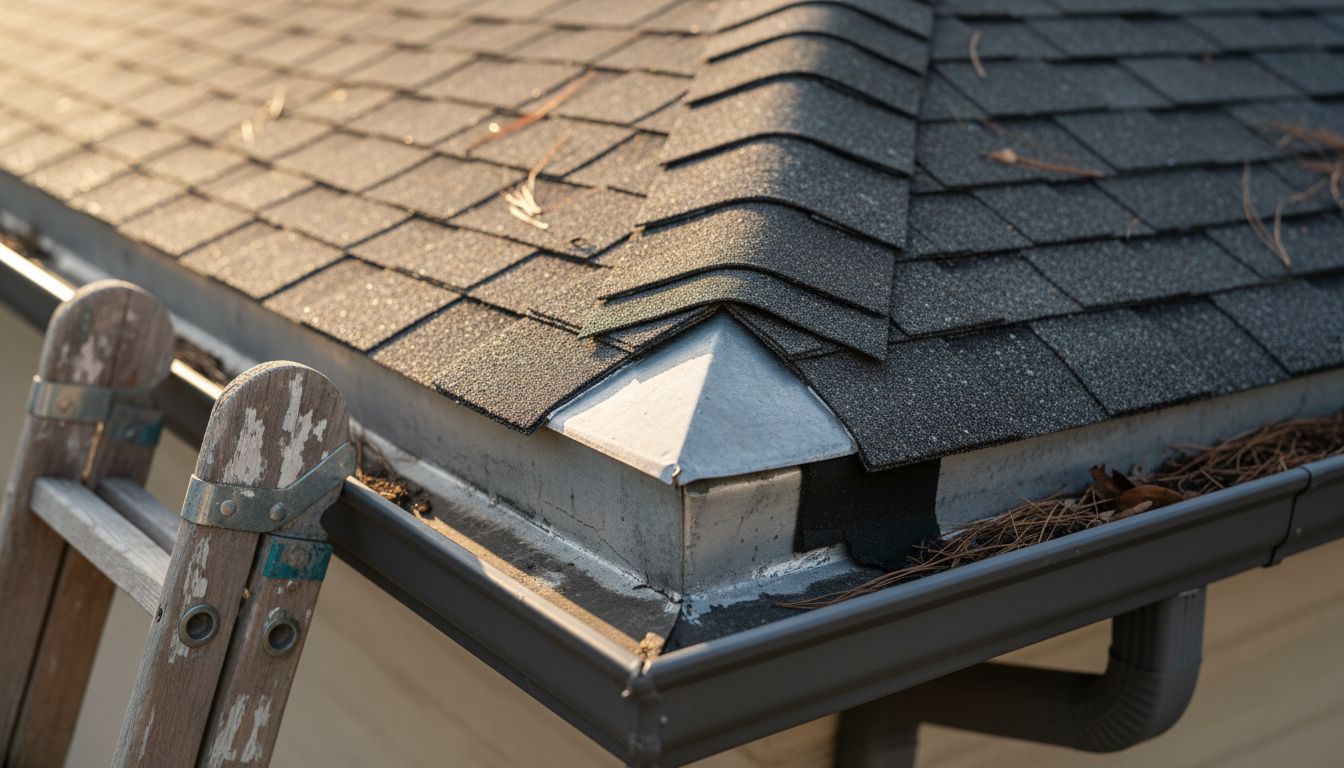
Flashing emerges as a primary waterproofing element, strategically installed at vulnerable roof intersections to prevent water penetration. These thin metal sheets are meticulously placed around chimneys, vents, skylights, and where roof planes meet, creating a critical barrier against moisture intrusion. Underlayment serves as a secondary protective layer, typically constructed from synthetic materials or traditional felt, providing an additional water-resistant membrane beneath the primary roofing material. Drainage systems, including gutters and downspouts, work in conjunction with these elements to channel water away from the home’s foundation, preventing potential structural water damage.
Specialized roofing terminology helps homeowners understand complex water management techniques. Ponding represents an undesirable condition where water accumulates on flat or low-slope roofs, potentially causing material degradation and structural stress. Crickets and saddles are specialized architectural features designed to redirect water flow around roof penetrations and create positive drainage. Slope becomes a critical factor in effective water management, with most residential roofs requiring a minimum pitch to ensure proper water runoff. By understanding these technical components and their functions, homeowners can better appreciate the complex engineering that keeps their homes dry and protected from water-related damage.
Installing and Structural Terminology
Understanding the structural aspects of roof installation requires familiarity with specialized terminology that defines how roofing systems are engineered and constructed. Roof geometry and structural design involves complex relationships between various architectural elements that ensure stability, durability, and proper performance.
Trusses form the foundational skeletal structure supporting the entire roof system, providing critical load-bearing capabilities. These prefabricated framework components are engineered to distribute weight evenly and resist environmental stresses. Rafters represent the sloped structural members that extend from the building’s exterior walls to the roof’s peak, creating the fundamental pitch and shape of the roofing surface. Pitch refers to the roof’s angle of inclination, which determines its ability to shed water and withstand different environmental conditions. Some specialized roof designs incorporate hip, gable, and mansard configurations, each offering unique structural characteristics and aesthetic appearances.
Professional roof installation involves precise technical considerations beyond basic structural components. Roof deck serves as the primary substrate layer, typically constructed from oriented strand board or plywood, providing a stable surface for subsequent roofing materials. Collar ties and ridge boards play crucial roles in maintaining structural integrity, preventing roof spread and ensuring lateral stability. Advanced roofing technologies now incorporate sophisticated measurement and modeling techniques that help contractors assess potential wind risks and optimize structural performance. Homeowners benefit from understanding these technical terms, as they provide insight into the complex engineering that protects their most significant investment.
Speak the Language of Roofing and Make Confident Home Decisions
Understanding roofing terminology like shingles, flashing, and underlayment empowers you to make the best choices for your home’s protection. If specialized terms ever feel overwhelming, you are not alone. Many homeowners struggle with navigating complex roofing language while seeking quality, durable solutions to safeguard their investment.
At J. A. Kelly Contracting Services, we bring clarity and expertise to every project. Whether you are planning a repair or roof installation we ensure you fully grasp the process and materials selected. Discover more in our Roofing Archives where detailed explanations meet professional service.
Don’t let roofing jargon keep you from securing the durable, beautiful roof your home deserves. Visit https://jakellycontractingservices.ca today and connect with our trusted team. Explore how our local experts combine craftsmanship and clear communication to provide peace of mind. Learn about our full range of services including renovations at Home Renovation Archives. Taking informed action now safeguards your home for years to come.
Frequently Asked Questions
What are shingles in roofing?
Shingles are the exterior layer of your roof, typically made from materials such as asphalt, wood, or metal, which protect your home from various weather elements.
What is the purpose of flashing in roofing?
Flashing refers to thin metal sheets installed around roof edges, chimneys, and vents to prevent water penetration and redirect moisture away from critical areas of the roof.
How do eaves contribute to roof performance?
Eaves are the lower edges of the roof that extend beyond the exterior walls, providing additional protection for your home’s foundation and siding by directing water away from them.
What is the difference between underlayment and roof membrane?
Underlayment is a protective layer installed directly on the roof deck beneath the shingles, while the roof membrane serves as an additional waterproofing layer, providing enhanced protection against moisture infiltration.
Recommended
- What Is a Roofing Estimate? Complete Breakdown – J. A. Kelly Contracting Services
- Complete Guide to the Role of Roofing Contractors – J. A. Kelly Contracting Services
- Roofing Installation Guide: Step-By-Step for Homeowners – J. A. Kelly Contracting Services
- How to Hire a Roofing Contractor for a Stress-Free Project – J. A. Kelly Contracting Services
- Maximizing Home Insulation: Complete Envelope Solutions from Mighton Construction Limited
- Crochet Terminology Explained: Complete Reference Guide – CRAFTISS