




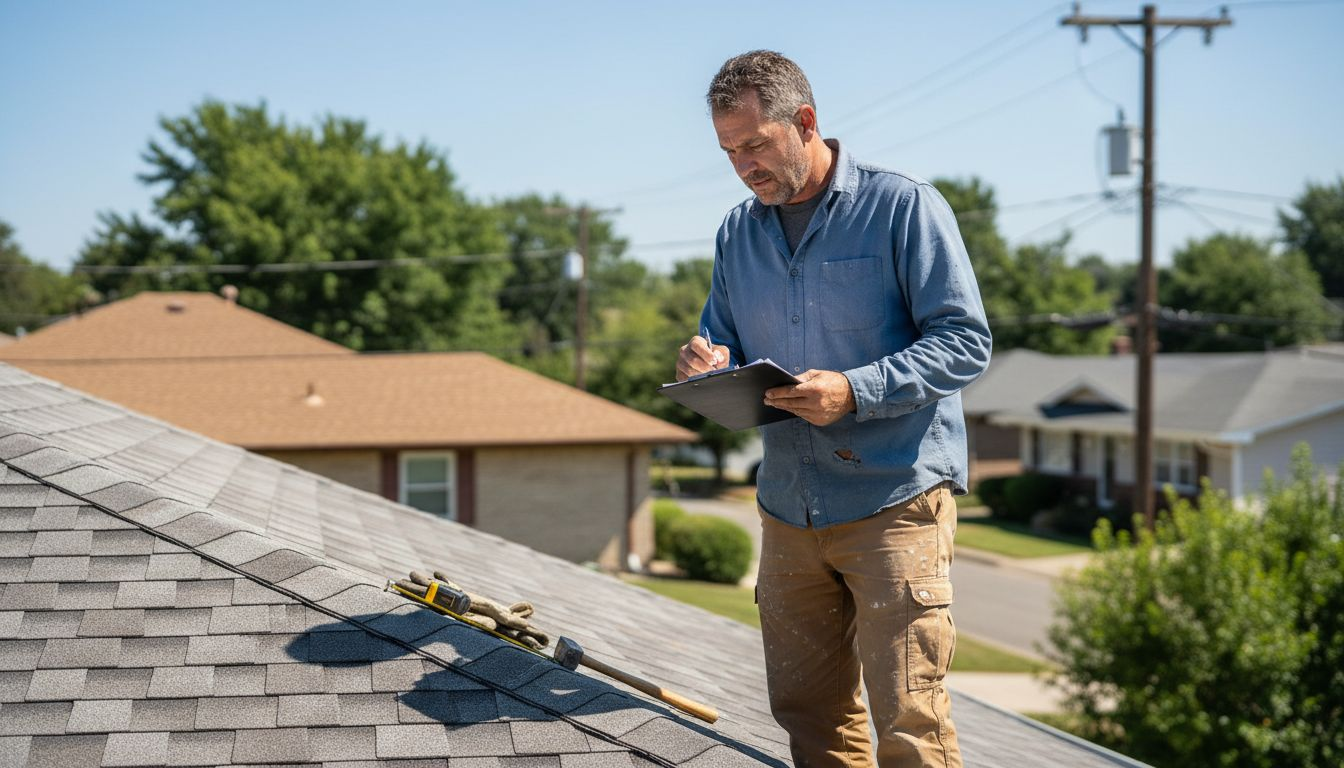
Every american roof relies on a strong, reliable base for lasting performance. The right roof decking not only provides crucial structural support but also safeguards homes from weather extremes and everyday stress. With so many material choices and important installation details, understanding how roof decking works can prevent costly mistakes and future headaches. This guide breaks down the basics, material options, and what every homeowner should know to make informed decisions about their roof’s foundation.
Table of Contents
- Roof Decking Defined: Purpose And Basics
- Types Of Roof Decking Materials Explained
- How Roof Decking Is Installed Safely
- Common Roof Decking Problems And Solutions
- Roof Decking Costs, Mistakes, And Alternatives
Key Takeaways
| Point | Details |
|---|---|
| Roof Deck Purpose | Roof decking is essential for structural support and stability, acting as the foundation for various roofing materials. |
| Material Options | Common roof decking materials include plywood and OSB, each offering different strengths and cost-effectiveness. |
| Installation Practices | Proper installation techniques are critical for longevity, including correct placement and fastening of decking panels. |
| Maintenance Needs | Regular inspections and moisture management are vital to prevent issues like swelling, delamination, and corrosion in roof decking. |
Roof Decking Defined: Purpose and Basics
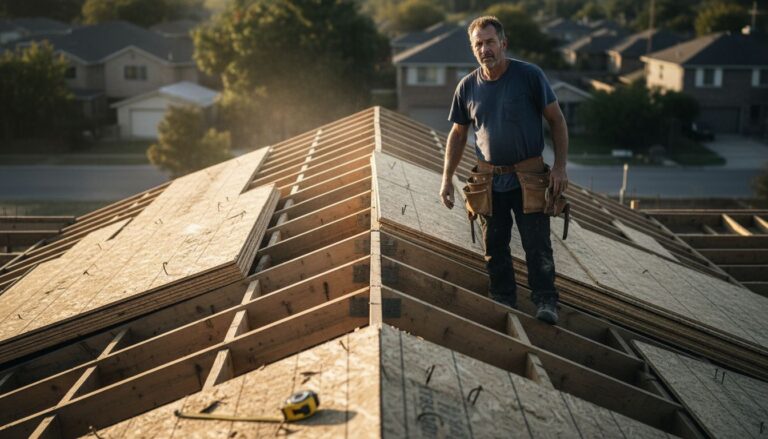
A roof deck is the foundational layer of your roof’s structural system, providing critical support and stability for the entire roofing assembly. Roof decks serve as the critical structural platform that connects roofing materials to the home’s underlying framework, transferring weight loads and environmental stresses safely across the building’s structure.
Typically constructed from wood-based materials like plywood or oriented strand board (OSB), roof decking acts as a robust substrate that supports the roofing materials and provides essential protection for your home. The minimum recommended thickness is 7/16 inches, though many professionals prefer 1/2 inch panels for enhanced durability. These panels are strategically attached to roof trusses or rafters, creating a solid base that can withstand significant wind loads and environmental pressures.
Roof decks perform multiple crucial functions beyond simple structural support. They serve as a critical barrier against external elements, facilitate proper roof drainage, and help maintain the overall fire resistance and thermal performance of your home. Depending on the specific construction, roof decks can be composed of combustible materials like wooden panels or non-combustible options such as concrete or steel, each offering unique advantages for different architectural requirements and regional building codes.
Types of Roof Decking Materials Explained
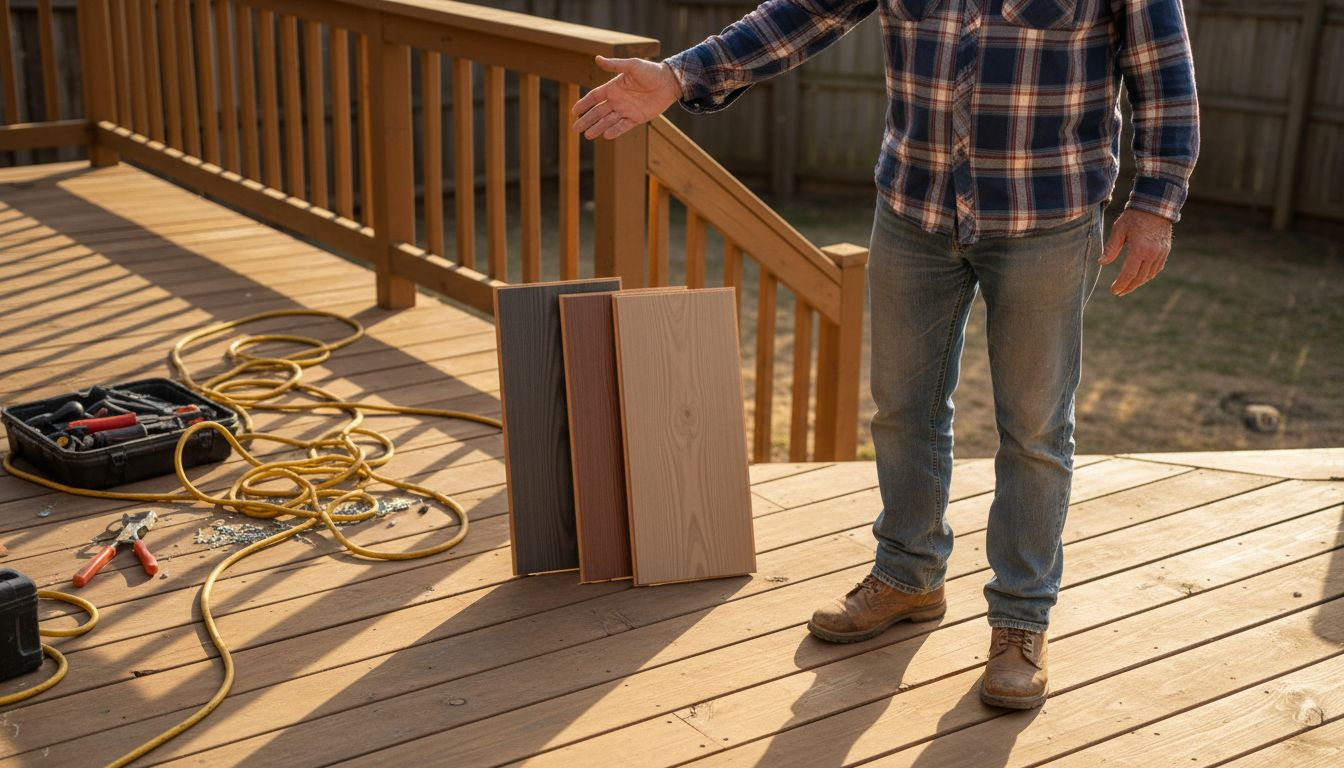
Roof decking materials are diverse, offering homeowners and contractors multiple options to suit different structural requirements and environmental conditions. Roofing material selection plays a crucial role in determining the overall performance and longevity of a roofing system, with each material presenting unique characteristics and benefits.
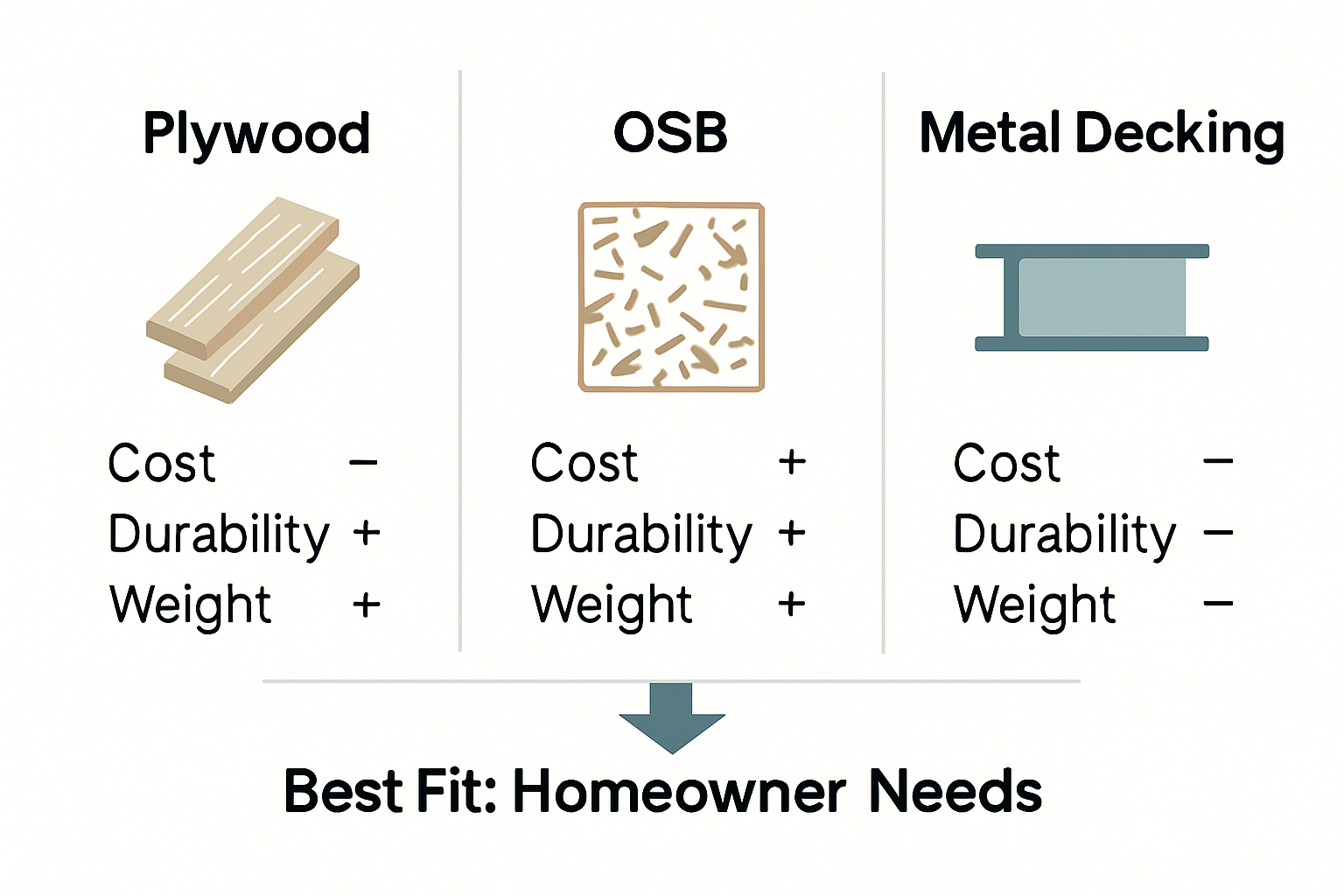
Wood-based materials dominate residential roof decking, with plywood and oriented strand board (OSB) being the most common choices. These materials provide excellent strength and moisture resistance, making them ideal for standard home construction. Plywood typically offers superior structural integrity, with layers of wood veneer cross-laminated to enhance durability. OSB panels, constructed from wood strands compressed and oriented in specific directions, provide a cost-effective alternative with comparable performance characteristics.

Beyond traditional wood materials, specialized roof decking options include metal and concrete alternatives. Steel roof decking comprises cold-rolled, ribbed sheet metal panels typically ranging from 22 to 16 gauge, valued for their high strength-to-weight ratio and ability to distribute lateral loads. Commercial and industrial buildings often utilize these robust metal decking systems, which provide exceptional structural support and enhance overall building stability. Concrete decking represents another advanced option, particularly suitable for flat or low-slope roofs, offering superior fire resistance and long-term structural integrity.
How Roof Decking Is Installed Safely
Safe roof decking installation requires meticulous planning, precise techniques, and adherence to professional standards. Roofing installation demands careful attention to detail to ensure structural integrity and long-term performance of the entire roofing system.
For wood-based decking materials like oriented strand board (OSB), professional installers follow specific guidelines to maximize structural strength. Placement techniques are critical, with panels strategically positioned to cover multiple roof bays and rafters. Installation protocols recommend staggering seams by at least two rafter widths and installing OSB perpendicular to rafters. Each 4-foot panel edge must land precisely on a supporting rafter, with fastening accomplished using 2-inch screws or 8d ring shank nails placed every 8 inches. H-clips are strategically inserted between panel edges to reduce material movement and enhance overall deck stability.
Professional roof decking installation extends beyond wood materials to include concrete and metal systems. Concrete decks require careful surface preparation, with concrete poured into formwork containing reinforcing steel bars or welded mesh. The surface must be meticulously screeded and troweled to achieve a perfectly smooth, level finish. Installers must exercise caution with curing agents, ensuring compatibility with roofing materials and allowing sufficient drying time. These precise installation methods guarantee a robust, long-lasting roof deck that can withstand environmental stresses and provide reliable protection for the entire structure.
Common Roof Decking Problems and Solutions
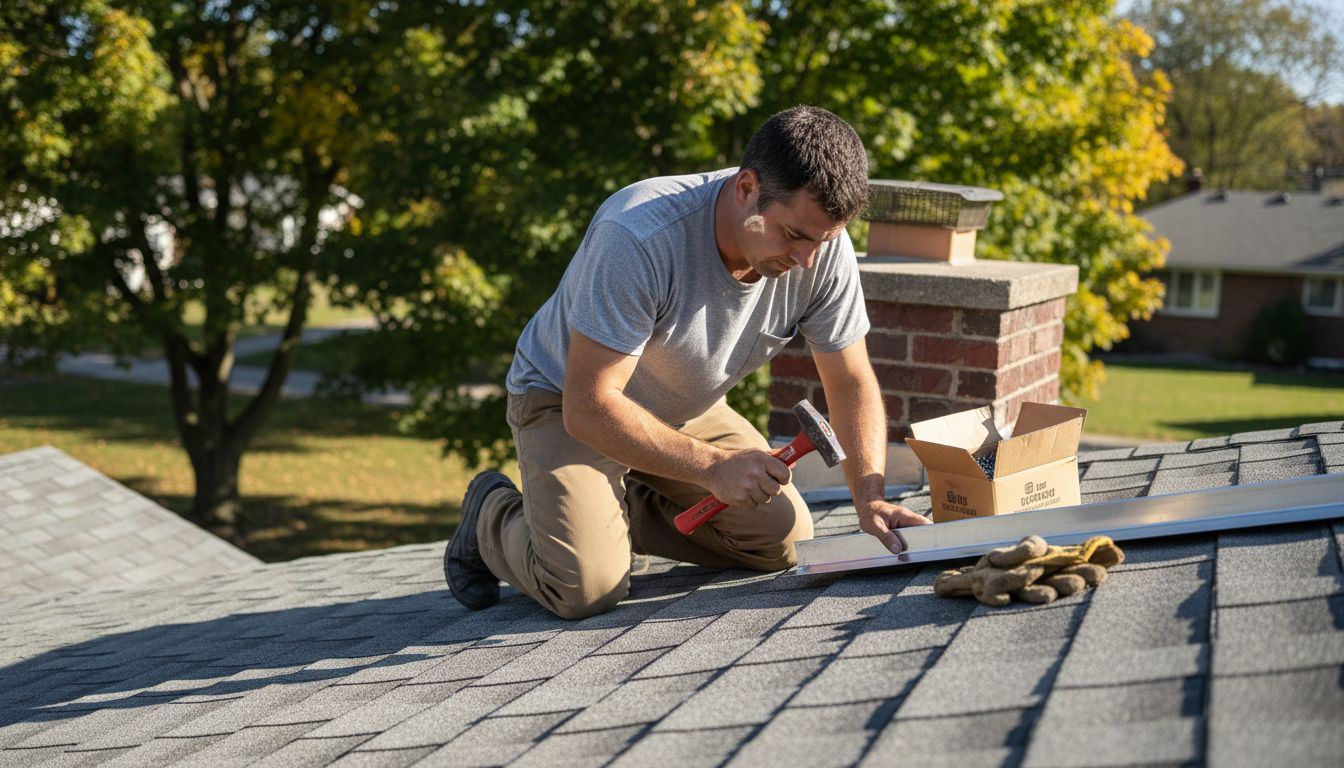
Roof decking is vulnerable to numerous challenges that can compromise its structural integrity and performance. Roof repair strategies are essential for homeowners to identify and address potential issues before they escalate into costly damage.
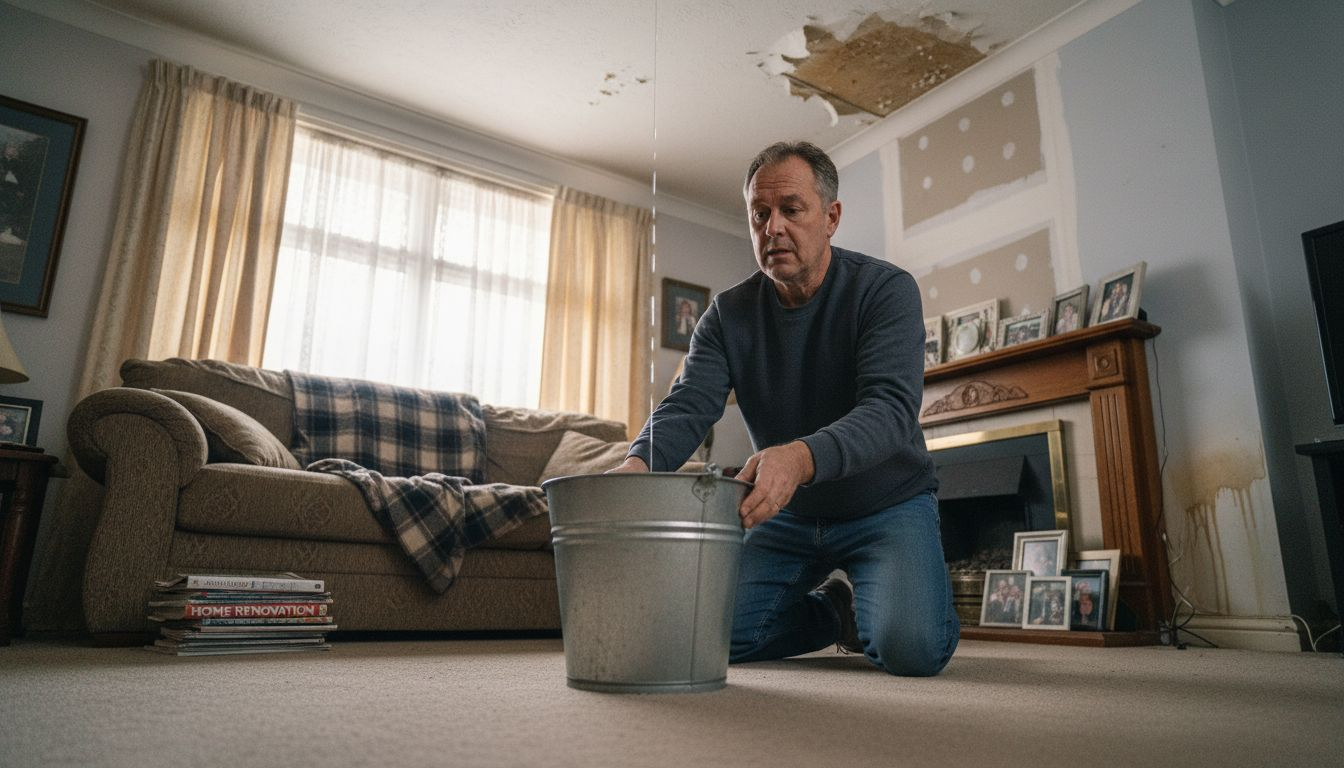
Moisture-related problems represent one of the most significant threats to roof decking materials. Structural fiberboard roof deck planks can experience critical issues such as swelling, delamination, and structural degradation when exposed to persistent moisture. Wood-based decking materials are particularly susceptible, with potential consequences ranging from reduced load-bearing capacity to complete material failure. Proactive solutions include implementing robust ventilation systems, applying high-quality sealants, and conducting regular moisture barrier inspections to prevent water penetration.
Metal roof decking systems face their own unique challenges, primarily related to environmental degradation. Corroded metal decking can emerge in high-humidity environments or areas with significant chemical exposure, particularly for aluminum and galvanized iron panels. Preventative maintenance is crucial, involving selecting materials with appropriate protective coatings, performing routine professional inspections, and addressing early signs of corrosion before structural compromise occurs. Homeowners should prioritize professional assessments that can identify potential weaknesses and recommend targeted interventions to extend the roof decking’s functional lifespan.
Roof Decking Costs, Mistakes, and Alternatives
Understanding the financial and technical landscape of roof decking requires careful consideration of materials, installation techniques, and potential pitfalls. Roofing financing options can help homeowners navigate the complex decisions surrounding roof deck selection and replacement.
Material costs vary significantly across different decking options. Roof decking materials present homeowners with multiple choices, primarily centered on plywood and oriented strand board (OSB). Plywood offers superior moisture resistance and structural strength but comes at a higher price point, while OSB provides a more cost-effective solution with comparable performance. Common installation mistakes can dramatically increase long-term expenses, such as improper fastening, inadequate panel spacing, or insufficient moisture barriers. These errors can lead to premature deck failure, potentially requiring complete roof replacement and incurring substantial unexpected costs.
Alternative roofing systems extend beyond traditional wood-based decking, offering innovative solutions for specific architectural needs. Metal and concrete decking provide robust alternatives, particularly for flat roofs or commercial applications. Metal decking delivers exceptional durability and energy efficiency, while concrete options offer unparalleled fire resistance and structural integrity. Homeowners should carefully evaluate their specific requirements, considering factors like local climate, building structure, and long-term maintenance expectations when selecting the most appropriate roof decking solution.
Secure Your Home with Expert Roof Decking Solutions
Understanding the vital role that roof decking plays in your home’s safety and durability is the first step to protecting your investment. This article highlights common challenges like moisture damage, structural weakness, and improper installation that can threaten your roof’s performance. If you want to avoid these costly problems and ensure your roof deck provides the strong foundation your home needs, expert help is essential.
Explore the reliable roofing services from J. A. Kelly Contracting Services where quality craftsmanship meets local expertise. With a focus on proper material selection, meticulous installation, and long-term maintenance, our team is ready to safeguard your roof against common issues such as swelling, delamination, and corrosion. Learn more about how we can enhance your home’s protection in the Roofing Archives – J. A. Kelly Contracting Services.
Don’t wait for small roof decking problems to turn into expensive repairs. Contact us today at https://jakellycontractingservices.ca for a free estimate and see how our trusted residential contractors can boost your home’s structural integrity. Visit our Home Renovation Archives – J. A. Kelly Contracting Services to discover even more ways to improve your home’s value and comfort.
Frequently Asked Questions
What is roof decking and why is it important?
Roof decking is the foundational layer of your roof’s structural system. It provides support and stability for the roofing assembly, transferring weight loads and environmental stresses safely across the building’s structure. Roof decking also acts as a barrier against external elements, facilitates proper drainage, and helps maintain fire resistance and thermal performance.
What materials are commonly used for roof decking?
The most common materials for roof decking are wood-based products like plywood and oriented strand board (OSB). Plywood offers superior structural integrity, while OSB is a cost-effective alternative. Other options include metal decking made of steel and concrete decking, which provide enhanced durability and fire resistance for specific applications.
How is roof decking installed?
Roof decking installation involves precise techniques and adherence to professional standards. For materials like OSB, panels are positioned to cover rafters, with seams staggered for stability. Fastening is done using screws or nails at regular intervals, and H-clips are used to reduce movement. For concrete and metal systems, careful preparation and finishing techniques are crucial for long-term integrity.
What are common problems associated with roof decking?
Common issues include moisture-related problems like swelling and delamination, particularly with wood-based materials. Metal decking can suffer from corrosion, especially in humid environments. Preventative measures, such as proper ventilation, high-quality sealants, and regular inspections, are essential to maintain the integrity and longevity of roof decking.
Recommended
- Roofing Installation Guide: Step-By-Step for Homeowners – J. A. Kelly Contracting Services
- Roof Repair Guide: Step-by-Step Fixes for Homeowners – J. A. Kelly Contracting Services
- Role of a Deck Contractor: Everything You Need to Know – J. A. Kelly Contracting Services
- Blog – J. A. Kelly Contracting Services