






Most American homeowners want peace of mind when hiring a roofing contractor, yet only about 30 percent of residential roofers hold formal certification. With poorly installed roofs ranked among the top insurance claims in the United States every year, understanding roofing certifications becomes more valuable than ever. Discover why credentials signal true expertise, how certifications assure quality for American families, and what to look for when choosing a professional who will protect your home for years to come.
Table of Contents
- Defining Roofing Certifications and Their Purpose
- Types of Roofing Certifications for Contractors
- Certification Requirements and Verification Process
- Legal Standards and Regional Regulations
- Homeowner Benefits of Hiring Certified Roofers
Key Takeaways
| Point | Details |
|---|---|
| Importance of Roofing Certifications | Certifications validate contractors’ expertise and commitment to industry standards, helping homeowners identify qualified professionals. |
| Certification Benefits for Contractors and Homeowners | Certifications enhance credibility for contractors and provide homeowners assurance of quality and adherence to best practices. |
| Types of Roofing Certifications | Contractors can pursue various certifications, including specialized ones for steep-slope and low-slope roofing, to demonstrate targeted expertise. |
| Legal Standards and Compliance | Regulatory frameworks ensure roofers meet minimum competency levels and safety protocols, protecting homeowners and maintaining industry quality. |
Defining Roofing Certifications and Their Purpose
Roofing certifications represent professional credentials that validate a contractor’s expertise, skills, and commitment to industry standards. These credentials go far beyond simple paperwork – they are comprehensive assessments of technical knowledge, practical skills, and professional competence in roof installation, maintenance, and repair. Professional roofing credentials help homeowners distinguish qualified professionals from amateur contractors.
Professional organizations like the National Center for Construction Education and Research develop rigorous certification programs that test contractors across multiple dimensions of roofing expertise. These programs typically evaluate technical skills such as material selection, installation techniques, safety protocols, and understanding of complex roofing systems. By requiring extensive training and demonstrating mastery through standardized assessments, certification programs ensure that professionals meet stringent industry benchmarks.
Certifications serve multiple critical purposes for both contractors and homeowners. For contractors, they represent professional development, credibility, and a competitive advantage in the marketplace. For homeowners, certifications provide assurance of quality, expertise, and adherence to best practices. Key certification benefits include:
- Proof of advanced technical training
- Validation of specialized roofing knowledge
- Commitment to ongoing professional education
- Enhanced understanding of safety standards
- Demonstrated expertise in modern roofing technologies
Moreover, certain specialized certifications like Leadership in Energy and Environmental Design (LEED) offer additional credentials that showcase expertise in sustainable and environmentally responsible roofing practices. These advanced certifications demonstrate a contractor’s ability to implement green building techniques, energy-efficient solutions, and environmentally conscious roofing strategies that can provide long-term value for homeowners.
Types of Roofing Certifications for Contractors
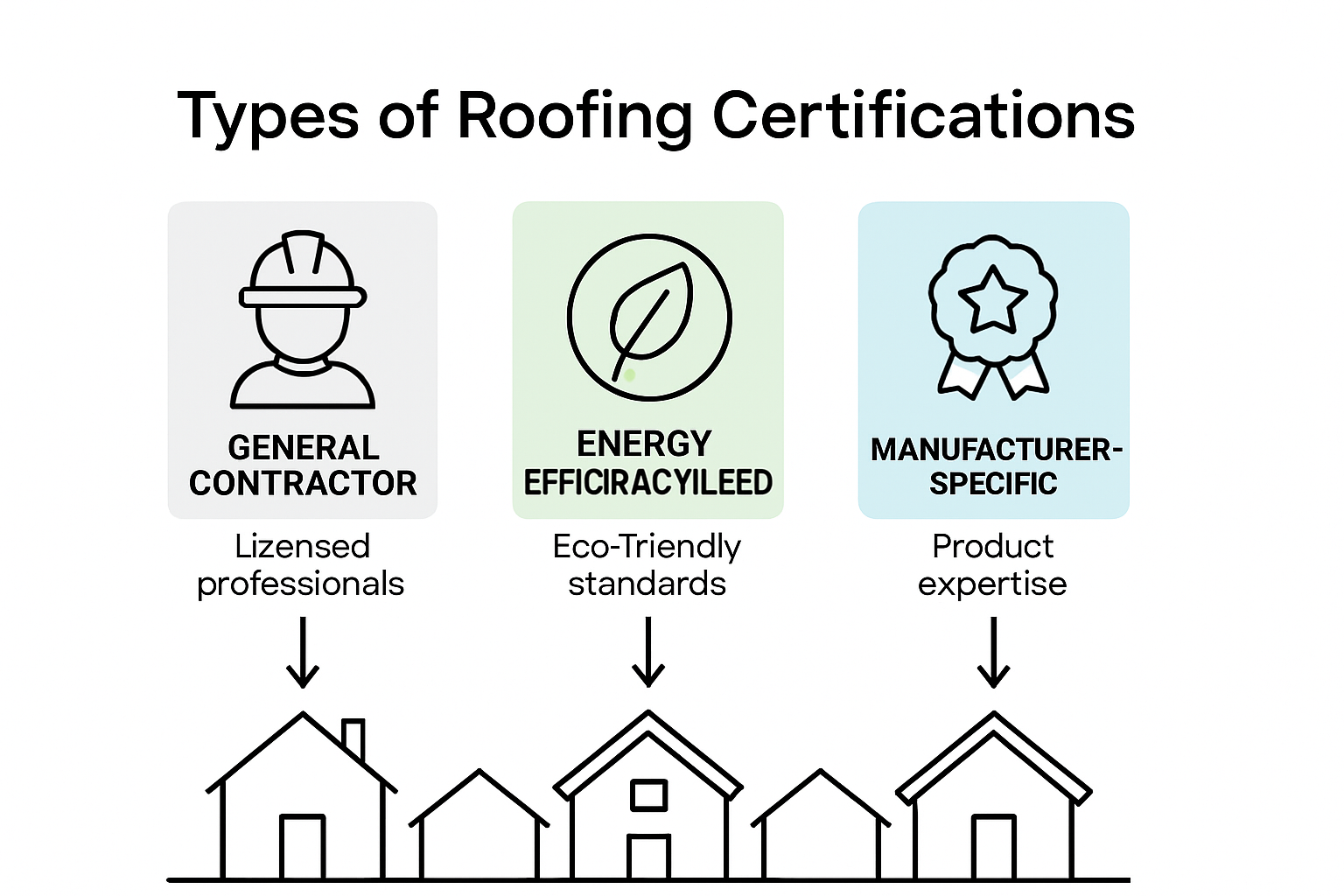
Roofing contractors can pursue multiple specialized certifications that validate their expertise in different roofing systems and techniques. Professional certification programs offer contractors opportunities to demonstrate their technical proficiency and commitment to industry excellence. The National Roofing Contractors Association (NRCA) ProCertification provides comprehensive credentials that assess contractors’ skills across various roofing disciplines.
Two primary certification paths dominate the professional roofing landscape: steep-slope and low-slope roofing systems. NCCER’s roofing curriculum offers distinct career tracks that help contractors specialize and validate their expertise. Steep-Slope Roofer certifications focus on residential and pitched roof installations, while Low-Slope Roofer credentials concentrate on commercial and flat roofing technologies. These specialized pathways ensure contractors develop targeted skills relevant to specific roofing environments.
Certification categories typically encompass multiple critical areas of professional competence:
- Residential Roofing Specialist
- Commercial Roofing Professional
- Industrial Roofing Technician
- Green Roofing Systems Expert
- Roof Inspection and Maintenance Specialist
Beyond technical certifications, advanced credentials like Leadership in Energy and Environmental Design (LEED) provide contractors additional opportunities to demonstrate expertise in sustainable roofing practices. These advanced certifications not only validate technical skills but also showcase a contractor’s commitment to environmental responsibility, energy efficiency, and innovative building solutions. By pursuing multiple certifications, roofing professionals can distinguish themselves in a competitive marketplace and provide homeowners with high-quality, specialized services.
Certification Requirements and Verification Process
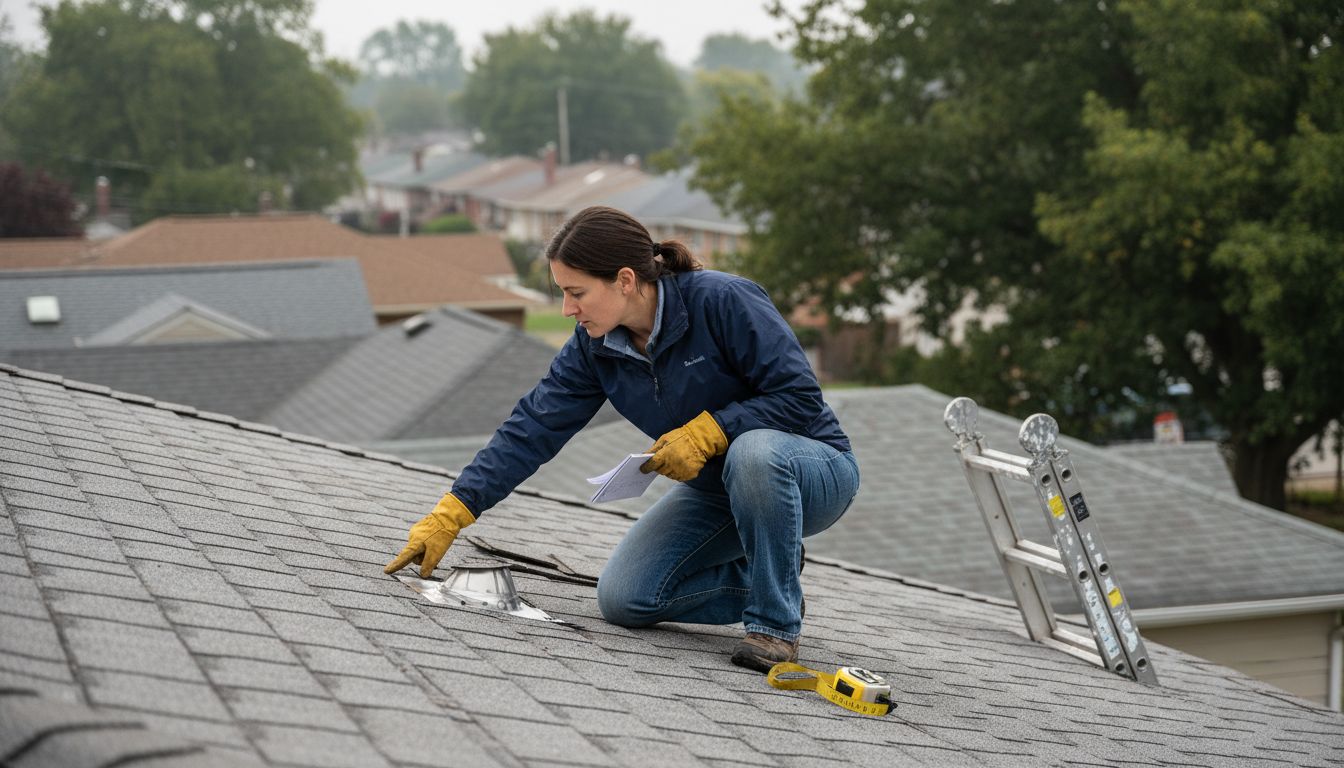
Roofing certification programs establish rigorous standards to ensure contractors demonstrate comprehensive technical expertise and professional competence. Professional certification processes typically involve multiple assessment stages designed to validate a contractor’s skills across theoretical knowledge and practical application. NCCER’s roofing curriculum aligns with U.S. Department of Labor apprenticeship standards, creating a structured pathway for professional development and skill verification.
The certification verification process encompasses several critical evaluation components. Contractors must typically complete a combination of written examinations, practical skill demonstrations, and comprehensive performance assessments. National Roofing Contractors Association (NRCA) ProCertification requires candidates to demonstrate proficiency through detailed task-specific evaluations that measure their technical abilities, safety awareness, and professional standards. These assessments often include:
- Comprehensive written examinations testing technical knowledge
- Hands-on skill demonstrations
- Safety protocol understanding
- Material selection and application techniques
- Complex roofing system installation assessments
Certification maintenance demands ongoing professional development and periodic recertification. Contractors must typically complete continuing education credits, stay updated on emerging technologies, and periodically renew their credentials through additional testing or training. This dynamic approach ensures that certified professionals remain current with industry innovations, safety standards, and advanced roofing technologies. By requiring continuous learning, certification programs guarantee that homeowners receive services from contractors who are not just initially qualified, but consistently committed to maintaining the highest levels of professional expertise.
Legal Standards and Regional Regulations
Legal standards and regulations surrounding roofing certifications play a critical role in protecting homeowners and maintaining industry quality. Professional certification requirements vary significantly across different jurisdictions, creating a complex landscape of compliance and professional standards. These regulations ensure that roofing contractors meet minimum competency levels, safety protocols, and technical expertise necessary to protect property owners.
Regulatory frameworks typically encompass multiple dimensions of professional practice. Building code compliance represents a fundamental aspect of legal standards, requiring contractors to demonstrate comprehensive understanding of structural integrity, material specifications, and installation techniques. While specific requirements differ by region, most jurisdictions mandate formal documentation proving a contractor’s ability to meet established national and local building standards. These regulations often require detailed documentation including:
- Design calculation records
- Inspection verification documentation
- Formal professional certification credentials
- Proof of technical competency
- Safety compliance documentation
- Material quality verification
Beyond basic compliance, legal standards increasingly emphasize environmental responsibility, energy efficiency, and sustainable construction practices. Roofing professionals must navigate an evolving regulatory landscape that demands not just technical skill, but also comprehensive understanding of green building technologies, safety protocols, and ongoing professional development. By maintaining rigorous legal standards, regulatory bodies ensure that homeowners receive high-quality roofing services that protect their property, ensure structural integrity, and meet contemporary performance expectations.
Homeowner Benefits of Hiring Certified Roofers
Certified roofing professionals offer homeowners significantly more value than standard contractors, delivering comprehensive expertise that extends far beyond basic installation services. Professional roofing services with verifiable credentials provide peace of mind through demonstrated technical competence and industry-recognized skills. NRCA ProCertified contractors ensure homeowners receive high-quality installations that meet rigorous professional standards, protecting their most significant investment.
The expertise of certified roofers translates into multiple tangible benefits for homeowners. NCCER-trained professionals bring comprehensive knowledge that dramatically reduces installation risks, ensures proper technique, and minimizes potential future repair costs. Certified contractors demonstrate superior capabilities across critical areas including:
- Advanced material selection skills
- Precise installation techniques
- Comprehensive safety protocol understanding
- Enhanced problem-solving capabilities
- Detailed structural assessment expertise
- Modern technology integration
Beyond technical proficiency, certified roofers provide substantial long-term advantages for homeowners. Their advanced training ensures more accurate project estimates, higher quality workmanship, and improved warranty protection. These professionals understand complex roofing systems, can recommend optimal solutions for specific environmental conditions, and typically maintain ongoing professional development that keeps them current with emerging technologies and best practices. By choosing a certified contractor, homeowners invest in quality, reliability, and professional expertise that protects their property and provides lasting value.
Trust Certified Roofing Experts for Your Home’s Protection
Understanding the crucial role of roofing certifications helps you make smarter choices when hiring contractors. Certified roofers bring proven skills in advanced installation techniques, safety protocols, and up-to-date roofing technologies that protect your home from costly repairs and structural issues. These qualifications ensure you receive superior craftsmanship and lasting value backed by professional standards.
Choose confidence and quality for your roofing needs. Explore our Roofing Archives – J. A. Kelly Contracting Services to learn how certified roofing professionals deliver unparalleled service and peace of mind.
Don’t wait until small roofing problems become expensive damages. Contact us through https://jakellycontractingservices.ca to schedule a free inspection or get a detailed estimate. Experience expert care from certified contractors dedicated to excellence in Moncton, New Brunswick. See why homeowners trust our team by visiting Home Renovation Archives – J. A. Kelly Contracting Services. Take the first step toward securing your home today.
Frequently Asked Questions
What are roofing certifications?
Roofing certifications are professional credentials that validate a contractor’s expertise and skills in roof installation, maintenance, and repair, ensuring they meet industry standards.
Why should homeowners hire certified roofers?
Homeowners should hire certified roofers because they demonstrate advanced technical skills, adherence to safety protocols, and ongoing professional education, leading to higher quality workmanship and reduced risk of future repairs.
How do roofing certifications benefit contractors?
Roofing certifications benefit contractors by providing them with professional development opportunities, enhancing their credibility, and offering a competitive advantage in the marketplace.
Are there different types of roofing certifications?
Yes, there are different types of roofing certifications, including those focused on steep-slope roofing, low-slope roofing, and specialized areas like green roofing systems and roof inspection specialists.
Recommended
- Complete Guide to the Role of Roofing Contractors – J. A. Kelly Contracting Services
- 7 Essential Roofing Maintenance Tips Every Homeowner Should Know – J. A. Kelly Contracting Services
- Why Hire a Contractor: Complete Homeowner Guide – J. A. Kelly Contracting Services
- Roofing Terminology Explained: Speak Like a Roofer – J. A. Kelly Contracting Services
- 7 Key Examples of Architectural Inspections Explained – FloridaLicensedEngineers.com