

Most american homeowners will need roof repairs or replacements at some point, yet few realize how much depends on expert professionals. A single overlooked detail can lead to costly leaks or damage, and more than 60 percent of home insurance claims in the United States are related to roofing issues. Understanding what roofing contractors actually do and the standards they follow helps you make smart decisions for your property’s safety and value.
Table of Contents
- Defining Roofing Contractors and Core Duties
- Types of Roofing Services Provided
- Essential Qualifications and Certifications
- Safety Practices and Compliance Standards
- Responsibilities, Costs, and Common Pitfalls
Key Takeaways
| Point | Details |
|---|---|
| Roofing Contractor Definition | Roofing contractors are specialists in installing, repairing, and maintaining various roofing systems for both residential and commercial properties. |
| Core Responsibilities | Key duties include roof inspections, leak identification, repairs, and supervising less experienced workers. |
| Safety Compliance | Adherence to safety protocols and training is essential to ensure worker safety and project success. |
| Financial Considerations | Homeowners should be aware of potential costs and challenges in roofing projects, emphasizing the importance of thorough planning and risk management. |
Defining Roofing Contractors and Core Duties
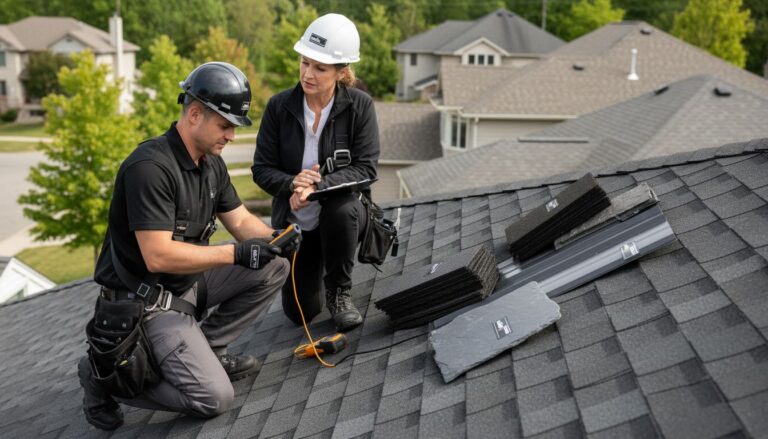
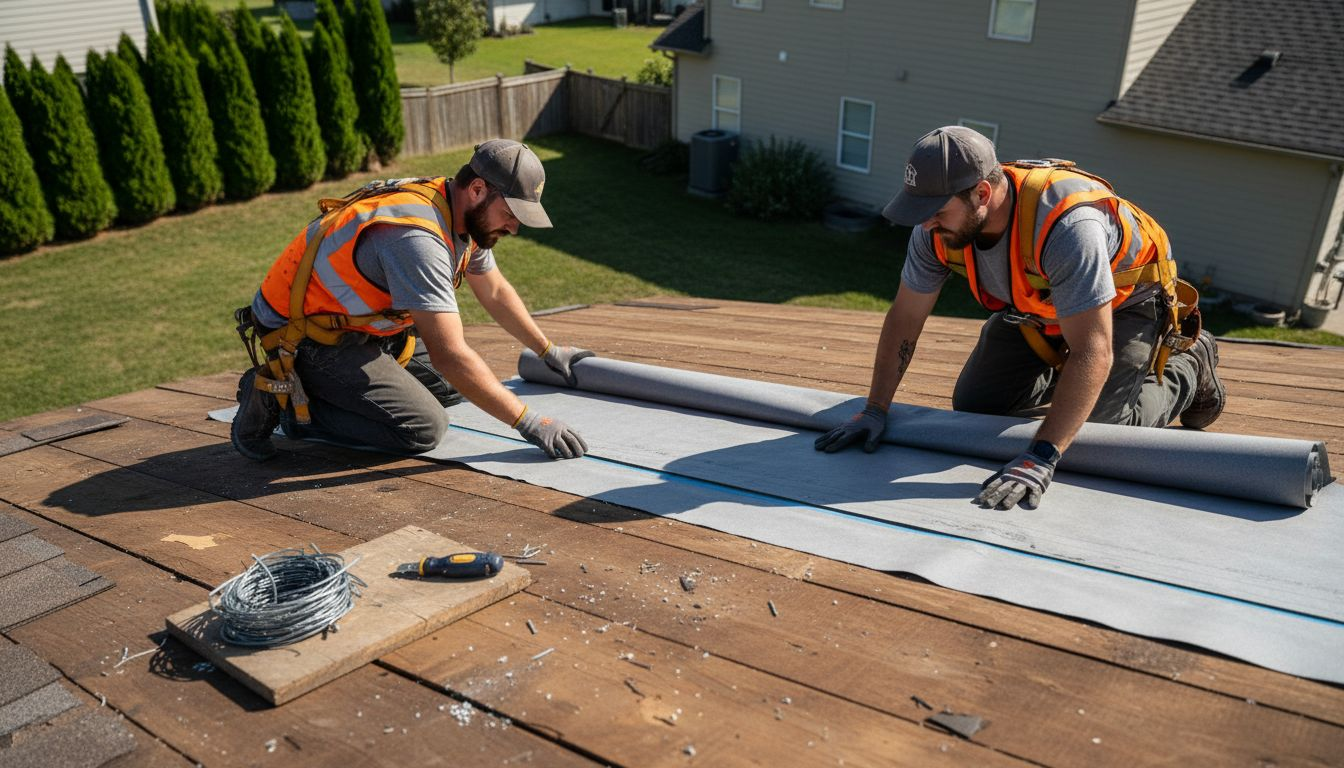
Roofing contractors are specialized construction professionals responsible for installing, repairing, and maintaining residential and commercial roofing systems. According to trade college, these skilled workers cover roofs using diverse materials including shingles, slate, asphalt, aluminum, and wood, creating protective structures that shield buildings from environmental elements.
The core duties of roofing contractors extend far beyond simple installation. As detailed by UCLA’s Center for Human Resources, these professionals perform skilled journey-level work that involves comprehensive roof management. Their responsibilities include:
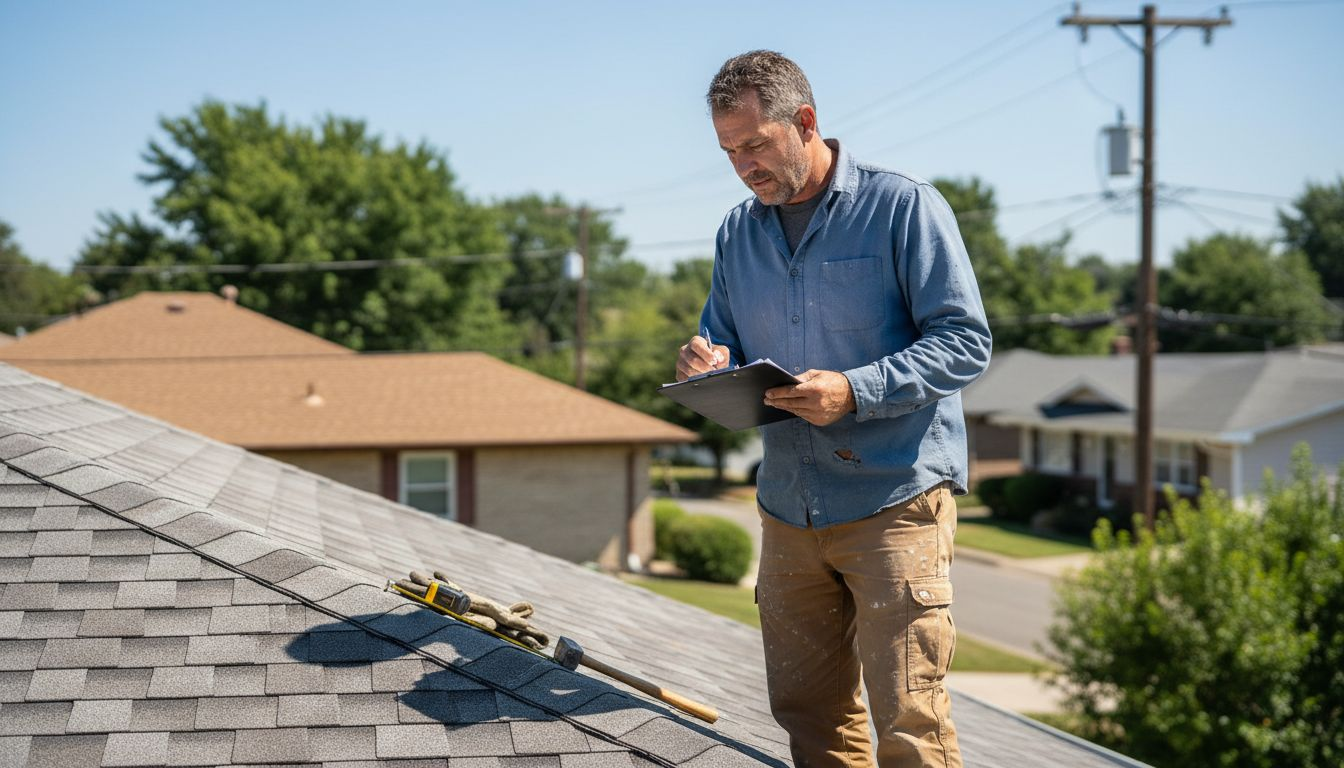
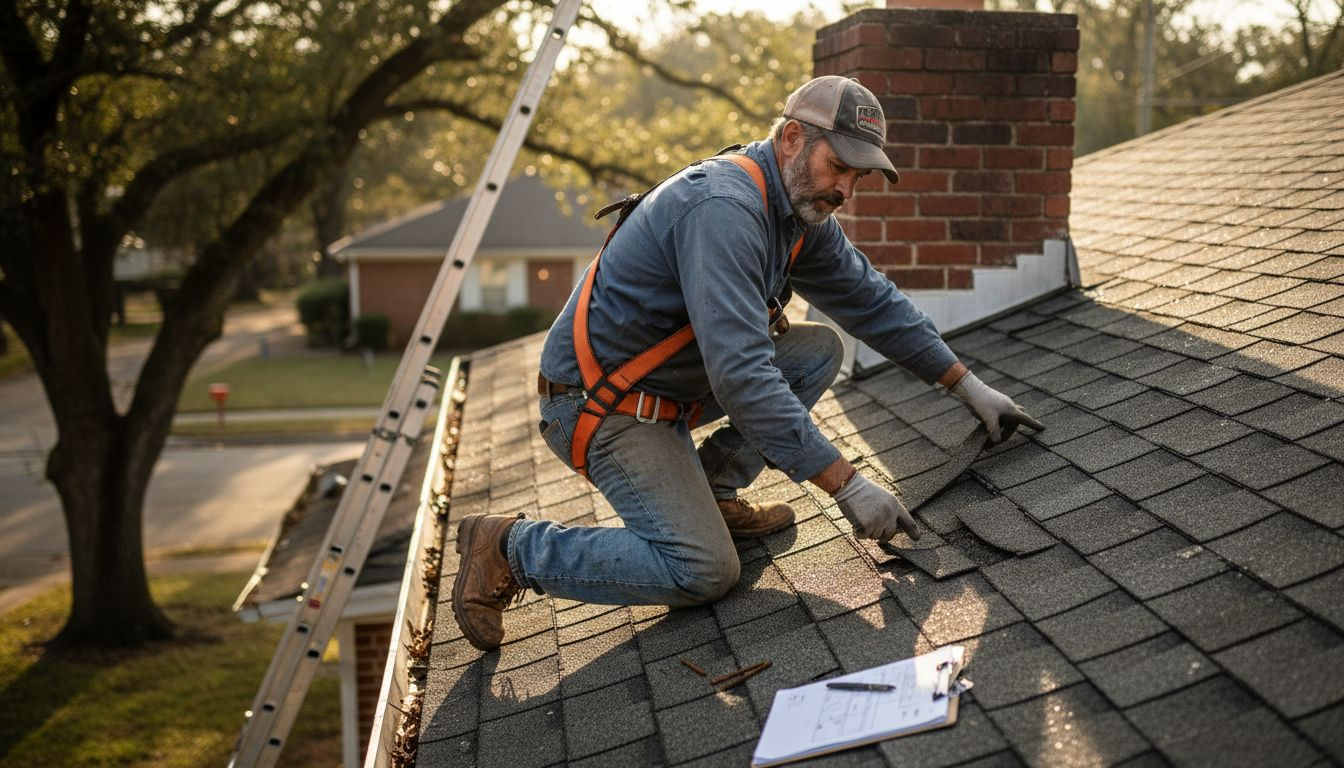
- Conducting detailed roof inspections
- Identifying sources of leaks and structural damage
- Performing precise repair and modification techniques
- Executing water testing to verify repair effectiveness
- Directing and supervising less experienced workers on complex projects
Professional roofing contractors bring specialized knowledge and technical expertise to every project. They understand complex roofing systems, possess advanced technical skills, and can recommend the most appropriate materials and installation techniques for specific structural requirements. Their work demands a combination of physical skill, technical understanding, and strategic problem-solving to ensure long-lasting, high-performance roofing solutions that protect homes and commercial buildings from environmental challenges.
Types of Roofing Services Provided
Roofing contractors offer a comprehensive range of services designed to address diverse residential and commercial roofing needs. According to the Canadian Roofing Contractors Association, roofing services are fundamentally categorized into two primary types: steep slope roofing and low slope roofing. Steep slope roofing, typically associated with residential structures, involves roofs with slopes of 2:12 or greater, while low slope roofing encompasses flat or minimally angled commercial roof systems.
Professional roofing services include a wide array of specialized interventions. As outlined by NACHI, these services comprehensively cover:
- Detailed roof system inspections
- Comprehensive damage assessment
- Identification of potential structural vulnerabilities
- Precise repair and restoration techniques
- Performance evaluation of existing roofing systems
Beyond basic repair and installation, roofing contractors provide strategic solutions tailored to specific architectural requirements. These services might include waterproofing, structural reinforcement, material replacement, and preventative maintenance programs. Learn more about choosing the right roofing material for your home to ensure you select the most appropriate solution for your specific residential or commercial project. Professional contractors bring technical expertise, advanced diagnostic skills, and comprehensive understanding of various roofing systems to deliver long-lasting, high-quality protective solutions that safeguard your property against environmental challenges.
Essential Qualifications and Certifications
Roofing contractors must possess a comprehensive set of professional qualifications that demonstrate their technical expertise and commitment to industry standards. According to the National Center for Construction Education and Research, professional roofing training programs developed in partnership with the National Roofing Contractors Association (NRCA) provide critical foundational skills covering essential areas such as safety protocols, technical drawing interpretation, and specialized substrate understanding.
The certification process for roofing professionals typically encompasses multiple critical components:
- Formal apprenticeship programs
- Technical skills training
- Safety certification
- Specialized system knowledge
- Ongoing professional development
Advanced professional qualifications go beyond basic training. NACHI offers specialized courses that teach advanced inspection techniques, enabling professionals to identify complex roofing defects caused by manufacturing issues, improper installation, natural weathering, and environmental damage. These advanced certifications distinguish top-tier roofing contractors who can provide comprehensive diagnostic and repair services. Homeowners seeking high-quality roofing work should prioritize contractors with verifiable professional certifications and demonstrated expertise in both residential and commercial roofing systems.
INFOGRAPHIC:infographic_content] [Learn more about selecting the right roofing professional for your project to ensure you receive expert, reliable service that meets the highest industry standards.
Safety Practices and Compliance Standards
Safety is paramount in the roofing industry, with professional contractors adhering to rigorous safety protocols and compliance standards that protect both workers and property owners. According to NCCER, comprehensive roofing training curricula emphasize foundational safety skills that are critical to preventing workplace accidents and ensuring high-quality project execution.
Key safety practices for roofing professionals include:
- Mandatory personal protective equipment (PPE)
- Comprehensive fall protection systems
- Thorough equipment inspection protocols
- Hazard identification and mitigation strategies
- Regular safety training and certification updates
NACHI highlights the importance of specialized safety training in roof inspection and maintenance, which goes beyond basic protective measures to include detailed risk assessment and systematic safety management. Professional roofing contractors must demonstrate comprehensive safety competence, understanding that every project involves potential risks that require proactive management. This includes maintaining up-to-date certifications, implementing stringent workplace safety protocols, and continuously educating team members about emerging safety technologies and best practices. Learn more about our commitment to safety and professional standards to understand how we prioritize worker and client safety in every roofing project.
Responsibilities, Costs, and Common Pitfalls
Roofing projects involve complex financial considerations and potential challenges that homeowners must carefully navigate. According to the American Society of Civil Engineers, understanding technical specifications is crucial in preventing costly mistakes, with key technical factors like minimum slope requirements and wind resistance playing significant roles in long-term roof performance and durability.
Common challenges in roofing projects typically include:
- Unexpected structural damage discoveries
- Material quality variations
- Complex installation requirements
- Budget overrun risks
- Potential weather-related complications
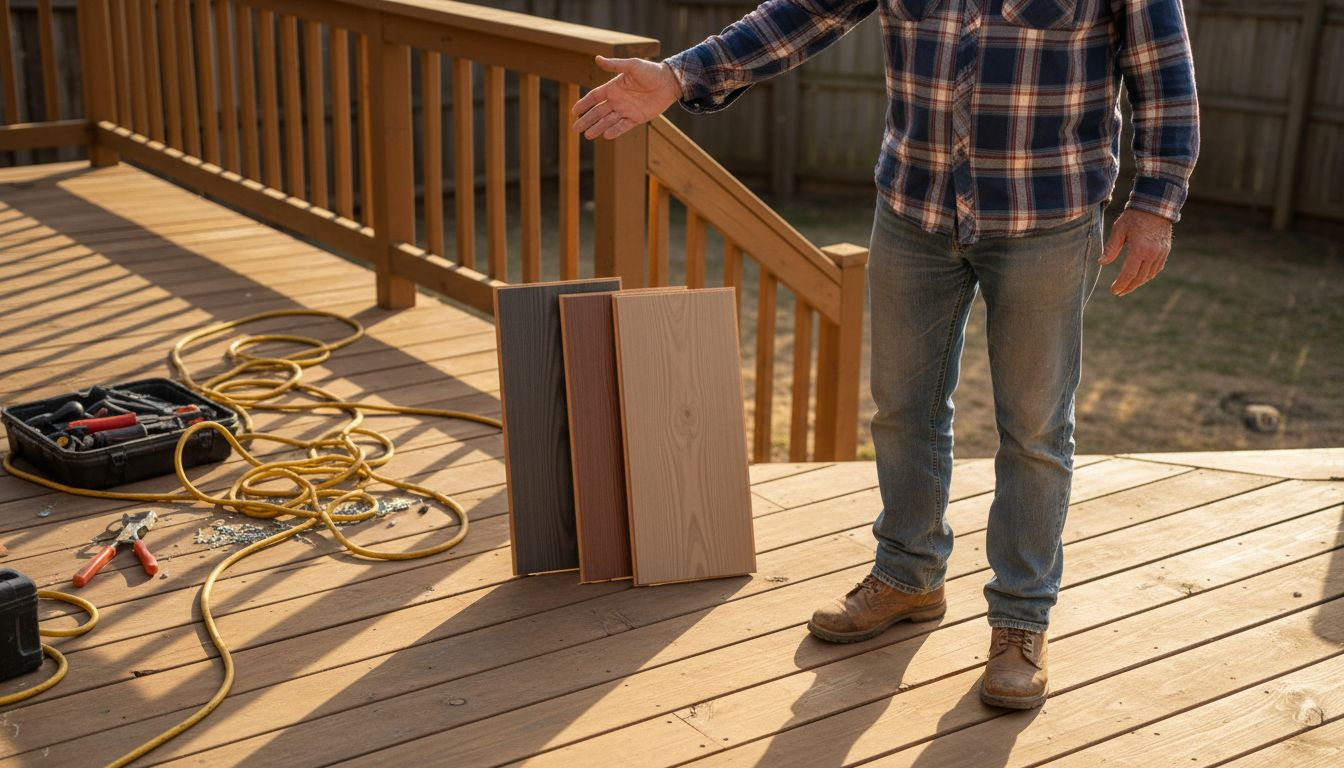
The Insurance Institute for Business & Home Safety emphasizes that different roofing materials present unique installation challenges and cost considerations. Residential roofing projects require meticulous planning, with homeowners needing to understand the nuanced differences between materials like asphalt shingles, metal, and tile roofing. Professional contractors must transparently communicate potential risks, provide detailed cost breakdowns, and offer comprehensive warranties to mitigate financial uncertainties. Learn more about selecting the right roofing material for your home to make an informed decision that balances quality, durability, and budget constraints.
Trust Expert Roofing Contractors to Protect Your Home
Understanding the crucial role of roofing contractors helps you recognize the importance of skilled professionals who inspect, repair, and maintain your roof with precision. If you are facing challenges like unexpected leaks, material wear, or need a reliable roofing solution for your home in Moncton, it is essential to work with certified experts who prioritize safety and quality craftsmanship. The right contractor will guide you through choosing the best materials, avoid costly pitfalls, and ensure lasting protection for your investment.
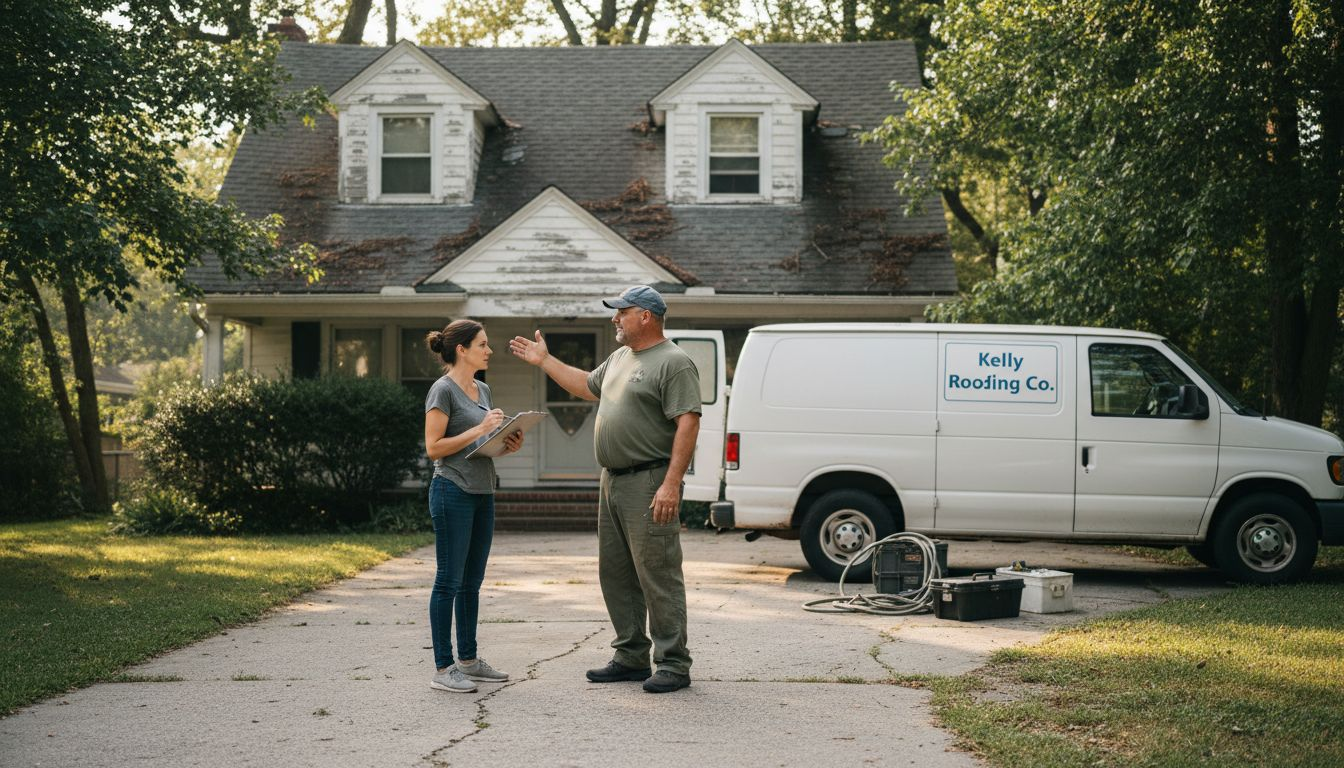
Explore our trusted Roofing Archives – J. A. Kelly Contracting Services to see how we bring advanced roofing knowledge and professional care to every project. Our team at J. A. Kelly Contracting Services is committed to delivering exceptional results backed by customer satisfaction and industry certifications. Don’t wait until minor issues become major repairs. Contact us today and secure a free estimate to start your roofing project with confidence.
Frequently Asked Questions
What are the primary responsibilities of roofing contractors?
Roofing contractors are responsible for installing, repairing, and maintaining roofing systems. Their core duties include conducting detailed roof inspections, identifying leaks and structural damage, performing repairs, and supervising less experienced workers on projects.
What types of roofing services do contractors typically offer?
Roofing contractors provide a variety of services, including steep slope and low slope roofing, detailed roof inspections, damage assessments, repair and restoration techniques, and preventative maintenance programs tailored to specific architectural requirements.
What qualifications should I look for in a roofing contractor?
When selecting a roofing contractor, it’s important to prioritize those with verifiable professional certifications, completion of formal apprenticeship programs, and advanced training in safety protocols and roofing techniques to ensure they meet industry standards.
How do roofing contractors ensure safety on the job?
Roofing contractors adhere to strict safety protocols, including using personal protective equipment (PPE), implementing fall protection systems, conducting equipment inspections, and providing regular safety training to manage workplace risks effectively.
Recommended
- Why Hire a Contractor: Complete Homeowner Guide – J. A. Kelly Contracting Services
- Roofing Installation Guide: Step-By-Step for Homeowners – J. A. Kelly Contracting Services
- How to Hire a Roofing Contractor for a Stress-Free Project – J. A. Kelly Contracting Services
- What Is a Roofing Estimate? Complete Breakdown – J. A. Kelly Contracting Services