





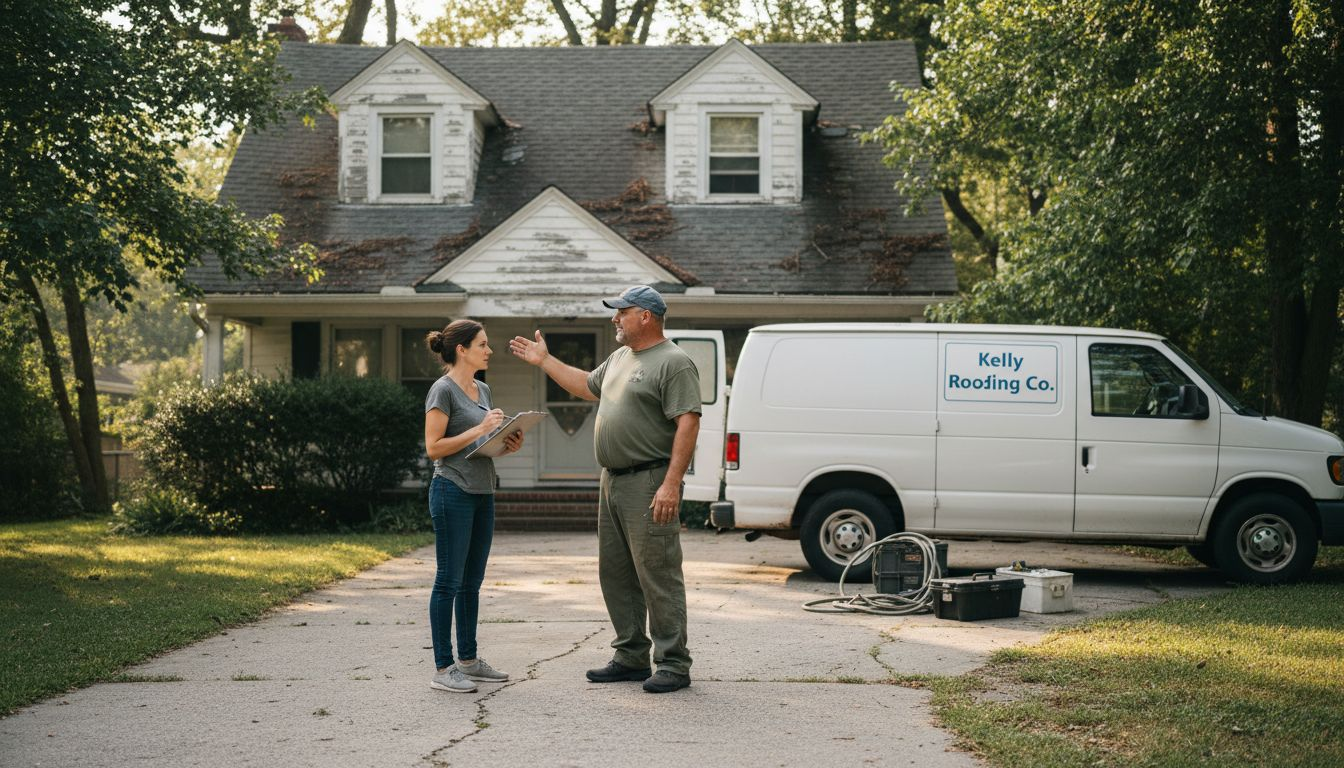
More than 60 percent of American homeowners encounter unexpected issues during their renovation projects, often leading to extra costs and delays. Tackling a home remodel can feel daunting when you are unsure where to begin or what to look for in your current space. By following a clear, step by step approach, you can protect your investment, minimize surprises, and achieve the best results for your American home.
Table of Contents
- Step 1: Assess Current Condition And Identify Renovation Needs
- Step 2: Clear And Protect Furniture, Belongings, And Surfaces
- Step 3: Arrange Temporary Living And Safety Precautions
- Step 4: Coordinate With Contractors And Confirm Schedules
- Step 5: Verify Permits, Approvals, And Project Readiness
Quick Overview
| Key Insight | Explanation |
|---|---|
| 1. Assess Your Home Thoroughly | Conduct a comprehensive inspection to uncover visible and hidden issues that need renovation attention. |
| 2. Protect Your Belongings | Use protective coverings and a systematic approach to shield furniture and personal items from renovation damage. |
| 3. Prepare for Temporary Living | Plan for temporary accommodations and safety measures to manage disruptions from renovation work effectively. |
| 4. Communicate Clearly with Contractors | Establish a detailed schedule and project expectations with contractors to ensure smooth execution. |
| 5. Verify Permits and Approvals | Obtain necessary local permits and approvals to ensure legal compliance and project readiness before starting. |
Step 1: Assess Current Condition and Identify Renovation Needs
Before diving into home renovations, conducting a thorough assessment of your home’s current condition is critical. Understanding the existing state of your property will help you create a strategic renovation plan that addresses both visible and hidden issues. Your goal is to uncover potential problems and prioritize improvements that enhance your home’s functionality and value.
Professional home inspectors can provide a comprehensive evaluation using systematic assessment techniques. Professional inspectors utilize specialized methods to identify structural, mechanical, and electrical concerns that might not be immediately apparent to homeowners. They can help calculate repair priorities by examining factors like the Facility Condition Index, which quantifies the overall condition and potential renovation needs of your property.
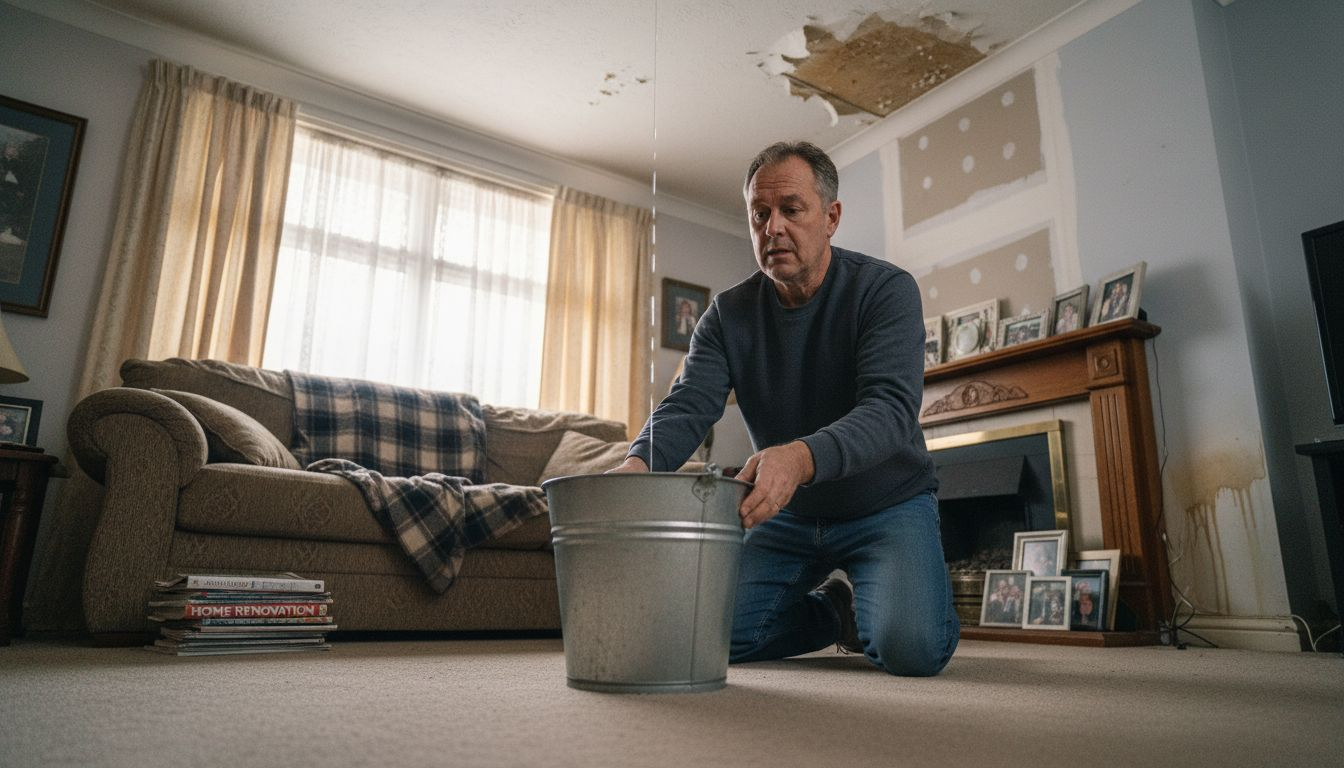
Start by walking through each room and documenting potential issues such as water damage, structural cracks, outdated electrical systems, or inefficient insulation. Pay special attention to areas prone to wear and tear like bathrooms, kitchens, and basements. Take detailed notes and photographs to create a comprehensive renovation roadmap that addresses both aesthetic upgrades and necessary repairs.
To help prioritize your renovation, here is a summary of common areas assessed and typical issues found:
| Area Assessed | Common Hidden Issues | Potential Impact |
|---|---|---|
| Bathroom | Mold, plumbing leaks | Water damage, health hazards |
| Kitchen | Outdated wiring, leaks | Fire risk, appliance failure |
| Basement | Foundation cracks, moisture | Structural damage, mold growth |
| Attic | Inadequate insulation | Higher energy bills |
| Exterior Walls | Cracks, water intrusion | Reduced curb appeal, decay |
Pro tip: Schedule a professional home inspection before finalizing your renovation plans to uncover potential hidden issues that could significantly impact your project budget and timeline.
Step 2: Clear and Protect Furniture, Belongings, and Surfaces
Preparing your home for renovation requires strategic planning to safeguard your valuable belongings and living spaces. This crucial step involves carefully removing and protecting furniture, personal items, and surfaces from potential damage during the renovation process. By taking proactive measures, you can minimize the risk of costly accidents and ensure your possessions remain in pristine condition.
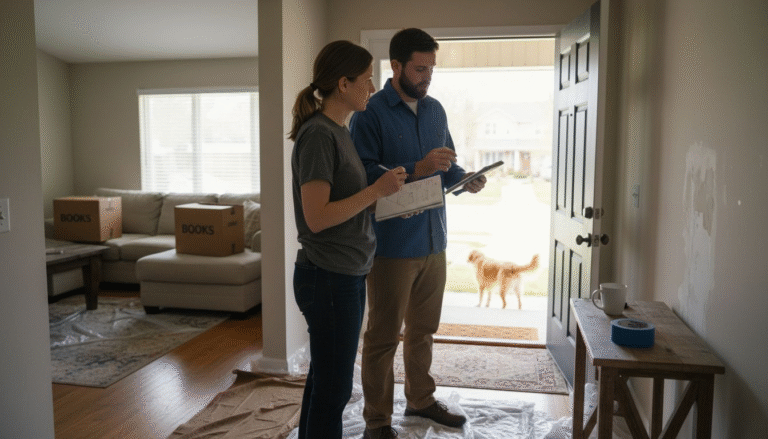
Robust protective coverings like plastic sheets and durable drop cloths are essential for shielding your furniture and surfaces from dust, paint splashes, and accidental impacts. Start by removing smaller items and delicate objects from the renovation area. For larger furniture pieces that cannot be relocated, use heavy duty plastic sheeting or specialized furniture covers, making sure to secure them tightly to prevent slipping.
Implement a systematic approach to protecting different areas of your home. Move furniture to a safe storage area or centralize it in a protected room. Cover floors with heavy canvas drop cloths or rosin paper to prevent scratches and paint stains. Establish a consistent cleaning routine before, during, and after renovation work to manage dust and debris, which can cause long term damage to your belongings.
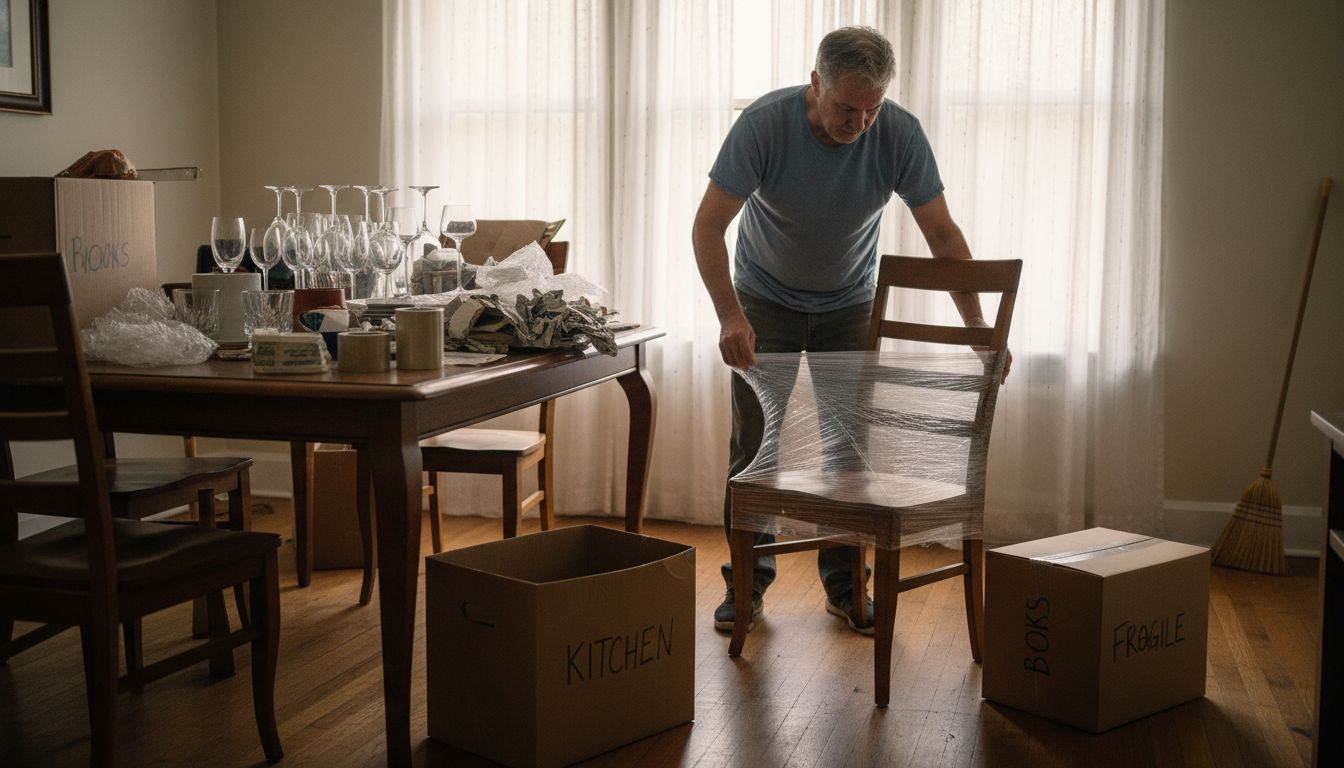
Pro tip: Create a detailed inventory of items you are moving or covering, taking photographs to document their original condition and placement. This will help you track your belongings and provide protection in case of any unexpected damage during the renovation process.
Step 3: Arrange Temporary Living and Safety Precautions
Renovation projects can significantly disrupt your daily life, making it crucial to plan for temporary living arrangements and implement comprehensive safety measures. Your primary goal is to create a safe, functional environment that minimizes inconvenience and protects your family during the renovation process.
Maintaining indoor air quality requires strategic planning and protective barriers to prevent dust and chemical exposure. Consider scheduling renovation work during times when fewer family members are present. Create physical separation between renovation zones and living spaces by hanging heavy plastic sheeting or temporary walls. Ensure proper ventilation by opening windows and using exhaust fans to reduce the concentration of dust and volatile organic compounds.
Constructing temporary barriers and controlling environmental conditions is essential for protecting your family and belongings. Establish a separate living area away from construction zones, ideally in a part of your home untouched by renovation work. Pack essential items separately, create a temporary kitchen setup if needed, and establish clear pathways to minimize interaction with construction areas. Consider temporary housing options if the renovation significantly impacts your living space, such as staying with family or renting a short term apartment.
Compare these temporary living options during major home renovations:
| Option | Pros | Cons |
|---|---|---|
| Stay with family/friends | Cost-saving, familiar space | Lack of privacy, inconvenience |
| Short-term rental | Full privacy, flexible duration | Can be costly, extra moving |
| Remain in home (zoned) | Convenience, lower expense | Disruption, safety risks |
Pro tip: Create a comprehensive safety kit including dust masks, protective eyewear, and a first aid kit. Keep this kit easily accessible and ensure all family members know its location in case of emergency during the renovation process.
Step 4: Coordinate with Contractors and Confirm Schedules
Successful home renovations hinge on clear communication and meticulous scheduling with your chosen contractors. This critical step involves establishing precise timelines, defining project expectations, and creating a collaborative framework that ensures smooth project execution and minimal disruptions to your daily life.
Professional home inspections provide a foundational assessment that helps contractors develop accurate project timelines and identify potential challenges. Schedule an initial comprehensive meeting where you discuss detailed project scope, expected milestones, and potential contingencies. Ask for a written timeline that breaks down each phase of work, including estimated start and completion dates for specific tasks. Discuss work hours, access to your property, and any specific requirements or constraints that might impact the project schedule.
Strategic scheduling can minimize disruptions and health risks during your renovation. Coordinate with contractors to plan work phases during periods when your household experiences minimal activity. Establish clear communication channels such as preferred contact methods, frequency of progress updates, and a designated point of contact for addressing questions or concerns. Confirm payment schedules, understand change order processes, and ensure all agreements are documented in a comprehensive written contract that protects both parties.
Pro tip: Create a shared digital folder or communication platform where all project documents, timelines, and communications can be easily accessed and tracked by both you and your contractors.
Step 5: Verify Permits, Approvals, and Project Readiness
Before breaking ground on your renovation project, obtaining the necessary permits and approvals is a critical step that ensures legal compliance and protects your investment. This process involves navigating local regulations, securing official documentation, and confirming that your project meets all required standards.
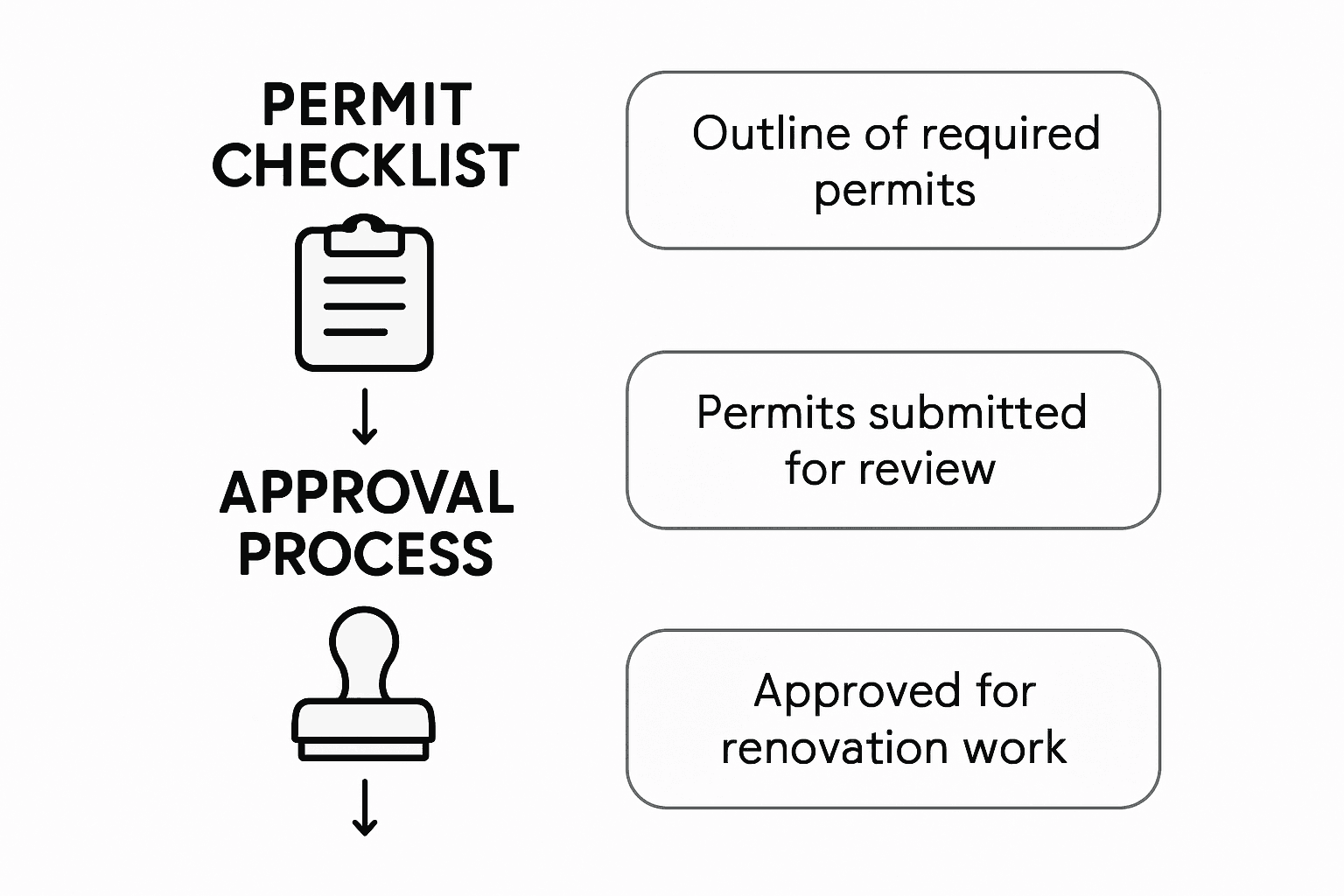
Comprehensive home assessments help determine the specific requirements for permits and approvals by identifying potential structural, electrical, or mechanical challenges that might impact your renovation. Contact your local municipal building department to understand the specific permits required for your project. Different types of renovations demand varying levels of official documentation, ranging from minor alteration permits to major construction approvals. Gather all necessary documentation, including detailed project plans, property surveys, and contractor credentials.
Ensuring project readiness involves careful planning and compliance with health and safety standards beyond just obtaining permits. Verify that your contractors are licensed and insured, and that all proposed work meets local building codes. Review zoning regulations, historic preservation requirements if applicable, and any homeowners association rules that might impact your renovation. Keep copies of all permits and approvals in a dedicated file, and ensure they are displayed visibly at the renovation site as required by local regulations.
Pro tip: Schedule a pre renovation consultation with local building inspectors to proactively identify any potential compliance issues and streamline the permitting process before investing significant time and resources.
Ready to Transform Your Home with Confidence
Preparing your home for renovation involves more than just cosmetic updates. Challenges such as identifying hidden issues, protecting your belongings, arranging temporary living, coordinating with contractors, and securing permits can feel overwhelming. These steps require careful planning and reliable expertise to avoid costly delays and frustrations. Understanding concepts like the Facility Condition Index and ensuring safety during construction are critical for a smooth renovation journey.
At J. A. Kelly Contracting Services, we specialize in guiding Moncton homeowners through every phase of home improvement. Whether you need expert advice on evaluating your property, professional protection techniques, or assistance securing necessary permits, our team delivers quality craftsmanship and clear communication you can trust. Explore our comprehensive Home Renovation Archives and learn how we turn renovation challenges into successes.
Don’t let the complexity of preparing for renovation hold you back. Visit https://jakellycontractingservices.ca today to schedule a free estimate and take the first step toward a safer and more beautiful home. Discover how our skilled contractors can make your renovation project a seamless experience from start to finish. For roofing solutions linked to your renovation needs, explore our Roofing Archives as well.
Frequently Asked Questions
What should I prioritize when assessing my home before renovation?
To prioritize effectively, focus on identifying critical issues such as water damage, structural cracks, and outdated electrical systems. Start by conducting a thorough inspection room by room to document all visible and hidden problems, creating a detailed list that guides your renovation plan.
How can I protect my belongings during the renovation process?
Safeguard your possessions by carefully moving smaller items out of the renovation area and covering larger furniture with heavy-duty plastic sheeting or specialized covers. Establish a centralized storage location for your furniture and apply protective coverings to all surfaces to prevent damage from dust and debris.
What temporary living options should I consider during major renovations?
Consider options like staying with family or friends, renting a short-term apartment, or remaining in the home with designated zones for living. Evaluate each option based on privacy, cost, and convenience, and choose a solution that best supports your comfort during the renovation period.
How do I effectively coordinate with contractors during the renovation?
To coordinate smoothly, establish clear timelines and communication protocols with your contractors from the outset. Schedule an initial meeting to outline project expectations and confirm specific work hours, ensuring everyone is on the same page from day one.
Why is it important to obtain permits before starting renovations?
Obtaining permits is essential to ensure that your renovation complies with local building codes and regulations. Before starting, contact your local building department to identify required permits and gather necessary documentation to avoid legal complications and ensure project readiness.
What are the key components of a comprehensive pre-renovation inspection?
A comprehensive pre-renovation inspection should evaluate the condition of the structure, electrical systems, plumbing, and potential environmental hazards. Enlist the help of a professional inspector to ensure all critical areas are assessed accurately, allowing you to address any issues before renovations begin.
Recommended
- How to Plan Home Renovation: Step-by-Step Guide for Homeowners – J. A. Kelly Contracting Services
- Bathroom Renovation Steps for a Stunning Home Upgrade – J. A. Kelly Contracting Services
- What Is Home Renovation? Complete Guide for Homeowners – J. A. Kelly Contracting Services
- 7 Essential Bathroom Remodel Tips Every Homeowner Needs – J. A. Kelly Contracting Services
- Hvordan fungerer oppussing? Steg for steg prosess
- 7 zasad skutecznej organizacji wnętrz – praktyczne porady | Przestrzeń Od Nowa
- How to Restore Old Hardwood Floors a DIY Guide for Denver Homes