
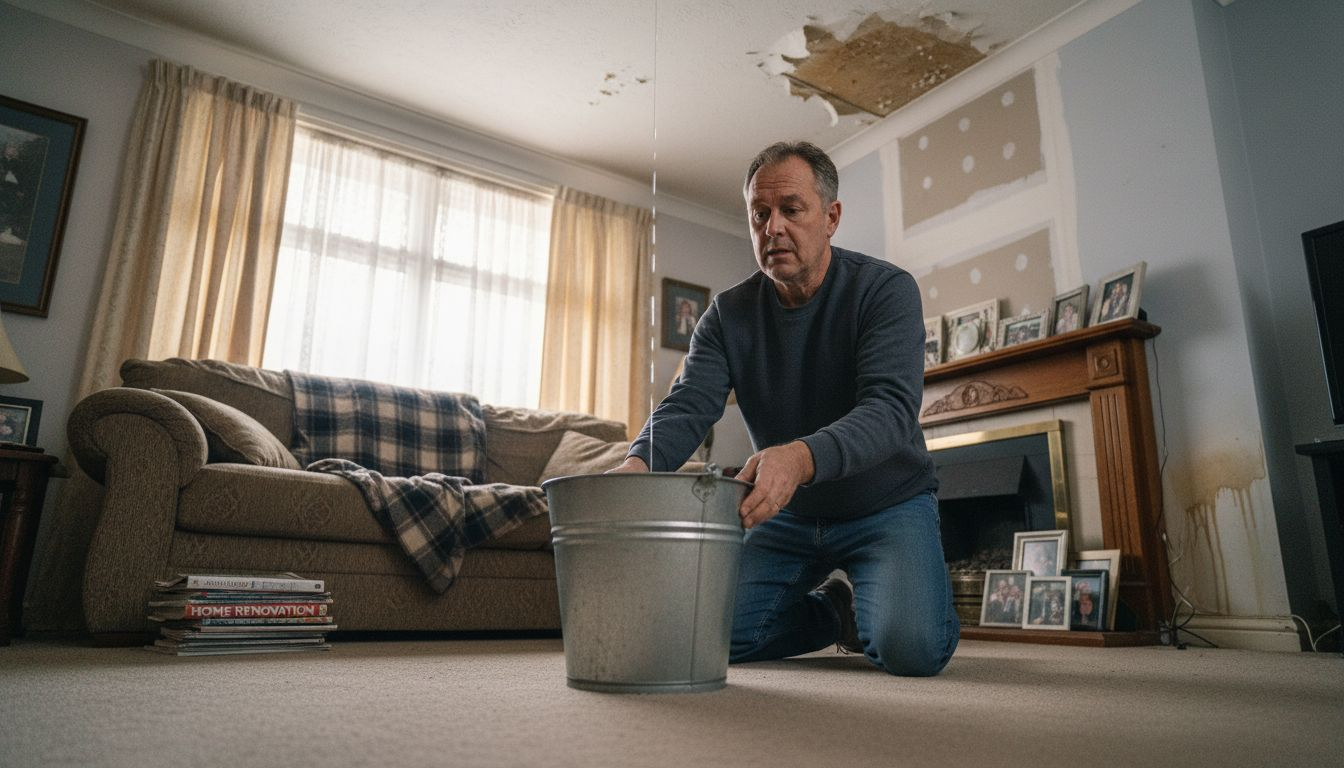





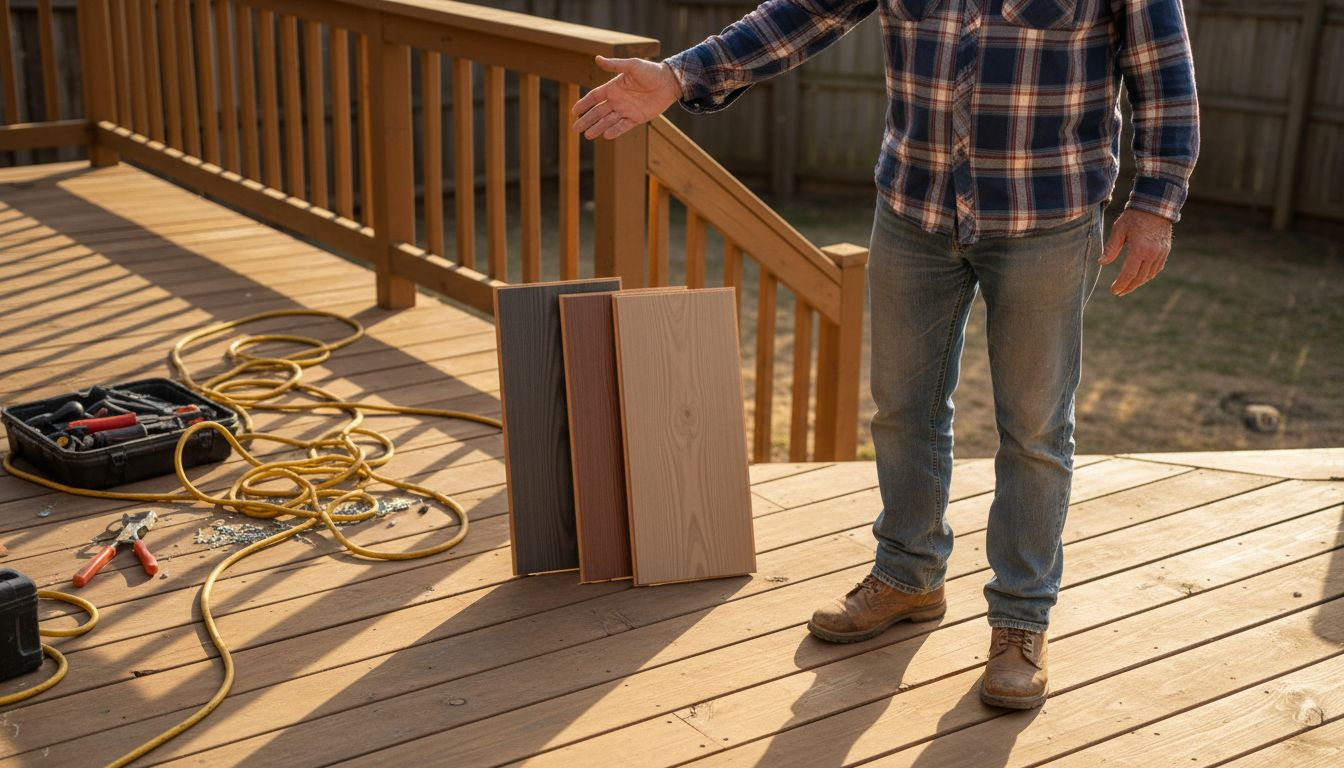
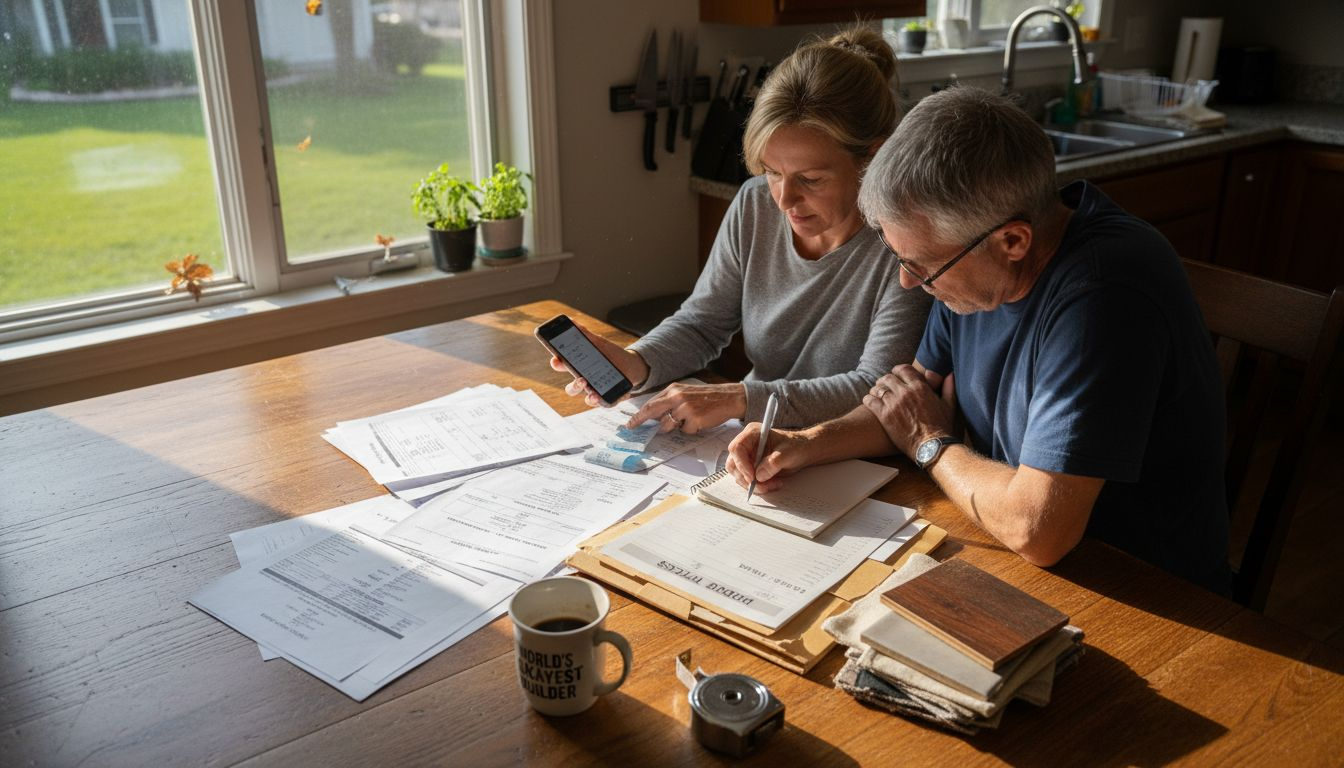
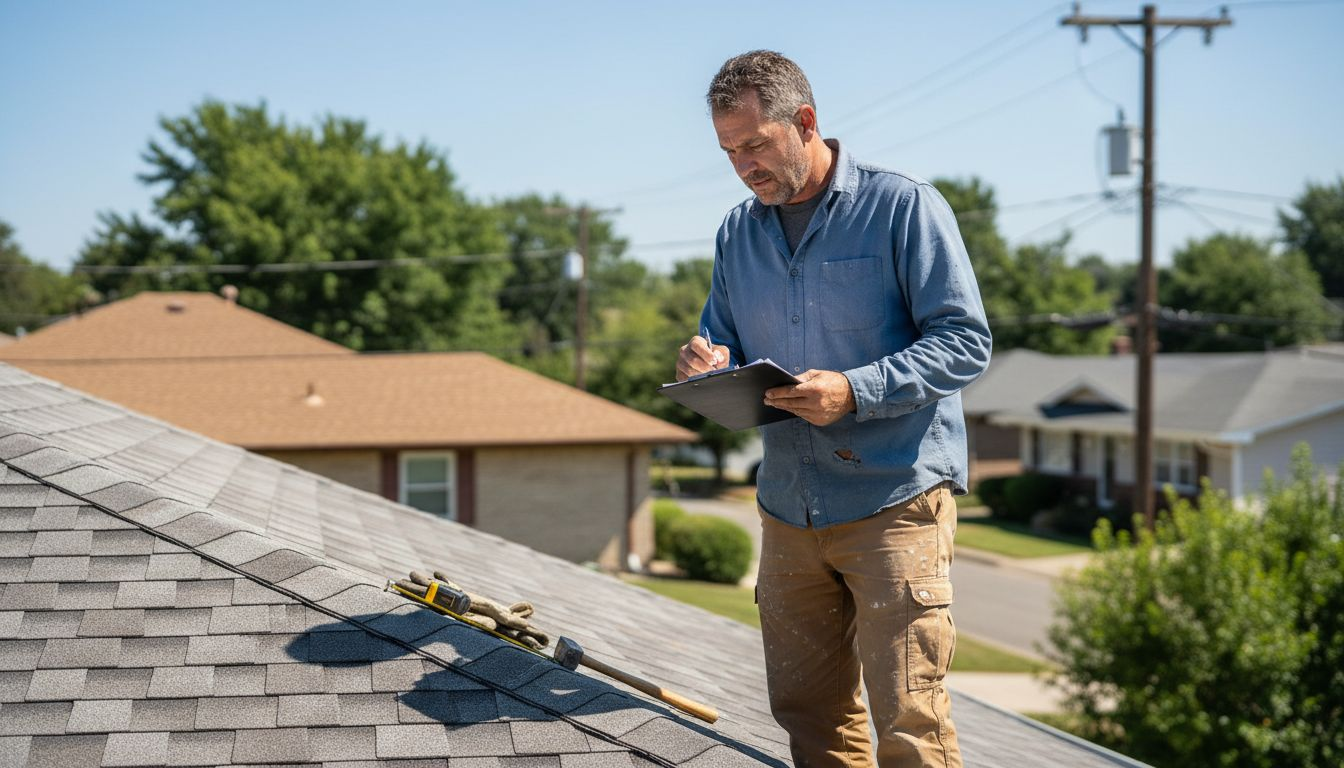
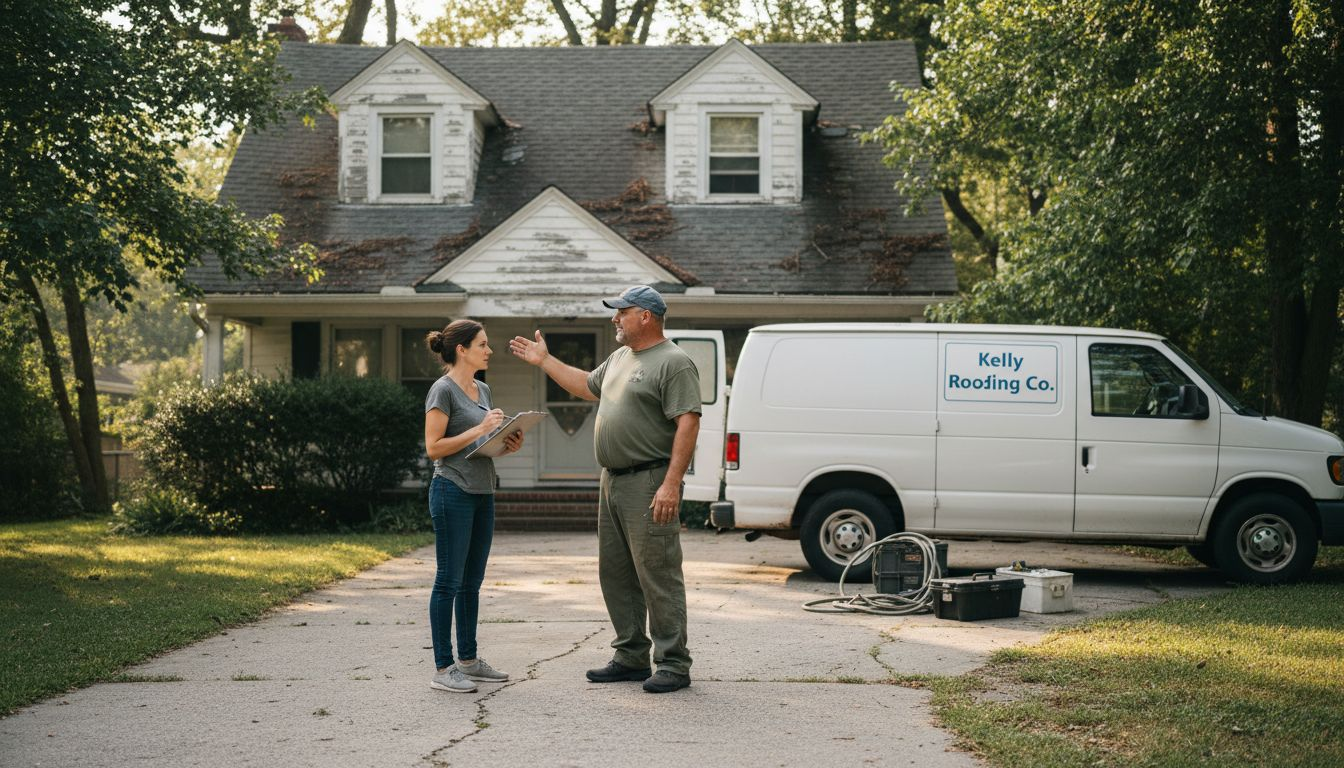
Most Canadian and American homeowners agree that finding a reliable contractor can be more stressful than the renovation itself. When you are planning a home upgrade in Moncton, a single misstep early on can lead to setbacks, wasted money, and unresolved frustrations. By understanding the real factors that matter when choosing local experts, you position yourself to protect your investment and transform your home safely and confidently.
Table of Contents
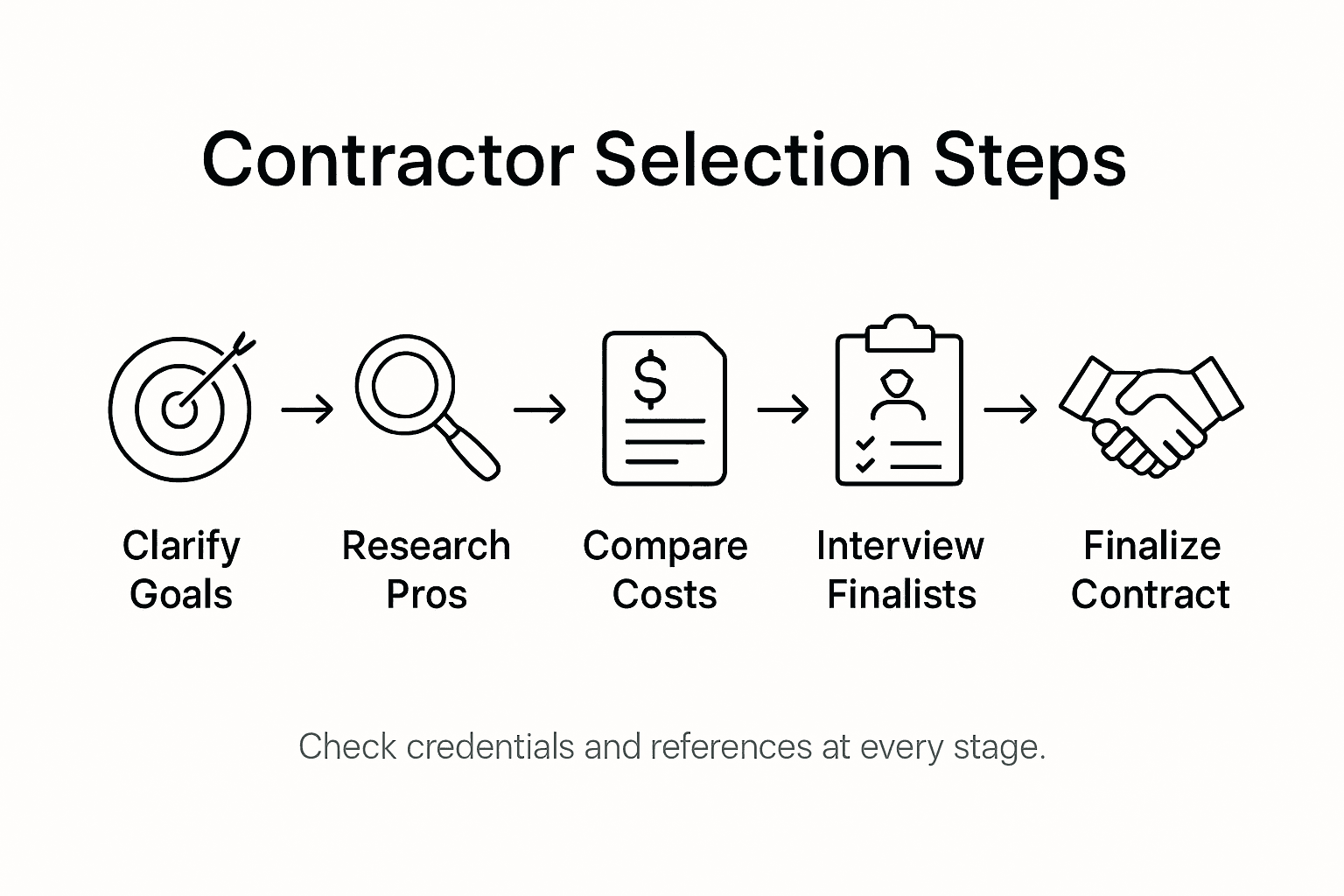
- Step 1: Clarify Your Renovation Needs And Goals
- Step 2: Research Local Contractors And Verify Credentials
- Step 3: Compare Estimates And Review Past Projects
- Step 4: Interview Finalists And Check References
- Step 5: Finalize Agreement And Secure Project Details
Quick Summary
| Core Insight | Explanation |
|---|---|
| 1. Define Clear Renovation Goals | Assess your living space and clarify objectives to communicate needs effectively. |
| 2. Verify Contractor Credentials | Research qualifications and check licenses to ensure you’re hiring competent professionals. |
| 3. Compare Detailed Estimates | Look at itemized contractor estimates to identify costs and potential hidden fees. |
| 4. Interview and Check References | Conduct interviews to gauge reliability and seek references for firsthand insights. |
| 5. Finalize a Comprehensive Contract | Ensure your agreement covers all details, including scope, payment, and potential changes. |
Step 1: Clarify your renovation needs and goals
Successful home renovation starts with crystal clear objectives that transform your living space into exactly what you want. Your renovation journey begins by understanding precisely what you hope to achieve and why.
Start by conducting a thorough assessment of your current living space and identifying specific pain points or desired improvements. Are you looking to enhance functionality, update aesthetic appeal, increase home value, or address structural issues? Strategic project planning involves carefully evaluating current conditions and setting priority goals that align with your long term residential needs.
Consider creating a detailed list of renovation objectives that covers practical requirements and aesthetic preferences. Break down your goals into categories like budget constraints, timeline expectations, specific room improvements, and overall home enhancement vision. This approach helps contractors understand your exact needs and provide more accurate project proposals. Focus on prioritizing renovations that offer the most significant impact on your daily living experience and potential home value.
Here’s a concise summary of typical renovation objectives and their long-term impact:
| Objective Category | Typical Examples | Long-Term Home Impact |
|---|---|---|
| Functionality | Kitchen layout, storage | Enhances daily convenience |
| Aesthetic Appeal | Flooring, paint, fixtures | Improves visual satisfaction |
| Increased Value | Addition, remodeling | Boosts resale price |
| Structural Improvements | Roof repair, foundation work | Ensures safety, longevity |
Pro tip: Create a visual mood board or digital folder with inspiration images and specific design elements to help communicate your renovation vision more effectively to potential contractors.
Step 2: Research local contractors and verify credentials
Researching and verifying local contractors is a critical step in ensuring your home renovation project starts on solid ground. Your goal is to find qualified professionals who can transform your renovation vision into reality while protecting your investment.
Comprehensive contractor credential verification involves a systematic approach to checking qualifications, licenses, and professional standing. Begin by compiling a list of potential contractors through local referrals, online directories, and recommendations from friends or family. Check each contractor’s licensing status with your provincial regulatory board, ensuring they hold current and valid credentials for the specific type of work you need. Review their professional insurance documentation, looking for comprehensive liability coverage that protects both you and the contractor in case of unexpected incidents during the renovation.
Dig deeper into each contractor’s professional background by requesting and thoroughly checking references from previous clients. Look for contractors with documented experience in projects similar to your renovation scope. Pay attention to online reviews, but also request portfolio examples that demonstrate their expertise. Standardized screening procedures help mitigate potential risks by conducting thorough background checks and verifying employee records. Consider scheduling initial consultations with your top candidates to assess their communication skills, professionalism, and alignment with your project vision.
Pro tip: Create a standardized evaluation spreadsheet to track and compare contractor credentials, references, and quotes systematically to make an informed decision.
Step 3: Compare estimates and review past projects
Comparing contractor estimates and thoroughly reviewing their past project history are crucial steps in selecting the right professional for your home renovation. This process helps you understand not just the potential costs, but the quality and reliability of each contractor’s work.

Advanced cost estimation techniques leverage historical project data to provide more accurate and reliable financial projections. When reviewing estimates, look beyond the bottom line and examine the detailed breakdown of costs, materials, labor, and project timelines. Pay close attention to how comprehensively each contractor has documented their proposed work, noting the level of detail and transparency in their pricing structure. Request itemized estimates that clearly show material costs, labor expenses, potential additional charges, and projected timeline for completion.
Systematic review of past project estimations involves gathering comprehensive data and analyzing performance across multiple dimensions. Examine each contractor’s portfolio of completed projects, focusing on renovations similar to your planned work. Request before and after photos, client testimonials, and references you can contact directly. Look for patterns of consistency in quality, communication, adherence to budget, and project completion timeframes. Consider asking for references specifically from projects completed in the last 12 to 24 months to ensure you are reviewing their most recent work performance.
This table highlights factors to consider when comparing contractor estimates:
| Factor | Why It Matters | What to Look For |
|---|---|---|
| Pricing Breakdown | Reveals hidden costs | Itemized materials/labor |
| Timeline Estimate | Impacts daily life disruption | Realistic start/end dates |
| Portfolio Quality | Indicates expertise | Recent, similar projects |
| Client References | Validates reliability | Satisfied client testimonials |
Pro tip: Create a side-by-side comparison spreadsheet to objectively evaluate contractor estimates, past project details, and references, helping you make a more informed selection.
Step 4: Interview finalists and check references
Interviewing potential contractors and thoroughly checking their references is the final critical step in ensuring you select the right professional for your home renovation project. This process allows you to validate their capabilities, communication style, and professional reliability beyond what written materials reveal.
Comprehensive reference checking requires a strategic approach to gathering authentic information about a contractor’s past performance. During interviews, prepare a consistent set of questions that explore the contractor’s experience, problem solving skills, and approach to project management. Ask specific questions about their handling of unexpected challenges, communication with clients, adherence to timelines, and quality of work. Pay attention not just to their verbal responses, but to their demeanor, professionalism, and ability to articulate complex renovation details clearly and confidently.
Systematic reference verification involves carefully selecting and contacting references while maintaining legal and ethical standards. Request references from projects similar to yours and contact them directly. When speaking with past clients, inquire about their overall satisfaction, the contractor’s reliability, quality of workmanship, ability to stay within budget, and how effectively they managed unexpected issues. Listen for consistent themes in their feedback and be alert to any hesitations or red flags in their responses.
Pro tip: Record key points from each interview and reference check immediately after the conversation to help you objectively compare contractors and make a well informed final selection.
Step 5: Finalize agreement and secure project details
Finalizing your renovation agreement is the crucial moment where your vision transforms from potential to reality. This step requires careful attention to detail to ensure both you and your chosen contractor are fully aligned on expectations, deliverables, and project parameters.
Comprehensive construction contract documents establish clear guidelines for project scope, responsibilities, and performance expectations. Your agreement should meticulously outline every aspect of the renovation including detailed project specifications, precise material selections, exact work timelines, payment schedules, and specific milestones. Ensure the contract includes provisions for potential changes, unexpected complications, and clear protocols for communication and dispute resolution. Review each section carefully, paying special attention to warranty clauses, cleanup responsibilities, and how unforeseen issues will be managed.
A well structured renovation agreement protects both homeowner and contractor by defining precise obligations and expectations. Request a comprehensive written contract that breaks down costs transparently including labor, materials, potential additional expenses, and exact payment timelines. Confirm that all verbal agreements discussed during previous interactions are explicitly documented in the written contract. Verify that the contractor carries appropriate insurance, understands local building codes, and will secure necessary permits for your specific renovation project.
Pro tip: Consider having a legal professional review the contract before signing to ensure all your interests are properly protected and no critical details are overlooked.
Choose Confidence for Your Home Renovation Project
Struggling to find a reliable contractor who understands your renovation goals and delivers quality craftsmanship can be overwhelming. This guide highlights key pain points such as verifying credentials, comparing detailed estimates, and securing clear agreements to protect your investment. At J. A. Kelly Contracting Services, we specialize in addressing these concerns by offering transparent project planning, proven expertise, and a commitment to customer satisfaction.
Ready to move beyond uncertainty? Explore our Home Renovation Archives – J. A. Kelly Contracting Services to see how we bring renovation visions to life with precision and professionalism. Discover our comprehensive approach at J. A. Kelly Contracting Services and learn why local homeowners in Moncton trust us for reliable, high-quality renovations. Contact us today for a free estimate and take the first confident step toward your dream home.
Frequently Asked Questions
How do I determine my renovation needs before hiring a contractor?
To determine your renovation needs, conduct a thorough assessment of your current living space and identify specific areas for improvement. Create a detailed list of objectives that includes functionality, aesthetics, budget constraints, and timelines to communicate clearly with potential contractors.
What should I look for when verifying a contractor’s credentials?
When verifying a contractor’s credentials, check their licensing status, insurance documentation, and professional background. Compile a list of potential contractors and review their qualifications through reliable local resources to ensure you are hiring experienced professionals.
How can I assess contractor estimates for my renovation project?
Assess contractor estimates by looking beyond the total cost and examining the detailed breakdown of materials, labor, and timelines. Request itemized estimates to understand each cost component and ensure transparency before making a decision.
What questions should I ask contractors during the interview process?
During the interview process, ask contractors about their experience with similar projects, how they handle unexpected challenges, and their communication style. Prepare a consistent set of questions to gauge their professionalism and ability to articulate complex details clearly.
How do I finalize the agreement with my chosen contractor?
To finalize the agreement, ensure the contract outlines every aspect of the renovation, including project specifications, materials, work timelines, and payment schedules. Review the entire document carefully to confirm that all verbal agreements are documented and that both parties understand their responsibilities.
What steps can I take to ensure clear communication with my contractor?
To ensure clear communication, establish preferred channels of contact and set expectations for regular check-ins. Agree on a timeline for updates and encourage open dialogue to address any issues as they arise during the renovation process.
Recommended
- 7 Expert Tips for Hiring Contractors Every Homeowner Needs – J. A. Kelly Contracting Services
- How to Find Reliable Contractor for Home Projects Easily – J. A. Kelly Contracting Services
- How to Plan Home Renovation: Step-by-Step Guide for Homeowners – J. A. Kelly Contracting Services
- Why Hire a Contractor: Complete Homeowner Guide – J. A. Kelly Contracting Services