



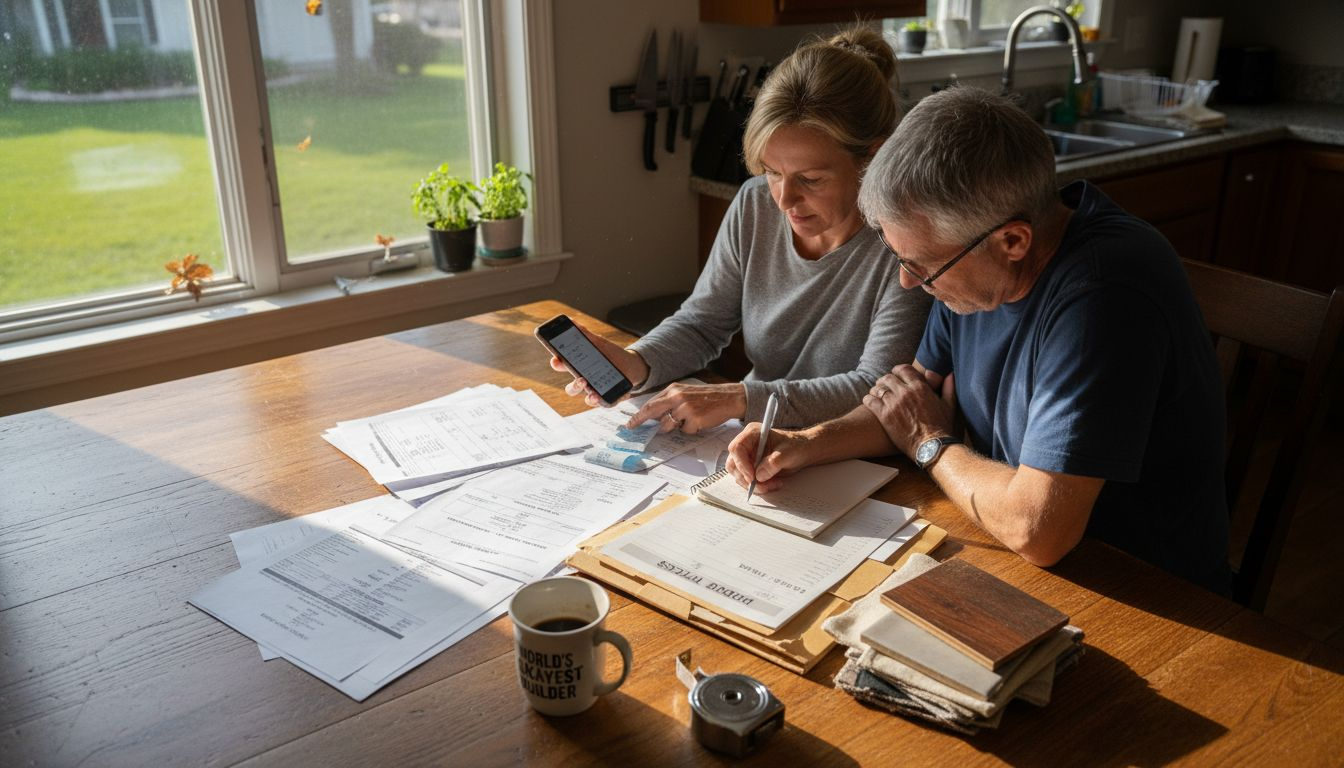

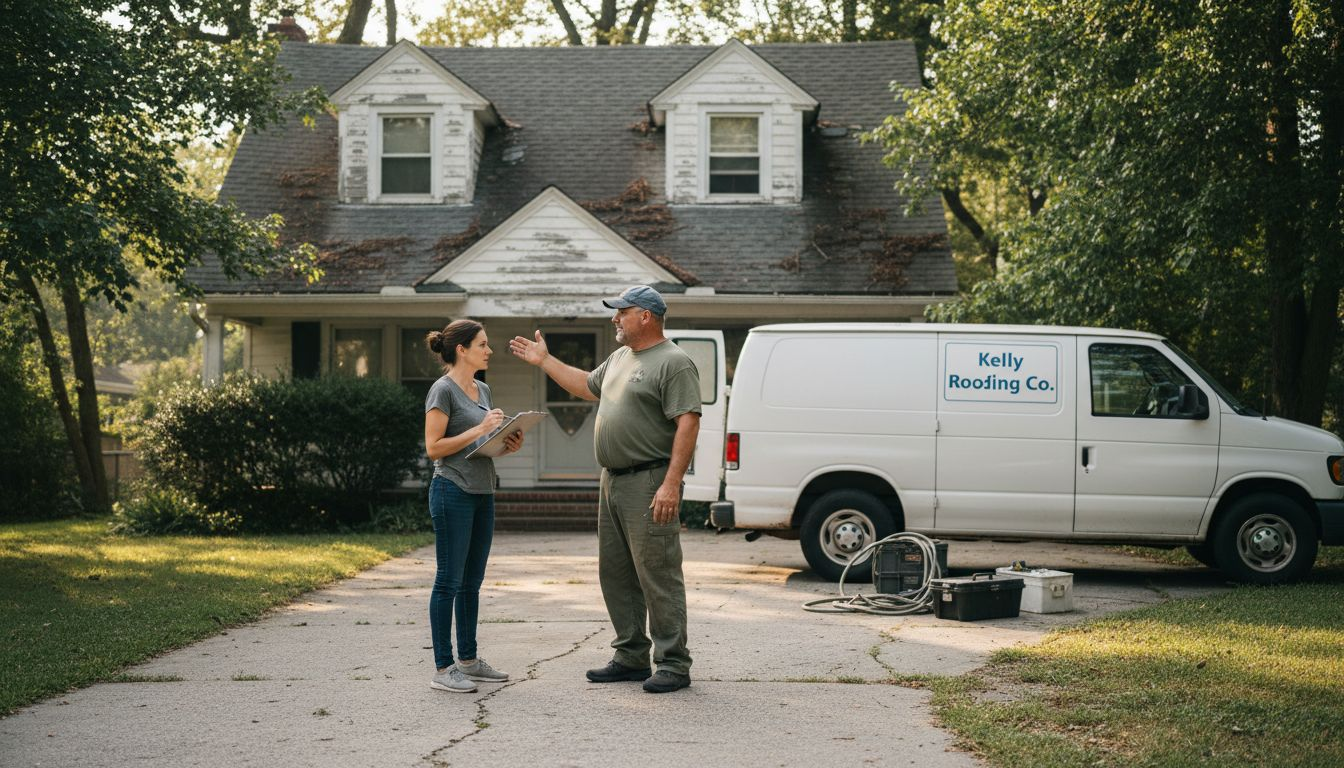
Most American homeowners spend nearly $15,000 on remodeling projects, but smart planning can cut costs without sacrificing results. In Moncton, New Brunswick, balancing value and budget is crucial when updating your home. Careful assessment of renovation priorities and clear financial strategies help you maximize your investment and avoid costly mistakes. This guide walks you through practical steps to prioritize, estimate, and control expenses for home improvements that add lasting value.
Table of Contents
- Step 1: Assess Renovation Goals And Needs
- Step 2: Estimate All Potential Renovation Costs
- Step 3: Set A Realistic Renovation Budget
- Step 4: Prioritize Renovation Tasks And Features
- Step 5: Track Spending And Adjust As Needed
- Step 6: Review Results And Finalize Your Renovation Budget
Quick Summary
| Key Point | Explanation |
|---|---|
| 1. Assess Your Renovation Goals Clearly | Evaluate your home’s current condition and articulate specific improvement needs to maximize value and ensure focus on what’s essential. |
| 2. Estimate All Potential Renovation Costs | Create a detailed budget that includes all expected expenses, allowing for a contingency fund to manage unforeseen issues smoothly. |
| 3. Set a Realistic Renovation Budget | Align your improvement objectives with your financial capacity by assessing available funds and prioritizing high-return projects. |
| 4. Prioritize Renovation Tasks by Urgency | Categorize tasks into structural, functional, and aesthetic improvements to ensure critical repairs are completed first. |
| 5. Track Spending and Adjust as Needed | Maintain precise financial records and adjust your budget according to actual expenditures to prevent overruns and maintain project control. |
Step 1: Assess Renovation Goals and Needs
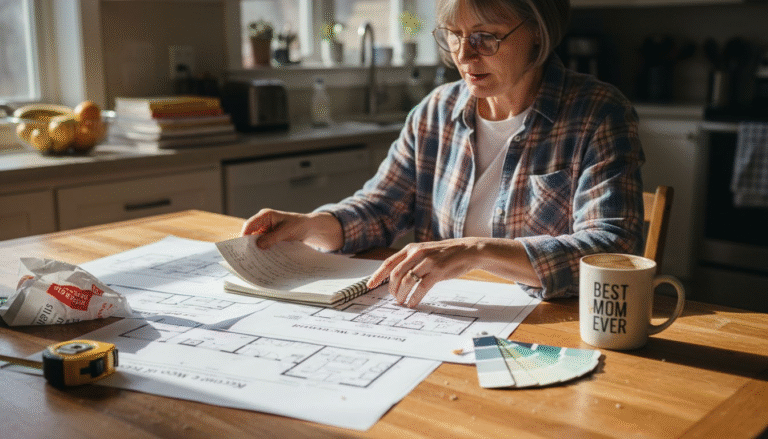
Successfully transforming your home begins with a clear understanding of your renovation objectives. Developing a strategic plan helps you maximize value, align your budget, and prioritize improvements that truly matter for your living space.
Start by conducting a comprehensive evaluation of your current home conditions and future aspirations. Renovation research highlights critical planning dynamics that reveal how household characteristics shape improvement needs. Break down your assessment into specific categories such as functional upgrades, aesthetic enhancements, energy efficiency, and potential resale value. Consider factors like your home’s age, structural integrity, and specific problem areas that require immediate attention.
Create a detailed inventory of desired changes, ranking them from essential repairs to optional cosmetic upgrades. This approach allows you to allocate resources efficiently and prevent budget overruns. Examine each potential renovation through multiple lenses: immediate functionality, long term return on investment, and personal satisfaction. Community needs assessment strategies suggest identifying gaps between your current home condition and your ideal living environment.
Pro Tip: Take photographs and create a digital folder documenting your home’s current state to help contractors understand your renovation goals and provide more accurate estimates.
Step 2: Estimate All Potential Renovation Costs
Carefully estimating renovation expenses is crucial to preventing budget surprises and ensuring your project stays financially manageable. Understanding the full scope of potential costs will help you plan strategically and avoid unexpected financial strain.
Construction project accounting principles highlight the importance of identifying all potential expenditures beyond surface level expenses. Begin by creating a comprehensive spreadsheet that breaks down costs into categories: materials, labor, permits, design fees, equipment rental, disposal expenses, and potential contingency funds. Research local pricing for each category and get multiple quotes from contractors to establish realistic budget ranges. Factor in both direct costs like flooring or paint and indirect costs such as temporary housing if major renovations require you to vacate your home.
Develop a detailed tracking system that supports efficient renovation information management by documenting every potential expense. Include a 10 to 20 percent buffer for unexpected complications or design changes. Review each cost carefully, distinguishing between essential repairs that maintain your home’s structural integrity and optional aesthetic upgrades. Prioritize spending on improvements that offer the highest return on investment and align with your long term home value goals.
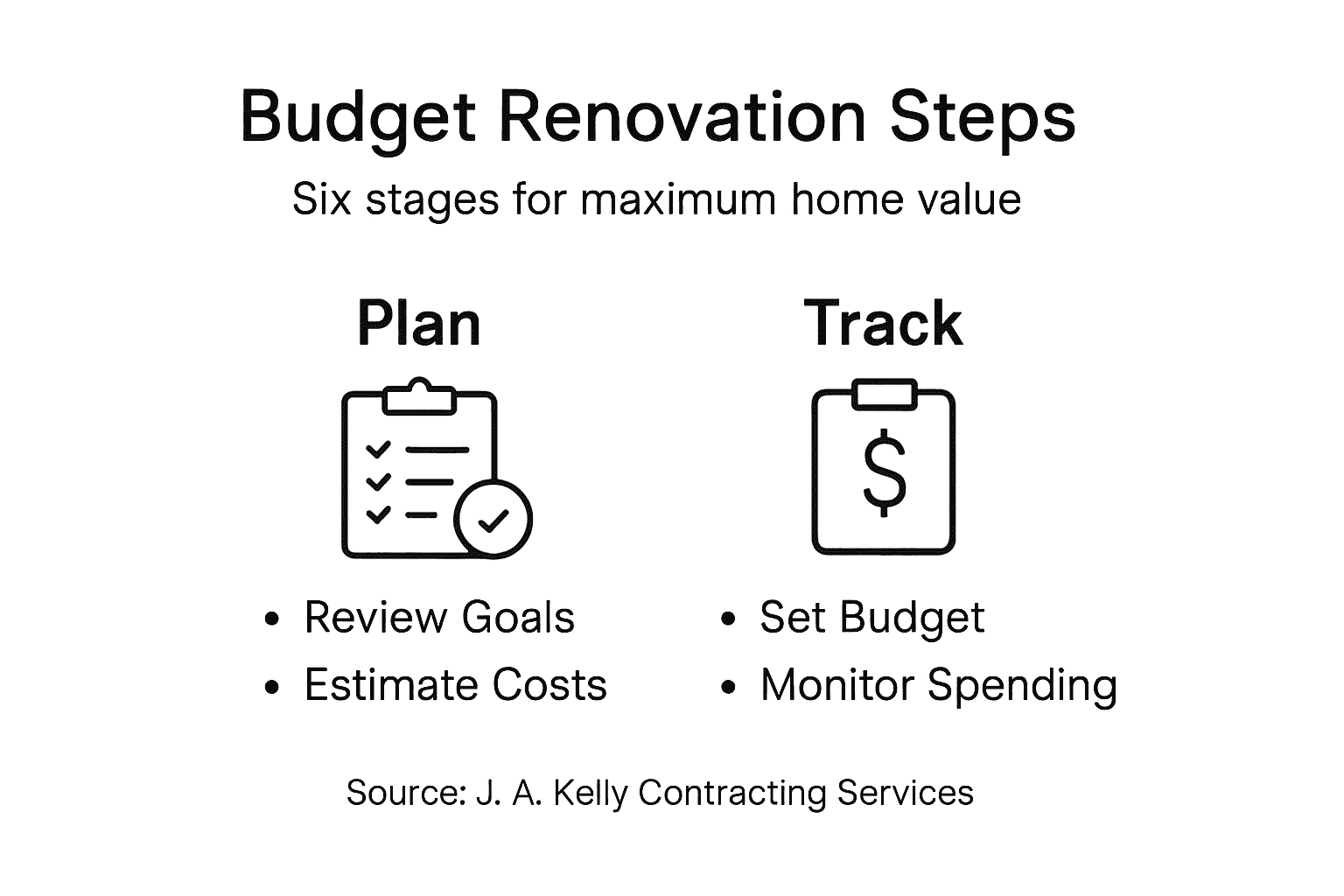
Pro Tip: Create a dedicated digital folder to store all renovation estimates, quotes, and financial documents to maintain organized and accessible financial records throughout your project.
Here’s a comparison of the most common renovation cost categories and their impact on your budget:
| Cost Category | Typical Percentage of Total | Example Expenses | Budget Impact |
|---|---|---|---|
| Materials | 40-50% | Flooring, paint, fixtures | Major driver of total costs |
| Labor | 30-35% | Contractor fees, installations | Dependent on project complexity |
| Permits & Fees | 5-10% | City permits, inspection fees | Required for legal compliance |
| Design & Planning | 5-10% | Architect, designer fees | Enhances project quality |
| Equipment Rental | 2-5% | Machinery hire, tools | Adds flexibility; short-term cost |
| Disposal & Cleanup | 1-3% | Waste removal, debris | Ensures site safety |
| Contingency Fund | 10-20% | Unforeseen repairs, changes | Protects against surcharges |
Step 3: Set a Realistic Renovation Budget
Creating a realistic renovation budget requires careful planning and strategic financial thinking. Your goal is to align your home improvement dreams with your actual financial capabilities while maximizing potential value.
Home renovation spending trends indicate that median renovation budgets typically range around $15,000, but your specific project will depend on multiple factors. Start by conducting a thorough financial assessment that examines your total available funds, including savings, potential home equity loans, or financing options. Break down your budget into clear categories: essential repairs, structural improvements, aesthetic upgrades, and a critical contingency fund for unexpected expenses.
National remodeling activity indicators can help you understand broader economic trends that might impact your renovation costs. Consider consulting with local contractors to get precise estimates for your specific project. Prioritize spending on improvements that offer the highest return on investment, such as kitchen and bathroom renovations, which typically provide the most significant value increase. Be prepared to make strategic compromises, potentially scaling back on purely aesthetic upgrades to ensure you can complete essential structural improvements.
Pro Tip: Consider creating a separate savings account specifically for your renovation project to keep your budget organized and prevent financial overlap.
Step 4: Prioritize Renovation Tasks and Features
Successfully managing home renovations requires strategic planning and thoughtful task prioritization. Your goal is to maximize value while ensuring critical improvements are completed within your available budget and timeline.
Renovation project phases emphasize the importance of analyzing your home’s existing condition and systematically organizing improvement tasks. Begin by categorizing potential renovations into three critical groups: essential structural repairs, functional upgrades, and aesthetic improvements. Structural repairs should always take precedence to prevent potential long term damage or safety issues. Functional upgrades that improve your home’s livability and efficiency come next, followed by cosmetic enhancements that boost visual appeal.
Home renovation trend analysis reveals that high impact areas like kitchens and bathrooms offer the most significant return on investment. Evaluate each potential renovation task through multiple lenses: immediate necessity, potential value increase, and overall impact on your living experience. Create a detailed ranking system that assigns priority levels based on urgency, budget requirements, and long term home value potential. Be prepared to make strategic compromises, potentially postponing less critical aesthetic upgrades to ensure essential improvements are completed.
Pro Tip: Create a visual priority matrix using color coding or numbered rankings to help you and your contractor clearly understand which renovation tasks are most critical.
The table below summarizes potential renovation tasks, their value increase, and urgency level:
| Task Category | Value Increase Potential | Urgency Level | Common Examples |
|---|---|---|---|
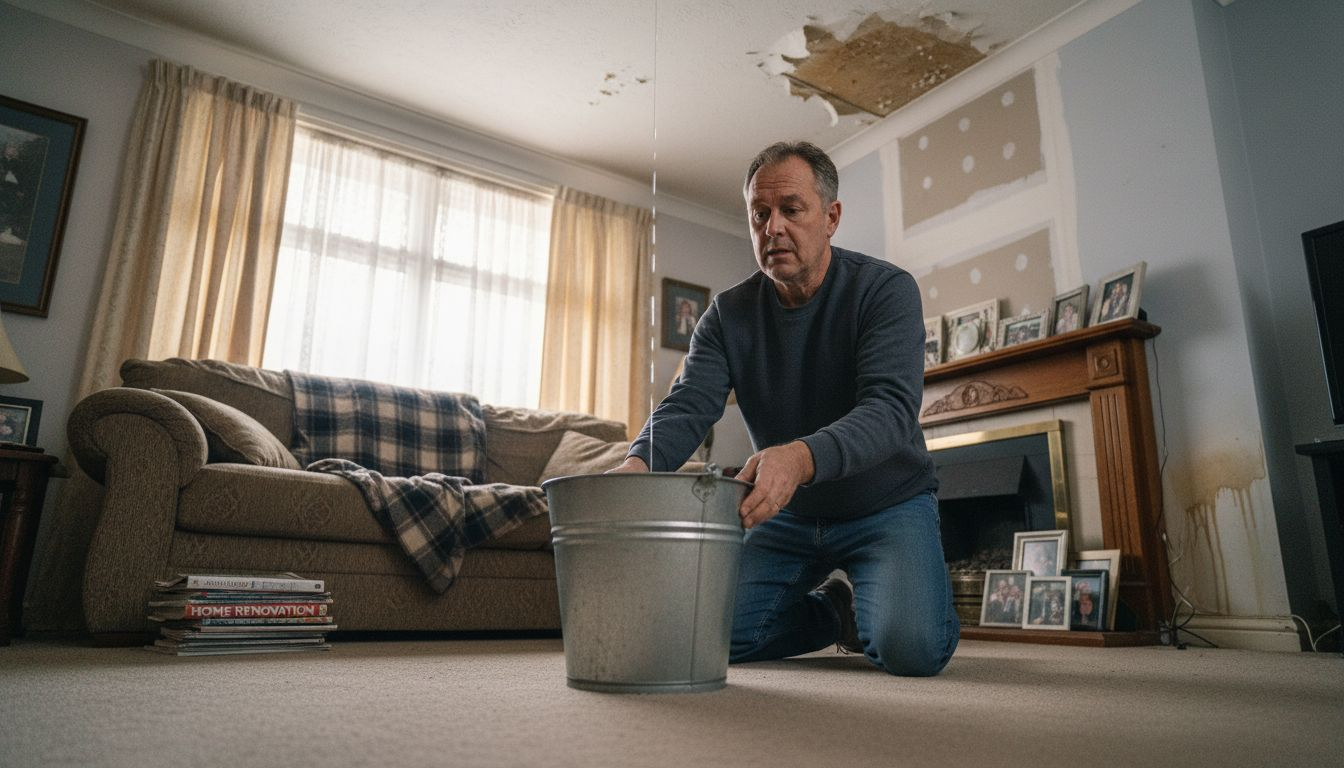
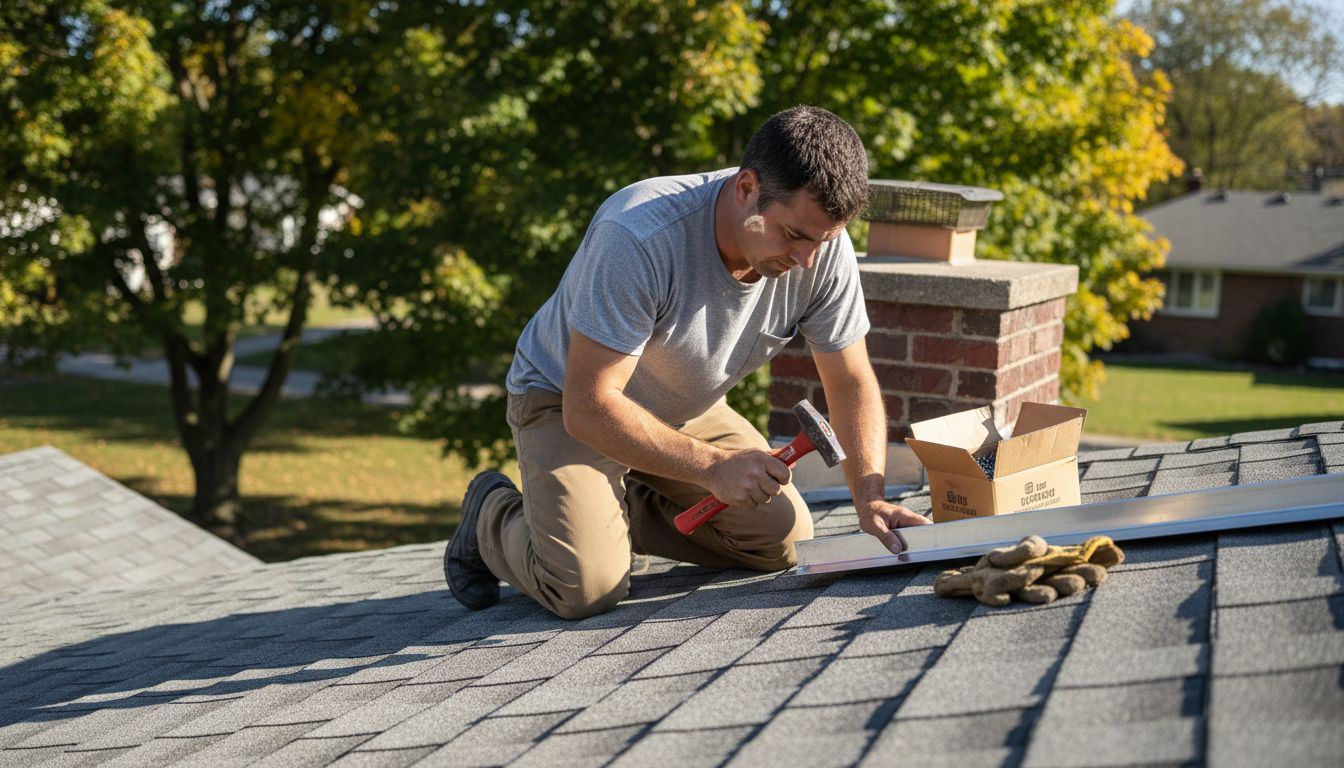
| Structural Repair | Very high | Immediate | Roof leaks, foundation fix |
| Functional Upgrade | High | Short term | New HVAC, plumbing |
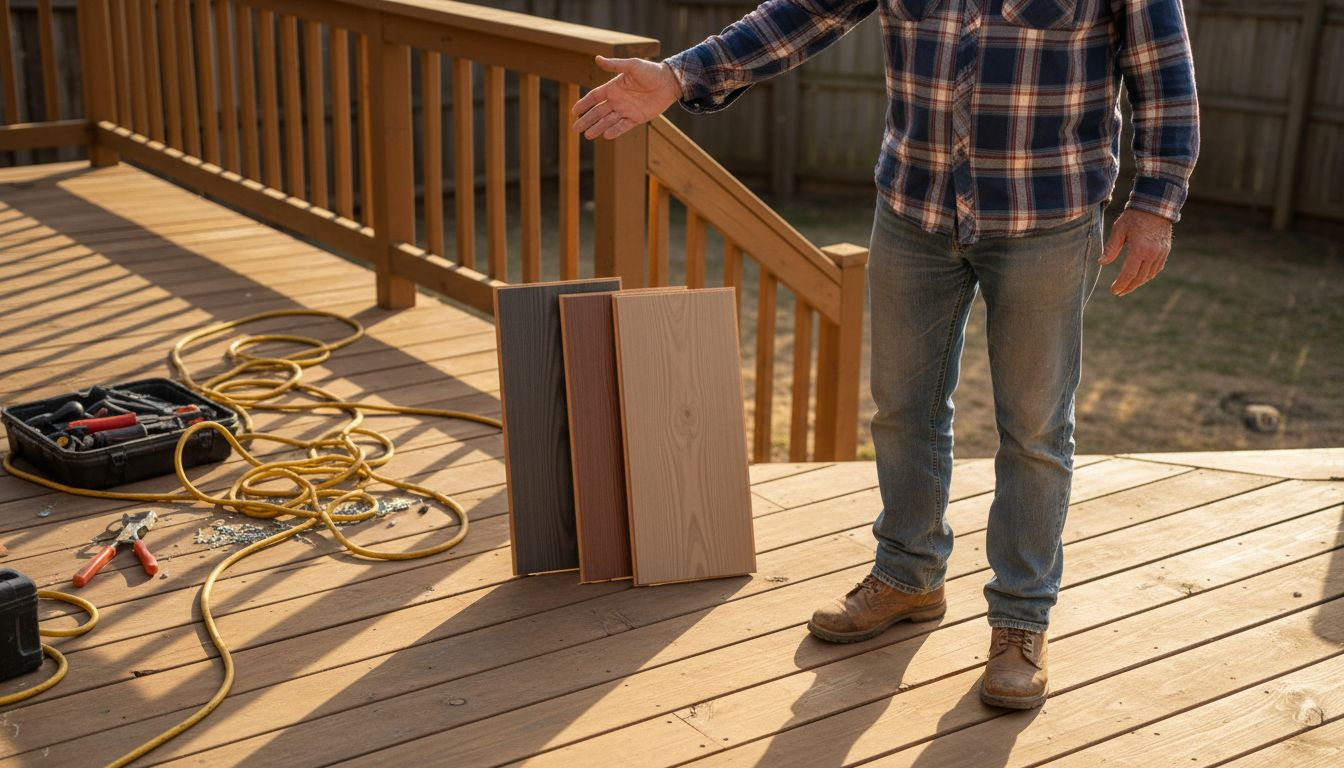
| Aesthetic Upgrade | Moderate | Long term | Painting, new tiles |
| Energy Efficiency | High | Short to medium | Insulation, windows |
Step 5: Track Spending and Adjust as Needed
Successful renovation management requires constant financial vigilance and the flexibility to adapt your budget as your project evolves. Keeping a precise record of expenses helps prevent unexpected financial strain and ensures your renovation stays on track.

Construction project accounting systems recommend implementing unique tracking methods to monitor renovation expenditures in real time. Create a comprehensive spreadsheet that categorizes every expense including materials, labor, permits, and unexpected costs. Break down your budget into specific line items, tracking actual spending against your original estimates. Use digital tools or apps that allow you to input expenses immediately and generate visual reports showing your current financial status.
Integrated information systems highlight the importance of collaborative spending tracking. Schedule regular budget review meetings with your contractor to discuss current expenses, potential overruns, and necessary adjustments. Be prepared to make strategic decisions such as scaling back on optional upgrades or finding cost effective alternatives if certain expenses begin to exceed your initial projections. Maintain a contingency fund of 10 to 20 percent to provide financial flexibility for unexpected challenges.
Pro Tip: Use color coded spreadsheet categories to quickly visualize spending patterns and identify potential areas for cost reduction.
Step 6: Review Results and Finalize Your Renovation Budget
The final stage of your renovation journey involves a comprehensive review of your project outcomes and financial performance. This crucial step helps you understand the true value of your investment and provides insights for future home improvement projects.
Renovation project finalization requires a thorough walkthrough to verify that all work meets your original expectations and scope. Compare your actual expenditures against the initial budget, noting areas where you exceeded or stayed under projected costs. Analyze each expense category to understand spending patterns and identify potential efficiency improvements. Pay special attention to unexpected costs and evaluate whether they were necessary or could have been anticipated during the initial planning phase.
Home renovation spending analysis suggests creating a comprehensive report that documents your total investment, completed improvements, and calculated value increase. Calculate the return on investment by comparing your renovation costs with potential home value appreciation. Consider consulting a local real estate professional to get an objective assessment of how your renovations impact your property’s market value. Use this final review as a learning opportunity to refine your approach for future home improvement projects.
Pro Tip: Keep all financial documentation and project records in a dedicated digital folder for future reference and potential tax deductions.
Maximize Your Home Renovation Budget with Expert Guidance
Budgeting renovations for maximum value can feel overwhelming when juggling costs, priorities, and unexpected expenses. This article breaks down the challenge of creating a realistic renovation budget, prioritizing essential repairs, and tracking spending to protect your investment and increase your home’s worth. Key pain points include assessing renovation goals, estimating all potential expenses, and adjusting budget plans as the project unfolds.
At J. A. Kelly Contracting Services, we understand the importance of strategic planning and financial discipline in home renovations. Our skilled team specializes in delivering quality craftsmanship that aligns with your budget priorities and renovation goals. From structural repairs to aesthetic upgrades, we help you focus on improvements that offer the highest return on investment while ensuring transparency and cost control throughout your project.
Explore our Home Renovation Archives – J. A. Kelly Contracting Services to see past projects that demonstrate our commitment to excellence and value. Ready to take control of your renovation costs and maximize your home’s potential? Contact us today at https://jakellycontractingservices.ca for a free estimate and find out how we can bring your renovation vision to life.
Don’t wait until renovation surprises strain your finances. Act now to partner with trusted professionals who prioritize your budget and maximize your home’s value.
Frequently Asked Questions
How can I assess my renovation goals effectively?
Start by conducting a comprehensive evaluation of your current home conditions and future aspirations. Break down your assessment into categories like functional upgrades, aesthetic enhancements, and energy efficiency to prioritize changes.
What should I include in my renovation budget?
Your renovation budget should include materials, labor, permits, design fees, and a contingency fund for unexpected costs. Create a comprehensive spreadsheet that breaks down these expenses to maintain financial oversight.
How do I prioritize renovation tasks for maximum value?
Begin by categorizing renovations into essential repairs, functional upgrades, and aesthetic improvements. Focus first on structural repairs and functional upgrades that offer the highest return on investment, then consider cosmetic enhancements afterward.
What steps should I take if my renovation spending exceeds my budget?
If spending exceeds your budget, immediately review your expenses to identify areas for cost reduction. Prioritize essential repairs and consider postponing non-critical upgrades to stay within your financial limits.
How can I track renovation expenses effectively?
Create a detailed tracking system to monitor all renovation expenses in real time. Use a spreadsheet to categorize expenses and review your spending against your budget weekly to identify potential overruns promptly.
How do I analyze the success of my renovation project after completion?
After your renovation is complete, conduct a thorough review comparing actual expenses against your budget. Calculate your return on investment by assessing the value added to your home and documenting insights for future projects.
Recommended
- 7 Key Advantages of Home Renovation for Homeowners – J. A. Kelly Contracting Services
- 7 Essential Types of Home Renovations Every Homeowner Should Know – J. A. Kelly Contracting Services
- 7 Essential Bathroom Remodel Tips Every Homeowner Needs – J. A. Kelly Contracting Services
- Why Renovate Your Home: Complete Guide for Homeowners – J. A. Kelly Contracting Services