

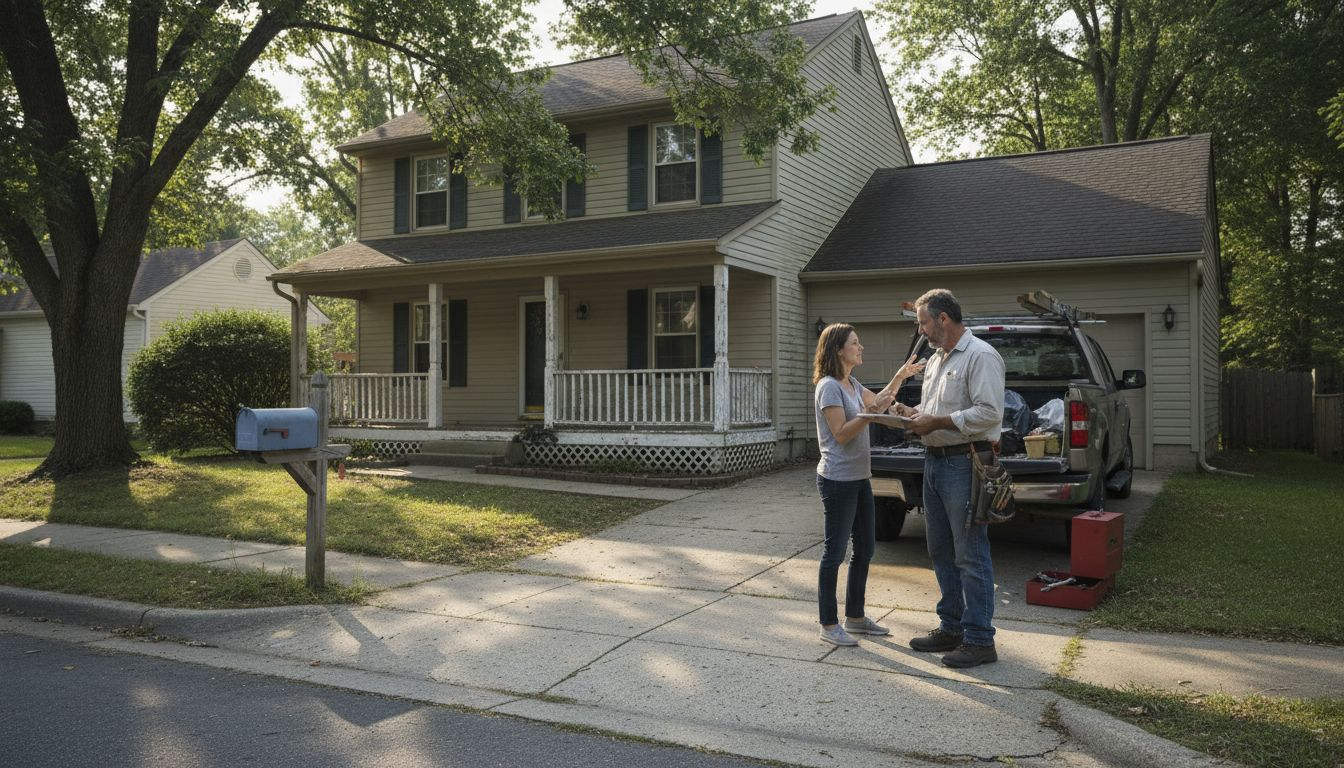
Most serious roofing accidents can be prevented with just a few smart safety steps, yet too many Moncton homeowners overlook these basics, putting their families and investments at risk. If you are planning a DIY repair or double checking your contractor’s work, understanding trusted American safety standards is now a must for anyone climbing a ladder. This guide will help you recognize critical precautions, avoid common hazards, and protect your home on every project.
Table of Contents
- Wear Proper Safety Gear Before Climbing
- Inspect Roof and Equipment for Hazards
- Use Stable Ladders and Secure Placement
- Maintain Clear Footing and Avoid Slippery Surfaces
- Work in Suitable Weather Conditions Only
- Keep Area Organized to Prevent Falls
- Know Emergency Procedures and First Aid
Quick Summary
| Key Message | Explanation |
|---|---|
| 1. Always Wear Safety Gear | Use a climbing harness, helmet, and non-slip boots to prevent injuries while on the roof. |
| 2. Inspect the Roof Carefully | Assess for weak spots, water damage, and hazards before starting work to ensure safety. |
| 3. Use a Stable Ladder | Ensure your ladder is secure and positioned at a safe angle to avoid falls. |
| 4. Keep Your Working Area Organized | Maintain a clutter-free zone to reduce trip hazards and improve safety during your project. |
| 5. Prepare for Emergencies | Have a first aid kit and communication plan ready in case of accidents while working on the roof. |
1. Wear Proper Safety Gear Before Climbing
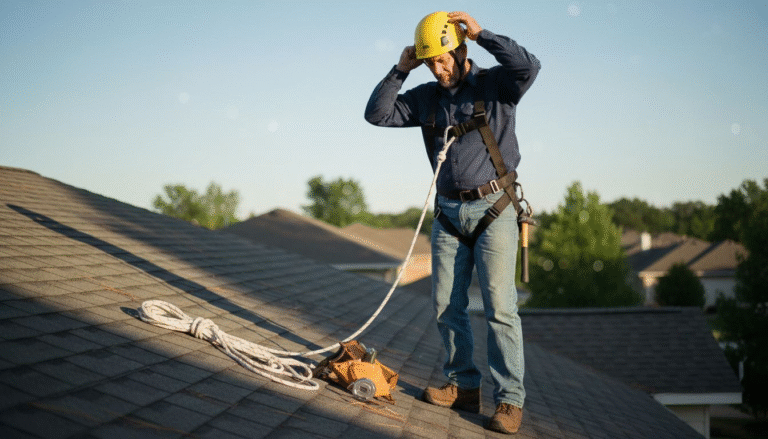
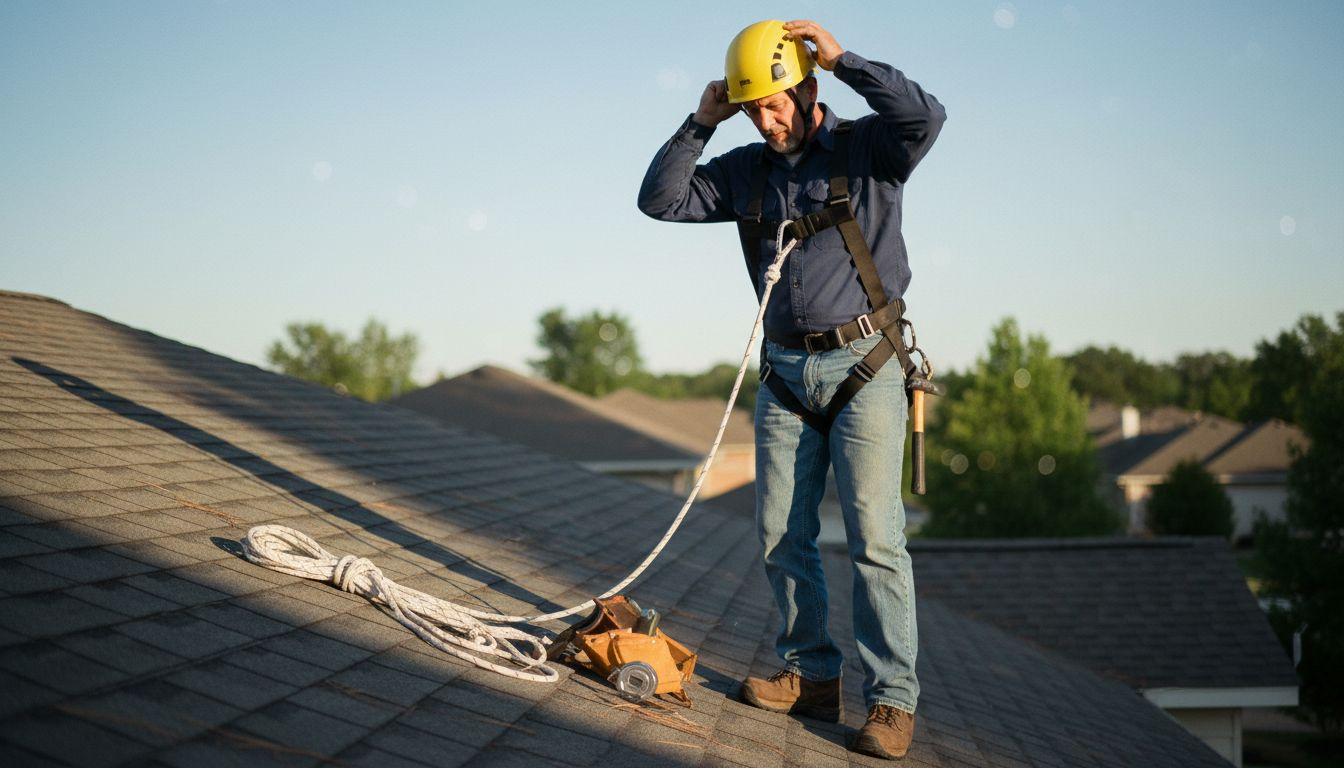
Before stepping onto your roof, personal protective equipment is your first line of defense against potential injuries. Climbing without the right safety gear isn’t just risky—it’s dangerous. Professionals understand that proper safety standards require specific protective equipment to prevent accidents.
Your essential safety gear should include a well-fitted climbing harness, sturdy safety helmet, non slip work boots with excellent traction, and protective eyewear. Each piece plays a critical role in protecting you from falls, impacts, and unexpected hazards. A helmet, for instance, can prevent serious head injuries if you accidentally bump into roof structures or lose your balance.
When selecting your safety gear, prioritize quality and certification. Look for equipment that meets professional safety standards and has been tested for durability. Your harness should fit snugly without restricting movement, and your helmet should sit level on your head with a secure chin strap.
Before each roofing project, thoroughly inspect all your safety equipment. Check for any signs of wear, fraying, cracks, or damage that could compromise its protective capabilities. Even minor defects can significantly reduce your safety gear’s effectiveness.
Pro tip: Always invest in safety gear from reputable manufacturers and replace equipment that shows any signs of wear or damage, even if the damage seems minimal.
2. Inspect Roof and Equipment for Hazards
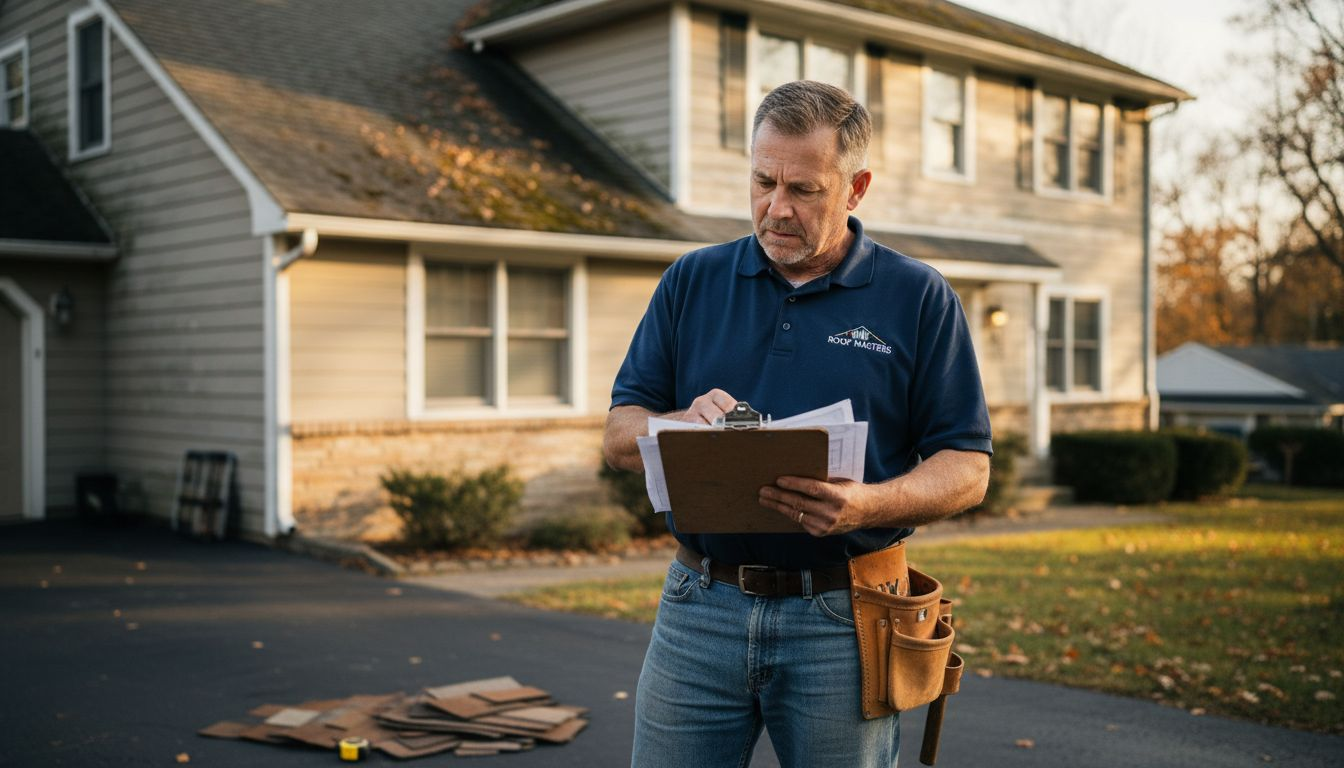
Before climbing onto any roof, a thorough inspection is your first critical safety step. Understanding potential hazards can mean the difference between a successful project and a dangerous accident. When preparing for roofing work, comprehensive pre task hazard assessment becomes absolutely essential.
Your roof inspection should focus on multiple key areas. Check for obvious signs of structural weakness such as sagging sections, water damage, rotted wood, or cracked shingles. Look carefully at gutters, drainage systems, and roof coverings for any signs of deterioration. Pay special attention to flashings around chimneys, vents, and skylights where water damage frequently occurs.
Specific hazards to watch for include:
- Loose or missing shingles
- Soft or spongy roof sections
- Signs of water intrusion or mold
- Exposed nails or damaged roof decking
- Unstable gutters or drainage systems
When conducting your inspection, wear soft soled shoes to prevent additional damage to roofing materials. Move carefully and deliberately, avoiding sudden movements that could compromise your balance or the roof’s structural integrity. If you notice significant damage or feel uncertain about the roof’s condition, consult a professional roofing contractor.
Pro tip: Take clear photographs of any damage or potential hazards during your inspection to document the roof’s condition and assist professional assessment.
3. Use Stable Ladders and Secure Placement
Choosing and positioning the right ladder is a critical safety step that can prevent serious accidents during roofing work. Ladder safety standards require careful attention to placement, condition, and usage to ensure your protection.
Before setting up your ladder, conduct a thorough inspection. Check for any structural defects, bent rungs, or damaged sections that could compromise stability. The ladder must be in excellent condition with evenly spaced rungs and a solid construction that can support your weight.
Key Ladder Placement Guidelines:
- Place the ladder on a firm, level surface
- Ensure non slip base pads are in contact with the ground
- Position extension ladders at a 75 degree angle (base one quarter of the ladder’s length from the wall)
- Extend the ladder at least 3 feet above the landing surface
- Maintain three points of contact while climbing
When using an extension ladder for roof access, remember the critical 4:1 rule. For every 4 feet of vertical height, move the ladder base 1 foot away from the wall. This angle provides maximum stability and reduces the risk of tipping. Only one person should use the ladder at a time unless it is specifically designed for multiple users.
Pro tip: Invest in a ladder stabilizer or standoff to improve balance and keep the ladder away from fragile roof edges, providing extra safety and preventing potential damage to your roofing materials.
4. Maintain Clear Footing and Avoid Slippery Surfaces
Roofing work demands unwavering attention to your footing, as one wrong step can lead to catastrophic falls. Walking surface safety becomes paramount when navigating potentially treacherous roof environments.
Slips and falls frequently occur due to contaminated surfaces, unexpected debris, or weather conditions. Moisture, moss, loose granules from shingles, and accumulated dirt can transform a seemingly stable roof into a dangerous landscape. Before beginning any roofing work, carefully assess the surface conditions and plan your movement strategy.
Critical Footing Considerations:
- Wear shoes with deep, clean tread patterns
- Choose slip resistant footwear specifically designed for roofing work
- Move slowly and deliberately
- Take smaller steps to maintain balance
- Keep your hands free to catch yourself if needed
- Remove any loose debris or objects in your path
Pay special attention to areas around roof edges, ventilation structures, and anywhere water might accumulate. Morning dew, recent rain, or hidden moisture pockets can create invisible slip hazards. Always test your footing before transferring your full weight and maintain at least three points of contact with the roof surface.
Pro tip: Carry a small brush or cloth to quickly wipe away moisture or debris from your immediate work area, creating a safer temporary workspace.
5. Work in Suitable Weather Conditions Only
Roofing work demands more than skill. It requires a strategic approach to weather conditions that can dramatically impact your safety and project success. Occupational climate hazards pose significant risks that every homeowner must understand before attempting roof maintenance.
Extreme temperatures create serious challenges for roofing work. High heat can lead to rapid fatigue, potential heat exhaustion, and decreased cognitive function. Conversely, cold temperatures make surfaces slippery and reduce manual dexterity. Wind can create unpredictable balance challenges, while rain transforms roof surfaces into dangerous zones.
Weather Conditions to Avoid:
- Temperatures above 90 degrees Fahrenheit
- Direct midday sun exposure
- Sustained winds over 25 miles per hour
- Wet or moisture laden surfaces
- Impending storm conditions
- Temperatures below freezing
Plan your roofing project during moderate temperatures typically between 50 and 80 degrees Fahrenheit. Early morning or late afternoon hours often provide optimal working conditions. Check local weather forecasts meticulously and be prepared to reschedule if conditions become unfavorable.
Pro tip: Install a small weather station or download a precise local weather app to get real time temperature and wind speed readings directly at your work location.
6. Keep Area Organized to Prevent Falls
A cluttered work area transforms a challenging roofing project into a dangerous environment. Fall prevention strategies emphasize the critical importance of maintaining a clean and organized workspace to minimize accident risks.
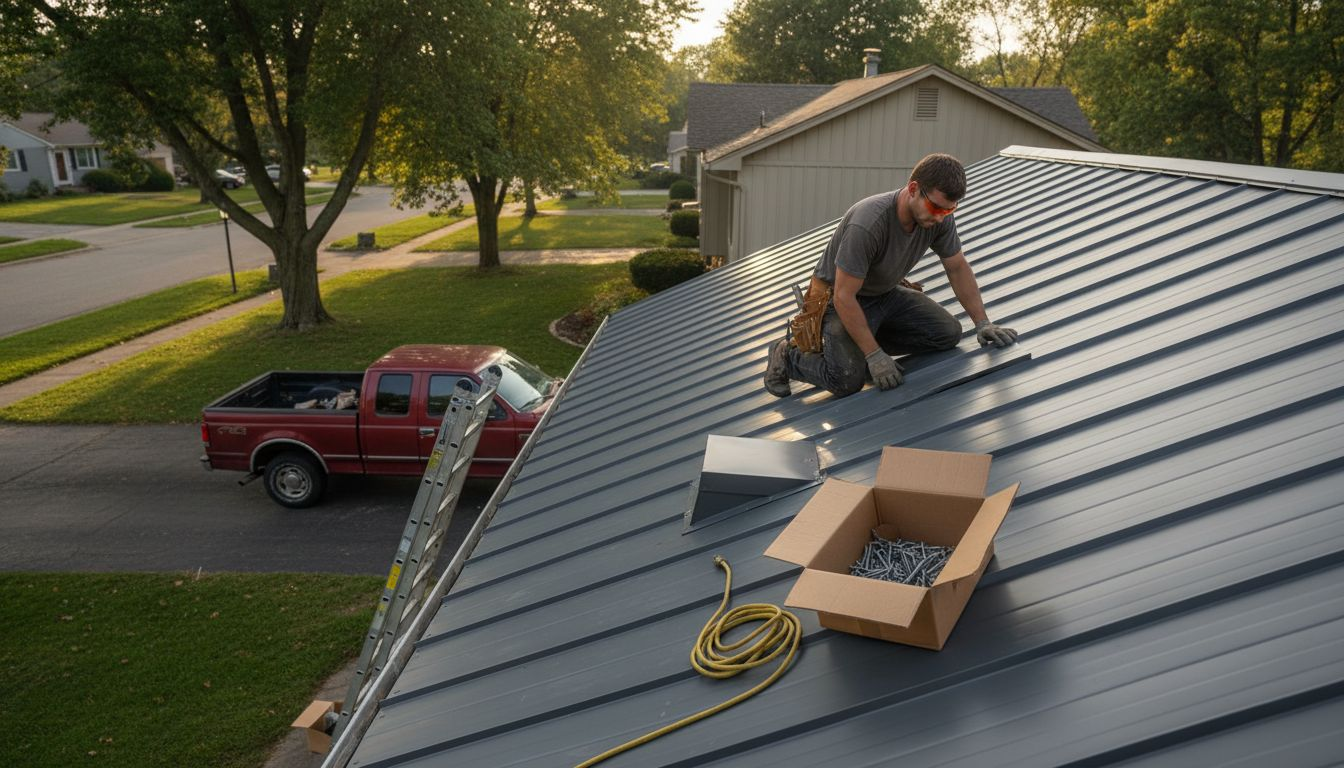
Roofing work demands precision and clear movement pathways. Tools, extension cords, debris, and loose materials can quickly become trip hazards that threaten your safety. Every unorganized item represents a potential risk of losing balance or stumbling while performing critical tasks at height.
Workspace Organization Priorities:
- Create clear walking paths
- Use tool belts or organized storage
- Keep work surfaces free of unnecessary items
- Immediately clean up debris or dropped materials
- Secure loose cables and equipment
- Maintain a systematic approach to tool placement
Before beginning any roofing work, develop a strategic organization plan. Designate specific areas for tools, materials, and equipment. Use portable storage containers or tool belts to keep essential items close without creating tripping hazards. Regularly pause and reorganize your workspace to maintain clarity and safety.
Pro tip: Use color coded containers or tape to create visual organization zones and quickly identify where specific tools or materials belong during your roofing project.
7. Know Emergency Procedures and First Aid
Emergencies can happen in an instant during roofing work, making prior preparation critical for survival and minimizing injury. First aid guidelines provide essential protocols that can mean the difference between life and death.
Before starting any roofing project, develop a comprehensive emergency response plan. This means understanding basic first aid, having communication devices readily available, and knowing exactly who to contact in case of an accident. Your emergency preparedness should include clear knowledge of local emergency service numbers, nearest medical facilities, and specific steps to take during different types of potential injuries.
Essential Emergency Preparation Steps:
- Have a fully stocked first aid kit on site
- Keep emergency contact numbers easily accessible
- Learn basic CPR and wound treatment techniques
- Understand how to recognize signs of shock
- Know how to control bleeding
- Establish clear communication protocols
- Create a detailed injury reporting system
If an injury occurs, remember the critical first steps. Assess scene safety first, check the person’s responsiveness, and call emergency services immediately if the situation appears serious. Quick, calm action can prevent further complications and potentially save a life.
Pro tip: Create a laminated emergency response card with critical phone numbers and basic first aid steps that you can quickly reference during high stress situations.
Below is a comprehensive table summarizing the safety guidelines and procedures for roofing work as presented in the article.
| Aspect | Details and Actions | Benefits and Importance |
|---|---|---|
| Safety Gear | Use certified equipment like helmets, harnesses, and boots; inspect regularly. | Reduces risk of injury from falls and impacts. |
| Roof Inspection | Examine for structural issues, loose shingles, or water damage. | Identifies hazards, ensuring safer working conditions. |
| Ladder Use | Secure placement on firm ground; follow the 4:1 positioning rule. | Ensures stability while accessing the roof. |
| Footing Precautions | Wear slip-resistant footwear; keep roof surfaces clear. | Prevents slips and falls during work. |
| Weather Awareness | Avoid extreme temperatures, high winds, and wet conditions. | Supports safe and comfortable working environments. |
| Workspace Organization | Keep tools and materials orderly; use storage solutions. | Minimizes trip hazards, enhancing efficiency and safety. |
| Emergency Preparedness | Have a first aid kit, emergency contact plans, and injury protocols. | Enables quick response to injuries, reducing severity. |
Protect Your Home with Expert Roofing Services You Can Trust
Roofing safety is not just about precautions it is about peace of mind. If you want to avoid the risks outlined in the “7 Essential Roofing Safety Tips Every Homeowner Should Know” article such as hazardous ladders unstable footing or working in dangerous weather it makes sense to rely on experienced professionals. At J. A. Kelly Contracting Services we specialize in residential roofing solutions that prioritize your safety and the integrity of your home.

Take the stress out of roofing maintenance and repairs by contacting us today. Our team delivers skilled craftsmanship backed by local expertise in Moncton New Brunswick. Visit our Roofing Archives – J. A. Kelly Contracting Services to see how we apply industry best practices including safety standards. For more home improvement tips visit Home Renovation Archives – J. A. Kelly Contracting Services. Ready to protect your home with confidence reach out through https://jakellycontractingservices.ca now to get your free estimate and expert consultation.
Your roof deserves professional care to keep your family safe and your property secure. Don’t wait until a small issue becomes a hazard act now for durable results and peace of mind.
Frequently Asked Questions
What safety gear should I use before climbing onto my roof?
To ensure your safety, always wear a well-fitted climbing harness, sturdy safety helmet, non-slip work boots with good traction, and protective eyewear. Invest in high-quality gear that meets safety standards and check it for damage before each use to maintain effective protection.
How can I inspect my roof for hazards before starting work?
Conduct a thorough inspection of your roof for signs of structural weakness, such as sagging sections, water damage, or loose shingles. Identify potential hazards and take clear photographs to document the condition, ensuring a safer work environment.
What are the best practices for ladder placement when accessing my roof?
Place your ladder on a firm, level surface and maintain a 75-degree angle by moving the base one-quarter of the ladder’s length from the wall. Ensure the ladder extends at least three feet above the landing surface to provide stability while climbing.
How can I maintain clear footing and avoid slips while working on my roof?
Wear shoes with deep, clean tread patterns designed for roofing work and continuously assess the surface for moisture or debris. Move slowly and deliberately, ensuring at least three points of contact with the roof to maintain your balance and prevent falls.
What weather conditions should I avoid when working on my roof?
Avoid roofing work in extreme temperatures, high winds, or wet conditions, as these can create unsafe surfaces. Plan your project during moderate temperatures, ideally between 50 and 80 degrees Fahrenheit, for optimal safety and comfort.
What should I include in my emergency response plan before starting roofing work?
Prepare an emergency response plan that includes a fully stocked first aid kit, emergency contact numbers, and basic first aid knowledge like CPR and wound treatment. Establish clear communication protocols to quickly respond to any accidents that may occur.
Recommended
- 7 Common Roofing Problems Every Homeowner Should Know – J. A. Kelly Contracting Services
- 7 Essential Roofing Maintenance Tips Every Homeowner Should Know – J. A. Kelly Contracting Services
- Roof Repair Guide: Step-by-Step Fixes for Homeowners – J. A. Kelly Contracting Services
- Roofing Safety Standards Explained: Protecting Homes and Workers – J. A. Kelly Contracting Services