



Choosing the right roof can be the difference between soaring energy bills and lasting savings for Canadian homeowners. In fact, advanced energy efficient roofing systems have helped reduce cooling costs by nearly 15 percent in similar american climates. For Moncton residents, finding smart ways to manage heat, increase comfort, and boost property value is more important than ever. This guide breaks down the latest roofing innovations and practical advice to help you make confident decisions for your home.
Table of Contents
- What Is Energy Efficient Roofing?
- Major Types of Energy Efficient Roofs
- Features That Improve Roof Efficiency
- Costs, Incentives, and Savings
- Common Pitfalls and How to Avoid Them
Key Takeaways
| Point | Details |
|---|---|
| Energy Efficient Roofing | Involves materials and design strategies that enhance thermal performance and reduce energy consumption. |
| Types of Roofing | Offers options like cool roofs, green roofs, and photovoltaic roofs, each suitable for different climates and energy efficiencies. |
| Financial Considerations | Potential savings on energy bills and availability of incentives make energy efficient roofing a smart investment. |
| Common Pitfalls | Homeowners should ensure proper material selection and professional installation to avoid energy efficiency loss and long-term issues. |
What Is Energy Efficient Roofing?
Energy efficient roofing represents a sophisticated approach to home construction that goes beyond traditional shelter, transforming your roof into a strategic system designed to optimize thermal performance and reduce energy consumption. Advanced roofing technologies now enable homeowners to significantly lower their energy expenses while maintaining superior indoor comfort levels.
At its core, energy efficient roofing involves carefully selecting materials and design strategies that minimize heat absorption and maximize thermal regulation. These specialized roofing systems incorporate innovative materials with high solar reflectance and thermal emittance properties, which actively work to redirect solar radiation and prevent excessive heat transfer into your living spaces. By implementing green roof and photovoltaic technologies, homeowners can effectively mitigate urban heat island effects and create more sustainable residential environments.
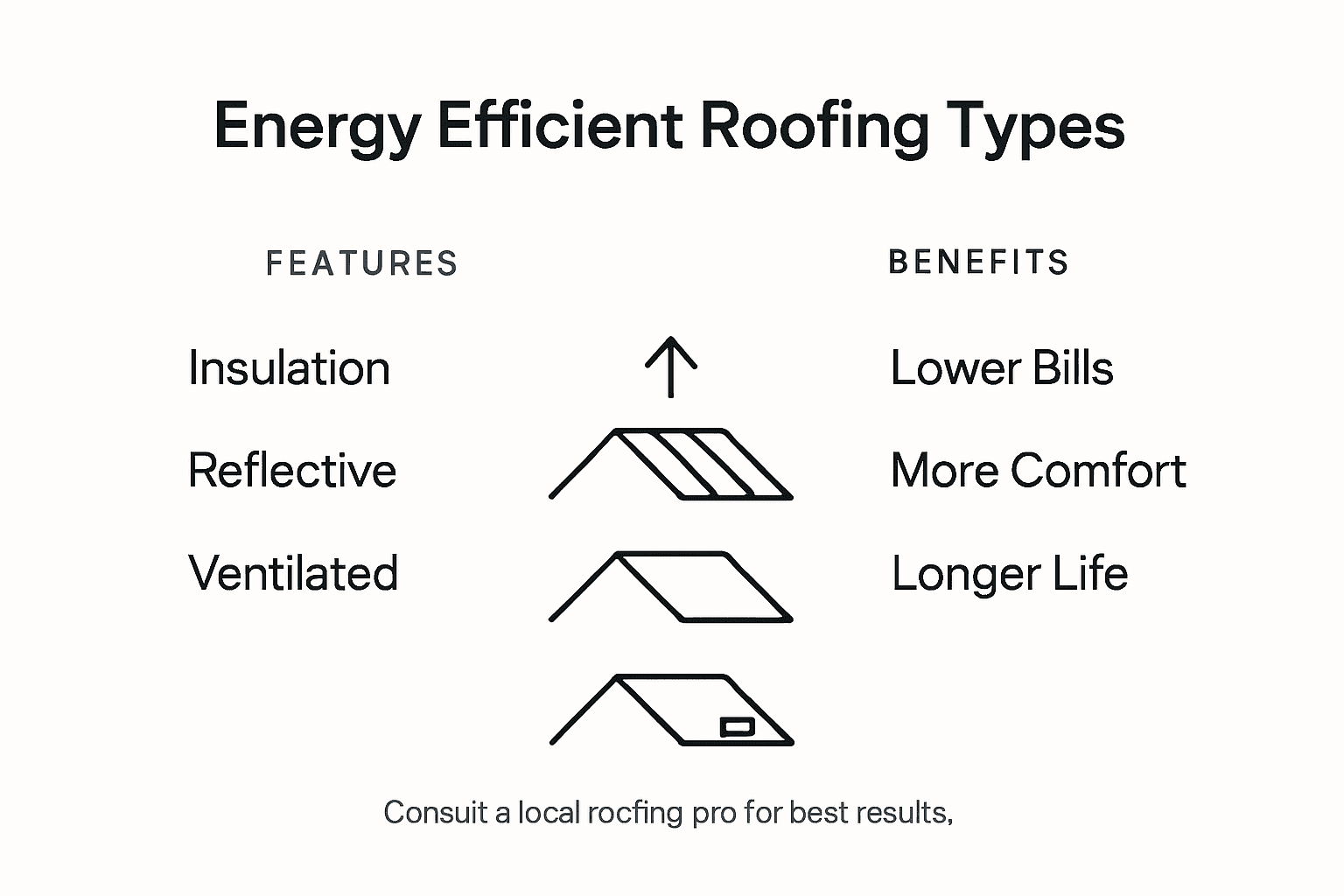
The key components of energy efficient roofing typically include:
- High-performance insulation materials
- Reflective roof surfaces
- Advanced ventilation systems
- Strategic layering techniques
- Specialized coatings that minimize heat absorption
These sophisticated roofing solutions do more than protect your home – they transform your roof into an active energy management system that adapts to environmental conditions, reduces strain on heating and cooling systems, and contributes to overall household energy efficiency.
Pro tip: Consult with local roofing professionals who understand Moncton’s specific climate conditions to customize an energy efficient roofing solution tailored to your home’s unique characteristics.
Major Types of Energy Efficient Roofs
Homeowners seeking energy efficiency have multiple sophisticated roofing options that can dramatically reduce energy consumption and enhance indoor comfort. Comparative research on roof technologies reveals three primary types of energy efficient roofs: cool roofs, green roofs, and advanced reflective roofing systems, each offering unique benefits for different climate conditions.

Cool roofs represent a popular energy efficient solution that utilizes highly reflective materials designed to bounce solar radiation away from the building. These roofs are typically constructed with specialized white or light-colored surfaces that reflect significantly more sunlight compared to traditional dark roofing materials, reducing heat absorption and lowering indoor temperatures. Comprehensive life cycle studies demonstrate that cool roofs can reduce cooling energy consumption by up to 15% in warm climate regions like New Brunswick.
Green roofs provide another innovative approach to energy efficiency, featuring living vegetation strategically installed over a waterproof membrane. These eco-friendly roofing systems offer multiple advantages:
- Natural thermal insulation
- Reduced urban heat island effect
- Improved air quality
- Enhanced stormwater management
- Increased roof lifespan
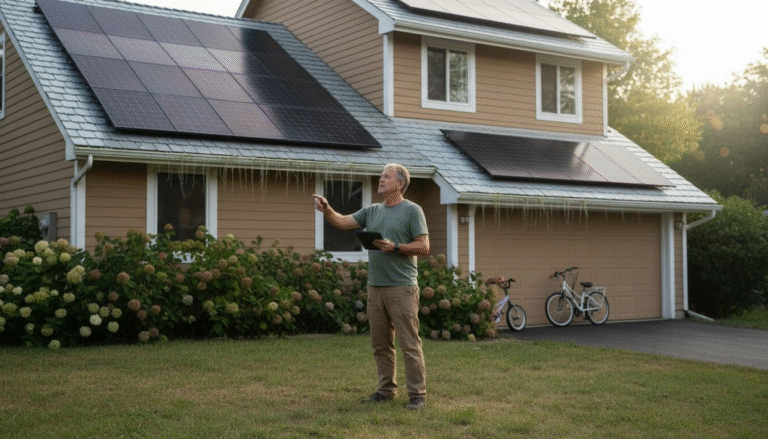
Reflective and photovoltaic roof technologies represent the cutting edge of energy efficient design, combining advanced materials that not only reduce heat absorption but also generate renewable electricity. These systems transform your roof from a passive structural element into an active energy management platform that contributes to overall household sustainability.
Here’s a comparison of the major types of energy efficient roofs and their unique benefits:
| Roof Type | Key Benefit | Best Climate |
|---|---|---|
| Cool Roof | Lowers cooling costs | Hot, sunny areas |
| Green Roof | Enhances insulation and ecology | Urban, mild zones |
| Photovoltaic Roof | Generates renewable electricity | High sun regions |
Pro tip: Consult with local roofing professionals who can assess your specific home’s orientation, local climate conditions, and energy requirements to recommend the most suitable energy efficient roofing solution.
Features That Improve Roof Efficiency
Energy efficient roofs incorporate multiple sophisticated features designed to optimize thermal performance and reduce energy consumption. Advanced roof infrastructure analysis reveals that strategic design elements can dramatically enhance a roof’s ability to regulate indoor temperatures and minimize energy waste.
Key features that significantly improve roof efficiency include surface reflectivity, thermal insulation, and moisture management. Comprehensive modeling studies demonstrate how these technical components work synergistically to create a high-performance roofing system. Surface reflectivity, for instance, involves using specialized materials that bounce solar radiation away from the building, preventing heat absorption and reducing cooling demands during summer months.
The most effective energy efficient roofs typically incorporate the following critical features:
- Multiple insulation layers
- Reflective surface coatings
- Advanced ventilation systems
- Moisture-resistant membranes
- Thermal break technologies
- Strategic color selection to maximize heat reflection
Thermal performance goes beyond simple material selection. Modern roofing technologies integrate complex systems that adapt to changing environmental conditions, creating dynamic barriers that actively manage heat transfer. These intelligent design approaches transform roofs from passive protective coverings into active energy management platforms that respond intelligently to temperature fluctuations.
Pro tip: Prioritize professional energy efficiency assessments that can precisely map your specific home’s thermal characteristics and recommend targeted roofing improvements.
Costs, Incentives, and Savings
Investing in energy efficient roofing represents a strategic financial decision that balances upfront costs with substantial long-term economic benefits. Comprehensive financial analysis of energy efficiency programs reveals that strategic investments in roof upgrades can generate significant returns through reduced energy expenses and increased property value.
Homeowners can leverage multiple financial incentives to offset the initial investment in energy efficient roofing. Government-backed savings programs offer a range of support mechanisms, including tax credits, rebates, and specialized financing options. These incentives can dramatically reduce the financial burden of upgrading to high-performance roofing systems, making energy efficiency more accessible for residential property owners.
The potential financial benefits of energy efficient roofing include:
- Reduced monthly energy bills
- Lower heating and cooling expenses
- Increased home market value
- Potential tax credits and rebates
- Extended roof lifespan
- Reduced maintenance costs
- Improved home comfort and energy performance
Typical cost considerations for energy efficient roofing vary depending on specific technologies and home characteristics. While initial installation expenses might be higher than traditional roofing, the cumulative savings typically offset these costs within 5-10 years through reduced energy consumption and improved home performance. Factors like local climate, roof size, and selected materials will ultimately determine the precise financial impact and return on investment.
Below is a summary of typical upfront costs, incentives, and expected payback timeframes for energy efficient roofing:
| Roof Type | Typical Incentives | Payback Period |
|---|---|---|
| Cool Roof | Rebates, tax credits | 5-8 years |
| Green Roof | Green infrastructure grants | 7-12 years |
| Photovoltaic Roof | Federal, provincial credits | 6-10 years |
Pro tip: Request detailed cost-benefit analyses from multiple local contractors to accurately assess the specific savings potential for your home’s unique energy efficiency upgrade.
Common Pitfalls and How to Avoid Them
Comprehensive research on energy efficient roofing challenges reveals multiple critical mistakes homeowners frequently make when implementing roof upgrades. Understanding these potential pitfalls can help Moncton residents make more informed decisions and protect their significant home improvement investments.
One of the most significant errors homeowners encounter involves inadequate material selection and poor installation techniques. Technical reviews of roofing implementations highlight several key issues that can compromise energy efficiency and long-term performance:
Common pitfalls in energy efficient roofing include:
- Overlooking local climate-specific requirements
- Choosing materials without proper performance analysis
- Neglecting professional installation expertise
- Underestimating maintenance requirements
- Failing to consider long-term cost implications
- Ignoring moisture and ventilation dynamics
- Selecting aesthetics over functional performance
Professional assessments are crucial in mitigating these risks. Each roofing project requires a nuanced approach that considers the unique characteristics of your home, local environmental conditions, and specific energy efficiency goals. Homeowners should prioritize comprehensive evaluations that examine not just immediate costs, but potential long-term savings and performance metrics.
Pro tip: Request detailed performance modeling and lifecycle cost analyses from certified roofing professionals before making any final energy efficient roofing decisions.
Transform Your Home with Energy Efficient Roofing Solutions
Energy efficient roofing can dramatically reduce your energy bills while enhancing your home’s comfort and longevity. If you are in Moncton and searching for expert guidance on installing roofs with high-performance insulation, reflective surfaces, or green roofing options, our team at J. A. Kelly Contracting Services is ready to help you navigate these choices. By understanding your home’s unique design and the local climate, we create roofing solutions that reduce cooling costs and improve indoor temperature regulation.
Explore our comprehensive Roofing Archives – J. A. Kelly Contracting Services to see how energy efficient roofs can make a difference. Don’t wait to improve your home’s energy efficiency. Contact us today for a free inspection and personalized quote at https://jakellycontractingservices.ca. Start saving money and increase your home’s value with trusted professionals who understand your needs. Learn more about all our home services in the Home Renovation Archives and take the first step toward greater comfort and savings.
Frequently Asked Questions
What materials are commonly used in energy efficient roofing?
Energy efficient roofing typically incorporates high-performance insulation materials, reflective roof surfaces, advanced ventilation systems, strategic layering techniques, and specialized coatings that minimize heat absorption.
How do cool roofs work and what benefits do they provide?
Cool roofs utilize highly reflective materials to bounce solar radiation away from the building, significantly reducing heat absorption. They can lower cooling energy consumption by up to 15%, making them ideal for hot climates.
What are the financial benefits of investing in energy efficient roofing?
Investing in energy efficient roofing can lead to reduced monthly energy bills, lower heating and cooling expenses, increased home market value, potential tax credits, and extended roof lifespan, often recouping initial costs in 5-10 years.
What should homeowners consider when choosing energy efficient roofing?
Homeowners should consider local climate conditions, proper material selection, professional installation expertise, and long-term maintenance requirements to ensure the effectiveness and longevity of their energy efficient roofing systems.
Recommended
- 7 Best Roofing Options 2025: Expert Choices for Homeowners – J. A. Kelly Contracting Services
- 7 Essential Roofing Materials List for Homeowners Explained – J. A. Kelly Contracting Services
- What Is a Roofing Estimate? Complete Breakdown – J. A. Kelly Contracting Services
- Roofing Financing Options Explained: Complete Guide – J. A. Kelly Contracting Services