








Weather and time can turn even the sturdiest Moncton deck into a risky investment if routine care is overlooked. Protecting your deck means more than seasonal cleaning—real durability starts with regular inspections, mindful repairs, and choosing the right materials for local conditions. By understanding the difference between common misconceptions and actual maintenance needs, you can safeguard both the beauty and safety of your outdoor space while avoiding expensive surprises.
Table of Contents
- What Deck Maintenance Involves And Misconceptions
- Essential Deck Types And Material Differences
- Routine Tasks For Extended Deck Longevity
- Common Issues And Prevention Strategies
- Cost Factors And When To Hire Professionals
Key Takeaways
| Point | Details |
|---|---|
| Importance of Regular Maintenance | Regular inspections and proactive maintenance are essential for preserving deck safety and longevity. Neglect can lead to costly repairs or replacements. |
| Material Selection Matters | Choosing the right decking material significantly impacts durability and maintenance needs. Wood and composite materials each have distinct care requirements. |
| Proactive Strategies | Implementing preventative maintenance techniques can prevent 80% of potential deck failures, preserving functional and aesthetic qualities. |
| When to Hire Professionals | For complex repairs, hiring professionals is crucial to ensure compliance with safety regulations and to avoid costly mistakes in maintenance and repairs. |
What Deck Maintenance Involves and Misconceptions
Deck maintenance is far more complex than most homeowners realize. While many view decks as simple wooden platforms, they are actually sophisticated structural elements requiring consistent care and professional attention. Deck structural integrity depends on regular inspections and proactive maintenance strategies.
Understanding deck maintenance involves recognizing several critical components:
- Regular surface cleaning and debris removal
- Annual structural inspections
- Checking for wood deterioration
- Verifying fastener and connection stability
- Assessing potential water damage areas
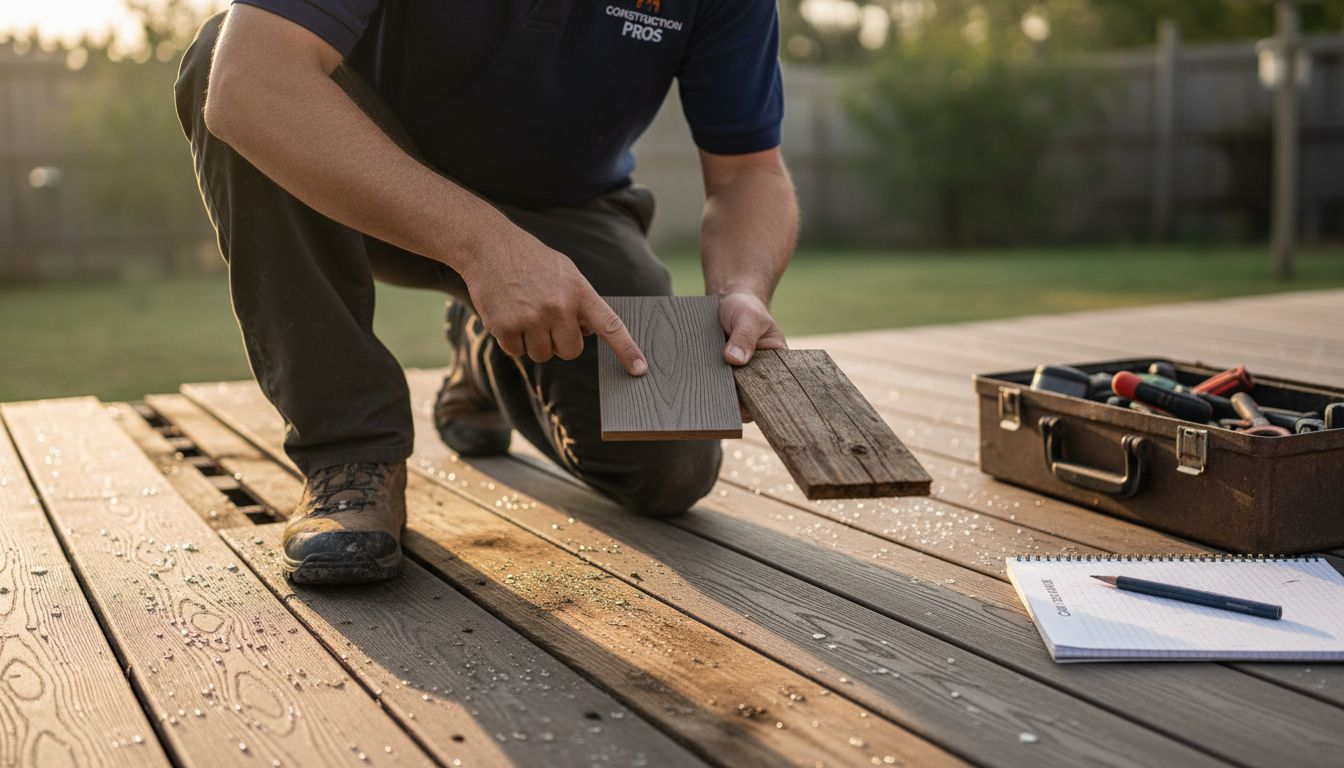
Most homeowners harbor significant misconceptions about deck upkeep. The most dangerous myth is believing decks are maintenance-free installations that can withstand years of neglect. In reality, wooden decks are continuously exposed to environmental stressors like moisture, temperature fluctuations, ultraviolet radiation, and physical wear.
Wood degradation happens gradually, often without immediate visible signs. Small issues like loose fasteners, minor wood splits, or subtle water absorption can rapidly escalate into major structural problems if left unaddressed. Proper deck maintenance techniques involve catching and resolving these subtle issues before they become expensive repairs.
Preventative maintenance isn’t just about aesthetics—it’s about safety and long-term investment protection. A well-maintained deck can last decades, while a neglected one might require complete replacement within just a few years.
Pro tip: Schedule professional deck inspections every 12-18 months to catch potential structural issues early and prevent costly future repairs.
Essential Deck Types and Material Differences
Deck materials play a crucial role in determining the longevity, appearance, and maintenance requirements of outdoor living spaces. Wood and composite deck materials) offer homeowners distinct advantages and challenges, making material selection a critical decision for long-term satisfaction.
Traditional wood decking options include several popular choices:
- Cedar: Naturally resistant to rot and insects
- Redwood: Offers beautiful color and natural durability
- Hardwoods like Ipe: Extremely dense and weather-resistant
- Pressure-treated lumber: Cost-effective and widely available
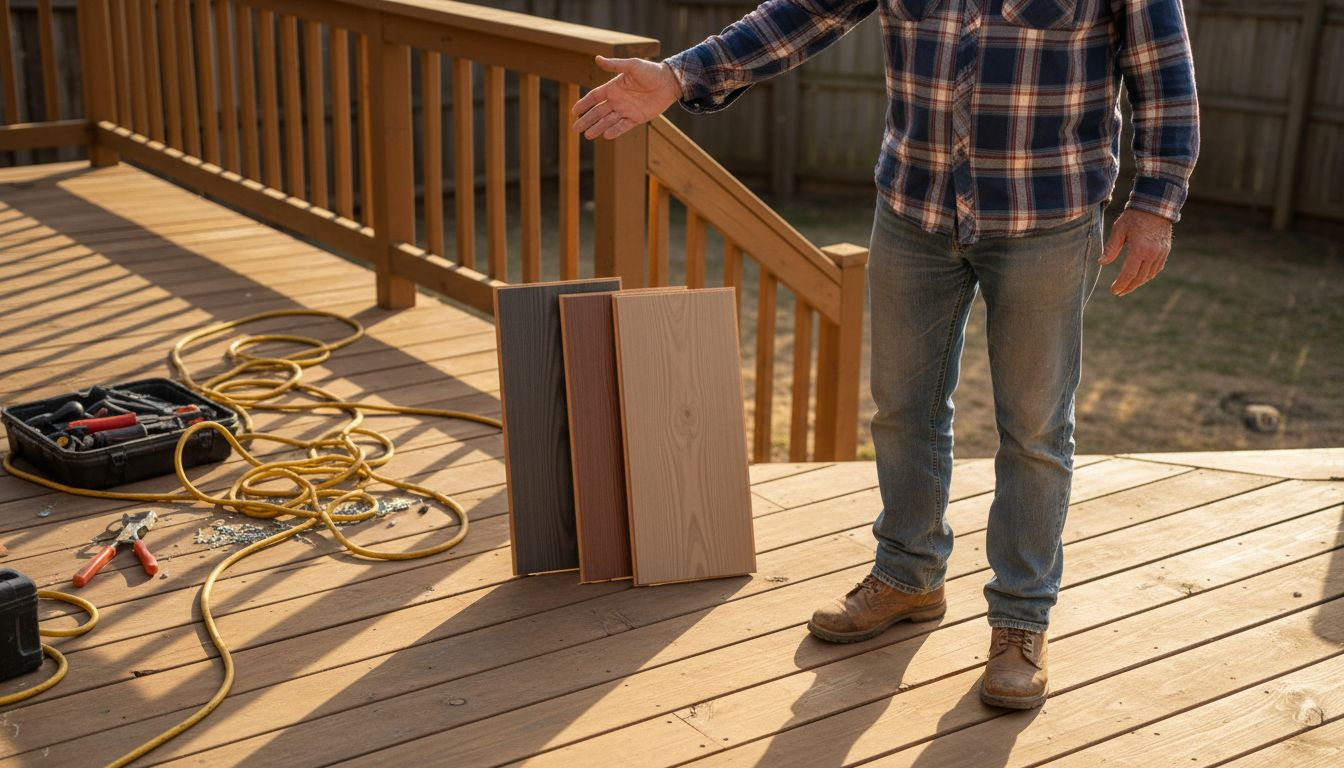
Composite materials represent a modern alternative, blending wood fibers with plastic polymers to create a low-maintenance solution. These engineered materials simulate wood’s appearance while offering superior resistance to weathering, decay, and insect damage. Unlike traditional wood, composite decking requires minimal annual maintenance and provides more consistent performance across varying environmental conditions.
Structural considerations extend beyond material selection. Deck construction techniques significantly impact overall performance, with proper fastening and moisture management being critical to preventing structural failures. Homeowners must consider factors like local climate, sun exposure, and potential moisture accumulation when choosing deck materials.
Here’s a comparison of wood and composite deck materials to aid selection:
| Characteristic | Wood Decking | Composite Decking |
|---|---|---|
| Maintenance Frequency | Annual sealing needed | Occasional cleaning only |
| Durability | Prone to rot and insects | Resists decay and pests |
| Appearance | Natural wood grain, fades | Consistent color, stable |
| Upfront Cost | Moderate to high range | Higher initial investment |
Different deck materials perform uniquely based on environmental conditions, making informed selection crucial for long-term durability.
Pro tip: Consult a professional contractor to assess your specific environmental conditions and recommend the most suitable deck material for your home’s unique requirements.
Routine Tasks for Extended Deck Longevity
Maintaining a deck requires consistent and strategic care to preserve its structural integrity and aesthetic appeal. Annual deck maintenance inspections are critical for identifying potential issues before they become costly repairs, ensuring your outdoor living space remains safe and functional.
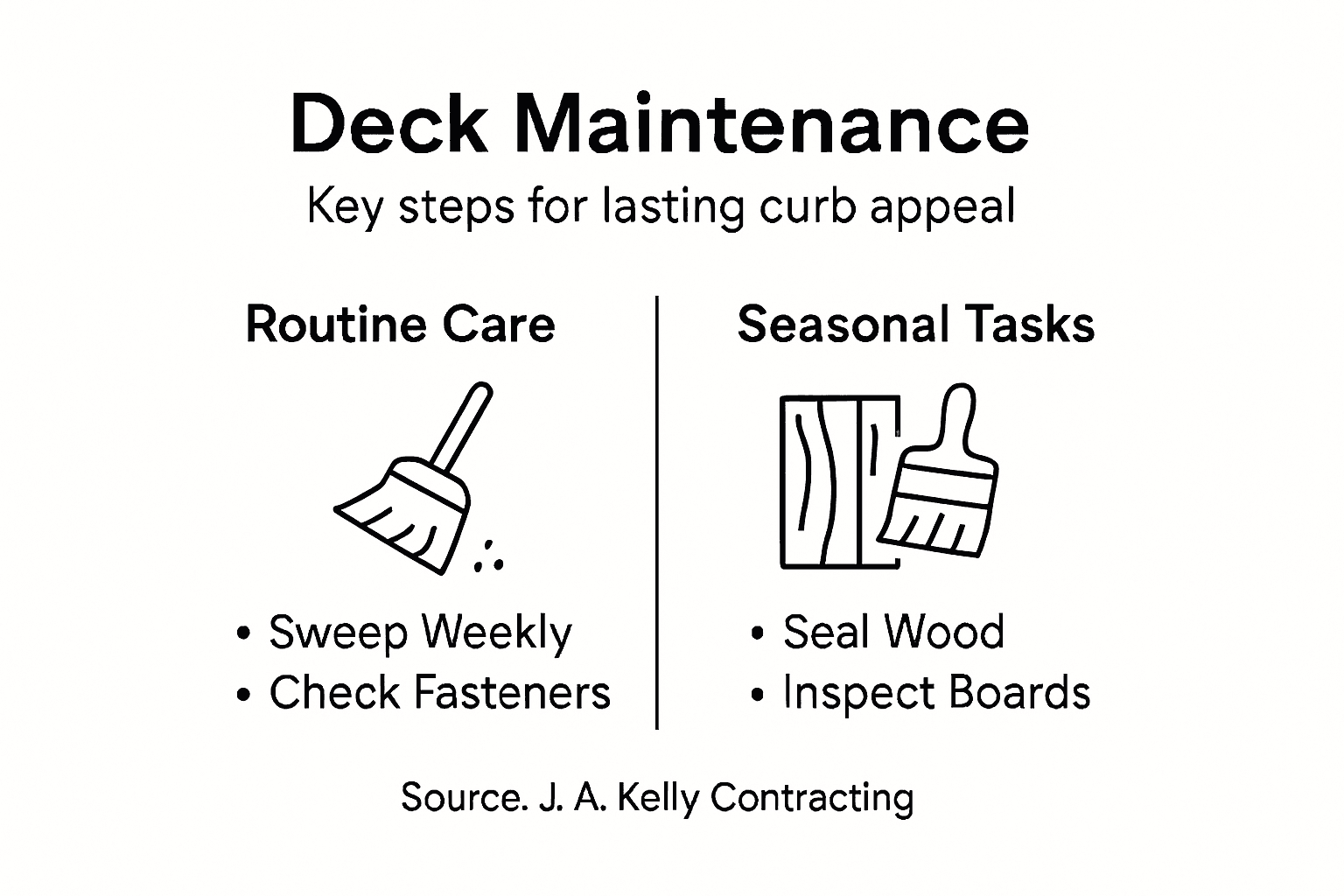
Key routine maintenance tasks include:
- Thorough surface cleaning every 6-12 months
- Comprehensive visual and structural inspections
- Checking and tightening all fasteners
- Examining wood for signs of decay or damage
- Cleaning and resealing wooden surfaces
- Verifying railing and stair stability
- Addressing any water drainage issues
Professional inspections become increasingly important as decks age. Structural deck evaluation techniques help homeowners identify subtle signs of wear that might compromise safety. These evaluations typically focus on critical areas like ledger board connections, support posts, and overall load-bearing capacity.
Proactive maintenance can extend a deck’s lifespan by up to 50%, preventing expensive replacement and ensuring continued safety.
Seasonal considerations play a significant role in deck maintenance. Wood decks require different care approaches depending on local climate conditions, with moisture management being particularly crucial in regions experiencing significant temperature and humidity variations.
Pro tip: Schedule professional deck inspections during spring or early summer to address any winter-related damage and prepare for increased outdoor usage.
Below is a summary of routine maintenance benefits and risks if ignored:
| Practice | Longevity Impact | Risk If Neglected |
|---|---|---|
| Annual professional check | Extends life span 10+ yrs | Early structural failure |
| Fastener tightening | Prevents board loosening | Increased collapse risk |
| Surface resealing | Minimizes water damage | Premature wood rotting |
Common Issues and Prevention Strategies
Deck failures often emerge from seemingly minor problems that progressively compromise structural integrity. Major deck failure points typically concentrate around critical connection areas, with ledger board attachments representing the most vulnerable structural junction.
Common deck issues include:
- Wood rot in support posts and joists
- Loose or corroded fasteners
- Inadequate railing stability
- Water drainage problems
- Separation from house structure
- Wood surface deterioration
- Uneven weight distribution
Structural vulnerabilities require systematic prevention strategies. Building code compliance helps mitigate risks by establishing minimum safety standards for deck construction and maintenance. Homeowners should focus on addressing potential weaknesses before they escalate into significant structural problems.
Proactive maintenance can prevent 80% of potential deck failures, saving thousands in replacement costs.
Environmental factors play a substantial role in deck deterioration. Moisture, temperature fluctuations, and direct sunlight continuously stress deck materials, making regular inspections and protective treatments essential for long-term durability. Professional assessments can identify subtle signs of wear that untrained eyes might miss.
Pro tip: Invest in annual professional inspections to catch potential structural issues early and prevent costly future repairs.
Cost Factors and When to Hire Professionals
Deck maintenance and repair costs vary significantly based on multiple critical factors. Deck building and maintenance expenses depend on material selection, project complexity, and labor rates, making professional consultation essential for accurate budgeting.
Key cost influencing factors include:
- Deck size and square footage
- Material type (pressure-treated lumber vs. composite)
- Complexity of design and structural requirements
- Local labor rates
- Extent of existing damage
- Accessibility of repair areas
- Additional features like railings or built-in elements
Structural repairs demand professional intervention to ensure safety and code compliance. Preventive maintenance strategies can significantly reduce long-term expenses by addressing potential issues before they escalate into major structural problems.
Professional deck maintenance can reduce repair costs by up to 60% over the deck’s lifetime, making early intervention financially smart.
Homeowners should consider hiring professionals for complex tasks such as ledger board attachments, electrical components, and significant structural modifications. While routine maintenance can be a DIY project, critical repairs require specialized knowledge and tools to guarantee structural integrity and safety.
Pro tip: Get at least three detailed quotes from licensed contractors to compare pricing and understand the full scope of recommended deck repairs.
Protect Your Decks with Expert Care from J. A. Kelly Contracting Services
If you want to avoid costly repairs and keep your deck safe and beautiful, understanding the importance of regular inspections and maintenance is vital. Challenges like wood deterioration, loose fasteners, and water damage can quickly compromise your deck’s structural integrity and curb appeal. Don’t wait for small issues to turn into expensive problems. Our team specializes in professional deck services tailored to Moncton and surrounding areas, ensuring your outdoor living space remains durable and inviting all year round.

Take action now by scheduling a professional deck inspection or maintenance service with J. A. Kelly Contracting Services. Visit our Home Renovation Archives – J. A. Kelly Contracting Services to learn more about our comprehensive solutions. Feel confident with quality craftsmanship and enjoy peace of mind knowing your deck is built to last. Contact us today through https://jakellycontractingservices.ca and protect your investment with proven expertise.
Frequently Asked Questions
What is involved in deck maintenance?
Deck maintenance includes regular surface cleaning, annual structural inspections, checking for wood deterioration, verifying fastener stability, and assessing areas for potential water damage.
How often should I schedule professional inspections for my deck?
It’s recommended to schedule professional deck inspections every 12-18 months to identify potential structural issues and prevent costly repairs.
What are the main differences between wood and composite decking materials?
Wood decking is natural and may require more maintenance, such as sealing and staining, while composite decking is low-maintenance, resists weathering, and typically has a longer lifespan without extensive upkeep.
What common issues can arise from poor deck maintenance?
Common issues include wood rot, loose fasteners, inadequate railing stability, drainage problems, and separation from the house structure, all of which can compromise safety and structural integrity.
Recommended
- What Is Deck Resurfacing and Why It Matters – J. A. Kelly Contracting Services
- 7 Essential Deck Renovation Tips for Homeowners – J. A. Kelly Contracting Services
- 7 Essential Roofing Maintenance Tips Every Homeowner Should Know – J. A. Kelly Contracting Services
- Timely Roof Repairs: Complete Guide for Homeowners – J. A. Kelly Contracting Services
- Stap voor stap renovatie: Uw woning vakkundig vernieuwen