







Most American homeowners discover that even small renovations can quickly snowball into complex projects with major financial stakes. With over 60 percent of property owners pursuing upgrades every year, knowing what defines core renovation services becomes more important than ever before. Whether you are planning a full home transformation or just refreshing your space, this guide lays out what matters most for a safe, valuable, and satisfying renovation journey.
Table of Contents
- Defining Core Renovation Services For Homeowners
- Major Types Of Residential Renovation Solutions
- How Renovation Projects Are Planned And Executed
- Safety Standards And Local Regulations In Moncton
- Typical Costs, Financing, And Value Impact
- What To Avoid When Hiring A Renovation Contractor
Key Takeaways
| Point | Details |
|---|---|
| Core Renovation Services | These services provide a systematic approach to improving both the functionality and aesthetics of residential spaces, enhancing property value over time. |
| Planning and Execution | A structured renovation process involves initial assessments, design development, budgeting, and a comprehensive project timeline to ensure successful outcomes. |
| Safety and Compliance | Home renovations must comply with local safety standards, building codes, and permit requirements, protecting homeowners and ensuring structural integrity. |
| Financial Considerations | Homeowners should anticipate costs ranging from minor updates to extensive renovations, and explore various financing options to manage their investments effectively. |
Defining Core Renovation Services for Homeowners
Core renovation services represent a comprehensive approach to transforming residential spaces, addressing both functional and aesthetic needs of homeowners. These services go beyond simple repairs, offering integrated home improvement solutions that systematically enhance property value, functionality, and visual appeal.
At the heart of core renovation services lie several key components that work together to create a holistic home transformation. Homeowners can expect a multi-faceted process that includes initial consultation, detailed planning, precise execution, and post-renovation evaluation. The goal is not just cosmetic improvement, but a strategic approach that considers structural integrity, energy efficiency, and long-term sustainability. Systematic renovation approaches focus on economic, environmental, and social aspects, ensuring that each project delivers comprehensive benefits beyond immediate visual changes.
The typical core renovation service encompasses several critical areas:
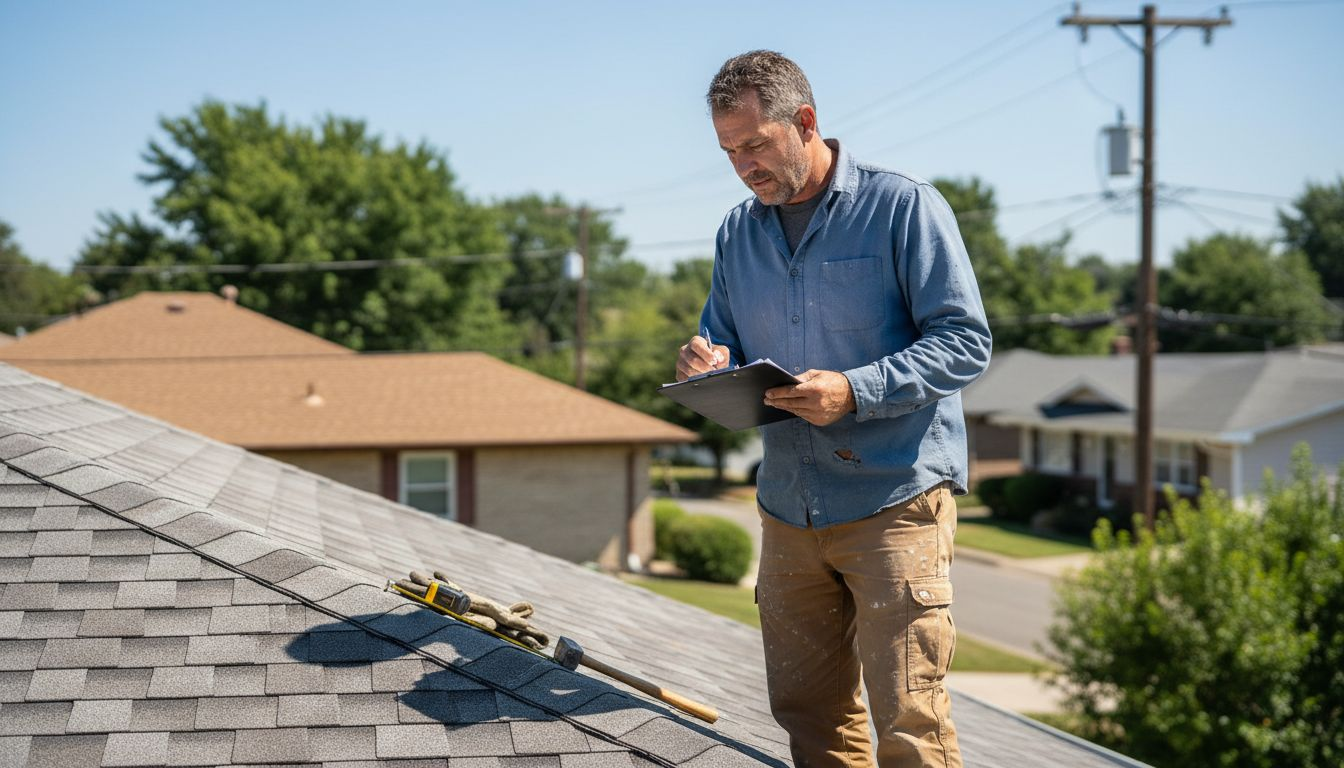
- Structural Assessment: Comprehensive evaluation of home’s foundational elements
- Design Consultation: Professional guidance on aesthetic and functional improvements
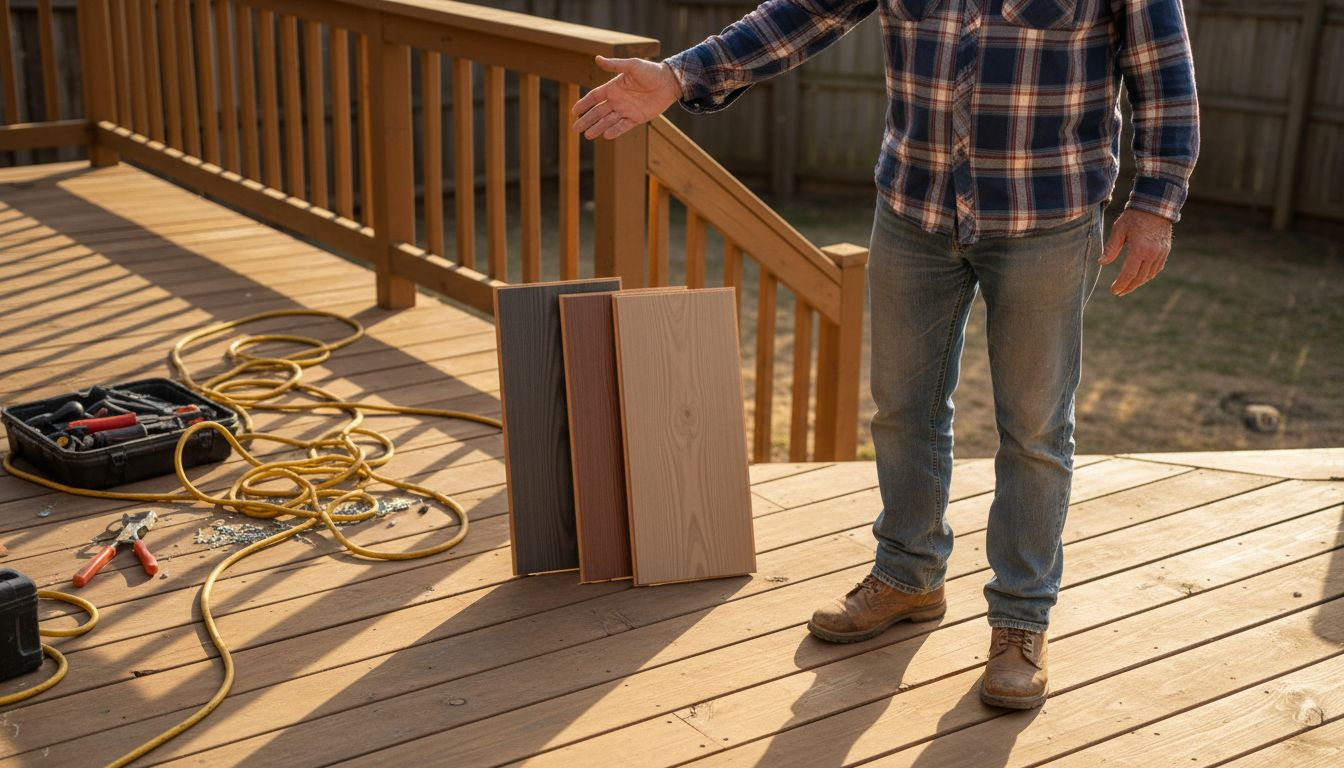
- Material Selection: Expert recommendations for durable, high-quality renovation materials
- Precise Execution: Skilled implementation of renovation plans
- Quality Assurance: Thorough post-renovation inspection and validation
Understanding these services empowers homeowners to make informed decisions about transforming their living spaces, ensuring each renovation project is a strategic investment in their property’s future.
Major Types of Residential Renovation Solutions
Residential renovation solutions encompass a wide range of services designed to transform and improve homes, addressing multiple functional and aesthetic needs. Homeowners can choose from several specialized renovation approaches, each targeting specific aspects of residential improvement. Deep energy retrofits represent one of the most comprehensive renovation strategies, focusing on significantly reducing a home’s energy consumption through whole-building analysis and advanced technological interventions.
The primary categories of residential renovation solutions include structural upgrades, energy efficiency improvements, aesthetic enhancements, and functional space transformations. Structural renovations involve critical modifications to a home’s core framework, ensuring stability and addressing potential structural weaknesses. Energy efficiency projects aim to reduce utility costs and environmental impact, often involving insulation upgrades, window replacements, and advanced heating and cooling system installations. Adaptive reuse techniques offer innovative approaches to repurposing existing spaces, allowing homeowners to reimagine and revitalize their living environments while preserving historical characteristics.
Key types of residential renovation solutions include:
- Kitchen Renovations: Complete overhauls of cooking and dining spaces
- Bathroom Remodeling: Updating fixtures, tiles, and overall functionality
- Basement Finishing: Transforming unused spaces into functional living areas
- Exterior Upgrades: Improving home facade, siding, and landscaping
- Whole-Home Renovations: Comprehensive transformation of entire living spaces
Understanding these renovation solutions empowers homeowners to make strategic decisions that enhance property value, improve living conditions, and address specific functional requirements unique to their residential spaces.
How Renovation Projects Are Planned and Executed
Systematic renovation planning transforms home improvement from a chaotic process into a structured, efficient journey. Successful renovation projects require meticulous preparation, strategic thinking, and a comprehensive approach that addresses every aspect of home transformation. Homeowners must navigate multiple stages, from initial concept development to final execution, ensuring each step is carefully considered and professionally managed.
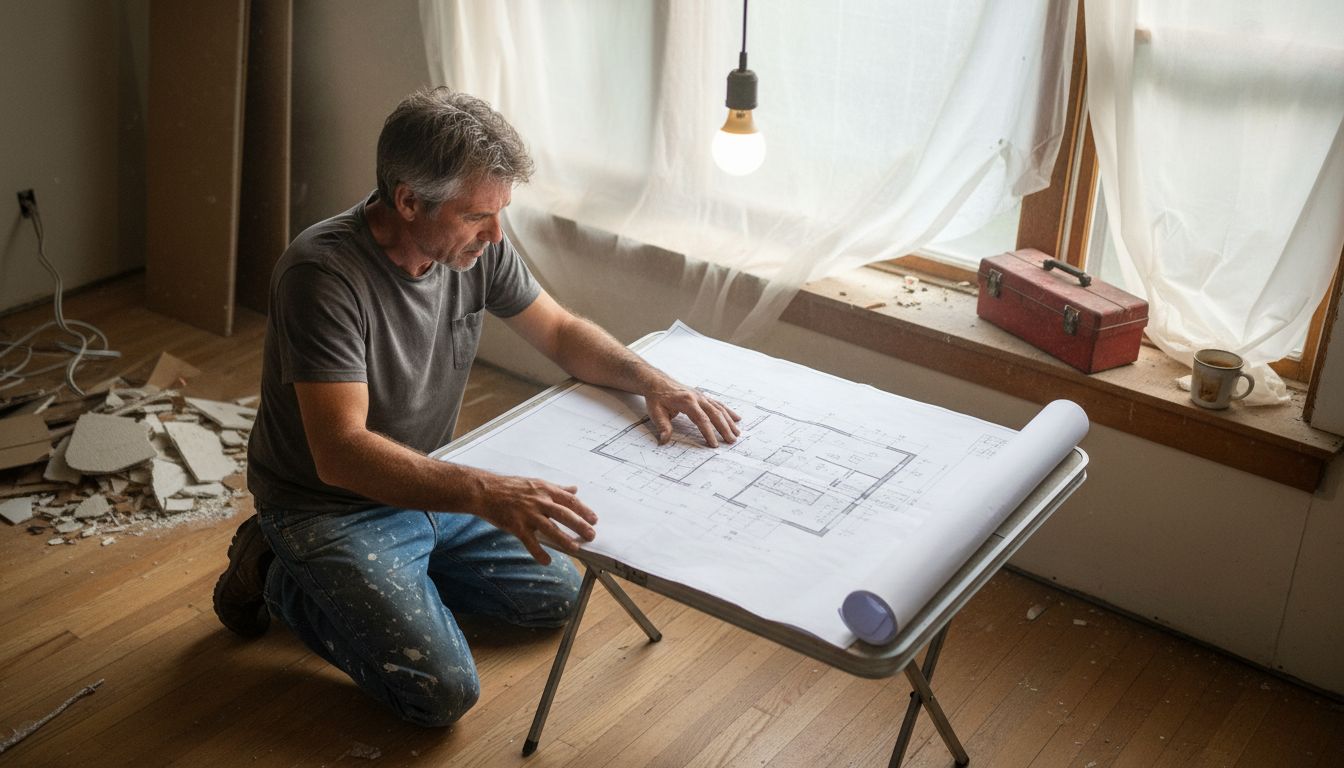
The renovation planning process typically involves several critical phases that work together to create a seamless transformation. Initially, homeowners conduct a thorough assessment of their current space, identifying specific needs, potential challenges, and desired outcomes. User-centric architectural remodeling emphasizes the importance of integrating homeowner preferences throughout the planning stages, ensuring the final result aligns perfectly with personal vision and functional requirements. Professional contractors collaborate closely with homeowners to develop detailed project blueprints, accounting for structural considerations, budget constraints, and aesthetic goals.
Key steps in the renovation project planning and execution include:
- Initial Consultation: Comprehensive project scope assessment
- Design Development: Creating detailed architectural and design plans
- Budget Preparation: Establishing financial parameters and cost estimates
- Permit Acquisition: Securing necessary legal documentation
- Material Selection: Choosing appropriate materials and finishes
- Scheduling: Developing a precise project timeline
- Execution: Professional implementation of renovation plans
- Final Inspection: Thorough quality assurance review
Successful renovation projects demand a delicate balance between creative vision and practical implementation, transforming initial concepts into tangible, beautiful living spaces that meet both aesthetic and functional requirements.
Safety Standards and Local Regulations in Moncton
Home renovation projects in Moncton are governed by a complex network of safety standards and local regulations designed to protect homeowners, contractors, and the broader community. Navigating these requirements demands careful attention to provincial building codes, municipal bylaws, and specific permit protocols that ensure structural integrity and public safety. Local roofing regulations in Moncton represent a critical component of these comprehensive safety frameworks.
The regulatory landscape for home renovations in Moncton encompasses multiple critical areas of compliance. Contractors must adhere to stringent New Brunswick Building Code standards, which outline precise requirements for structural modifications, electrical systems, plumbing installations, and overall construction quality. These regulations mandate professional inspections at various project stages, ensuring that renovation work meets established safety benchmarks and environmental performance standards. Homeowners should understand that obtaining proper permits is not merely a bureaucratic formality but a crucial step in protecting their investment and ensuring long-term structural reliability.
Key safety and regulatory considerations for Moncton home renovations include:
- Permit Requirements: Securing appropriate municipal construction permits
- Building Code Compliance: Meeting New Brunswick structural safety standards
- Electrical Safety: Following Canadian electrical installation regulations
- Structural Modification Approvals: Obtaining professional engineering assessments
- Environmental Regulations: Adhering to waste disposal and material usage guidelines
- Contractor Certification: Verifying professional licensing and insurance
- Inspection Protocols: Scheduling mandatory project inspections
- Zoning Restrictions: Understanding local land-use and renovation limitations
Understanding and implementing these safety standards protects homeowners from potential legal complications, ensures high-quality renovation outcomes, and maintains the structural integrity of Moncton residential properties.
Typical Costs, Financing, and Value Impact
Home renovation projects represent significant financial investments that require careful planning and strategic financial management. Innovative financial solutions for home renovations have emerged to help homeowners navigate the complex landscape of project costs, making comprehensive home improvements more accessible and financially manageable. Understanding the potential expenses, financing options, and long-term value impact is crucial for homeowners considering renovation projects.
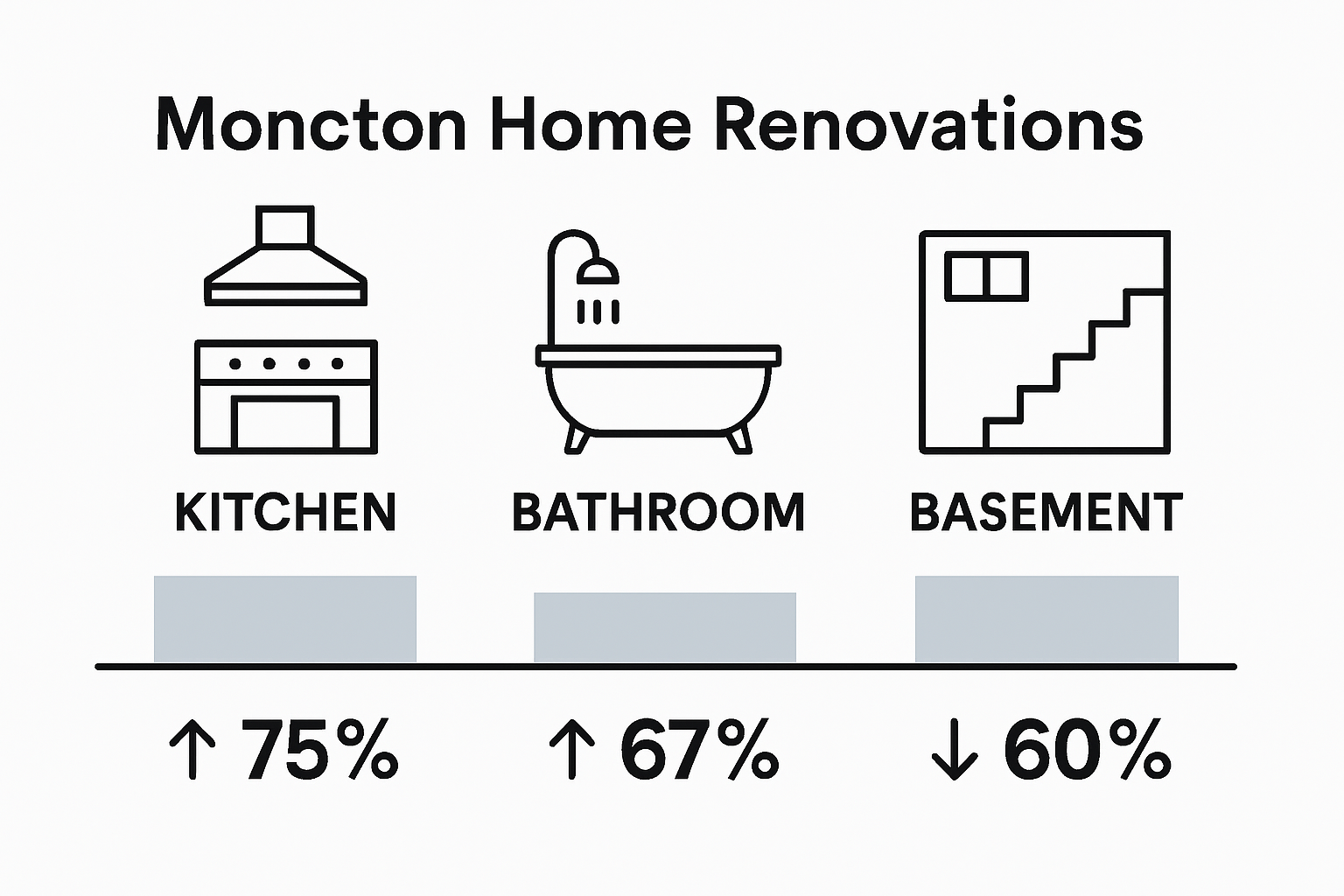
The financial considerations of home renovations extend far beyond initial project costs. Sustainable housing renovation models emphasize balancing economic factors with environmental and functional goals, ensuring that investments deliver comprehensive value. Renovation costs can vary widely depending on project scope, with minor updates ranging from $5,000 to $15,000 and major whole-home transformations potentially exceeding $100,000. Factors influencing project expenses include material quality, labor complexity, structural modifications, and specific renovation objectives.
Key financial aspects of home renovation projects include:
- Project Cost Ranges:
- Minor updates: $5,000 – $15,000
- Moderate renovations: $15,000 – $50,000
- Comprehensive transformations: $50,000 – $150,000
- Financing Options:
- Home equity lines of credit
- Personal renovation loans
- Contractor financing programs
- Government energy efficiency grants
- Value Impact Considerations:
- Potential property value increase
- Energy efficiency improvements
- Enhanced living space functionality
- Updated aesthetic appeal
Careful financial planning transforms renovation projects from potential financial burdens into strategic investments that enhance both home value and quality of life.
What to Avoid When Hiring a Renovation Contractor
Choosing the right renovation contractor can make or break your home improvement project, and understanding potential pitfalls is crucial for successful outcomes. Selecting a reliable contractor guide helps homeowners navigate the complex process of identifying trustworthy professionals who can deliver high-quality results while avoiding costly mistakes.
Homeowners should be vigilant about several red flags that signal potential problems with renovation contractors. Unrealistically low initial quotes often indicate hidden costs, substandard materials, or incomplete work scopes. Contractors who cannot provide clear, detailed written estimates, lack proper licensing and insurance, or pressure homeowners into immediate decisions should be approached with extreme caution. Professional contractors demonstrate transparency through comprehensive documentation, clear communication, and willingness to answer detailed questions about their process, qualifications, and past project experiences.
Critical warning signs to watch for when hiring a renovation contractor include:
- Financial Red Flags:
- Requesting full payment upfront
- Accepting only cash payments
- Providing vague or incomplete cost estimates
- Qualification Warning Signs:
- No verifiable business address
- Limited or no professional references
- Lack of proper licensing and insurance
- Reluctance to provide documentation
- Communication Concerns:
- Aggressive sales tactics
- Inability to explain technical processes
- Inconsistent or evasive responses
- Poor follow-up communication
Careful contractor selection requires thorough research, multiple consultations, and a willingness to ask challenging questions that protect your home improvement investment.
Elevate Your Moncton Home with Trusted Core Renovation Services
Are you facing the challenge of transforming your home with a strategic approach that balances structural integrity, design, and lasting value? This article highlights key pain points like the need for precise execution, comprehensive planning, and compliance with safety standards in Moncton renovations. At J. A. Kelly Contracting Services, we understand your goal to achieve a seamless renovation that enhances both form and function while navigating local regulations.
Whether you are considering a complete home transformation or targeted improvements our team delivers expert craftsmanship backed by years of local experience. Explore our full range of solutions in the Home Renovation Archives – J. A. Kelly Contracting Services to discover how we address common renovation hurdles such as proper material selection and thorough quality assurance.
Take the first step toward a stress-free renovation by contacting us at https://jakellycontractingservices.ca today. Benefit from professional guidance, financing options, and a commitment to excellence that will transform your living space into the home you deserve. Don’t wait to make your renovation dreams a reality with Moncton’s trusted experts.
Frequently Asked Questions
What are core renovation services?
Core renovation services encompass a comprehensive approach to improving residential spaces, addressing structural integrity, energy efficiency, and aesthetic appeal through a systematic process.
How are renovation projects planned and executed?
Renovation projects typically involve several phases, including initial consultation, design development, budget preparation, permitting, material selection, execution, and final inspection, ensuring a structured and efficient transformation.
What types of residential renovation solutions are commonly offered?
Common types of residential renovation solutions include kitchen renovations, bathroom remodeling, basement finishing, exterior upgrades, and whole-home renovations, each targeting specific functional and aesthetic needs.
What should homeowners avoid when hiring a renovation contractor?
Homeowners should avoid contractors who request full upfront payment, lack proper licensing and insurance, provide vague estimates, or demonstrate poor communication. Conducting thorough research and asking detailed questions can help ensure a reliable choice.
Recommended
- Why Renovate Your Home: Complete Guide for Homeowners – J. A. Kelly Contracting Services
- Blog – J. A. Kelly Contracting Services
- What Is Home Renovation? Complete Guide for Homeowners – J. A. Kelly Contracting Services
- Top Home Renovation Trends for 2025 – J. A. Kelly Contracting Services
- HVAC for Older Homes: Best Solutions and Tips – HVAC Service and Repair | Louisville, KY | Project Heating & Cooling