

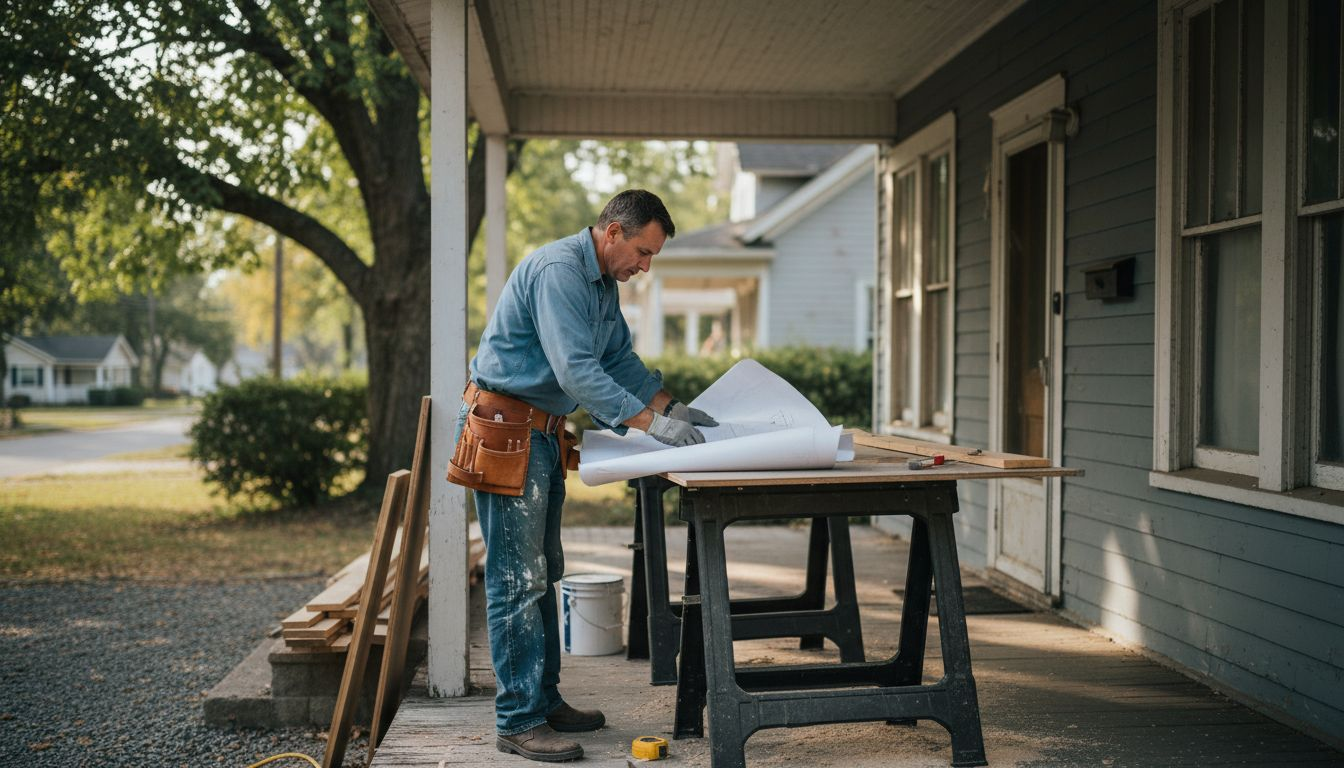
You want your Moncton home renovation to look great and stand strong for years, but choosing the right contractor can feel confusing. For homeowners who prioritize quality and safety, certified contractors stand apart because their credentials are not just paper—they show proven skills and up-to-date knowledge of building standards. Understanding what contractor certifications really mean helps you spot genuine expertise, protect your investment, and ensure your project fully meets New Brunswick requirements.
Table of Contents
- What Contractor Certifications Really Mean
- Types of Certifications in Residential Work
- Legal Standards and Local Compliance
- How Credentials Impact Project Quality
- Risks of Hiring Uncertified Contractors
Key Takeaways
| Point | Details |
|---|---|
| Importance of Certifications | Contractor certifications verify essential skills and knowledge, ensuring adherence to current building codes and safety standards. |
| Types of Relevant Certifications | Key categories include trade-specific, manufacturer, safety, and business management certifications, each impacting project quality differently. |
| Risks of Uncertified Contractors | Hiring uncertified contractors can lead to safety violations, legal issues, and significant long-term financial consequences. |
| Verification of Credentials | Always confirm a contractor’s certifications with the issuing organization to ensure they are current and valid before hiring. |
What Contractor Certifications Really Mean
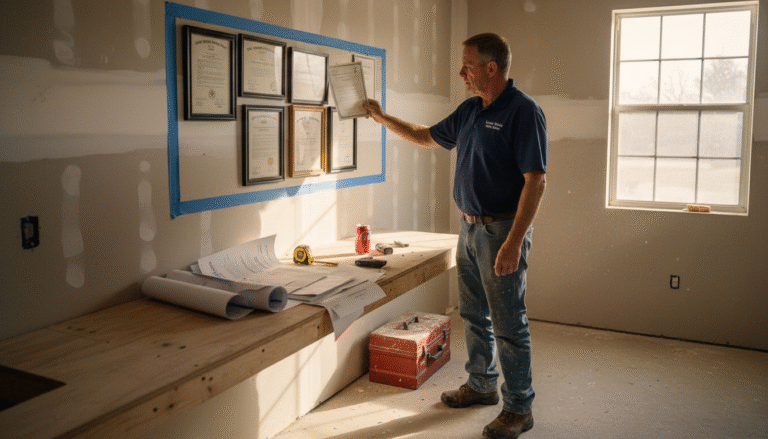
When you see a contractor’s wall covered with certificates, you might wonder what they actually prove. Here’s the reality: contractor certifications validate that someone has demonstrated specific knowledge, skills, and professional competencies in their trade. They’re not participation trophies. They represent real training, hands-on experience, and often rigorous testing. For homeowners in Moncton considering renovations, understanding what these credentials mean can be the difference between hiring someone who knows building codes inside and out and someone who just happened to pick up a hammer once.
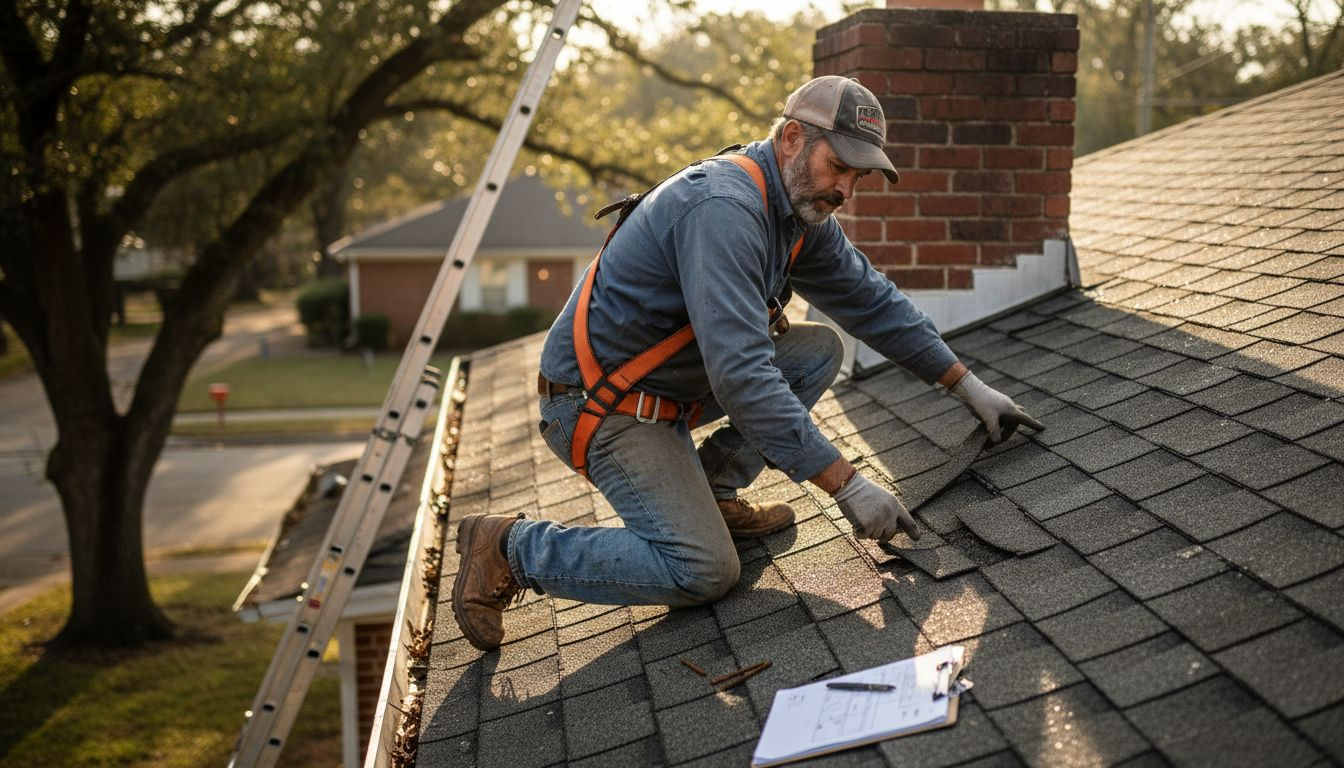
Certifications serve several concrete purposes. They show a contractor has met standardized requirements set by industry bodies, professional organizations, or government agencies. When a contractor holds specialized trade certifications, it signals they’ve invested time in staying current with changing codes and best practices. Some certifications require ongoing education to maintain, meaning your contractor isn’t relying on knowledge from a decade ago. In residential work, certifications might cover areas like electrical safety, roofing standards, structural knowledge, or specific building code compliance. A certified roofer knows the latest materials, weatherproofing techniques, and how to handle New Brunswick’s specific weather challenges. A certified electrician understands current electrical codes and safety protocols that protect your family.
What separates legitimate certifications from questionable ones comes down to the issuing body. Reputable certifications come from established trade organizations, provincial licensing boards, or recognized industry groups that have vetting processes and renewal requirements. In New Brunswick, certain trades require provincial licensing, while others have optional professional certifications that contractors pursue to demonstrate excellence. When evaluating a contractor’s credentials, look beyond the fancy frame. Ask who issued the certification, what requirements they had to meet, and whether ongoing education is required to keep it current. This distinction matters because it tells you whether that contractor is genuinely committed to professional standards or just displaying old paperwork.
Hiring contractors with proper certifications directly protects your home investment. They understand building codes that have real safety implications for your family. They know warranty requirements and insurance obligations that matter if something goes wrong. They’re more likely to pull proper permits and have work inspected by authorities, which protects you legally and ensures the work meets current standards. Beyond that, certified contractors often carry professional liability insurance and belong to organizations with complaint resolution processes. This gives you recourse if work doesn’t meet specifications.
Pro tip: Ask contractors not just what certifications they hold, but when they obtained them and what renewal process they follow. A certification from five years ago without updates or renewals is less valuable than one the contractor actively maintains.
Types of Certifications in Residential Work
Residential contractors can hold dozens of different certifications, and not all of them carry equal weight. Understanding the main categories helps you know what to look for when hiring someone to renovate your Moncton home. The certifications that matter most fall into a few distinct areas: trade-specific credentials, building code and safety certifications, manufacturer certifications, and business or management qualifications. A roofer might hold certifications from roofing manufacturers, residential construction standards, and safety training. An electrician needs provincial licensing plus potentially additional certifications in specific systems or safety protocols. The key is recognizing that different projects require different expertise.
Trade-specific certifications form the foundation. These verify that a contractor has completed training and demonstrated competency in a particular skill. Residential construction certifications cover areas like framing, electrical work, plumbing, HVAC installation, and finishing work. In New Brunswick, electricians and plumbers must be licensed, but other trades like carpenters and roofers may have optional professional certifications that show they’ve gone beyond basic requirements. Manufacturer certifications are equally important and often overlooked. If a contractor installs roofing materials, they might be certified by the manufacturer, meaning they understand proper installation techniques and can validate warranty claims. Same applies to siding, windows, insulation, and flooring. These certifications matter because manufacturers back them up. If installation is botched, a manufacturer-certified installer gives you a clear path to remedy the problem.
Safety and code-related certifications protect your family directly. Certifications in building code compliance, electrical safety, fall protection for roofers, and proper handling of hazardous materials all demonstrate that a contractor knows current regulations and safe practices. Some certifications require ongoing education and testing to maintain, which means the contractor stays current as codes evolve. New Brunswick building codes change periodically, and certified contractors make it their business to understand updates.
Business certifications round out the picture. A contractor might hold certifications in project management, estimating, or customer service. While these don’t directly relate to the hands-on work, they signal professionalism and organizational competence. Insurance and bonding credentials also matter. A contractor who maintains liability insurance and workers compensation coverage shows financial responsibility and protects you if something goes wrong on your property.
Here’s how different contractor certification types compare:
| Certification Type | What It Covers | Why It Matters |
|---|---|---|
| Trade-Specific | Carpentry, plumbing, electrical | Verifies core skills and competencies |
| Manufacturer | Roofing, windows, insulation | Ensures proper warranty installation |
| Safety & Code | Building code, fall protection | Demonstrates knowledge of regulations |
| Business & Management | Project planning, insurance | Signals professionalism and organization |
Pro tip: Ask contractors to provide documentation of their certifications and verify with the issuing organizations that credentials are current and in good standing, not just expired paperwork tucked in a desk drawer.
Legal Standards and Local Compliance
When a contractor shows you certifications, you’re essentially looking at proof they understand and follow the legal standards that govern their work. In Moncton and across New Brunswick, building codes set minimum standards for safety, structural integrity, and quality. These aren’t suggestions. They’re legal requirements enforced through inspections and permits. A certified contractor knows these codes cold and builds them into every project. Without certification or proper knowledge, a contractor might cut corners that are technically illegal and create liability for you as the homeowner.
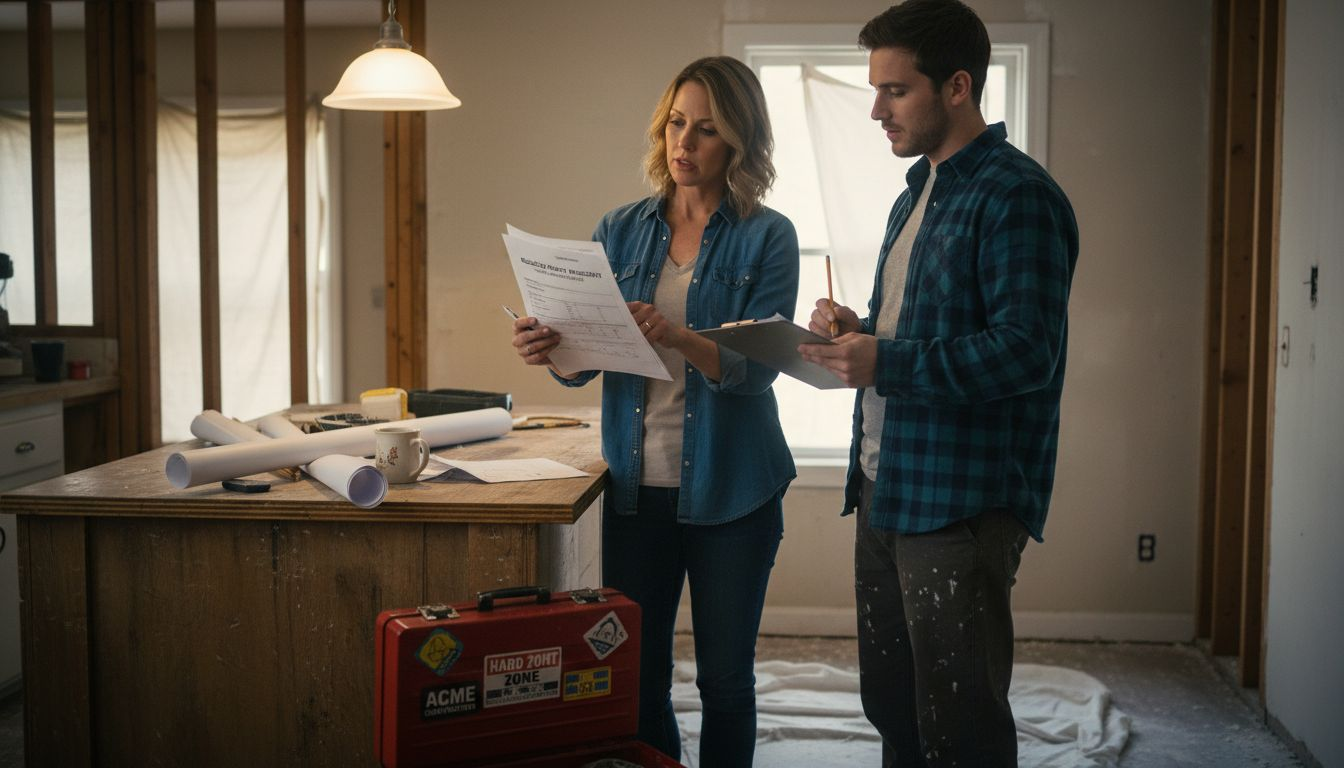
Local compliance means more than just following building codes. It includes obtaining proper permits before work starts, scheduling inspections at the right stages, and ensuring work passes final approval. Many homeowners don’t realize that unpermitted work creates serious problems down the road. When you sell your house, buyers conduct inspections. Unpermitted renovations can kill a sale or force you to tear out and redo thousands of dollars of work. A certified contractor handles permits as routine business. They know which projects require permits in Moncton, submit paperwork correctly, and coordinate with municipal inspectors. This protects you legally and protects your property value. Contractor compliance with legal and regulatory standards ensures accountability and transparency throughout the project.
Certifications also demonstrate a contractor’s commitment to liability and insurance standards. A certified contractor typically carries liability insurance and workers compensation coverage. These aren’t just nice to have. If someone gets injured on your property during renovation work, you need the contractor’s insurance to cover it, not your homeowners policy. Certified contractors understand employment law and proper worker classification. They don’t try to save money by cutting corners on insurance or hiring unlicensed workers off the books. They operate above board because they’ve invested in certifications that require ongoing compliance.
Another crucial aspect is understanding local zoning regulations and neighborhood restrictions. Some Moncton neighborhoods have specific architectural guidelines or restrictions on what work you can do. A certified contractor knows these local nuances and won’t start a project that violates local regulations. They’ve built relationships with municipal officials and know the current interpretation of rules, which matters because regulations shift over time.
Pro tip: Always request that your contractor provide proof of current liability insurance and workers compensation coverage before signing any contract, and verify directly with the insurance company that coverage is active and includes the specific work you’re hiring them to do.
How Credentials Impact Project Quality
There’s a direct line between a contractor’s certifications and the quality of work you receive. Certified contractors don’t just know more. They follow proven methodologies, understand best practices, and have developed problem-solving skills that show up in every aspect of your renovation. When a contractor has invested time in earning credentials, they’ve typically studied structured approaches to planning, executing, and managing projects. This translates into better timelines, fewer mistakes, and higher quality results.
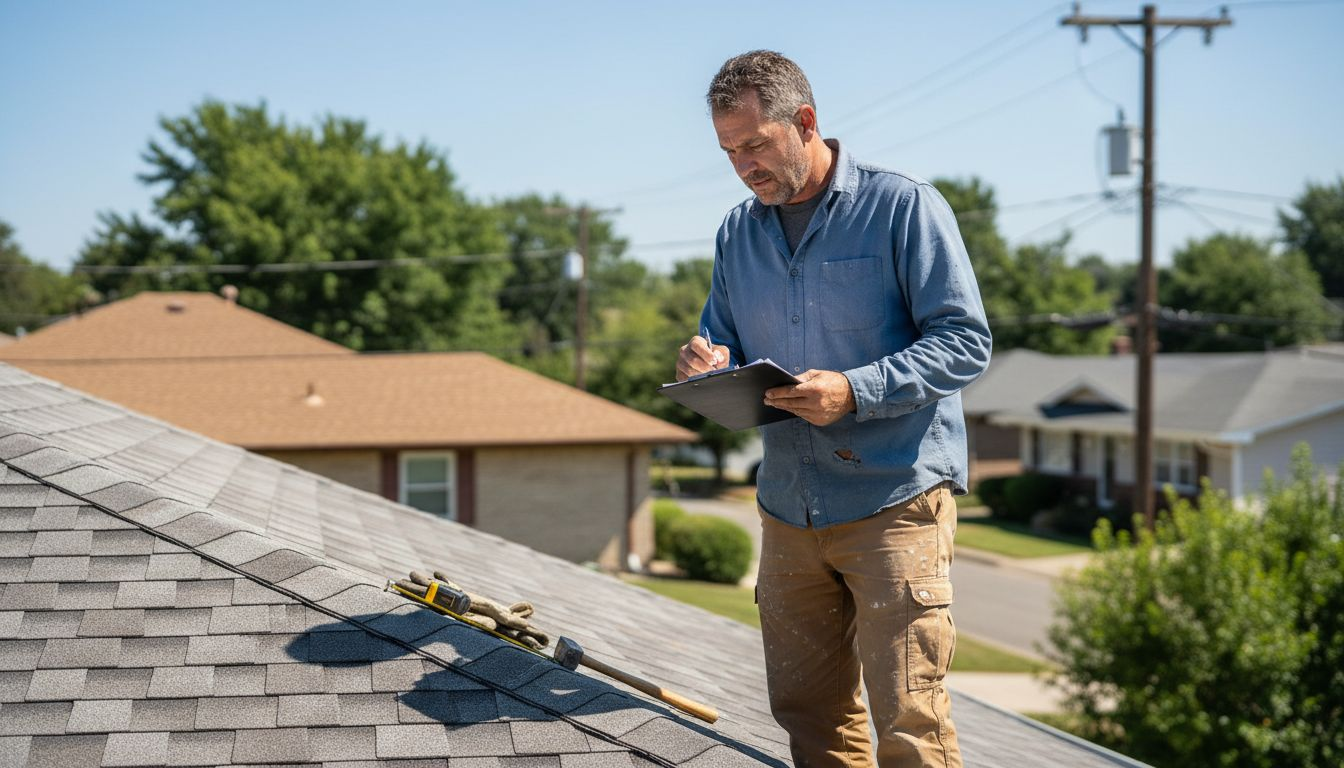
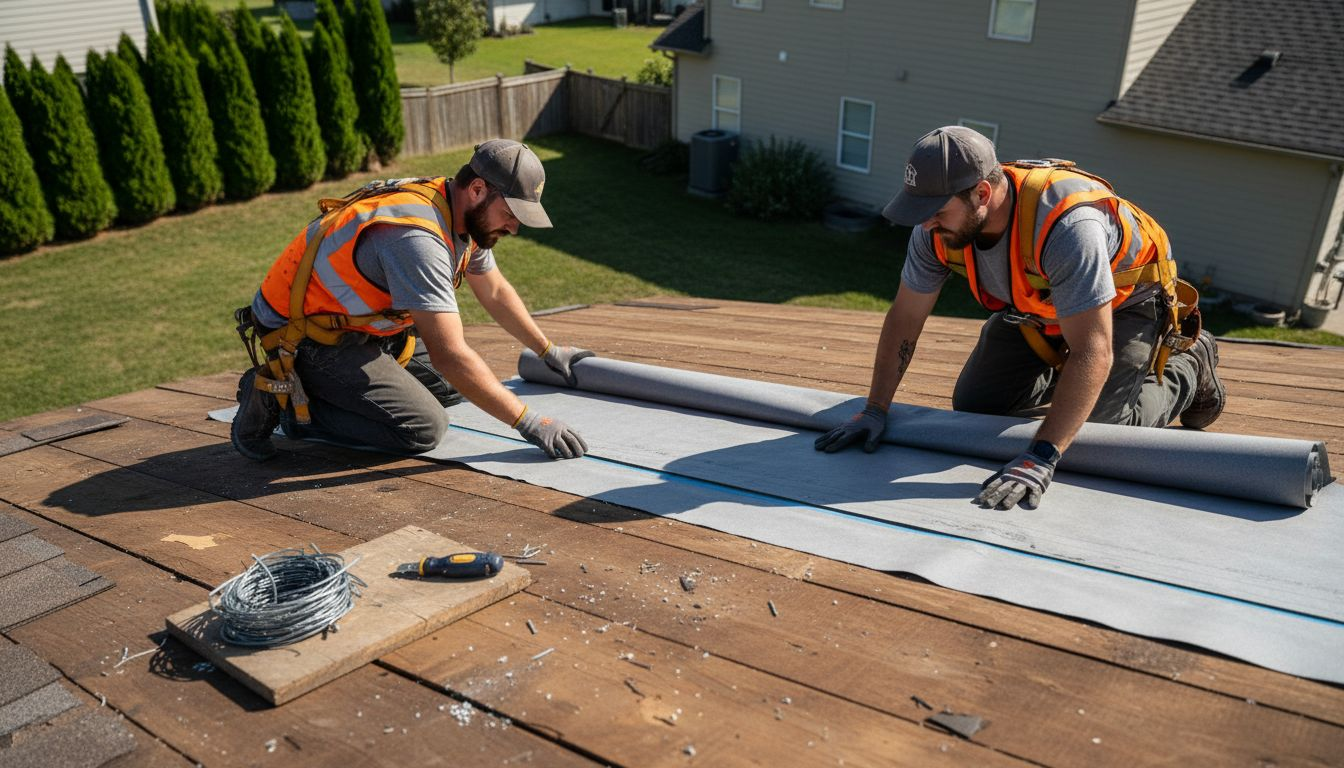
Certified contractors understand risk management in ways uncertified workers often miss. They’ve learned to identify potential problems before they become expensive disasters. During a roof replacement, a certified roofer knows exactly how weather patterns affect installation timing and material performance in a New Brunswick climate. They understand moisture barriers, ventilation requirements, and structural considerations that protect your home for decades. An uncertified contractor might complete the physical work of nailing shingles, but a certified professional builds in the knowledge that prevents ice dams, premature deterioration, and leaks that show up years later. These aren’t small differences. The quality gap between certified and non-certified work often becomes obvious only after five or ten years, when your certified contractor’s work still performs flawlessly while cheaper alternatives fail.
Professional certifications enhance project management methodologies and lead to better adherence to industry standards. Certified contractors use documented processes for scheduling, budgeting, and quality control. They communicate progress clearly because they’ve learned structured communication methods. When unexpected issues arise during your renovation, a certified contractor pulls from a toolkit of proven solutions rather than improvising. This consistency matters. You get predictable outcomes delivered on schedule and within budget.
Certifications also create accountability. When a contractor holds recognized credentials, they have something to lose if they cut corners or deliver poor work. Professional organizations that issue certifications have complaint procedures and can revoke credentials from contractors who violate standards. This creates ongoing pressure to maintain quality and professionalism. Your relationship with a certified contractor carries implicit protection because their reputation and credentials depend on your satisfaction. An uncertified contractor has no such incentive. If they disappear after the job, you have limited recourse beyond small claims court. Certified contractors build their long-term business on customer satisfaction and referrals, which means they invest in getting your project right.
Pro tip: Ask potential contractors about their quality control process and how they verify workmanship meets standards before considering a project complete, as certified professionals typically have documented inspection procedures that protect both you and them.
Risks of Hiring Uncertified Contractors
Hiring an uncertified contractor might seem like a way to save money upfront, but it almost always costs more in the long run. Uncertified contractors operate without the oversight, accountability, and professional standards that protect you as a homeowner. When something goes wrong, you’re left holding the financial and legal responsibility. The risks go far beyond quality issues. They touch your property value, your safety, and your legal exposure in ways that can haunt you for years.
One of the biggest dangers is poor workmanship and safety violations. Unlicensed contractors often lack proper insurance and fail to comply with safety regulations, exposing your home and family to serious hazards. An uncertified electrician might wire your basement renovation in a way that violates code and creates fire risk. An uncertified roofer might use installation methods that void the material warranty and allow water infiltration. You might not discover these problems for months or years, long after the contractor has disappeared and spent your money. By then, the damage is done, and fixing it properly costs substantially more than getting it right the first time.
Insurance and liability issues create another dangerous gap. When an uncertified contractor gets injured on your property, their lack of workers compensation insurance means the injury claim falls to your homeowners policy. This can spike your premiums, create coverage disputes, or even result in claim denial if your insurer determines the work was unlicensed and shouldn’t have been happening. If the contractor damages something else on your property or neighboring properties, again you bear the liability. A certified contractor carries proper insurance that handles these situations. An uncertified contractor leaves you exposed.
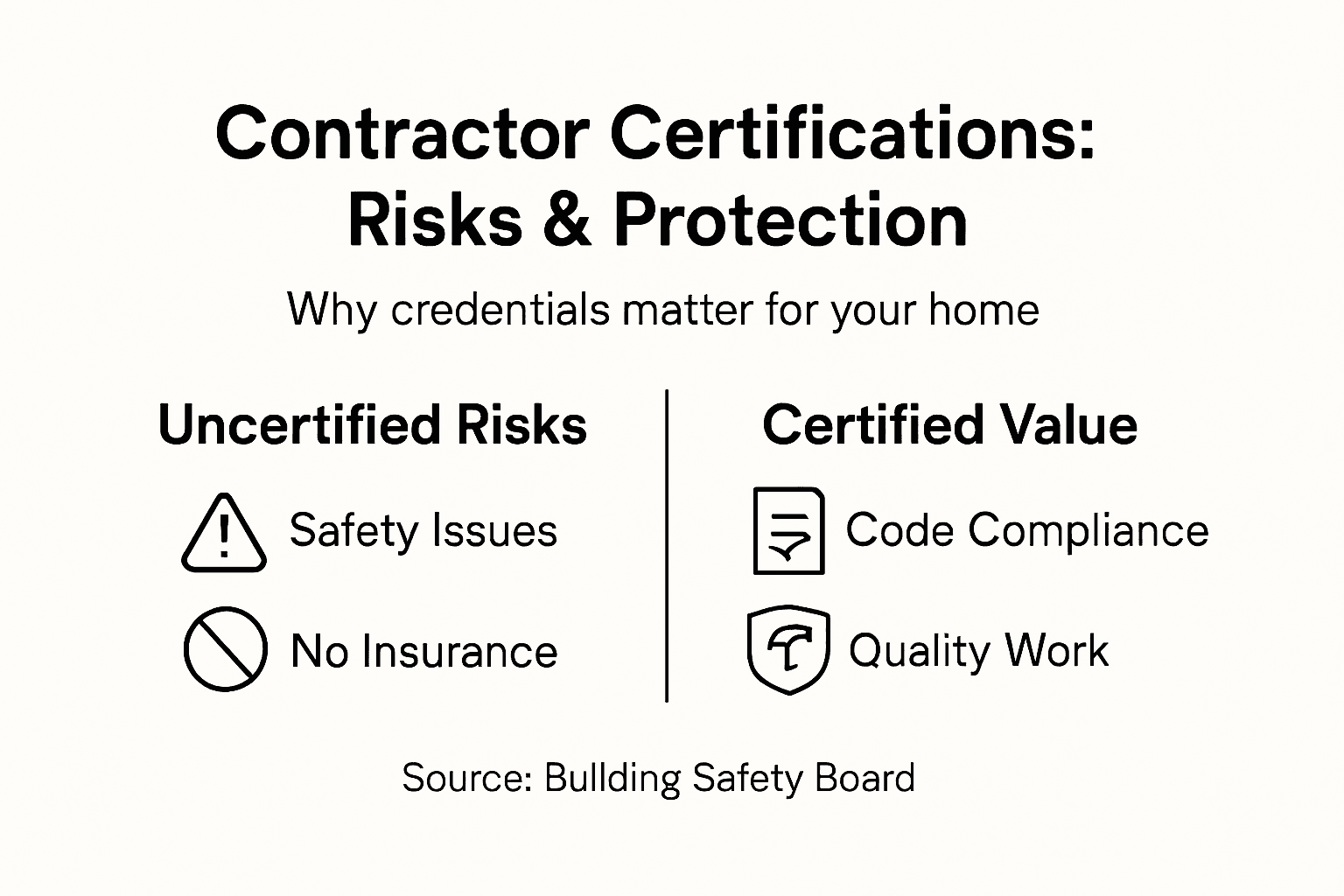
Permitting and legal compliance problems create lasting damage to your property value and create liability for you personally. Unpermitted work by an uncertified contractor means no inspections, no official sign-offs, and no documentation that work meets code. When you sell your home, an inspection reveals unpermitted work. Buyers will demand it be torn out and redone by a licensed contractor before closing, or they’ll walk away from the deal entirely. In some cases, municipalities require you to hire a certified contractor to inspect and certify that unpermitted work actually meets code. You end up paying twice: once for the original uncertified work, and again for proper certification or remediation.
Financial recourse becomes nearly impossible with uncertified contractors. If they disappear mid-project or deliver substandard work, you have minimal legal options. Many operate without formal business structures, making them difficult to sue. Your only option becomes small claims court, which is slow, expensive, and often unproductive if the contractor has no assets to recover.
Consider these risks when hiring uncertified contractors:
| Risk Area | Impact on Homeowners | Long-Term Consequence |
|---|---|---|
| Safety Violations | Increased fire or injury risk | Liability for accidents, code fines |
| Insurance Gaps | Homeowner bears injury or property loss | Higher premiums, claim denials |
| Legal Compliance | Work may be unpermitted | Hurdles during home resale |
| Quality Assurance | No structured inspections | Costly repairs and renovations |
Pro tip: Before signing any contract, verify a contractor’s certifications directly with the issuing organization rather than taking their word for it, as some contractors claim credentials they don’t actually hold.
Secure Your Home Investment with Certified Expertise
Choosing the right contractor in Moncton means protecting your home from costly mistakes caused by uncertified work. This article highlights how genuine contractor certifications ensure compliance with building codes and safety standards while safeguarding your investment. At J. A. Kelly Contracting Services, we understand these challenges and offer fully certified professionals who prioritize quality craftsmanship and legal compliance for every residential project.
Discover how our commitment to proper licensing, manufacturer-backed installations, and comprehensive insurance coverage translates to peace of mind for you. Whether you need roofing, renovations, or flooring, our team applies industry best practices that align with the highest standards discussed in the article.
Take the first step toward a safer, smarter renovation today. Visit J. A. Kelly Contracting Services and explore our Uncategorized Archives to learn more about how certified expertise makes a difference. Contact us now for a free estimate and ensure your home improvement is done right the first time.
Frequently Asked Questions
What do contractor certifications mean?
Contractor certifications validate that someone has demonstrated specific knowledge, skills, and professional competencies in their trade, showing they’ve met standardized requirements set by industry bodies.
Why are certifications important for contractors?
Certifications are important because they ensure contractors stay updated on building codes, safety practices, and industry standards, which helps protect your home investment and ensures quality workmanship.
How can I verify a contractor’s certifications?
You can verify a contractor’s certifications by asking them to provide documentation and checking with the issuing organizations to ensure that their credentials are current and in good standing.
What are the risks of hiring uncertified contractors?
Hiring uncertified contractors can lead to poor workmanship, safety violations, legal compliance issues, and financial risks, leaving homeowners responsible for costly repairs and liability for accidents.
Recommended
- Why Hire Certified Contractors for Home Projects – J. A. Kelly Contracting Services
- Why Use Certified Contractors for Home Projects – J. A. Kelly Contracting Services
- Why Choose Certified Contractors: Benefits for Homeowners – J. A. Kelly Contracting Services
- Role of Roofing Certifications – Why Homeowners Benefit – J. A. Kelly Contracting Services
- Why Pool Renovations Matter for Texas Homes
- Smart Design and Renovation to Boost Home Value