




Over forty percent of American homeowners will deal with at least one roof leak in their lifetime. Water dripping from above is more than an annoyance, it signals hidden risks that can threaten a home’s structure and safety. Whether you live in a rainy region or face seasonal storms, learning the most common causes of roof trouble and fast ways to tackle them can protect your investment and keep costly repairs at bay.
Table of Contents
- Leaky Roofs: Causes And Quick Fixes
- Missing Or Damaged Shingles: What To Watch For
- Poor Roof Ventilation And Its Impact
- Clogged Gutters Leading To Roof Damage
- Sagging Roofs: Warning Signs And Action Steps
- Flashing Failures Around Chimneys And Vents
- Mold, Moss, And Algae Growth On Roof Surfaces
Quick Summary
| Takeaway | Explanation |
|---|---|
| 1. Identify roof leaks early. | Observe for water stains and damp spots to catch leaks before they escalate. |
| 2. Conduct biannual visual inspections. | Regularly check for damaged shingles and blocked gutters to maintain roof integrity. |
| 3. Ensure proper roof ventilation. | Balance intake and exhaust vents to prevent energy loss and moisture buildup. |
| 4. Clean gutters regularly. | Remove debris and schedule cleaning twice yearly to prevent water backup and roof damage. |
| 5. Address sagging immediately. | If you see dips or cracking, seek a professional assessment to prevent structural collapse. |
1. Leaky Roofs: Causes and Quick Fixes
Leaky roofs are the nightmare of every homeowner, turning peaceful living spaces into potential water damage zones. Understanding the root causes and swift solutions can save you thousands in potential repair costs.
Roof leaks typically emerge from several key vulnerabilities. The National Roof Certification and Inspection Association highlights that damaged shingles, improper flashing installation, and clogged gutters are the primary culprits behind water infiltration. When water finds its way through these weak points, it can quickly compromise your home’s structural integrity.
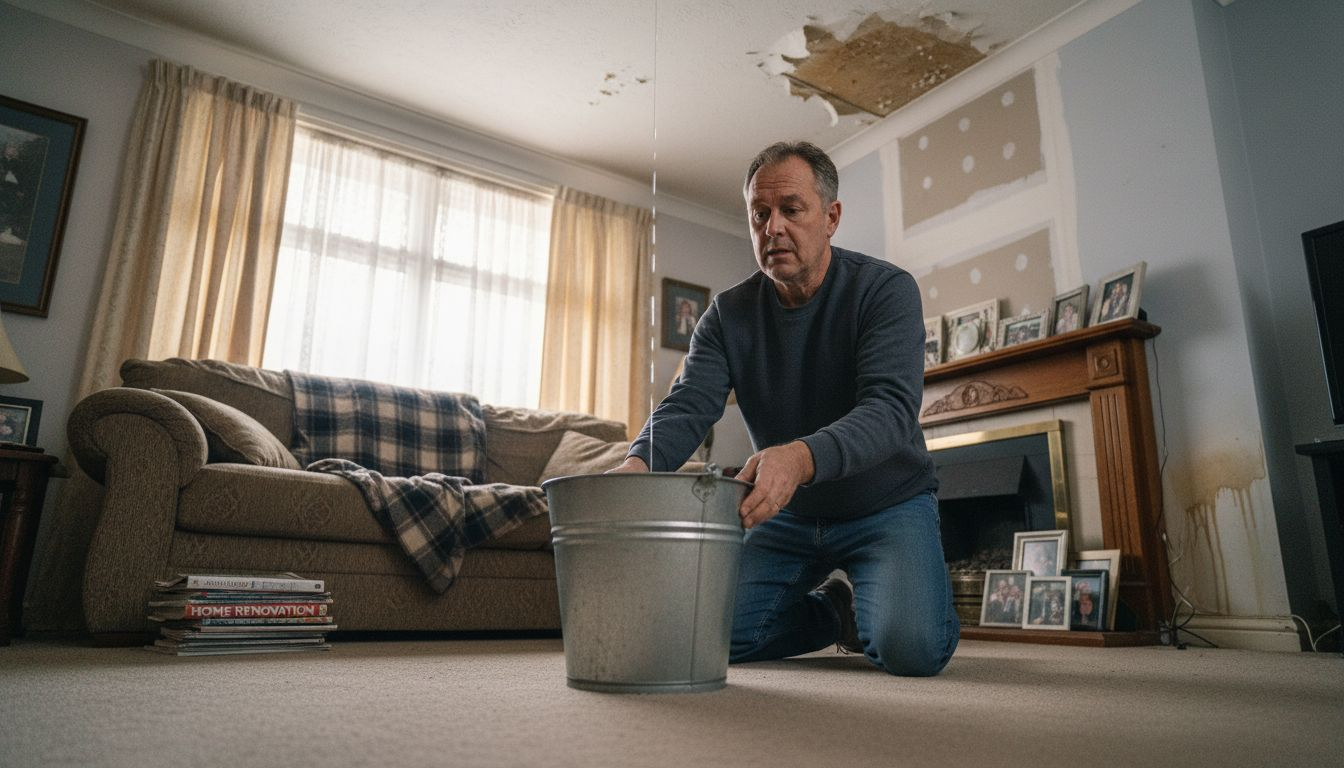
Identifying a leak early requires keen observation. Water stains on ceilings, damp spots near walls, or visible moisture trails are clear warning signs. Small leaks might seem insignificant but can rapidly escalate into major structural problems if left unaddressed.
For minor leaks, homeowners can apply temporary sealants to prevent immediate water intrusion. However, comprehensive repairs often demand professional expertise. The University of Wisconsin Extension recommends using tarps as emergency coverage and seeking professional assistance for structural issues.
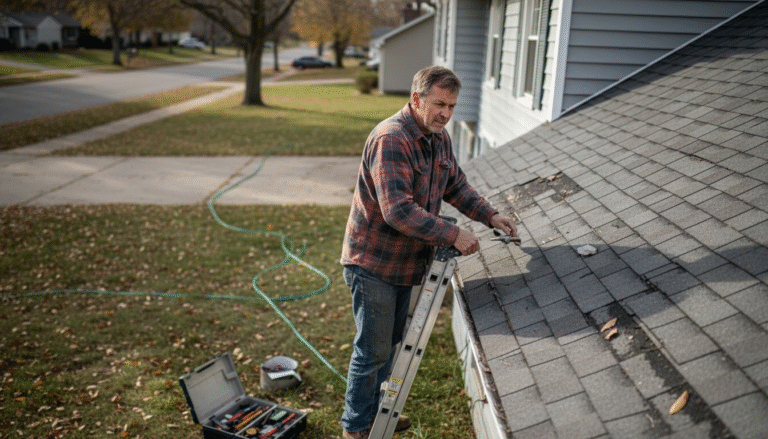
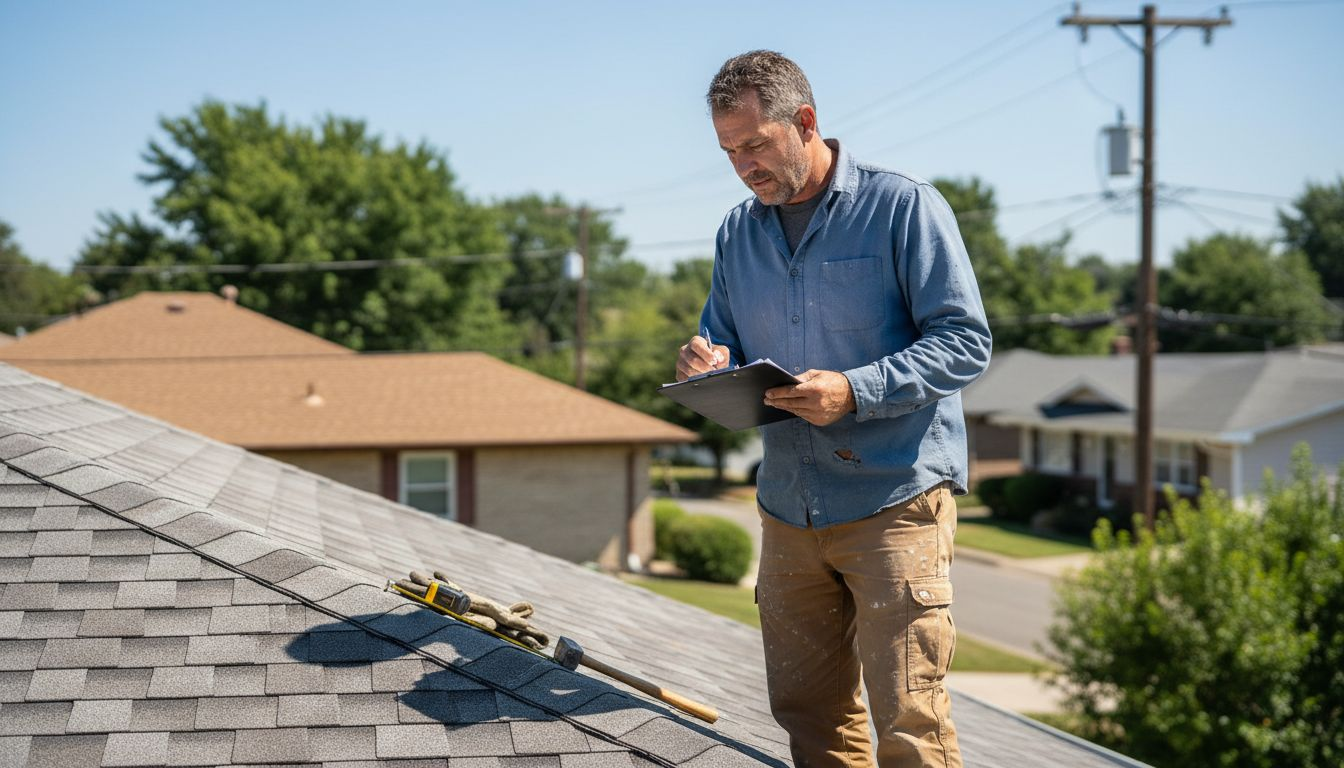
Pro tip: Conduct a visual roof inspection twice yearly, preferably in spring and fall, to catch potential leak sources before they become expensive problems. Look for cracked or missing shingles, damaged flashing around chimneys and vents, and clear any debris from gutters to ensure proper water drainage.
2. Missing or Damaged Shingles: What to Watch For
Your roof’s shingles are its first line of defense against harsh weather conditions, acting as a critical shield protecting your home from water damage and external elements. When these protective barriers become compromised, your entire home’s structural integrity could be at risk.
The Housing Authority of Thurston County highlights that significant roofing defects occur when shingles expose the underlying substrate, creating potential pathways for water infiltration. While minor wear might seem inconsequential, extensive damage demands immediate attention.
Recognizing shingle damage requires a careful visual inspection. Look for these warning signs:
• Cracked or broken shingles
• Curling edges
• Granule loss
• Visible gaps or missing pieces
• Discoloration or dark spots
SV Homeowners Information recommends thoroughly examining your roof for these vulnerabilities, as they can indicate potential structural risks and water intrusion points. Pay special attention to areas around chimneys, vents, and valleys where shingles experience more stress.
Pro tip: Conduct a biannual roof inspection from ground level using binoculars, or safely use a ladder to get a closer view. If you notice multiple damaged shingles or feel uncertain about their condition, contact a professional roofing contractor for a comprehensive assessment.
3. Poor Roof Ventilation and Its Impact
Beneath the surface of your home, a silent battle rages between temperature, moisture, and air circulation that can dramatically impact your living space. Poor roof ventilation might seem like an invisible problem, but its consequences can be both costly and damaging.
The Utah Energy Efficiency Program warns that inadequate roof ventilation leads to significant energy loss and increased utility expenses. Without proper air movement, your attic becomes a breeding ground for temperature extremes that can compromise your home’s overall efficiency.
Key signs of poor roof ventilation include:
• Excessive heat buildup in summer
• Ice dam formation in winter
• Increased indoor humidity
• Rapid shingle degradation
• Unexpected energy bill spikes
Connect to Support Lincolnshire emphasizes that inadequate ventilation creates ideal conditions for dampness and mold growth. These issues not only threaten your home’s structural integrity but can also pose serious health risks to your family.
Effective roof ventilation requires a balanced system of intake and exhaust vents. This allows hot air to escape during summer and prevents moisture accumulation during colder months. Ridge vents, soffit vents, and gable vents work together to create natural air circulation that protects your roof and improves home comfort.
Pro tip: Schedule a professional roof ventilation assessment annually. Trained experts can identify potential airflow issues and recommend specific improvements tailored to your home’s unique architectural design.
4. Clogged Gutters Leading to Roof Damage
Your home’s gutters are more than just decorative edging they are a critical drainage system that protects your roof and foundation from water damage. When these essential channels become blocked, the consequences can be far more serious than most homeowners realize.
Florida PACE highlights that clogged gutters create dangerous water backup scenarios that can rapidly compromise your roof’s structural integrity. Water unable to flow freely will seek alternative paths, often seeping under shingles and penetrating your home’s protective barriers.
Warning signs of gutter problems include:
• Water overflowing gutter edges
• Sagging or pulling away from roofline
• Visible plant growth in gutters
• Water stains on exterior walls
• Pooling water near foundation
Roofing Expert in Rochester warns that blocked gutters prevent proper water drainage, creating potential leak points along roof edges and soffits. These blockages force water to accumulate and potentially penetrate your home’s most vulnerable areas.
Regular gutter maintenance involves removing leaves, twigs, and debris at least twice yearly. Consider installing gutter guards to reduce buildup and minimize the frequency of manual cleaning.
Pro tip: Schedule your gutter cleaning during late fall after leaves have dropped and early spring before heavy rain seasons to ensure maximum protection and minimal water damage risk.
5. Sagging Roofs: Warning Signs and Action Steps
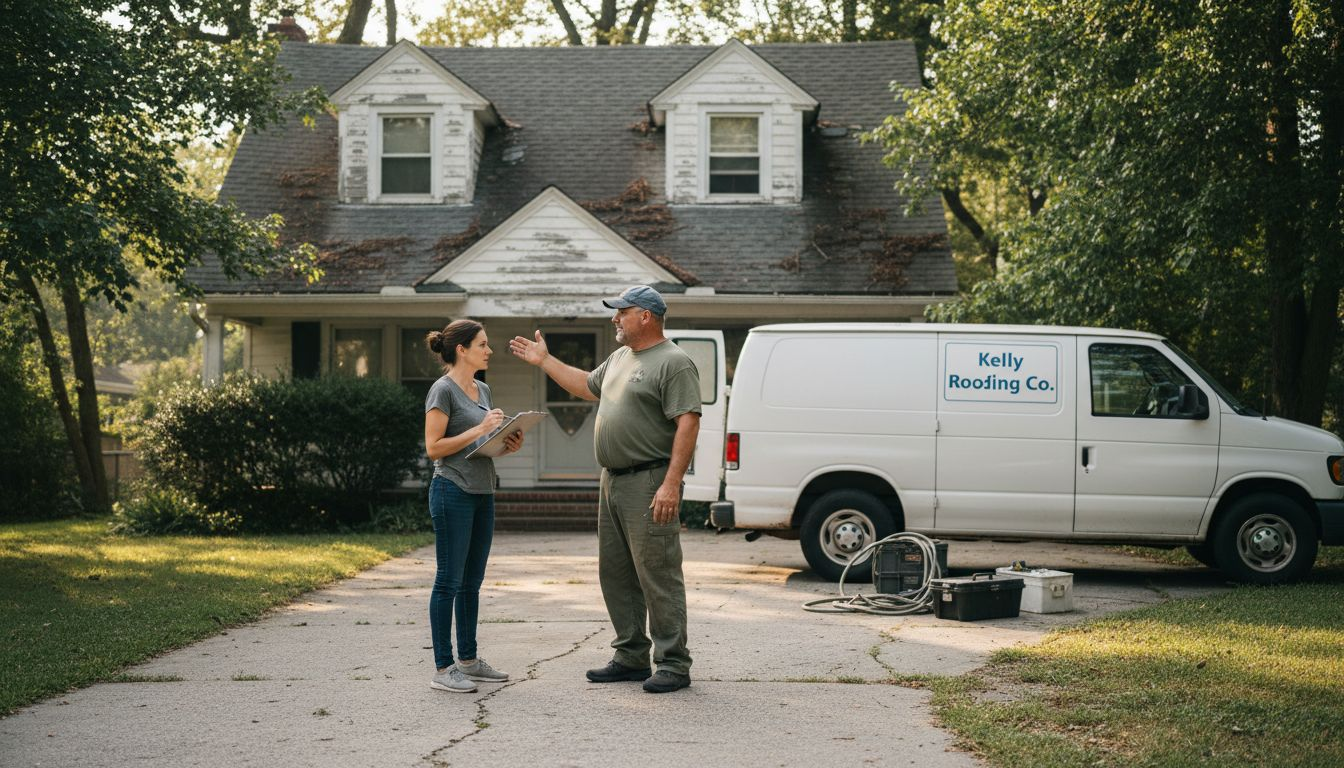
A sagging roof is more than an aesthetic concern it is a serious structural warning that demands immediate attention. Like a patient showing symptoms of a critical condition, your roof communicates potential underlying problems through its distorted shape.
Engineering Civil warns that sagging roofs frequently indicate significant structural damage requiring professional assessment and prompt intervention.
Critical warning signs of roof sagging include:
• Visible dips or uneven surfaces
• Bowing or bending roof lines
• Cracking interior ceiling
• Water stains near roof edges
• Increasing interior ceiling separation
Roof sagging can result from multiple factors such as:
• Excessive weight from snow or debris
• Compromised structural support
• Water damage
• Aging roofing materials
• Inadequate initial construction
Structural integrity matters. A sagging roof compromises your home’s protective barrier and can lead to catastrophic damage if left unaddressed. The weight distribution becomes uneven, creating potential collapse risks and water infiltration points.
Pro tip: If you notice any signs of roof sagging, schedule a professional roof inspection immediately. Early detection can prevent costly structural repairs and potential safety hazards.
6. Flashing Failures Around Chimneys and Vents
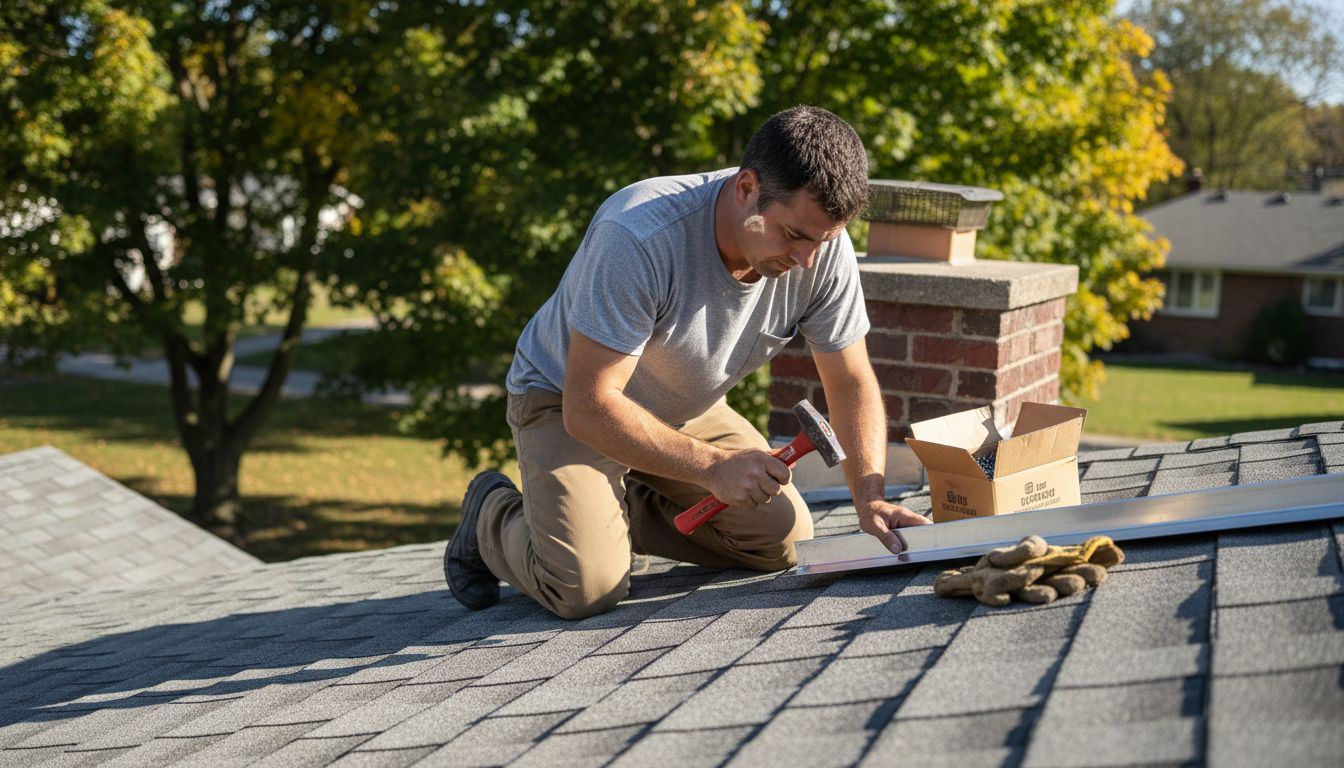
Flashing might sound like a technical term, but it is the unsung hero protecting your roof from water infiltration. These thin metal strips seal the critical junctions where your roof meets chimneys, vents, and other protrusions that could become potential leak points.
The Tech Edvocate explains that damaged flashing around chimneys and vents creates direct pathways for water intrusion, potentially compromising your home’s structural integrity.
Warning signs of flashing problems include:
• Visible rust or corrosion
• Separation from roof surface
• Cracked or brittle sealant
• Water stains near roof joints
• Visible gaps around edges
Roofing Expert in Rochester highlights that flashing failures are among the most common causes of roof leaks. These vulnerable points require consistent monitoring and maintenance to prevent water from seeping into your home.
Flashing damage can occur from natural weathering, improper installation, or extreme temperature fluctuations. Regular inspections help catch minor issues before they transform into expensive repair projects.
Pro tip: During your annual roof inspection, pay special attention to flashing around chimneys, skylights, and roof vents. Look for any signs of separation or wear and address them promptly to prevent water damage.
7. Mold, Moss, and Algae Growth on Roof Surfaces
Your roof might look harmless, but hidden microcosms of moss, mold, and algae can silently wage a destructive war against your home’s protective barrier. These seemingly innocent organisms are more than just an aesthetic nuisance they are potential harbingers of significant structural damage.
Florida PACE warns that moss growth can lead to hidden structural damage in shingles, compromising the roof’s fundamental protective capabilities. These uninvited green guests create moisture traps that gradually erode roofing materials.
Key signs of biological growth include:
• Dark green or black patches
• Fuzzy or slimy surface textures
• Visible spreading organisms
• Uneven roof surface
• Increased moisture retention
Engineering Civil explains that moss and algae growth can accelerate roofing material deterioration. These organisms retain moisture, creating an environment that gradually breaks down protective granules and weakens shingle integrity.
Prevention involves managing moisture, ensuring proper roof ventilation, and trimming overhanging branches that create shaded environments conducive to growth. Regular cleaning and treatments can help mitigate biological invasion.
Pro tip: Install zinc or copper strips near roof peaks to create an environment hostile to moss and algae growth. These metal strips release particles that prevent biological organism colonization when rain washes over them.
The table below provides a comprehensive summary of key topics discussed in the article regarding common roofing issues, their causes, warning signs, and recommendations for addressing them.
| Topic | Description | Recommendations |
|---|---|---|
| Leaky Roofs | Caused by damaged shingles, improper flashing, clogged gutters, leading to water damage. | Use temporary sealants, conduct regular inspections, seek professional repairs. |
| Missing or Damaged Shingles | Protects home; damage can lead to water infiltration. Signs: cracks, curling, granule loss. | Inspect visually, use binoculars, consult professionals for extensive damage. |
| Poor Roof Ventilation | Leads to energy loss, moisture issues, and shingle degradation. | Ensure balance of intake and exhaust vents, schedule professional assessments. |
| Clogged Gutters | Blocks drainage, causes water overflow and structural damage. | Clean gutters biannually, install gutter guards, clear debris. |
| Sagging Roofs | Indicates structural damage; risk of collapse. | Schedule professional inspections immediately upon signs of sagging. |
| Flashing Failures | Water intrusion around chimneys and vents, leading to leaks. | Monitor flashing regularly, address damage promptly. |
| Mold, Moss, and Algae | Causes moisture retention, erodes roofing materials. | Install zinc or copper strips, improve ventilation, manage moisture. |
Protect Your Home From Common Roofing Problems Today
Leaky roofs, missing shingles, poor ventilation, and sagging issues all threaten the safety and comfort of your home. These problems can lead to costly water damage, compromised structural integrity, and rising energy bills. Understanding the risks of flashing failures, clogged gutters, and biological growth like moss and mold puts you one step closer to preserving your investment and peace of mind.
If you recognize any of these warning signs, do not wait for small issues to become expensive repairs. Our team at J. A. Kelly Contracting Services specializes in expert roofing solutions tailored to Moncton residents. From detailed inspections to high-quality repairs and preventative maintenance, we ensure your roof stands strong against all elements.

Explore our comprehensive Roofing Archives to learn more about how we tackle every roofing challenge with care and craftsmanship. Ready for a safer, more comfortable home? Contact us now for a free estimate through our Home Renovation Archives or visit our main site at https://jakellycontractingservices.ca to book your professional roof inspection. Don’t let roofing problems wait until it’s too late—secure your home today.
Frequently Asked Questions
What are the main causes of leaky roofs?
Leaky roofs are primarily caused by damaged shingles, improperly installed flashing, and clogged gutters. To address leaks quickly, inspect these areas regularly and make any necessary repairs as soon as you notice problems.
How can I identify if my roof has missing or damaged shingles?
Look for cracked, curling, or granule loss on shingles, and check for gaps or discoloration. Conduct a visual inspection at least twice a year to catch potential issues early and consider hiring a professional for a full evaluation.
What are the signs of poor roof ventilation, and how can I fix it?
Signs of poor roof ventilation include extreme heat in the attic, ice dams in winter, and higher energy bills. Ensure balanced airflow by checking intake and exhaust vents, and schedule an annual assessment to identify any necessary adjustments or repairs.
How often should I clean my gutters to prevent roof damage?
You should clean your gutters at least twice a year, typically in late fall and early spring, to prevent blockages. Regular cleaning helps ensure proper water drainage and minimizes the risk of leaks and water damage to your roof.
What are the warning signs of a sagging roof?
A sagging roof will show visible dips or uneven surfaces, water stains near the edges, or cracking in the interior ceiling. If you notice any of these symptoms, contact a professional immediately to assess the situation and avoid further structural damage.
How can I prevent mold, moss, and algae growth on my roof?
To prevent biological growth on your roof, manage moisture levels, ensure proper ventilation, and trim any overhanging branches. Additionally, consider installing zinc or copper strips near the peak of your roof to inhibit moss and algae growth over time.
Recommended
- 7 Essential Roofing Maintenance Tips Every Homeowner Should Know – J. A. Kelly Contracting Services
- Roof Repair Guide: Step-by-Step Fixes for Homeowners – J. A. Kelly Contracting Services
- How to Repair Roof Leaks: Step-by-Step for Homeowners – J. A. Kelly Contracting Services
- Timely Roof Repairs: Complete Guide for Homeowners – J. A. Kelly Contracting Services