






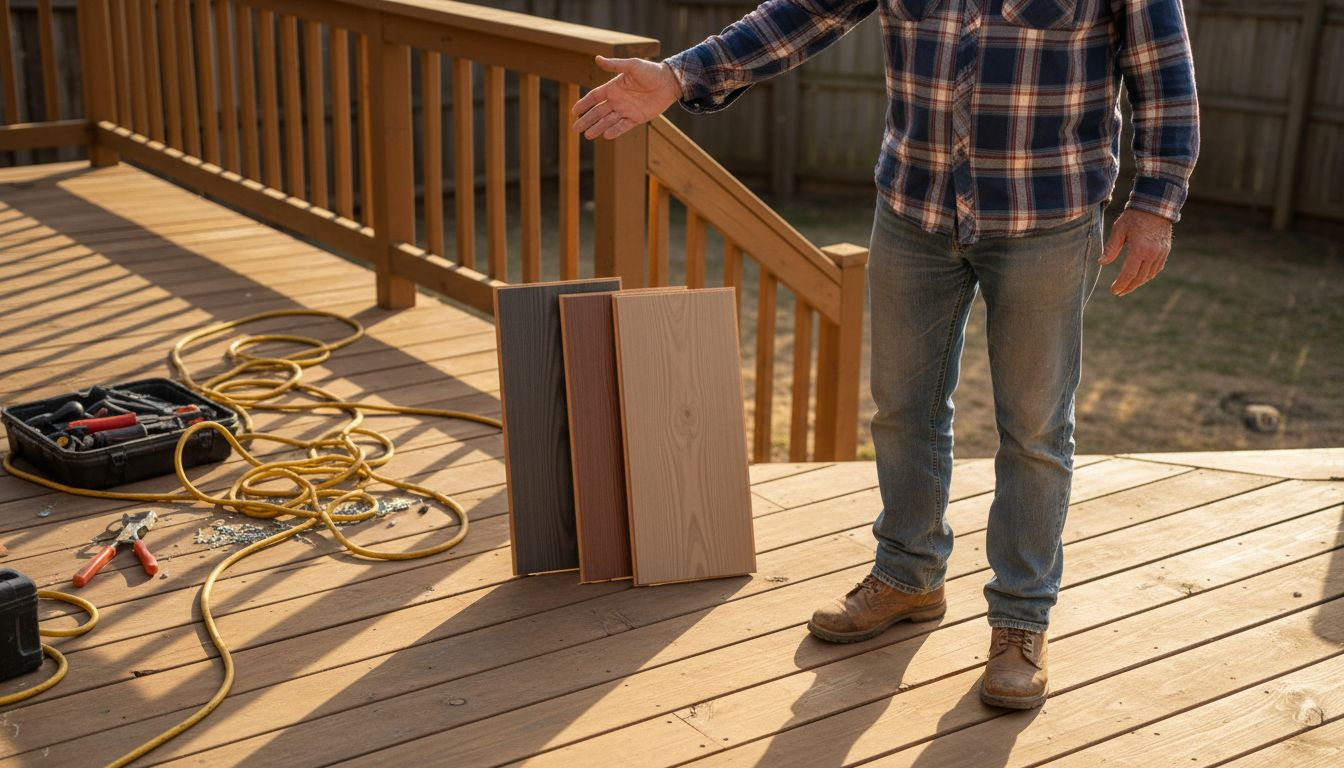


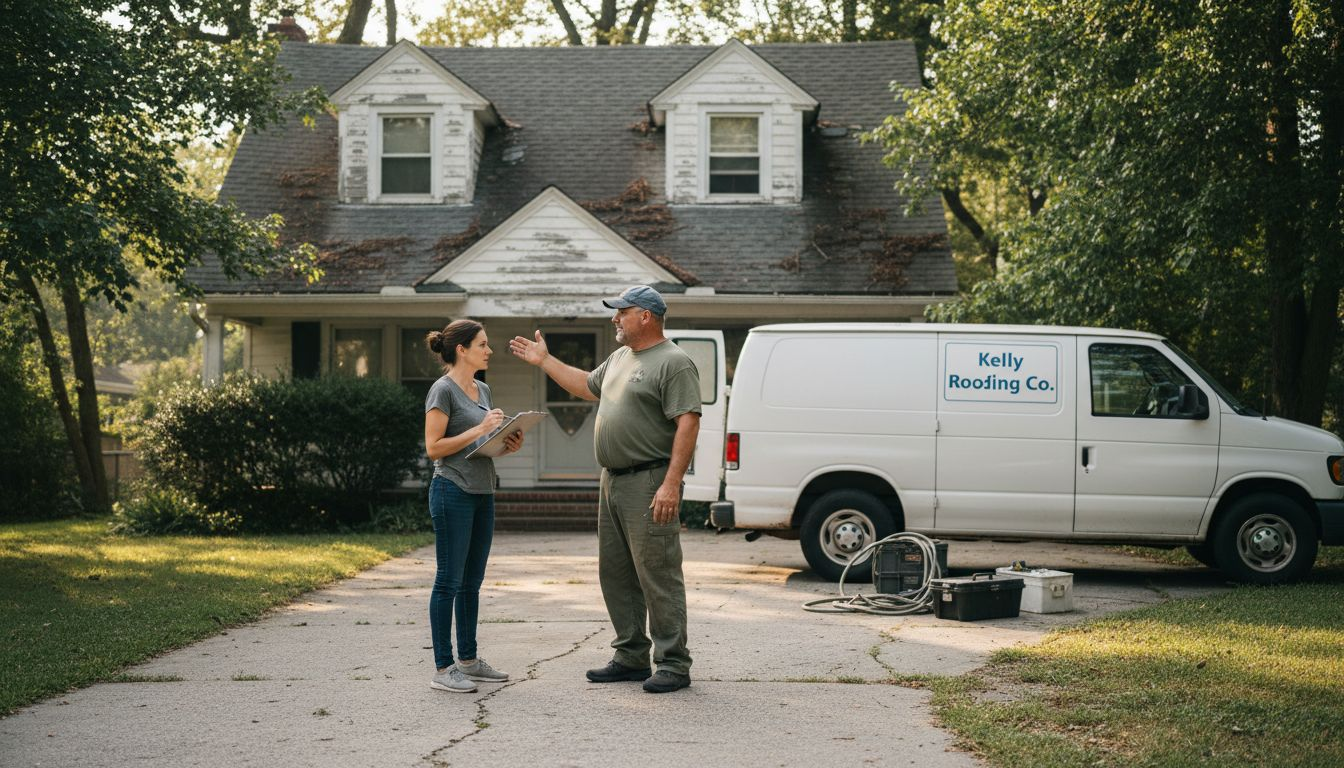
Planning a major home renovation in Moncton often starts with big ideas but can quickly lead to confusion when it comes to budgeting. Every homeowner wants their project to stay on track and avoid unexpected costs that could derail their plans. By focusing on defining your renovation scope and priorities, you set the foundation for clear decisions, smarter budgeting, and a smoother renovation process from start to finish.
Table of Contents
- Step 1: Define Your Renovation Scope and Priorities
- Step 2: Research Material and Labor Prices Locally
- Step 3: Calculate Detailed Project Expenses
- Step 4: Factor in Contingency and Hidden Costs
- Step 5: Verify Total Costs with Professional Estimates
Quick Summary
| Key Point | Explanation |
|---|---|
| 1. Define renovation goals clearly | Assess your space to prioritize necessary and desired renovations to control costs and focus efforts. |
| 2. Research local prices extensively | Gather labor and material costs from multiple sources to ensure an accurate budget based on current market rates. |
| 3. Calculate all potential expenses | Itemize each cost associated with the renovation, covering materials, labor, and additional fees to avoid overspending. |
| 4. Include contingency funds | Set aside 10-20% of your total budget for hidden costs, ensuring flexibility for unexpected issues during the project. |
| 5. Obtain professional estimates | Request detailed quotes from at least three contractors to validate your budget and ensure all potential expenses are covered. |
Step 1: Define Your Renovation Scope and Priorities
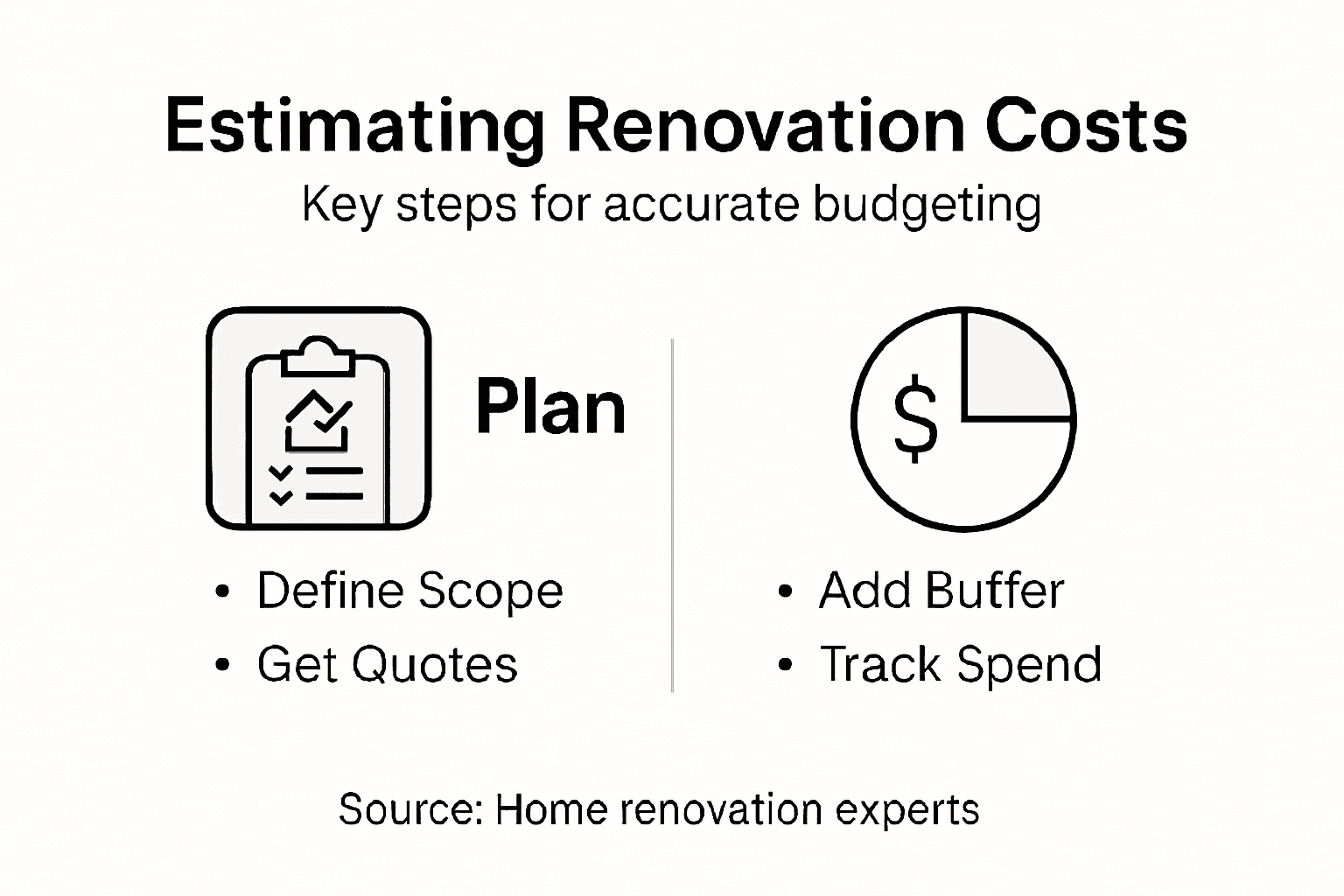
Defining your renovation scope is the critical first step in creating an accurate budget and ensuring your project meets your home improvement goals. By carefully outlining exactly what you want to accomplish, you’ll prevent costly surprises and unnecessary expenses down the line.
Start by conducting a comprehensive assessment of your current space and identifying the specific areas that need transformation. This means walking through each room and making detailed notes about what requires renovation. Your evaluation should focus on both functional needs and aesthetic desires. Consider detailed project components that will impact your overall budget and timeline.
To effectively define your renovation priorities, break down your project into clear categories:
- Structural repairs and essential upgrades
- Aesthetic improvements
- Energy efficiency enhancements
- Functional space redesigns
Rank these categories by importance, which will help you allocate your budget strategically. Some renovations might be urgent necessities, while others could be considered optional or future improvements. This prioritization ensures you address critical needs first and can adjust discretionary aspects if budget constraints arise.
Here’s how different types of renovation priorities impact overall project outcomes:
| Priority Type | Project Impact | Typical Budget Allocation |
|---|---|---|
| Structural repairs | Improves safety, longevity | Highest due to necessity |
| Aesthetic enhancements | Boosts home value, appeal | Moderate, depends on goals |
| Energy efficiency improvements | Reduces long-term costs | Varies, eligible for rebates |
| Functional space redesigns | Increases usability | Moderate to high, custom options |
Successful renovation planning requires a clear vision and strategic approach to both your desires and financial limitations.
Pro tip: Create a detailed spreadsheet that tracks each renovation component, estimated costs, and priority level to maintain clarity and prevent budget overruns.
Step 2: Research Material and Labor Prices Locally
Researching local material and labor prices is essential for developing an accurate renovation budget that reflects current market conditions. This step involves gathering comprehensive pricing information to ensure your financial projections are realistic and well-informed.

Start by collecting data on labor costs and material prices from multiple sources. Regional labor cost statistics provide valuable insights into current market rates for different types of renovation work. Make contact with local contractors, home improvement stores, and building supply centers to get current pricing. Create a detailed spreadsheet to track and compare prices from various suppliers and contractors.
Key research areas for pricing include:
- Hourly labor rates for different trades
- Current material costs for key renovation components
- Regional price variations for construction supplies
- Seasonal pricing fluctuations
- Bulk purchase discounts
Pay special attention to local market conditions that might impact pricing. Construction costs can vary significantly between urban and rural areas, and seasonal demand can influence both material and labor prices. Consider reaching out to multiple contractors to get detailed quotes that break down both material and labor expenses.
Accurate price research is the foundation of a reliable renovation budget that prevents unexpected financial surprises.
Pro tip: Request itemized quotes from at least three different contractors to establish a comprehensive understanding of local market pricing and identify potential cost-saving opportunities.
Step 3: Calculate Detailed Project Expenses
Calculating detailed project expenses is the most critical step in developing an accurate renovation budget. This process requires meticulous attention to detail and a systematic approach to breaking down every potential cost associated with your renovation project.
Begin by creating a comprehensive spreadsheet that itemizes construction project costs with precision. Your expense calculation should include multiple categories to ensure no potential cost is overlooked:
- Material Costs
- Labor Expenses
- Equipment Rentals
- Permit and Inspection Fees
- Disposal and Cleanup Costs
- Contingency Reserves
Break down each category into specific line items with exact pricing. For materials, get detailed quotes from multiple suppliers and include both current prices and potential price fluctuations. Labor costs should account for different trade rates, including carpenters, electricians, plumbers, and general contractors. Don’t forget to factor in potential overtime or specialized skill requirements that might increase labor expenses.
Comprehensive expense calculation is the foundation of a successful renovation project, preventing financial surprises and budget overruns.
Pro tip: Add a 10-15% contingency buffer to your total estimated expenses to account for unexpected challenges or price variations during the renovation process.
Step 4: Factor in Contingency and Hidden Costs
Factoring in contingency and hidden costs is crucial for creating a realistic renovation budget that protects you from unexpected financial challenges. Many homeowners underestimate the potential for surprise expenses that can quickly derail their entire project.
Understanding contingency cost management is essential for maintaining financial control during your renovation. Hidden costs can emerge from various unexpected sources, including:
- Structural issues discovered during demolition
- Outdated electrical or plumbing systems
- Necessary code compliance upgrades
- Unexpected material price increases
- Potential permit or inspection fees
- Temporary housing or storage expenses
Most renovation experts recommend setting aside 10-20% of your total budget as a contingency reserve. This buffer allows flexibility for unforeseen circumstances without compromising your project’s overall financial stability. Be sure to document and track any contingency expenses carefully, ensuring transparency and accountability throughout the renovation process.
A quick summary of the most overlooked hidden costs in renovation budgeting:
| Hidden Cost | Consequence if Ignored | Prevention Strategy |
|---|---|---|
| Structural surprises | Project delays, extra expenses | Pre-renovation inspections |
| Permit fees | Fines or work stoppage | Verify with local authorities |
| Temporary housing | Increased living costs | Plan contingency funds |
| Material price spikes | Budget overruns | Include price escalation clause |
Proper contingency planning transforms potential financial surprises into manageable challenges.
Pro tip: Create a separate savings account specifically for your renovation contingency funds to mentally and financially isolate these resources from your main project budget.
Step 5: Verify Total Costs with Professional Estimates
Verifying total renovation costs through professional estimates is the final critical checkpoint in creating a reliable budget. This step transforms your preliminary calculations into a verified financial roadmap that provides confidence and clarity for your renovation project.
Start by developing reliable cost verification strategies that go beyond your initial research. Request detailed written estimates from at least three reputable local contractors, ensuring each estimate includes:
- Complete breakdown of material costs
- Detailed labor pricing
- Specific timeline for project completion
- Itemized list of potential additional expenses
- Warranty or guarantee information
- References from recent similar projects
Compare these professional estimates carefully, looking for significant variations that might indicate potential issues. Unusually low estimates could signal potential shortcuts or hidden fees, while extremely high quotes might include unnecessary expenses. Ask contractors to explain their pricing methodology and be prepared to request clarification on any unclear line items.
Professional estimates provide the most accurate snapshot of your potential renovation expenses, transforming educated guesses into concrete financial planning.
Pro tip: Request that contractors provide their estimates in a standardized format to make direct comparisons easier and more transparent.
Take Control of Your Renovation Budget with Expert Support
Estimating renovation costs can feel overwhelming when faced with unknown prices and unexpected expenses. This article highlights the importance of careful budgeting, prioritizing needs, and planning for contingencies to avoid budget overruns and financial stress. Many homeowners struggle with accurately calculating detailed project expenses and verifying costs through professional estimates making it difficult to feel confident about moving forward.
If you want to simplify this process and ensure your renovation stays on track financially connect with trusted professionals. At J. A. Kelly Contracting Services, we specialize in helping homeowners in Moncton, New Brunswick take the guesswork out of budget planning. Whether you need guidance on realistic cost estimates or a professional evaluation of your renovation priorities, our experienced team delivers clear answers backed by quality craftsmanship. Learn more about how we approach home remodeling on our Home Renovation Archives page.
Start your renovation journey with confidence. Contact us today for a free estimate and expert advice focused on accurate, detailed budgeting tailored to your needs. Don’t let unclear costs delay your dream project. Visit https://jakellycontractingservices.ca now and secure your path to a well-planned home transformation.
Frequently Asked Questions
How can I define the scope of my renovation project?
Defining the scope of your renovation involves assessing your current space and identifying specific areas that need improvement. Conduct a detailed walkthrough of each room, noting both functional and aesthetic needs to create a clear outline of your renovation priorities.
What should I include in my renovation budget?
Your renovation budget should include material costs, labor expenses, permit fees, and a contingency fund for unexpected costs. Itemize each category in a spreadsheet to ensure that every potential expense is accounted for, reducing the risk of budget overruns.
How do I research local material and labor prices?
Research local material and labor prices by gathering quotes from contractors, suppliers, and home improvement stores in your area. Create a comparative spreadsheet to track and evaluate these costs, ensuring your budget reflects current market conditions.
What are common hidden costs in renovation projects?
Common hidden costs in renovation projects can include structural surprises, permit fees, and increased material prices. To avoid these surprises, set aside 10-20% of your total budget as a contingency fund and conduct pre-renovation inspections.
How can I verify my total renovation costs?
Verify your total renovation costs by obtaining detailed written estimates from at least three reputable contractors. Each estimate should include a breakdown of materials, labor, potential additional expenses, and a timeline for project completion to provide a comprehensive overview of your financial commitment.
What is a good contingency reserve percentage for renovations?
A good contingency reserve percentage for renovations is typically 10-20% of your total budget. Setting aside this amount allows for flexibility in addressing unexpected challenges or expenses that may arise during the project.
Recommended
- Renovation Estimate Explained: Budgeting Your Project – J. A. Kelly Contracting Services
- How to Budget Renovations for Maximum Value at Home – J. A. Kelly Contracting Services
- How to Plan Home Renovation: Step-by-Step Guide for Homeowners – J. A. Kelly Contracting Services
- Renovation Planning: Avoiding Costly Home Mistakes – J. A. Kelly Contracting Services
- architecture feasibility study software | 3D Cityplanner