






Every homeowner in Moncton knows that water damage can turn a dream home into a headache fast. Protecting your investment starts with understanding how roof flashing keeps moisture out at vulnerable roof intersections. By learning about different flashing types and how professional installation truly makes a difference, you gain the confidence to prevent costly leaks and safeguard your home’s structure. Discover why roof flashing is your first line of defense against water intrusion and mold.
Table of Contents
- Roof Flashing Explained: Core Purpose and Myths
- Common Types of Roof Flashing and Uses
- Materials and How Roof Flashing Works
- Roof Flashing Installation and Cost Factors
- Risks of Poor Flashing and Maintenance Tips
Key Takeaways
| Point | Details |
|---|---|
| Importance of Roof Flashing | Roof flashing is essential for preventing water infiltration and protecting your home from moisture damage. Proper installation is crucial for its effectiveness. |
| Types of Flashing | Various types of flashing exist, including step flashing and counter-flashing, which serve different architectural needs and environmental challenges. |
| Material Selection | The effectiveness of roof flashing is influenced by material choice; options include aluminum, copper, and galvanized steel, each with distinct advantages. |
| Maintenance is Key | Regular inspections and maintenance of roof flashing can prevent costly water damage and extend the lifespan of your roofing system. |
Roof Flashing Explained: Core Purpose and Myths
Roof flashing is a critical yet often overlooked component of residential roofing systems designed to prevent water infiltration at vulnerable points of intersection. These thin, weatherproof materials play a crucial role in protecting your home from potential moisture damage and structural deterioration.
At its core, roof flashing functions as a protective barrier, strategically installed to direct water away from critical building junctions). When properly implemented, flashing prevents water from seeping into areas where different roofing surfaces or structural elements meet, such as:
- Chimney and roof intersections
- Vent pipe penetrations
- Dormer windows
- Skylights
- Roof-to-wall connections
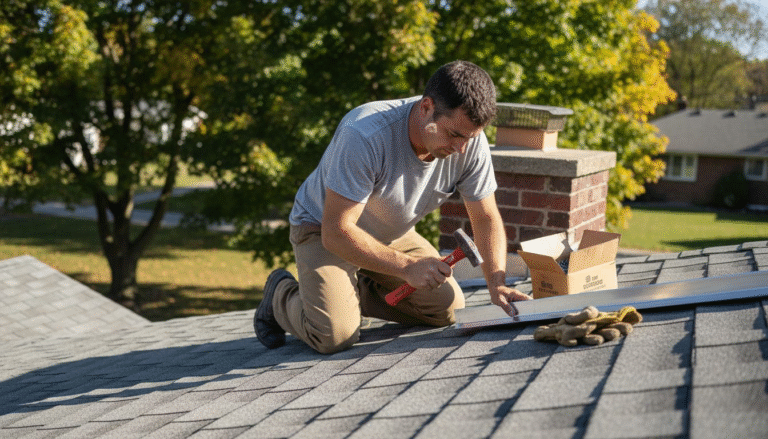
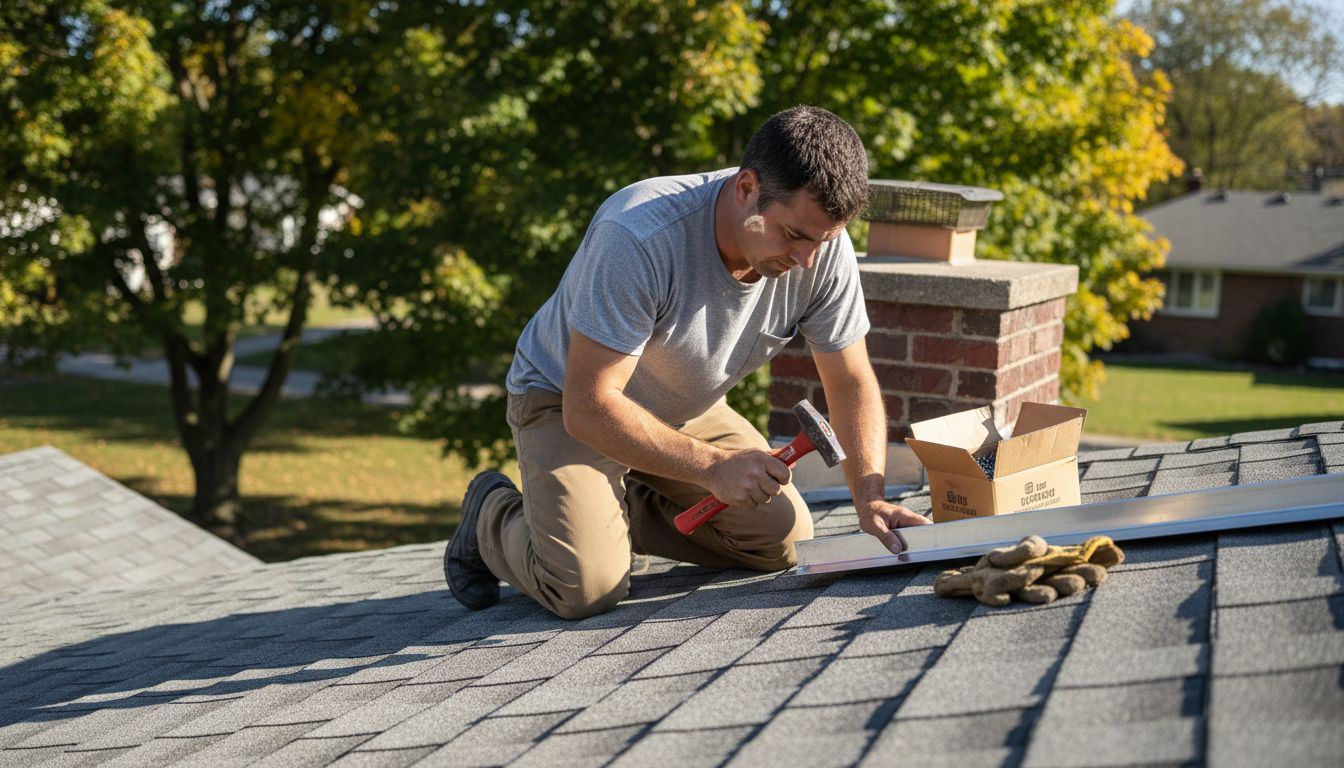
Contrary to common misconceptions, roof flashing isn’t a one-size-fits-all solution. Different types of flashing exist, each designed for specific architectural configurations and environmental challenges. Step flashing, for instance, is typically used where a sloped roof meets a vertical wall, creating a water-resistant barrier that guides moisture downward and away from potential entry points.
How roof flashing works involves a carefully engineered process of redirecting water. By creating slight overlaps and using gravity’s natural downward flow, flashing materials ensure that water is channeled away from vulnerable seams and joints. Professional roofers typically use materials like galvanized steel, aluminum, or copper, selected based on durability, local climate conditions, and specific roof requirements.
Common myths about roof flashing can lead homeowners to underestimate its importance. Some believe that caulk or sealants can replace proper flashing – a dangerous misconception that can result in significant water damage. Quality flashing requires precise installation by skilled professionals who understand how different materials interact and respond to environmental stresses.
Pro tip: Have a professional inspect your roof’s flashing every 3-5 years, as even minor damage or misalignment can compromise your entire roofing system’s water resistance.
Common Types of Roof Flashing and Uses
Roof flashing comes in several specialized types, each designed to address unique architectural challenges and protect different vulnerable areas of your home’s roofing system. Understanding these variations is crucial for homeowners seeking comprehensive water protection.
The most common types of roof flashing include step flashing, counter-flashing, and base flashing, each serving a specific protective function:
- Step Flashing: Used where a sloped roof meets a vertical wall
- Counter-Flashing: Covers and protects the upper edge of base flashing
- Base Flashing: Provides primary water barrier at roof-wall intersections
- Headwall Flashing: Installed at horizontal junctions between roof and wall
- Sidewall Flashing: Critical for preventing water infiltration along wall edges
Step flashing represents a particularly ingenious design, consisting of multiple small metal pieces carefully interwoven with roofing shingles. This method creates a sophisticated water-shedding mechanism that prevents moisture from penetrating critical roof-wall connection points. Professional roofers meticulously install these pieces to ensure maximum water resistance.
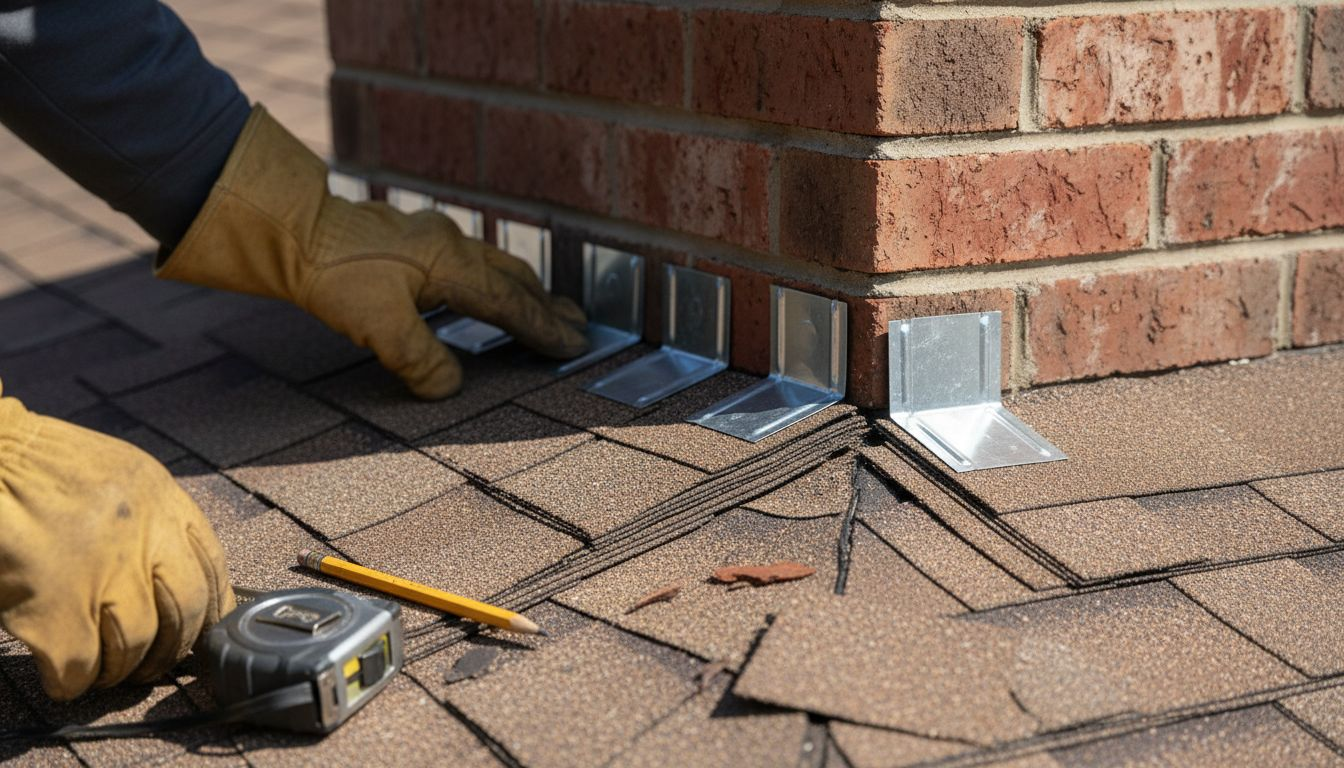
Material selection plays a crucial role in flashing effectiveness. Professional contractors typically use materials like galvanized steel, aluminum, and copper, selecting based on durability, local climate conditions, and specific architectural requirements. Each material offers unique benefits: aluminum resists corrosion, copper provides exceptional longevity, and galvanized steel offers robust protection at a more affordable price point.
Here’s a quick comparison of common roof flashing materials and their unique benefits:
| Material | Strengths | Ideal Usage |
|---|---|---|
| Aluminum | Lightweight, corrosion-resistant | Milder climates, easy shaping |
| Copper | Long-lasting, malleable | Premium projects, historic homes |
| Galvanized Steel | Durable, cost-effective | Most residential roofs |
| Stainless Steel | High strength, resists corrosion | Harsh climates, coastal areas |
| Zinc Alloy | Excellent environmental resistance | Eco-conscious builds, unique designs |
Homeowners should understand that improper flashing installation can lead to significant water damage. Continuous flashing, while seemingly convenient, often fails to provide adequate protection compared to the more reliable step flashing technique. Proper installation requires precise overlapping and careful integration with existing roofing materials.
Pro tip: When replacing or installing roof flashing, always ensure multiple layers of protection and seek professional installation to guarantee maximum water resistance.
Materials and How Roof Flashing Works
Roof flashing is a sophisticated system of protective materials designed to redirect water and prevent moisture penetration in critical areas of your home’s roofing structure. Understanding the materials and mechanics behind flashing is crucial for homeowners seeking long-term protection against water damage.
Metal flashing components work together to create an intricate water-diversion system, utilizing various materials with unique properties:
- Aluminum: Lightweight and corrosion-resistant
- Copper: Exceptionally durable and malleable
- Stainless Steel: Provides robust strength and longevity
- Zinc Alloy: Offers excellent environmental resistance
The fundamental mechanics of roof flashing rely on precise engineering principles. Flashing components like cleats, clips, and drip edges are strategically positioned to create a water-resistant barrier that guides moisture away from vulnerable roof penetrations. This systematic approach ensures that water is constantly redirected, preventing potential structural damage.
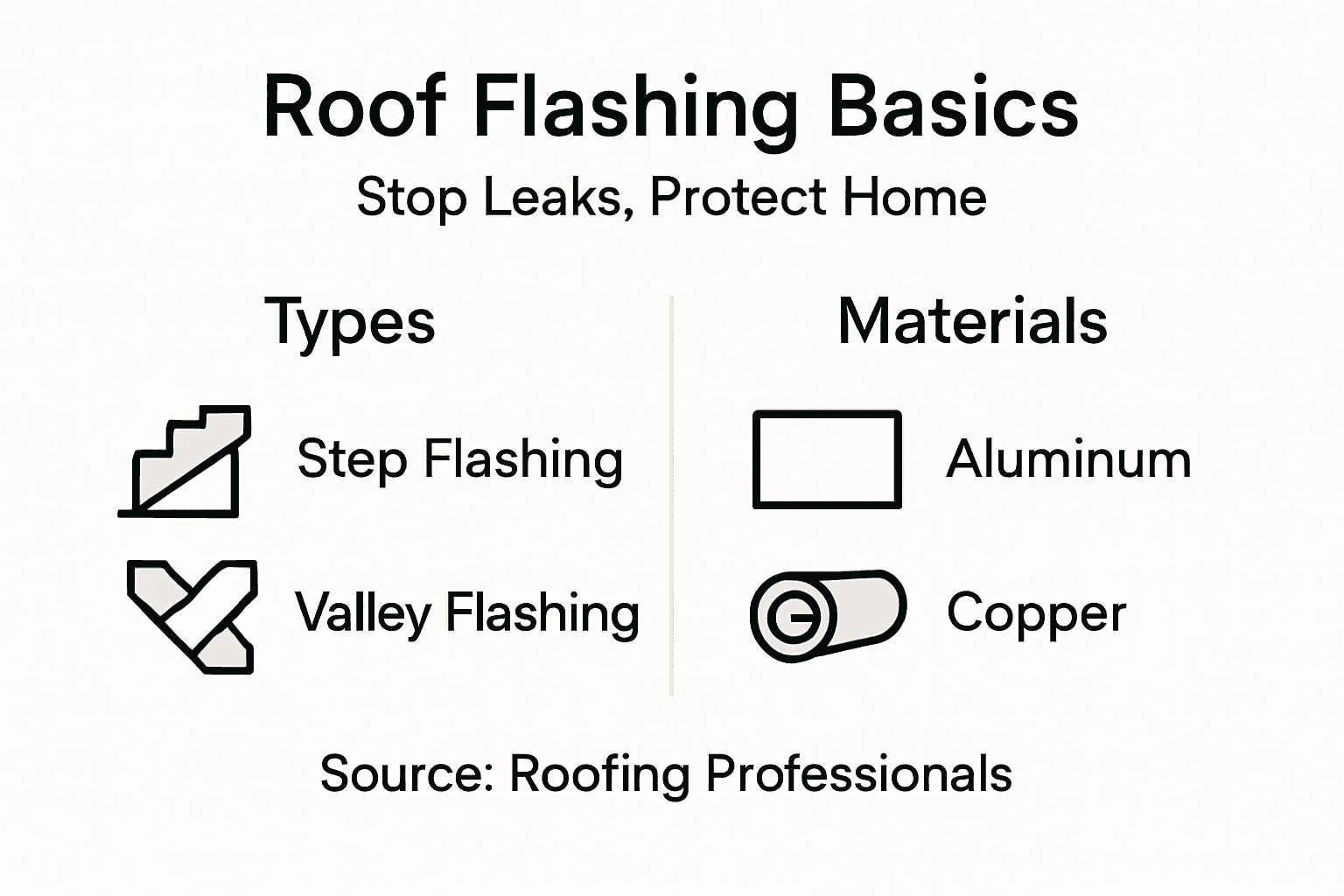
Copper flashing stands out as a particularly impressive material, offering remarkable benefits for homeowners. Its natural malleability allows it to accommodate building movements while providing superior resistance to harsh environmental conditions. Professional roofers appreciate copper’s ability to withstand mortar exposure and adapt to various architectural challenges, making it a premium choice for long-term roof protection.
Professional installation is critical to flashing effectiveness. Each component must be carefully positioned and sealed to create a continuous water-diversion system. Improper installation can compromise the entire roof’s water resistance, potentially leading to significant moisture-related damage that could cost thousands in repairs.
Pro tip: Always consult a professional roofing contractor to ensure your roof flashing is correctly installed and matched to your specific regional climate and architectural requirements.
Roof Flashing Installation and Cost Factors
Roof flashing installation requires precision, expertise, and careful consideration of multiple factors that impact both performance and overall project expenses. Understanding these critical elements helps homeowners make informed decisions about protecting their most significant investment.
Proper flashing installation techniques involve complex considerations beyond simple material placement. Key cost factors and installation challenges include:
- Roof Complexity: Steeper pitches and multiple intersections increase labor time
- Material Selection: Different metals vary significantly in price
- Accessibility: Difficult-to-reach areas require specialized equipment
- Local Labor Rates: Professional installation costs fluctuate by region
The installation process demands meticulous attention to detail. Professional roofers carefully integrate flashing pieces, ensuring each section overlaps correctly to create an effective water-shedding system. This approach prevents moisture penetration by guiding water away from vulnerable structural points, ultimately protecting the entire roofing structure.
Material costs can vary dramatically, with options ranging from economical aluminum to premium copper installations. Copper flashing, while more expensive, offers exceptional durability and can potentially reduce long-term maintenance expenses. Homeowners should consider not just initial installation costs, but the projected lifespan and potential repair savings associated with higher-quality materials.
Understanding installation nuances is crucial. Flashing must be strategically positioned to accommodate building movements, with careful consideration of expansion and contraction. Improper installation can lead to premature failure, potentially causing thousands of dollars in water damage repairs. Professional contractors ensure precise placement, avoiding common mistakes like nailing flashing directly to wall framing, which can compromise its effectiveness.
Pro tip: Request detailed quotes from multiple professional contractors, comparing not just total cost but also material quality, warranty coverage, and specific installation techniques.
Risks of Poor Flashing and Maintenance Tips
Roof flashing failure represents one of the most significant yet overlooked threats to a home’s structural integrity. When flashing deteriorates or is improperly installed, homeowners face potentially catastrophic consequences that can result in extensive and expensive damage.
Poorly maintained roof flashing can trigger a cascade of destructive problems, including:
- Water Intrusion: Persistent leaks damaging interior structures
- Mold Growth: Health hazards developing in hidden spaces
- Structural Corrosion: Metal and wood components gradually weakening
- Dry Rot: Timber framing becoming compromised
- Insulation Damage: Reducing home’s energy efficiency
High winds and extreme weather conditions can accelerate flashing deterioration, creating additional vulnerabilities. Professional inspections become crucial in identifying potential weak points before they escalate into major structural issues. Homeowners should pay particular attention to areas around chimneys, skylights, and roof projections where water infiltration risks are highest.
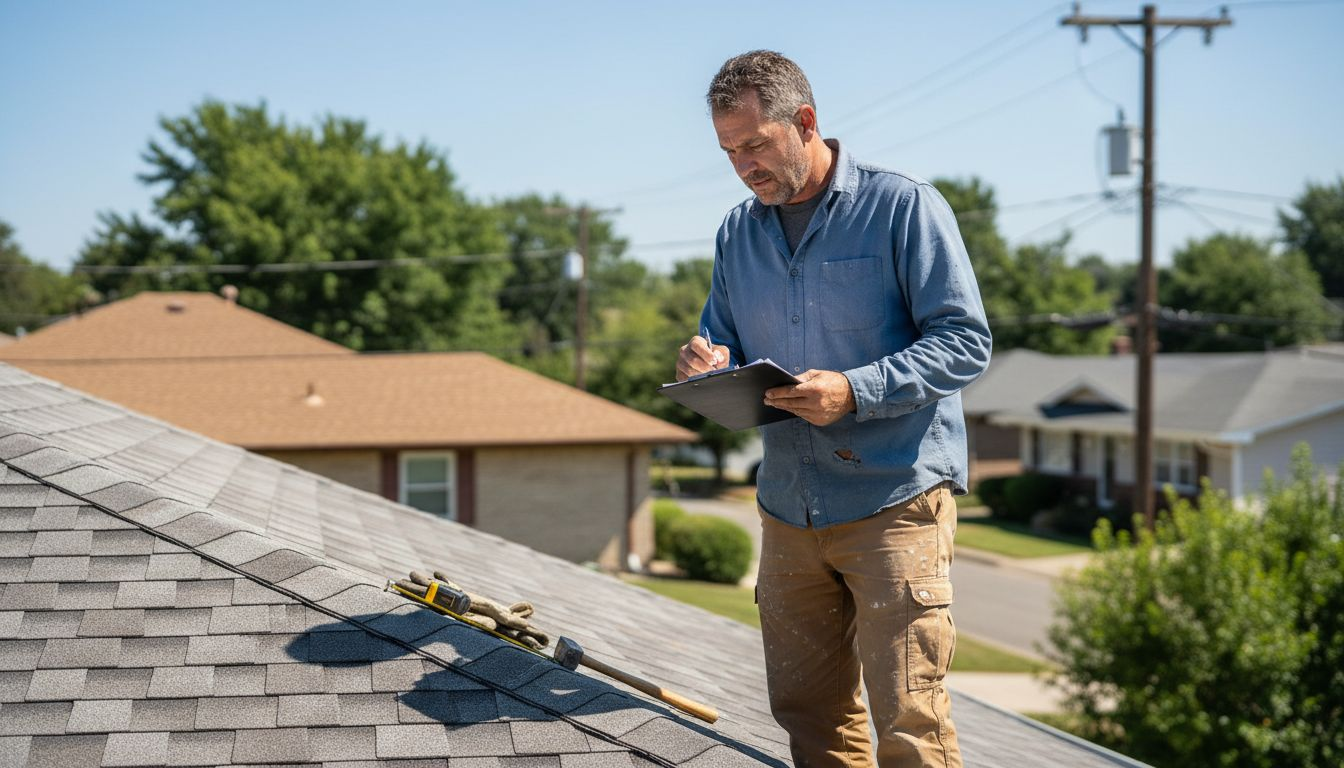
Maintenance strategies involve regular visual inspections and proactive repairs. Look for telltale signs of flashing damage such as rust spots, visible gaps, cracked sealants, or areas where flashing appears separated from surrounding materials. These early warning indicators can help prevent more significant water damage that might compromise your home’s structural integrity.
Understanding the potential risks underscores the importance of professional installation and periodic maintenance. Even minor flashing defects can lead to thousands of dollars in repairs if left unchecked. Professional roofers recommend comprehensive inspections at least twice annually, with additional checks following severe weather events.
To help prioritize home maintenance, here are key risks of poor flashing versus the benefits of proactive upkeep:
| Maintenance Level | Risks When Neglected | Benefits When Proactive |
|---|---|---|
| Flashing ignored | Leak damage, mold, rot | Protects structure, lowers repairs |
| Regular inspection | Minor issues spotted early | Prevents expensive emergencies |
| Timely repairs | Avoids major interior damage | Extends roof lifespan |
Pro tip: Schedule professional roof flashing inspections during spring and fall to catch potential issues before they become expensive repair projects.
Protect Your Home with Expert Roof Flashing Services
Roof flashing is essential for preventing costly water damage at vulnerable roof intersections. If you want to avoid leaks, mold growth, and structural issues caused by improper or damaged flashing you need professional installation and maintenance tailored to your home’s unique needs. Our experts understand the importance of correct materials like galvanized steel or copper plus precise installation techniques such as step flashing to ensure lasting protection.

Don’t leave your home exposed to the risks of poor roof flashing. Explore our Roofing Archives – J. A. Kelly Contracting Services to learn about how we deliver quality craftsmanship and reliable water defenses. Visit https://jakellycontractingservices.ca now for expert inspections and free estimates. Secure your home’s future by booking a flashing evaluation today.
Frequently Asked Questions
What is roof flashing?
Roof flashing is a thin, weatherproof material used in roofing systems to prevent water infiltration at vulnerable points where different surfaces meet, such as chimneys, vents, and skylights.
Why is roof flashing important?
Roof flashing is crucial for protecting your home from moisture damage and structural deterioration by directing water away from critical building junctions.
What are the common types of roof flashing?
Common types of roof flashing include step flashing, counter-flashing, base flashing, headwall flashing, and sidewall flashing, each designed for specific architectural challenges and areas of protection.
How often should roof flashing be inspected?
It is recommended to have roof flashing inspected every 3-5 years to ensure its integrity, as even minor damage can compromise the roofing system’s water resistance.
Recommended
- Roofing Terminology Explained: Speak Like a Roofer – J. A. Kelly Contracting Services
- 7 Common Roofing Problems Every Homeowner Should Know – J. A. Kelly Contracting Services
- What Is a Roofing Inspection and Why It Matters – J. A. Kelly Contracting Services
- Timely Roof Repairs: Complete Guide for Homeowners – J. A. Kelly Contracting Services