
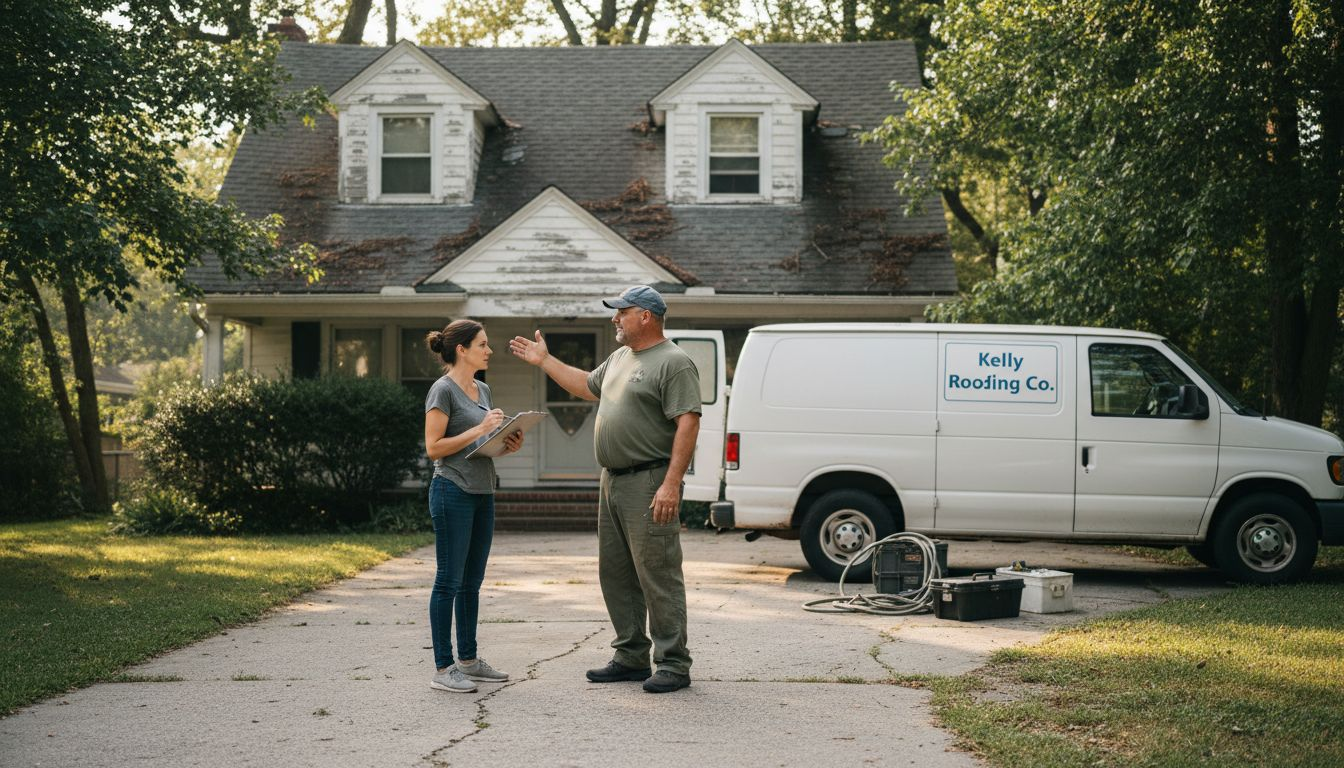
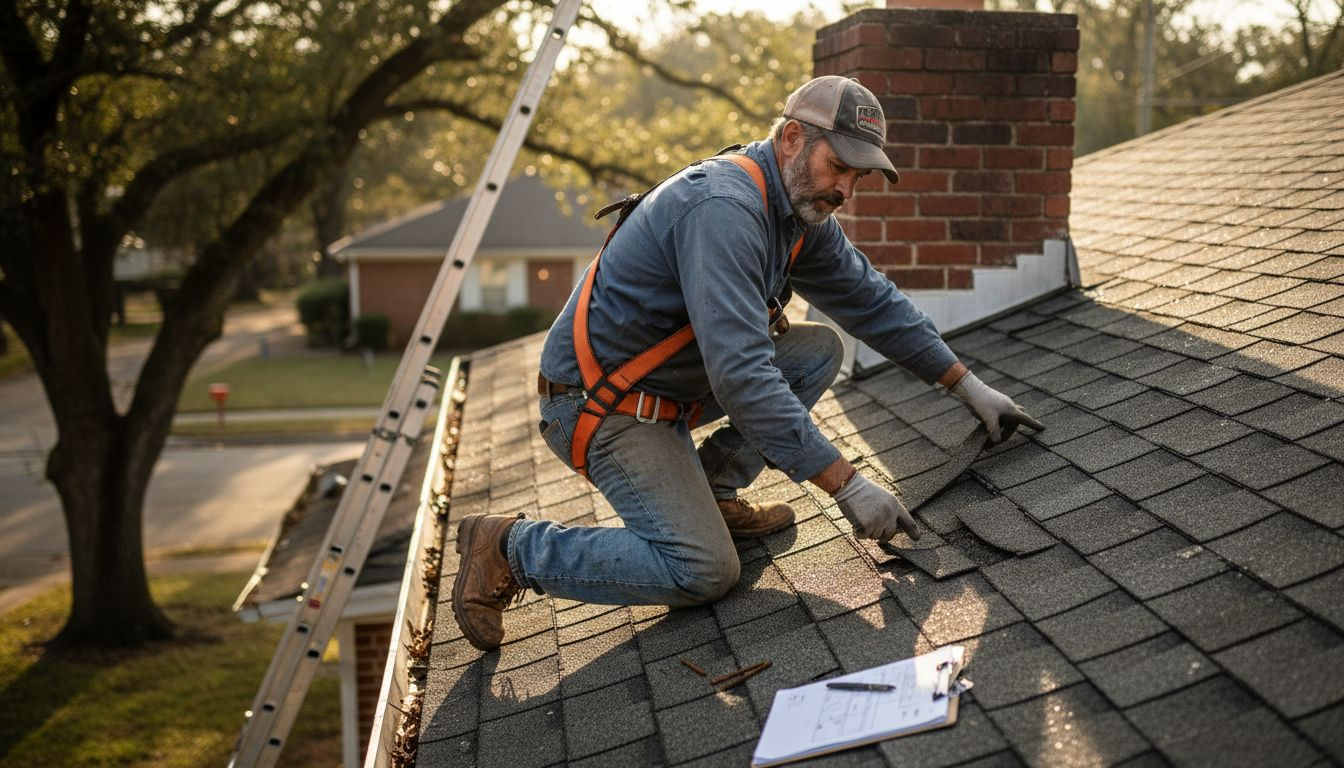
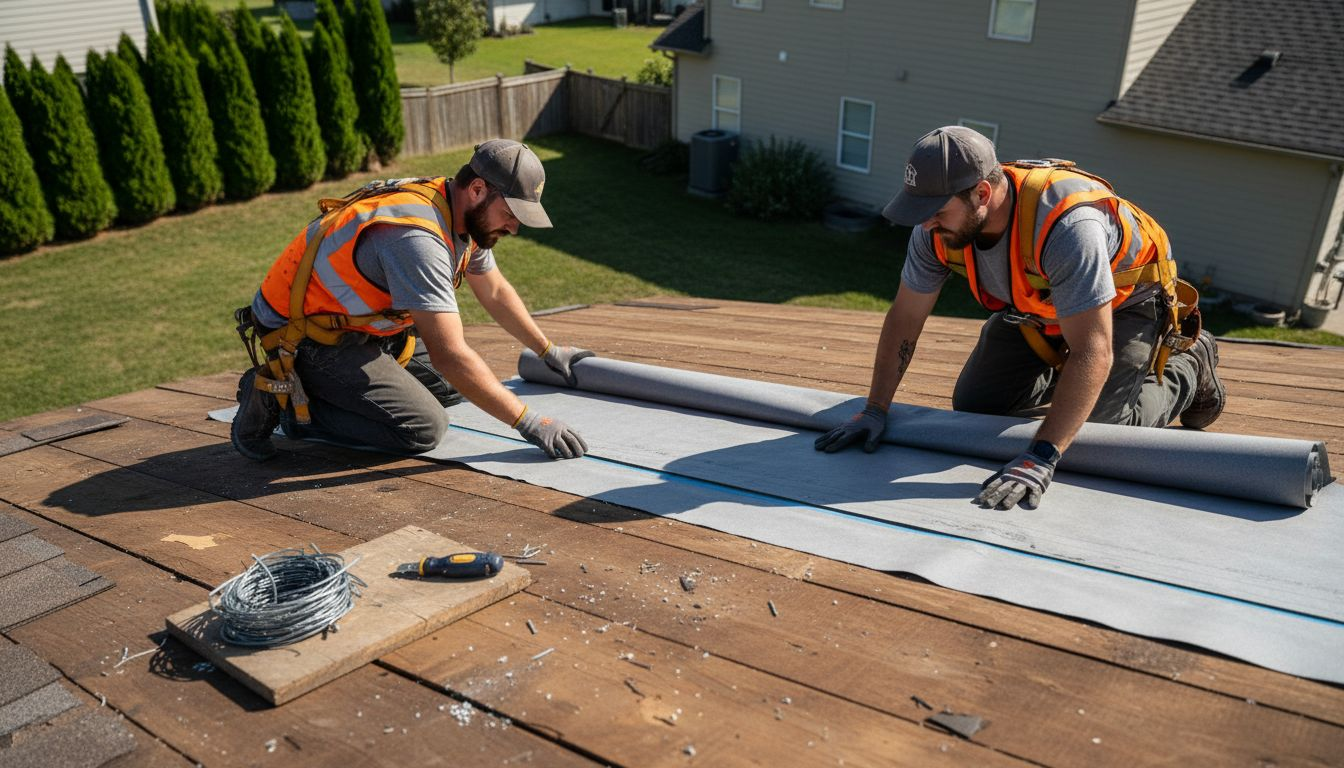
Choosing a roofer can feel overwhelming when every contractor claims to be an expert. One wrong choice might mean costly repairs, hidden risks, or poor workmanship that jeopardizes your home’s safety. The stakes are high and avoiding common pitfalls starts with asking the right questions.
This list reveals the most practical, actionable questions you should ask before hiring a roofer. You will learn how to spot unlicensed contractors, verify professional standards, and protect your investment from unnecessary headaches. Each item is designed to give you confidence and clarity in your decision-making.
Get ready to discover the essential steps that safeguard your home and wallet, so you never have to second-guess your choice again.
Table of Contents
- Are You Licensed And Insured?
- What Experience Do You Have With Local Roofs?
- Can You Provide References Or Reviews?
- What Roofing Materials Do You Recommend?
- What Is Your Project Timeline And Process?
- Do You Offer Warranties And Guarantees?
- How Will You Protect My Property During The Job?
Quick Summary
| Takeaway | Explanation |
|---|---|
| 1. Verify Licensing and Insurance | Ensure your contractor is licensed and insured to protect against liabilities and ensure professionalism. |
| 2. Prioritize Local Experience | Choose roofers with local expertise to handle regional-specific challenges and materials. |
| 3. Check References Thoroughly | Request and verify recent references to gauge contractor reliability and performance. |
| 4. Understand Roofing Materials | Select roofing materials that best suit your local climate and long-term durability needs. |
| 5. Establish a Clear Project Timeline | Request a detailed timeline to align on expectations and avoid miscommunications during the project. |
1. Are You Licensed and Insured?
When hiring a roofer, verifying their licensing and insurance status isn’t just a recommendation—it’s your financial and legal shield. Unlicensed contractors can leave you vulnerable to significant risks that extend far beyond a poorly completed roofing project.
Licensing serves as a crucial quality control mechanism that separates professional roofers from unqualified individuals. By requiring contractors to meet specific educational standards and professional criteria, licensing ensures that only trained professionals work on your home. Roofing fraud requires careful vigilance and checking credentials is your first line of defense.
Here’s why licensing and insurance matter:
- Protects you from potential legal and financial liability
- Ensures the contractor meets minimum professional standards
- Provides recourse if something goes wrong during the project
- Demonstrates the contractor’s commitment to professional integrity
To verify a contractor’s credentials, request to see:
- Current state or provincial trade license number
- Proof of general liability insurance
- Workers compensation coverage documentation
Insurance and licensing aren’t optional—they’re essential protections for both homeowner and contractor.
Pro tip: Always independently verify the license number with your local licensing board to confirm its current and valid status.
2. What Experience Do You Have With Local Roofs?
Local roofing experience isn’t just a nice-to-have—it’s a critical factor that can make or break your roofing project. Understanding the nuanced challenges of regional climate and architectural styles separates professional roofers from novices.
Each geographical area presents unique roofing challenges that require specialized knowledge. Local climate conditions dramatically impact roofing performance, influencing everything from material selection to installation techniques.
Key reasons local experience matters:
- Understands regional weather patterns
- Knows best materials for local environmental conditions
- Familiar with specific building codes and regulations
- Can anticipate potential regional roofing complications
- Recognizes typical wear and damage patterns in your area
Specifically, local roofers with deep regional experience can:
- Select materials that withstand your specific temperature ranges
- Design drainage systems appropriate for local rainfall patterns
- Recommend treatments that protect against regional environmental stressors
A roofer who knows your local landscape is worth their weight in gold.
Pro tip: Ask potential roofers to provide references from projects completed within 20 miles of your home to verify genuine local expertise.
3. Can You Provide References or Reviews?
Truthful references and authentic reviews are your secret weapon when selecting a roofing contractor. They offer an unfiltered window into a contractor’s real-world performance and customer satisfaction.
Evaluating references requires careful source verification to ensure you’re getting genuine insights about a contractor’s capabilities. Not all reviews are created equal, and knowing how to navigate them can save you from potential headaches.
When requesting references, look for:
- Detailed project descriptions
- Recent completed projects similar to yours
- Multiple references from the past 12 months
- References from projects in your local area
- Willingness of past clients to discuss their experience
Step-by-step reference verification process:
- Request a minimum of three references
- Contact each reference directly
- Ask specific questions about project completion
- Inquire about problem resolution and communication
- Verify the authenticity of the references
Your due diligence today prevents costly mistakes tomorrow.
Pro tip: Request references that specifically match your roofing project type and check online review platforms for additional independent feedback.
4. What Roofing Materials Do You Recommend?
Choosing the right roofing materials isn’t just about aesthetics—it’s about protecting your most valuable asset. Your roof is the first line of defense against harsh weather conditions and should be selected with strategic precision.
Cool roofing materials can dramatically improve energy efficiency and extend your roof’s lifespan. The right material can mean the difference between a roof that lasts 15 years and one that protects your home for decades.
Key considerations when selecting roofing materials:
- Climate compatibility
- Long-term durability
- Energy efficiency
- Cost-effectiveness
- Aesthetic appeal
- Local building code requirements
Common roofing material options include:
- Asphalt shingles (most affordable)
- Metal roofing (highest durability)
- Slate tiles (premium appearance)
- Clay tiles (excellent for hot climates)
- Synthetic materials (innovative alternatives)
Your roof is an investment. Choose wisely.
Pro tip: Request material samples and discuss their performance in your specific local climate to make the most informed decision possible.
5. What Is Your Project Timeline and Process?
A well-defined roofing project timeline separates professional contractors from amateur weekend warriors. Understanding the complete process helps you set realistic expectations and avoid potential miscommunications.
Project management lifecycle stages are critical for ensuring smooth, efficient roofing installations. Your contractor should be able to walk you through each phase with clarity and precision.
Typical roofing project phases include:
- Initial property assessment
- Detailed project proposal
- Material procurement
- Preparation and removal of existing roof
- New roof installation
- Final inspection and cleanup
- Post-project follow-up
Key questions to ask about the project timeline:
- How long will the entire project take?
- What are the specific milestone dates?
- How will unexpected complications be handled?
- What is the daily work schedule?
- When can I expect the final walkthrough?
A transparent timeline is the foundation of trust between homeowner and contractor.
Pro tip: Request a written timeline with specific dates and milestones to ensure you and your contractor are aligned on expectations and project progression.
6. Do You Offer Warranties and Guarantees?
A roofing warranty is your financial safety net against potential future problems. It represents the contractor’s confidence in their craftsmanship and materials.
Federal warranty laws protect homeowners by requiring clear, transparent documentation of coverage and terms. Not all warranties are created equal—understanding the nuances can save you thousands in potential repair costs.
Types of roofing warranties to understand:
- Manufacturer material warranties
- Contractor workmanship warranties
- Extended comprehensive coverage
- Prorated vs full replacement warranties
- Transferable warranty options
Key questions to ask about warranties:
- What specific components are covered?
- How long does the warranty last?
- Are labor and materials both included?
- What voids the warranty?
- Is the warranty transferable to a new homeowner?
A strong warranty isn’t an expense—it’s an investment in peace of mind.
Pro tip: Request a written copy of the complete warranty document before signing any contract and carefully review the specific terms and conditions.
7. How Will You Protect My Property During the Job?
A professional roofing contractor doesn’t just install a roof—they treat your property with respect and implement comprehensive protection strategies. Understanding how a contractor will safeguard your home is crucial to preventing potential damage.
Occupation safety regulations guide property protection during construction projects. This means more than just avoiding broken flower beds or scratched siding.
Key property protection measures include:
- Landscaping protection strategies
- Covering and securing valuable exterior items
- Managing construction debris effectively
- Protecting interior spaces from dust and potential damage
- Establishing clear work zone boundaries
Specific protection steps you should expect:
- Tarping surrounding landscape areas
- Using protective plywood around work zones
- Covering windows and exterior fixtures
- Setting up containment areas for materials and tools
- Daily cleanup and debris management
Your home is your most valuable asset. Protect it during renovations.
Pro tip: Walk the property with your contractor beforehand and document existing conditions with photographs to establish clear accountability for potential damages.
Below is a comprehensive table summarizing the critical questions and considerations one should evaluate when hiring a roofing contractor, as discussed throughout the article.
| Question | Key Considerations | Pro Tips |
|---|---|---|
| Are You Licensed and Insured? | Verify the contractor’s licensing and insurance information to protect against legal and financial liabilities and ensure compliance with professional standards. | Independently verify the license number with your local licensing board to confirm its validity. |
| What Experience Do You Have? | Ensure the contractor has specialized knowledge of local climatic and building code considerations for your roofing project. | Request references for projects completed within 20 miles of your home. |
| Can You Provide References? | Gather insights into past projects by obtaining detailed references, focusing on similar project types, recent completions, and local relevance. | Verify the authenticity of references and check independent online reviews for additional confirmation. |
| Which Materials Do You Recommend? | Rely on informed suggestions for roofing materials considering durability, energy efficiency, cost, and suitability for your local climate and building codes. | Review material samples and discuss their performance for your region with the contractor. |
| Project Timeline and Process? | Gain clarity on the roofing project schedule, including step-by-step phases, expected completion times, and how complications are managed. | Agree on a written timeline that includes specific milestones to manage expectations. |
| Do You Offer Warranties? | Understand warranty terms covering materials, craftsmanship, and other assurances. Know the conditions that may void coverage and confirm if the warranty can transfer ownership. | Request a complete written warranty document and thoroughly review its terms and conditions. |
| How Will You Protect Property? | Ensure the contractor employs methods to safeguard your property, including tarping landscaping and protecting windows and exterior fixtures from debris or damage. | Document pre-existing conditions of your property with photographs prior to project commencement. |
This table provides a structured reference to effectively gauge the reliability and professionalism of roofing contractors through key investigative questions.
Make Confident Roofing Decisions With Trusted Local Experts
Choosing the right roofer means asking the essential questions about licensing, experience, materials, timelines, and warranties. These key points guard against costly mistakes and ensure your home in Moncton is protected by professionals who understand local climate challenges and building codes. If you want expert guidance backed by proven craftsmanship and genuine customer reviews, J. A. Kelly Contracting Services is here to help.
Explore our in-depth Roofing Archives – J. A. Kelly Contracting Services to learn more about quality roofing solutions that fit your needs. Whether you are considering a full roof replacement or timely repairs, our team offers clear timelines, strong warranties, and dedicated property protection—all designed to give you peace of mind. Visit https://jakellycontractingservices.ca to request a free estimate and start your roofing project with trusted local professionals committed to excellence. Take control of your home’s safety today with reliable expertise just a call away.
Frequently Asked Questions
Are licensed and insured roofers really necessary?
Hiring licensed and insured roofers is essential to protect yourself from financial and legal risks. Always verify their credentials before proceeding with your roofing project.
How can I confirm a roofer’s local experience?
You can confirm a roofer’s local experience by asking for references from previous projects completed in your area. Request at least three names and contact them to discuss the contractor’s expertise and quality of work.
What materials should I expect the roofer to recommend?
A professional roofer should recommend materials based on your local climate and specific roofing needs. Discuss options like asphalt shingles, metal roofing, or clay tiles to understand their benefits and suitability for your home.
How long should my roofing project take?
A typical roofing project timeline can range from a few days to a couple of weeks, depending on the scope of work. Request a written schedule from your contractor that outlines the expected milestones and completion date.
What kinds of warranties should I ask about?
You should inquire about both manufacturer material warranties and contractor workmanship warranties. Ensure they provide clear terms regarding coverage duration and any conditions that may void the warranty.
How will my property be protected during the roofing job?
A qualified roofer should outline their strategies for protecting your property, such as tarping landscaping and managing construction debris. Discuss these plans before work begins to ensure your home and yard are adequately safeguarded.
Recommended
- 7 Expert Tips for Hiring Contractors Every Homeowner Needs – J. A. Kelly Contracting Services
- 7 Essential Tips for Hiring Reliable Roofers Near You – J. A. Kelly Contracting Services
- How to Hire a Roofing Contractor for a Stress-Free Project – J. A. Kelly Contracting Services
- Complete Guide to the Role of Roofing Contractors – J. A. Kelly Contracting Services
- 7 pasos clave para elegir empresa de eliminación de humedades – Solo Humedad