
Cracked shingles and hidden leaks can turn a peaceful Moncton morning into an expensive headache. For homeowners in New Brunswick, keeping your roof in shape is more than a routine chore—it is a critical step to protect your investment and avoid surprise repairs. By learning the importance of a comprehensive roof inspection and recognizing common myths, you gain practical knowledge to maintain your property’s strength and value for years to come.
Table of Contents
- What Roof Inspection Involves And Common Myths
- Types Of Roofs And Inspection Differences
- Key Steps In A Professional Roof Inspection
- Risks Of Neglecting Roof Maintenance
- Cost Savings And Insurance Considerations
- How Inspections Enhance Property Value
Key Takeaways
| Point | Details |
|---|---|
| Importance of Roof Inspections | Regular roof inspections are essential for maintaining the structural integrity of homes. |
| Myth Busting | Common myths such as new roofs not needing inspections can lead to significant risks. |
| Specialized Techniques | Different roof types require tailored inspection methods to accurately assess potential issues. |
| Cost Savings and Value Enhancement | Proactive maintenance can save homeowners money and increase property value over time. |
What Roof Inspection Involves and Common Myths
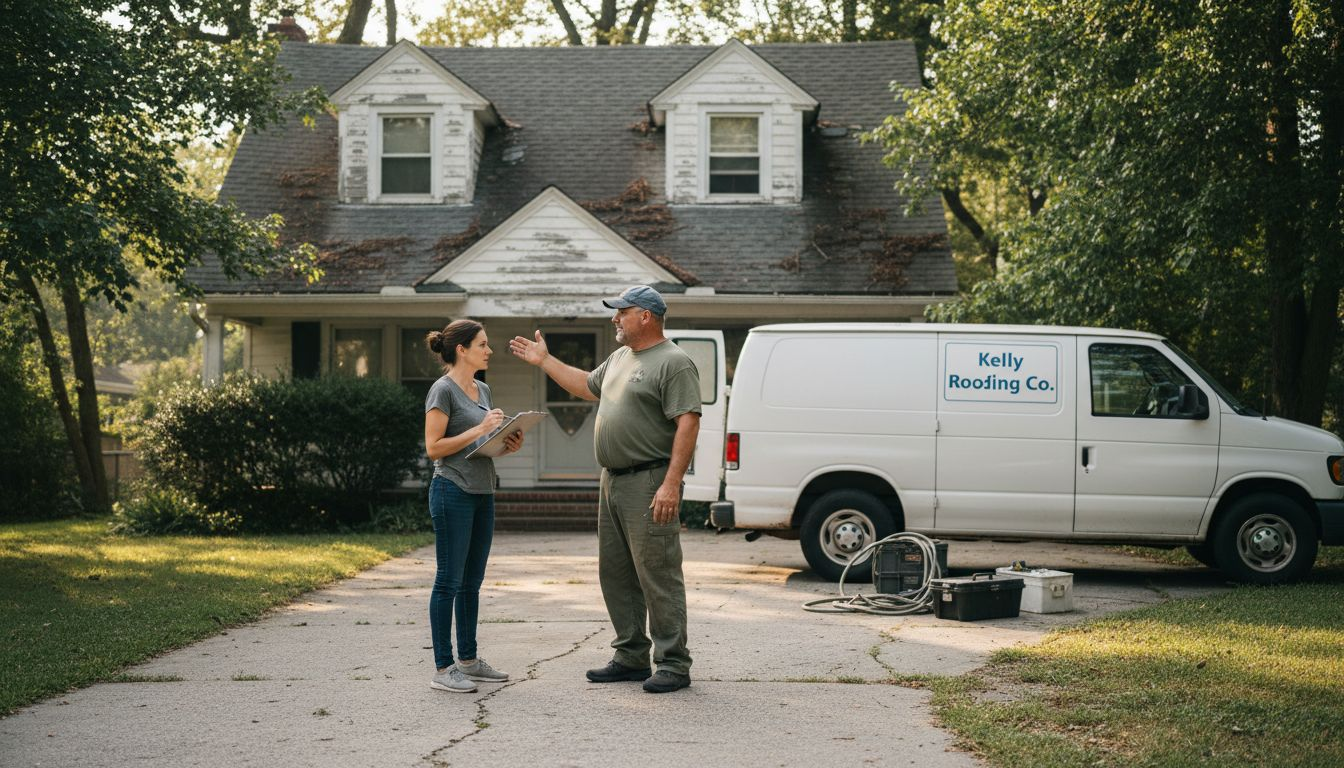
Roof inspections are critical preventative maintenance procedures that help Moncton homeowners protect their most significant investment – their home. Understanding what these inspections entail can save you thousands in potential repair costs and prevent unexpected structural damage.
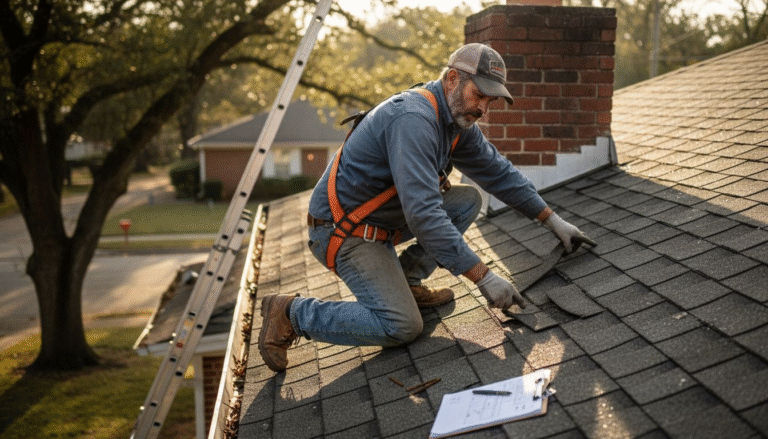
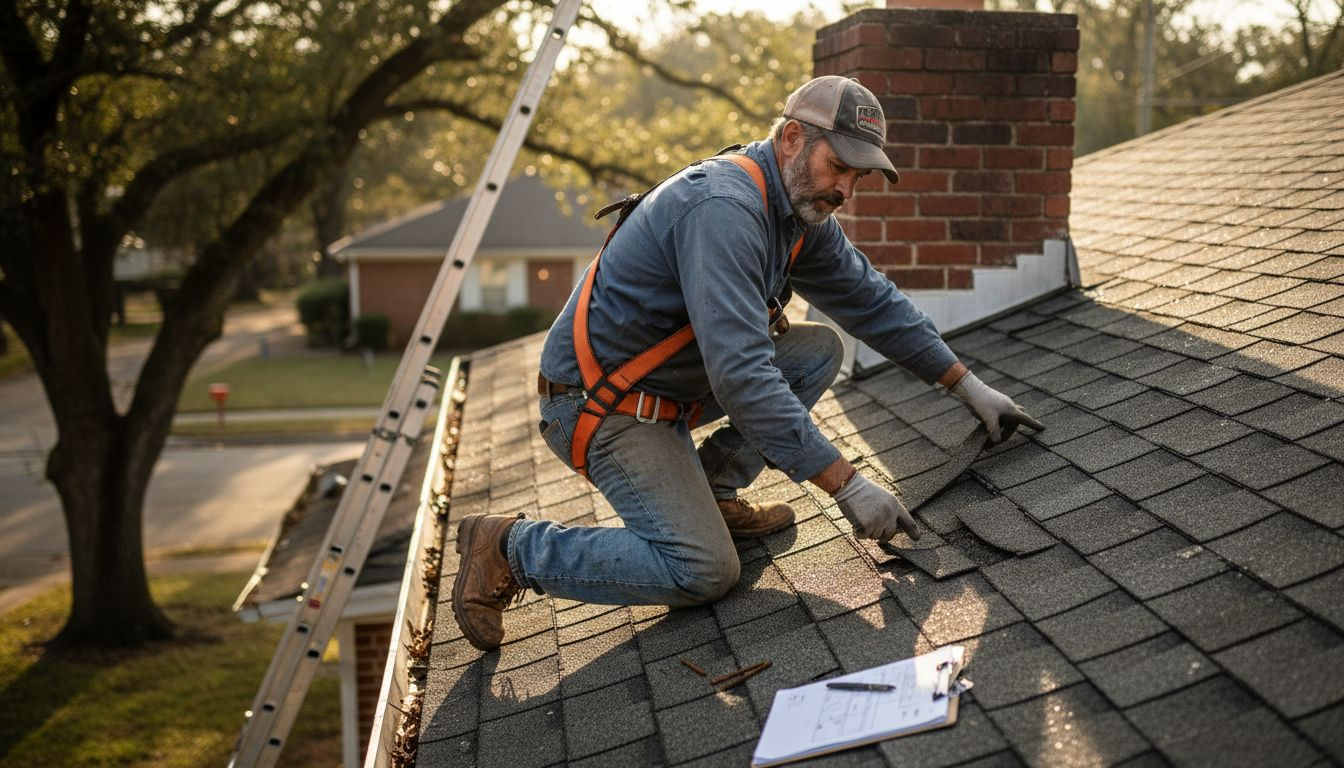
A comprehensive roof inspection typically involves several key elements and professional assessments. Trained experts will systematically evaluate multiple aspects of your roofing system, including:
- Examining shingle condition and integrity
- Checking for water damage or moisture penetration
- Inspecting flashing around chimneys and ventilation points
- Evaluating underlying roof deck structural stability
- Assessing gutter systems and drainage functionality
Contrary to popular belief, roof inspections aren’t just quick visual surveys. Detailed roofing inspection processes involve sophisticated techniques that go far beyond surface-level observations. Professional contractors use specialized tools like infrared cameras and moisture meters to detect hidden problems that untrained eyes might miss.
Many homeowners harbor misconceptions about roof inspections that can lead to costly mistakes. Some common myths include believing that:
- New roofs don’t need inspections
- Roof damage is always visible from the ground
- Inspections are unnecessary annual expenses
- DIY checks are equivalent to professional assessments
These myths can create dangerous assumptions that potentially expose your home to significant risk. Professional roof inspections provide comprehensive evaluations that protect your property’s structural integrity and prevent unexpected repair expenses.
Pro tip: Schedule professional roof inspections at least twice per year, ideally during spring and fall seasons when weather transitions can reveal potential vulnerabilities.
Types of Roofs and Inspection Differences
Roofing systems in Moncton vary dramatically, and each type requires a unique approach to professional inspection. Understanding these differences is crucial for homeowners seeking comprehensive roof maintenance and long-term structural protection.
Moncton’s residential roofing landscape typically includes several primary roof types, each with distinct characteristics:
- Asphalt Shingle Roofs: Most common in residential settings
- Metal Roofs: Growing in popularity for durability
- Cedar Shake Roofs: Traditional aesthetic with specific maintenance needs
- Flat Roofs: Often found in commercial and some modern residential designs
- Slate Roofs: Premium roofing option with exceptional longevity
Each roof type demands specialized inspection techniques. Common roofing problems manifest differently depending on the material and structural design, requiring expert knowledge to accurately assess potential vulnerabilities.
Inspection differences emerge through specialized evaluation methods. Asphalt shingle roofs, for instance, require close examination of granule loss, cracking, and potential lifting. Metal roofs demand careful checking of seam integrity, potential corrosion points, and fastener stability. Cedar shake roofs need thorough moisture penetration assessments and wood degradation evaluations.
Roof inspections are not one-size-fits-all procedures. Professional contractors must adapt their techniques to match the specific roofing material and architectural design.
The complexity of roof inspections extends beyond visual assessments. Professionals utilize advanced diagnostic tools like thermal imaging cameras, moisture meters, and drone technology to detect hidden issues that traditional methods might miss. These sophisticated techniques help identify potential problems before they escalate into costly structural damage.
Here’s how common roofing materials require different inspection focuses:
| Roof Type | Key Inspection Focus | Main Vulnerability |
|---|---|---|
| Asphalt Shingle | Check granule loss and alignment | Cracking, lifting |
| Metal | Inspect seams and fasteners | Corrosion, loose seams |
| Cedar Shake | Assess moisture and wood health | Rot, insect damage |
| Flat | Examine membrane and drainage | Ponding water, leaks |
| Slate | Review slate integrity and fasteners | Broken tiles, slipping |
Pro tip: Request documentation and photographic evidence during your roof inspection to maintain a comprehensive record of your roof’s condition and potential maintenance needs.
Key Steps in a Professional Roof Inspection
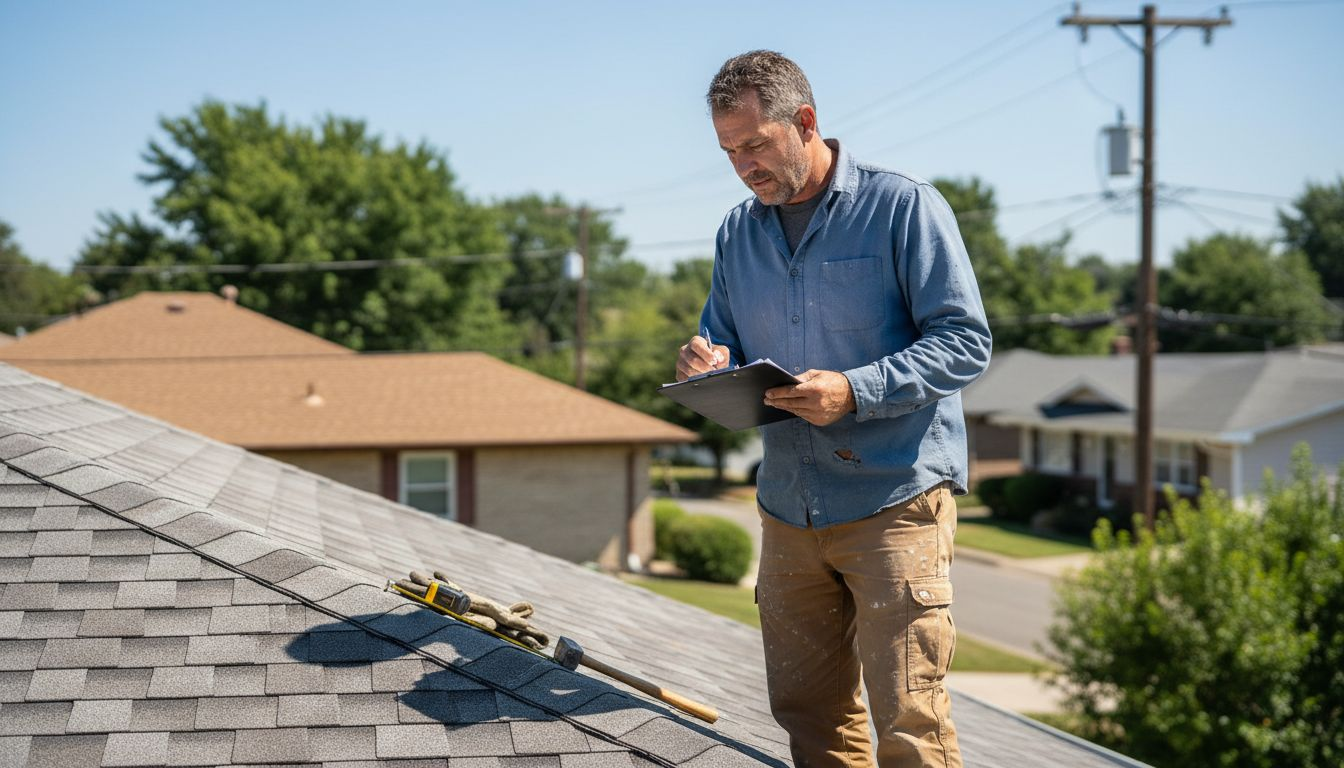
A comprehensive roof inspection is far more than a quick glance at your roofing surface. Professional contractors follow a systematic approach to thoroughly evaluate your home’s most critical protective barrier, ensuring every potential vulnerability is carefully examined.
The professional roof inspection typically involves several critical steps:
- Initial exterior visual assessment
- Detailed structural evaluation
- Interior ceiling and attic inspection
- Comprehensive documentation and reporting
- Recommendations for maintenance or repairs
Professional contractors utilize essential roofing maintenance techniques to conduct comprehensive evaluations. The exterior assessment begins with a ground-level examination, where inspectors look for obvious signs of damage such as missing shingles, visible sagging, or debris accumulation.
The structural evaluation goes much deeper than surface-level observations. Inspectors will carefully examine:
- Shingle condition and alignment
- Flashing around chimneys and vents
- Gutter system functionality
- Potential water damage indicators
- Signs of wood rot or structural compromise
Professional roof inspections are preventative investments that can save homeowners thousands in potential repair costs.
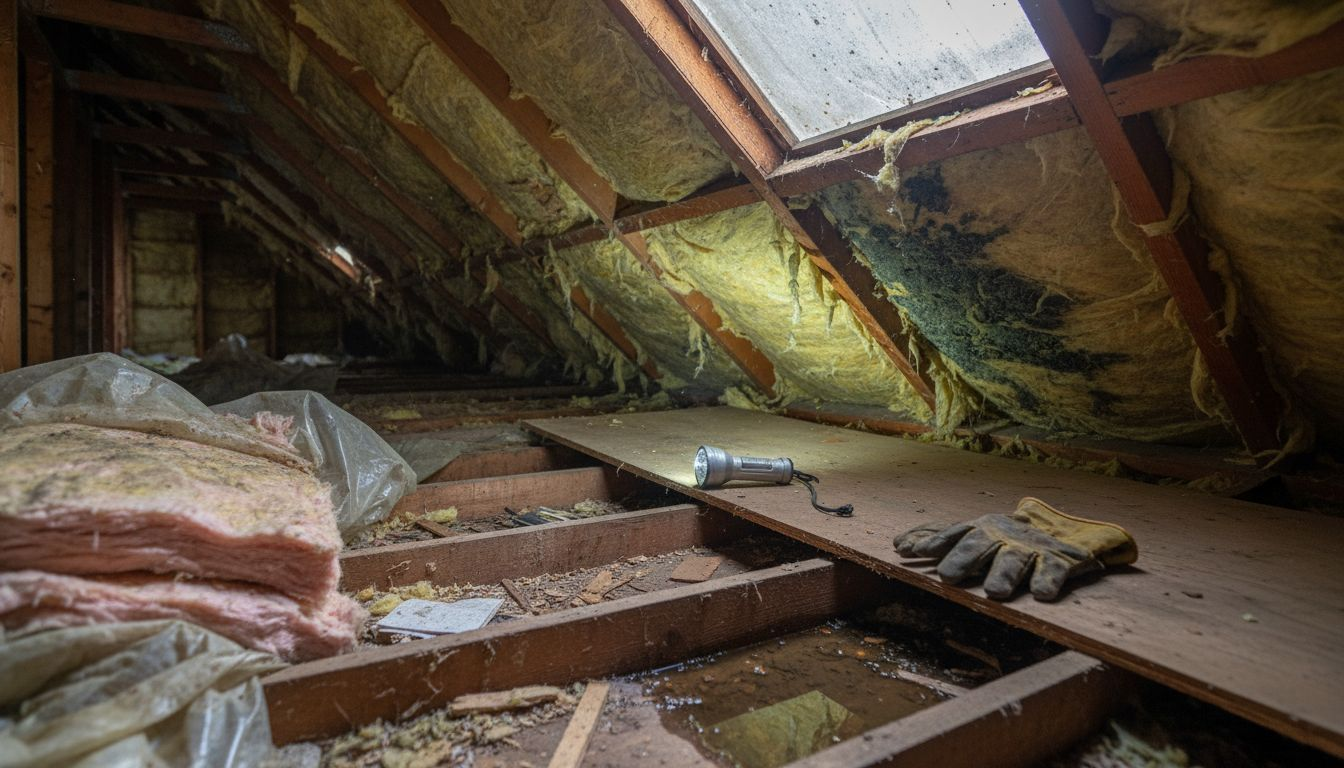
The interior inspection is equally crucial, focusing on the attic and ceiling spaces. Professionals look for subtle signs of water intrusion, including:
- Moisture stains
- Mold growth
- Compromised insulation
- Structural wood degradation
- Ventilation system effectiveness
Advanced diagnostic tools play a significant role in modern roof inspections. Thermal imaging cameras, moisture meters, and drone technologies allow inspectors to detect hidden issues that traditional methods might miss, providing a comprehensive assessment of your roof’s condition.
Pro tip: Schedule your roof inspection during dry, mild weather conditions to ensure the most accurate and comprehensive evaluation of your roofing system.
Risks of Neglecting Roof Maintenance
Neglecting roof maintenance is a dangerous and potentially expensive oversight that can transform a minor issue into a catastrophic home disaster. Homeowners who ignore their roof’s condition are essentially gambling with their property’s structural integrity and financial stability.
The potential risks of roof maintenance neglect include several critical areas of concern:
- Structural damage to home foundations
- Extensive water damage to interior spaces
- Mold and mildew growth
- Decreased property value
- Compromised home insulation
- Increased energy consumption
Water damage represents the most immediate and devastating consequence of roof maintenance neglect. Timely roof repairs can prevent moisture from penetrating your home’s critical structural elements, which can lead to exponentially more expensive restoration projects.
The financial implications of neglected roof maintenance can be staggering. What might start as a small leak or minor shingle damage can quickly escalate into comprehensive structural repairs costing tens of thousands of dollars. Moisture penetration can compromise wooden structural elements, leading to:
- Wood rot in roof decking
- Compromised ceiling joists
- Wall frame degradation
- Foundation water damage
- Electrical system risks
Preventative maintenance is always more cost-effective than emergency repairs.
Beyond structural risks, neglected roofs significantly impact your home’s overall energy efficiency. Damaged or poorly maintained roofing allows heat to escape during winter and cool air to dissipate during summer, resulting in dramatically increased energy consumption and higher utility bills.
Pro tip: Invest in an annual professional roof inspection to catch potential issues before they transform into expensive, comprehensive repairs.
Cost Savings and Insurance Considerations
Proactive roof maintenance represents a critical financial strategy for Moncton homeowners seeking to protect their most valuable asset. Understanding the intricate relationship between routine maintenance, insurance coverage, and long-term cost savings can potentially save thousands of dollars in unexpected expenses.
Insurance considerations for roof maintenance typically involve several key factors:
- Proof of regular maintenance documentation
- Comprehensive inspection records
- Timely repair documentation
- Professional assessment reports
- Preventative maintenance evidence
Roof repair guides emphasize that most insurance providers require homeowners to demonstrate consistent maintenance efforts. Neglecting routine inspections can potentially invalidate insurance claims or result in reduced compensation for roof-related damages.
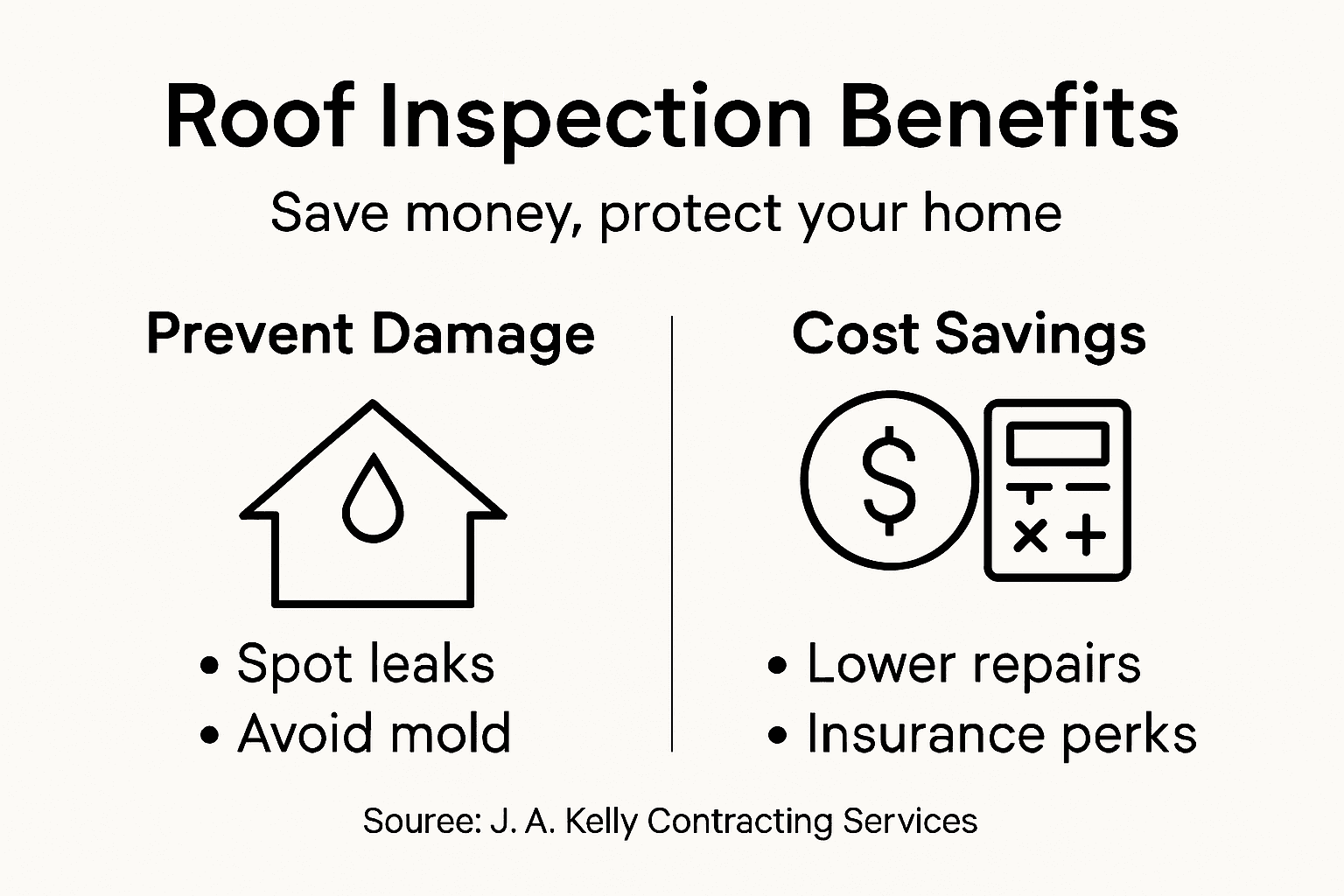
Financial implications of proactive roof maintenance can be substantial. Homeowners who invest in regular inspections and timely repairs can expect significant cost benefits:
- Reduced emergency repair expenses
- Lower long-term maintenance costs
- Extended roof lifespan
- Improved home energy efficiency
- Potential insurance premium reductions
Regular maintenance is an investment, not an expense. Strategic roof care can save homeowners up to 40% in potential repair costs over a roof’s lifetime.
Insurance companies frequently offer incentives for homeowners who demonstrate responsible property maintenance. Many providers will reduce premiums or offer more comprehensive coverage for properties with documented, professional roof maintenance histories. This approach rewards proactive homeowners and encourages consistent property care.
Pro tip: Maintain a comprehensive digital folder with all roof inspection reports, repair documentation, and maintenance records to strengthen your insurance claims and potentially reduce premium costs.
How Inspections Enhance Property Value
Regular roof inspections are a strategic investment that directly impacts a property’s market value and long-term financial potential. Homeowners who prioritize systematic maintenance demonstrate responsible property management, which translates into tangible economic benefits during resale or appraisal processes.
Key property value enhancement factors through roof inspections include:
- Documented maintenance history
- Prevention of structural degradation
- Early detection of potential issues
- Preservation of home’s structural integrity
- Improved overall property appearance
- Enhanced buyer confidence
Home upgrades significantly increase property value, with roof maintenance being a critical component of this strategy. Professional inspections provide comprehensive documentation that potential buyers and appraisers view as a mark of responsible homeownership.
The financial implications of consistent roof maintenance are substantial. Professional inspections can potentially increase property value through:
- Preventing major structural damage
- Maintaining optimal roof condition
- Providing verifiable maintenance records
- Reducing potential negotiation points during sale
- Demonstrating proactive home care
A well-maintained roof can increase property value by up to 10% compared to neglected properties.
Real estate professionals consistently emphasize the importance of a well-maintained roof as a critical factor in home valuation. Potential buyers often conduct thorough home inspections, and a documented history of professional roof maintenance can significantly reduce concerns about potential hidden damages or future repair costs.
The table below summarizes how regular roof inspections impact home value and finances:
| Benefit | Direct Impact | Long-Term Advantage |
|---|---|---|
| Proof of maintenance | Higher buyer confidence | Faster resale, fewer negotiations |
| Early problem detection | Avoids large repairs | Supports consistent property value |
| Insurance qualification | Smoother claims process | Potential premium discounts |
| Improved home appearance | Boosts curb appeal | Increased offer prices |
Pro tip: Collect and organize all roof inspection reports, as these documents serve as valuable proof of consistent home maintenance during property appraisals and sales negotiations.
Protect Your Home with Expert Roof Inspections Today
Understanding the importance of proactive roof maintenance is the first step toward avoiding costly repairs and preserving your home’s value. The article highlights key challenges like hidden water damage, structural risks, and the need for professional assessment beyond simple DIY checks. If you want to address these pain points and ensure your roof remains a strong, reliable shield for your family, expert help is essential.
Discover peace of mind with professional roof inspection services from J. A. Kelly Contracting Services. Our specialists use advanced techniques tailored to Moncton’s unique roofing needs. Visit our Roofing Archives for insights and solutions. Ready to safeguard your investment and avoid unexpected expenses? Get started with a free estimate and easy booking at https://jakellycontractingservices.ca today. For broader home improvement options, explore our Home Renovation Archives to enhance your property’s integrity and value.
Frequently Asked Questions
What are the main benefits of a roof inspection?
Roof inspections help identify hidden issues, prevent costly repairs, document maintenance for insurance purposes, and enhance property value through proactive upkeep.
How often should I schedule roof inspections?
It’s recommended to schedule professional roof inspections at least twice a year, ideally during the spring and fall seasons, to catch potential vulnerabilities.
What does a professional roof inspection include?
A thorough roof inspection includes examining shingle condition, checking for water damage, inspecting flashing, evaluating structural integrity, and assessing gutter functionality, often using advanced diagnostic tools.
Can I perform a roof inspection myself?
While homeowners can do basic checks, professional inspections are crucial for identifying hidden issues and providing a comprehensive assessment, which can save you from costly repairs later.
Recommended
- Timely Roof Repairs: Complete Guide for Homeowners – J. A. Kelly Contracting Services
- 7 Essential Roofing Maintenance Tips Every Homeowner Should Know – J. A. Kelly Contracting Services
- What Is a Roofing Inspection and Why It Matters – J. A. Kelly Contracting Services
- 7 Common Roofing Problems Every Homeowner Should Know – J. A. Kelly Contracting Services