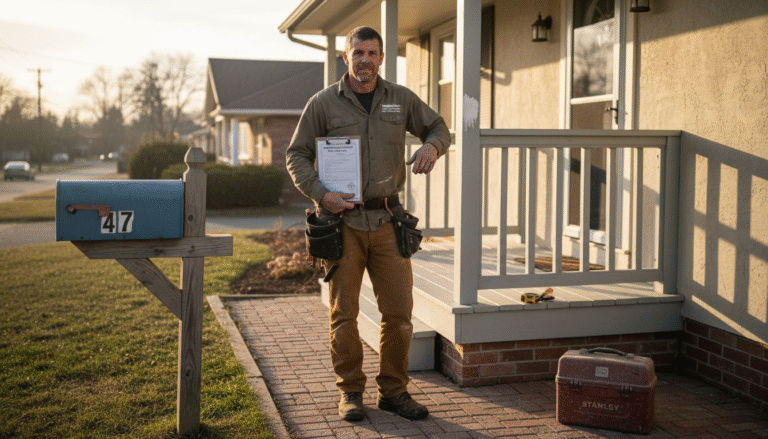

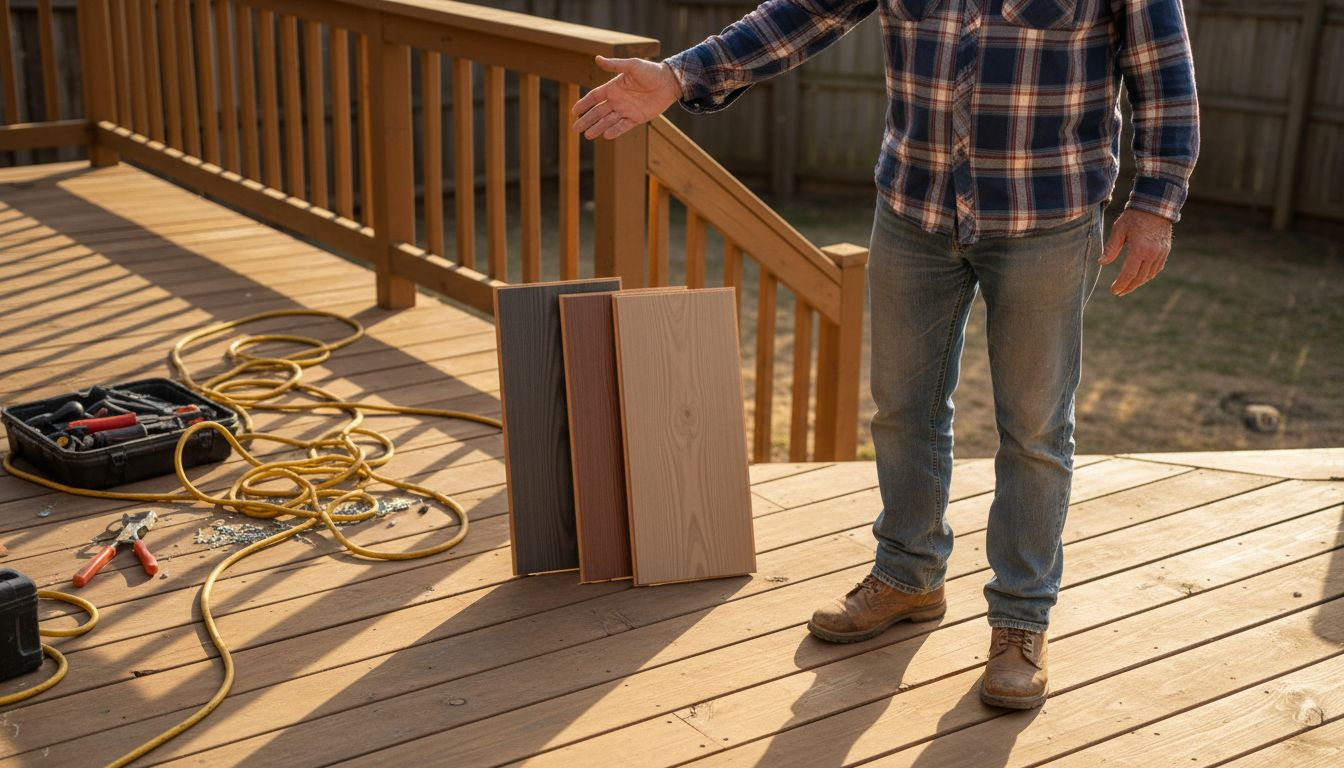

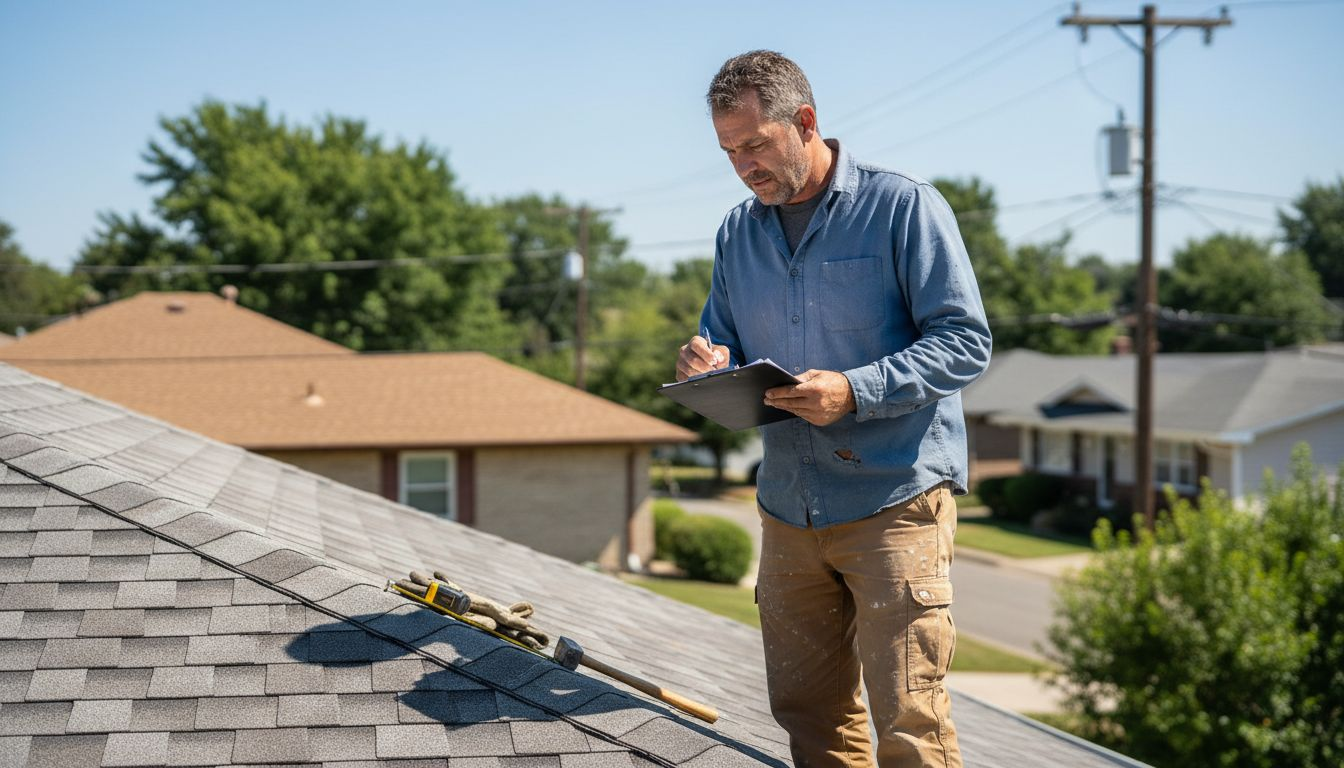
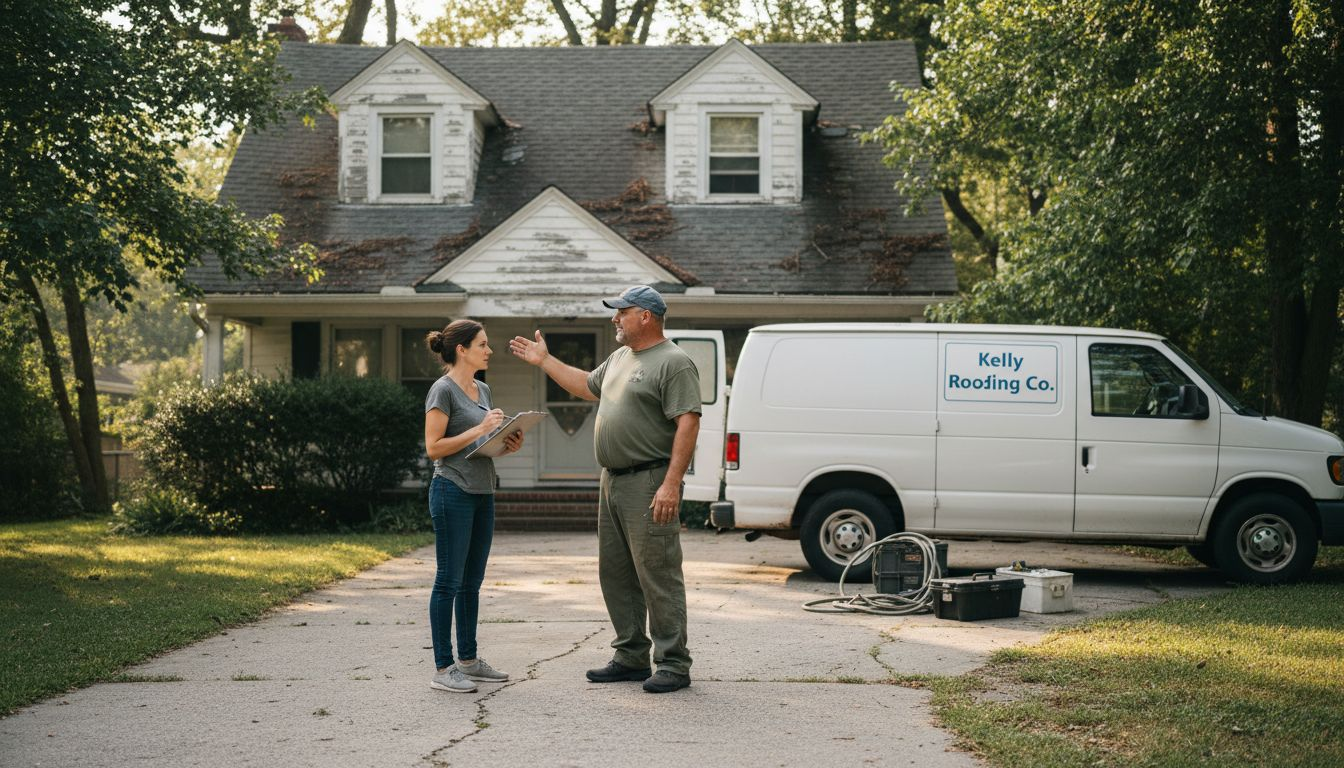
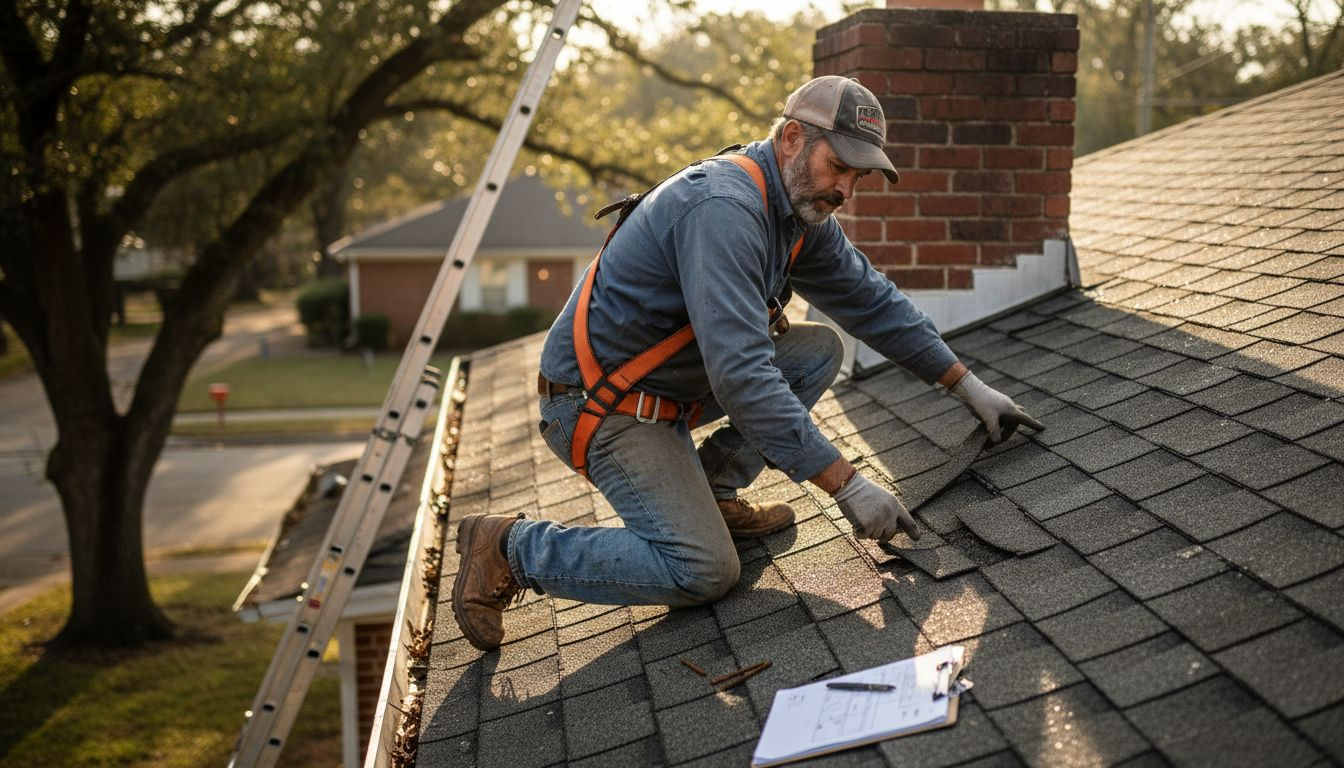
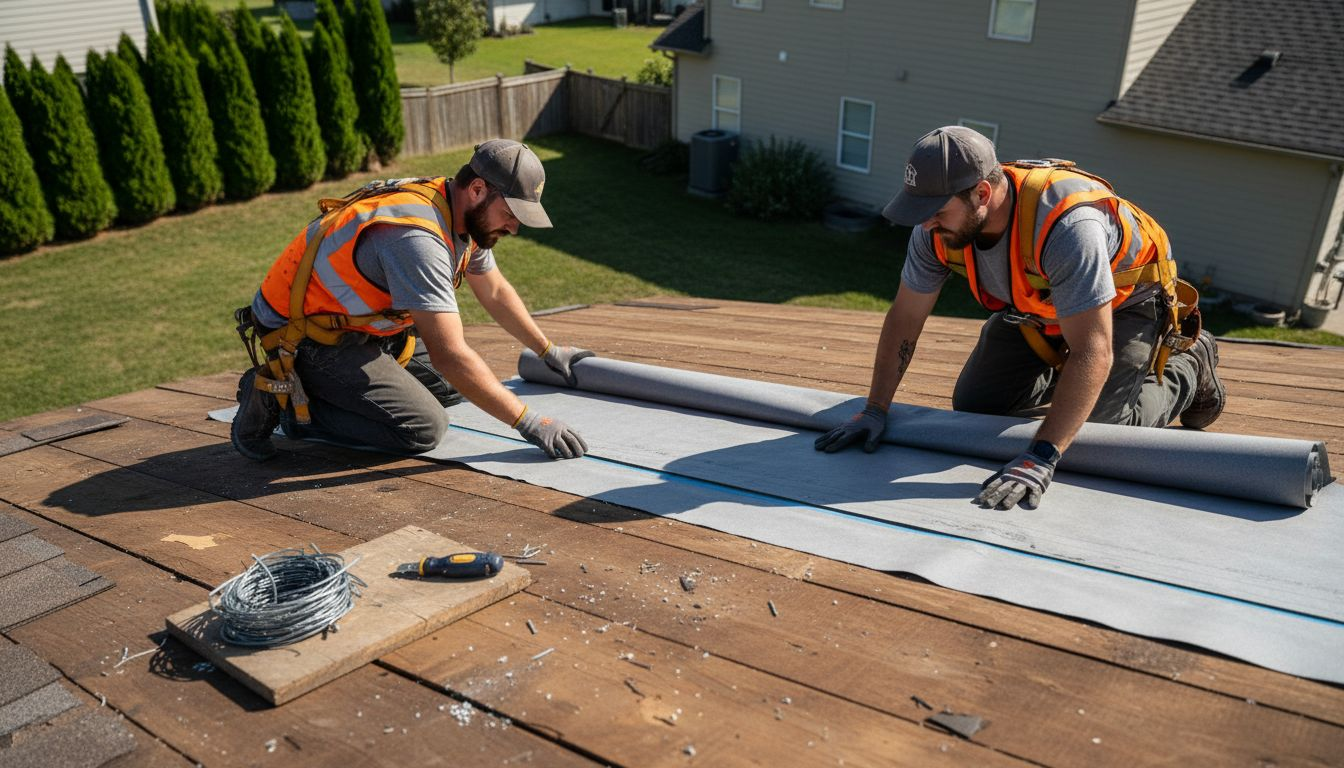
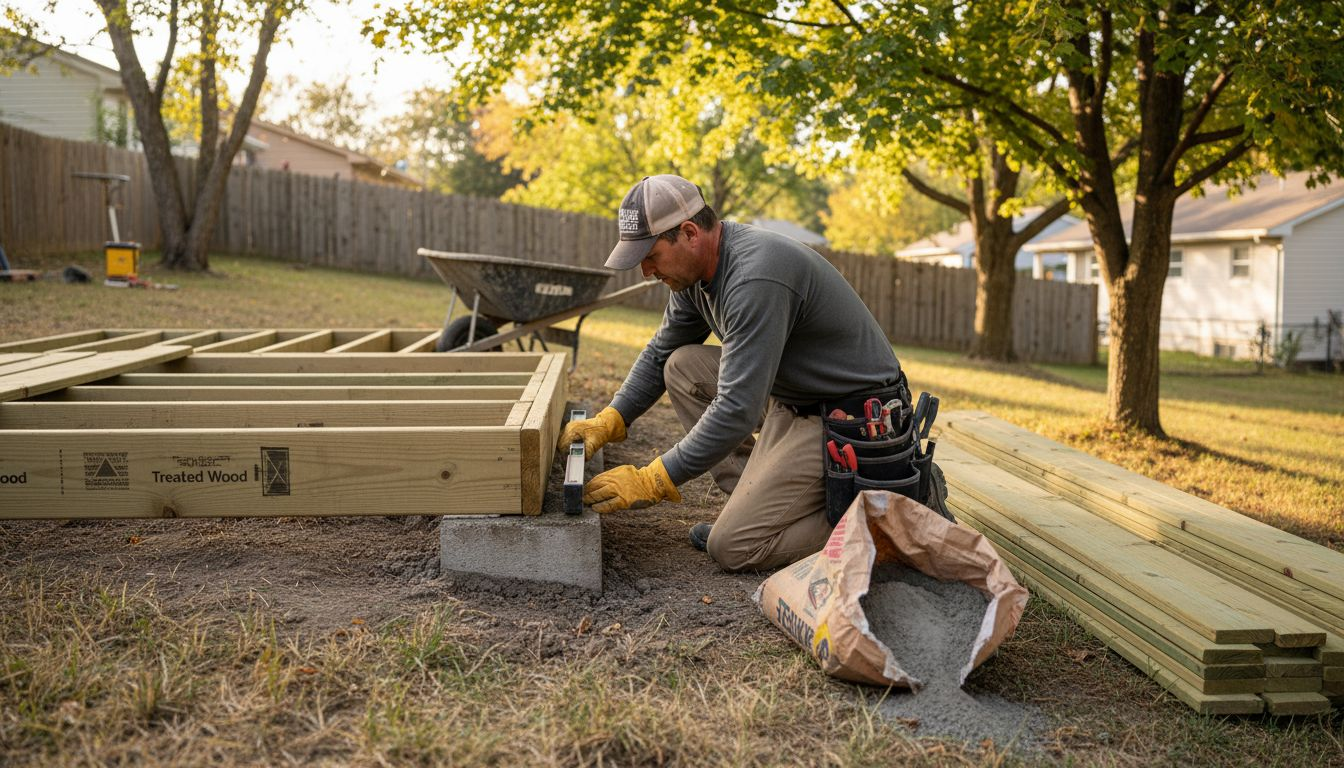
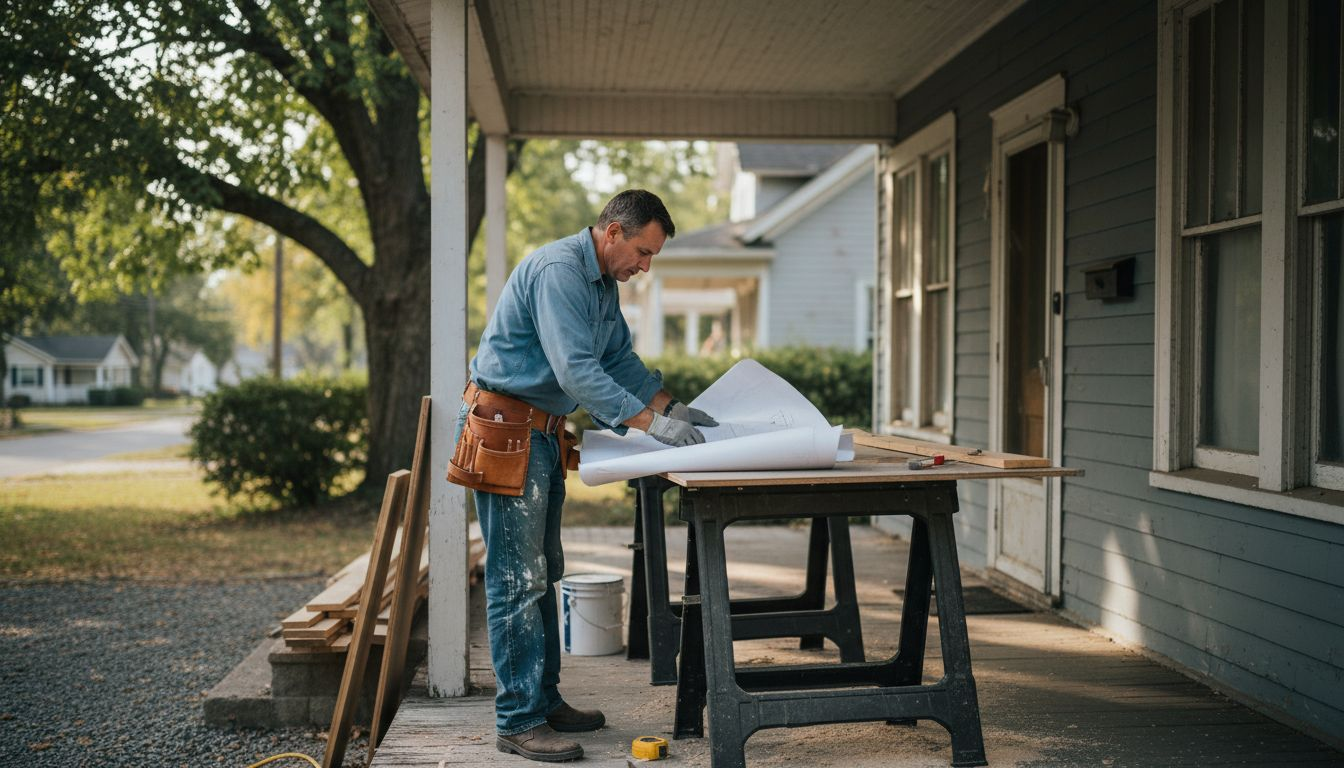
Choosing the right contractor for your Moncton renovation goes beyond skill or a friendly referral. With a certified professional, you get more than promises—you gain third-party verification that protects your investment and your peace of mind. Renovation certifications set the bar for quality, safety, and sustainability, showing that the work completed on your home meets established standards verified by independent experts. For New Brunswick homeowners, this extra layer of accountability helps your property stand strong through every season.
Table of Contents
- What Renovation Certifications Really Mean
- Types of Renovation Certifications Explained
- How Certifications Impact Project Quality
- Legal and Safety Requirements for Homeowners
- Financial Benefits and Potential Drawbacks
Key Takeaways
| Point | Details |
|---|---|
| Certification Validates Quality | Holding a renovation certification indicates that a contractor meets established standards for quality, safety, and sustainability, which enhances project outcomes. |
| Compliance with Local Codes | Certified contractors are knowledgeable about regional building regulations and ensure that renovations comply with these legal requirements. |
| Long-Term Financial Benefits | While certified renovations may have higher upfront costs, they typically result in lower operating costs and increased property value over time. |
| Specialized Certifications for Projects | Different renovation certifications target various aspects such as energy efficiency and sustainability, making it essential to align certifications with project goals. |
What Renovation Certifications Really Mean
Renovation certifications aren’t just pieces of paper to frame and hang on your office wall. They represent a standardized framework that verifies your home improvement project meets specific performance standards. When a contractor holds a certification, it means they’ve been independently assessed and proven to follow established protocols for quality, safety, and sustainability. Think of it like the difference between someone claiming they can fix your roof and someone who has passed rigorous testing to prove it. For Moncton homeowners, this distinction matters because it directly impacts the durability, efficiency, and value of your property after the work is completed.
At their core, certifications serve as third-party verification that construction and renovation work adheres to defined criteria. These certifications cover critical areas like energy savings, water efficiency, material selection, and indoor environmental quality. For instance, sustainable building standards and certification systems encompass multiple stages including construction, occupancy, and renovation itself, ensuring that resource efficiency and health standards are maintained throughout the project lifecycle. This means a certified contractor isn’t just following guidelines they heard about from someone else. They’re demonstrating compliance with documented, measurable requirements that have been verified by independent auditors. In Moncton’s climate and housing market, this accountability becomes especially valuable when managing renovations that need to withstand our maritime weather conditions.
Certifications also evolve to address regional priorities and emerging best practices. A contractor certified in 2020 may have renewed their credentials since then, incorporating new techniques and standards that have developed. This dynamic nature means certified professionals stay current with industry changes rather than relying on outdated methods. When you hire a certified contractor for your deck, roofing, flooring, or major renovation project, you’re getting someone who understands current building codes, energy efficiency standards, and safety protocols specific to your area. The certification acts as an ongoing signal that they’re committed to professional development and quality assurance. For homeowners in New Brunswick, this consistency and accountability create confidence that your investment will be protected and your renovation will meet both local codes and modern standards.
Pro tip: Ask potential contractors not just whether they hold certifications, but when they last renewed them and which specific standards they maintain. Current certifications indicate active commitment to staying current with industry standards and best practices.
Types of Renovation Certifications Explained
Renovation certifications come in different flavors, each designed to verify specific aspects of your home improvement project. You won’t find a one-size-fits-all certification because renovations vary widely in scope and goals. Some certifications focus heavily on environmental sustainability, while others emphasize energy efficiency, material quality, or health standards. Understanding these different types helps you identify which certifications matter most for your specific project in Moncton. A kitchen renovation has different certification priorities than a complete home energy retrofit or a deck build, so knowing the landscape helps you make informed decisions about which contractor qualifications to prioritize.
International certification systems like BREEAM, LEED, and Green Globes each approach renovation assessment differently. LEED focuses on sustainable building practices and environmental responsibility, while BREEAM evaluates environmental performance across multiple categories. Green Globes offers a more flexible certification process tailored to regional needs. Beyond these widely recognized systems, region-specific certifications like the Green Building Initiative address local building codes, climate considerations, and sustainability priorities specific to areas like Atlantic Canada. For homeowners in New Brunswick, certifications that account for maritime climate conditions and local building standards become particularly valuable. Some certifications target whole-building assessments, examining your entire home’s performance, while others focus on specific components like roofing materials, insulation quality, or plumbing systems. This specialization means a contractor might hold multiple certifications addressing different aspects of your renovation.
The scope and intensity of your renovation project should guide which certifications matter most. Common certification systems align with renovation strategies ranging from minor repairs and maintenance to comprehensive retrofitting and deep energy renovations. If you’re planning a minor kitchen update, you might focus on contractors with material quality certifications. But if you’re pursuing significant energy efficiency improvements across your home, energy-focused certifications become critical. The complexity of your project, your sustainability goals, and local compliance requirements all factor into which certifications actually protect your investment. When evaluating contractors for your specific renovation, ask about certifications directly aligned with your project type rather than collecting contractors who hold every possible credential.
Here’s a quick comparison of major renovation certification systems relevant to Moncton homeowners:
| Certification System | Key Focus Areas | Regional Adaptability |
|---|---|---|
| LEED | Energy, water, materials, indoor air quality | Widely recognized, adapted locally |
| BREEAM | Environmental performance, design, management | International, flexible categories |
| Green Globes | Sustainability, regional priorities | Highly adaptable to local codes |
| GBI (Green Building Initiative) | Local climate, building standards | Customized for Atlantic Canada |
Pro tip: Match certifications to your project type by making a list of your renovation goals, then ask contractors which specific certifications prove their expertise in those areas. A contractor certified in sustainable materials matters for your deck project, while energy efficiency certifications prove competency for whole-home retrofits.
How Certifications Impact Project Quality
Certifications create a measurable difference in how your renovation actually gets executed. When a contractor holds a legitimate certification, it means they’ve committed to following standardized procedures that have been proven to produce better results. This isn’t theoretical stuff. Certified professionals apply rigorous standards throughout the project, which translates directly into better workmanship, safer installations, and outcomes that last longer. For Moncton homeowners, this difference shows up in roofing that withstands our coastal weather, flooring that holds up to real family traffic, or decking that stays solid through temperature swings. The quality impact starts before work even begins because certified contractors bring structured knowledge about best practices specific to your project type.
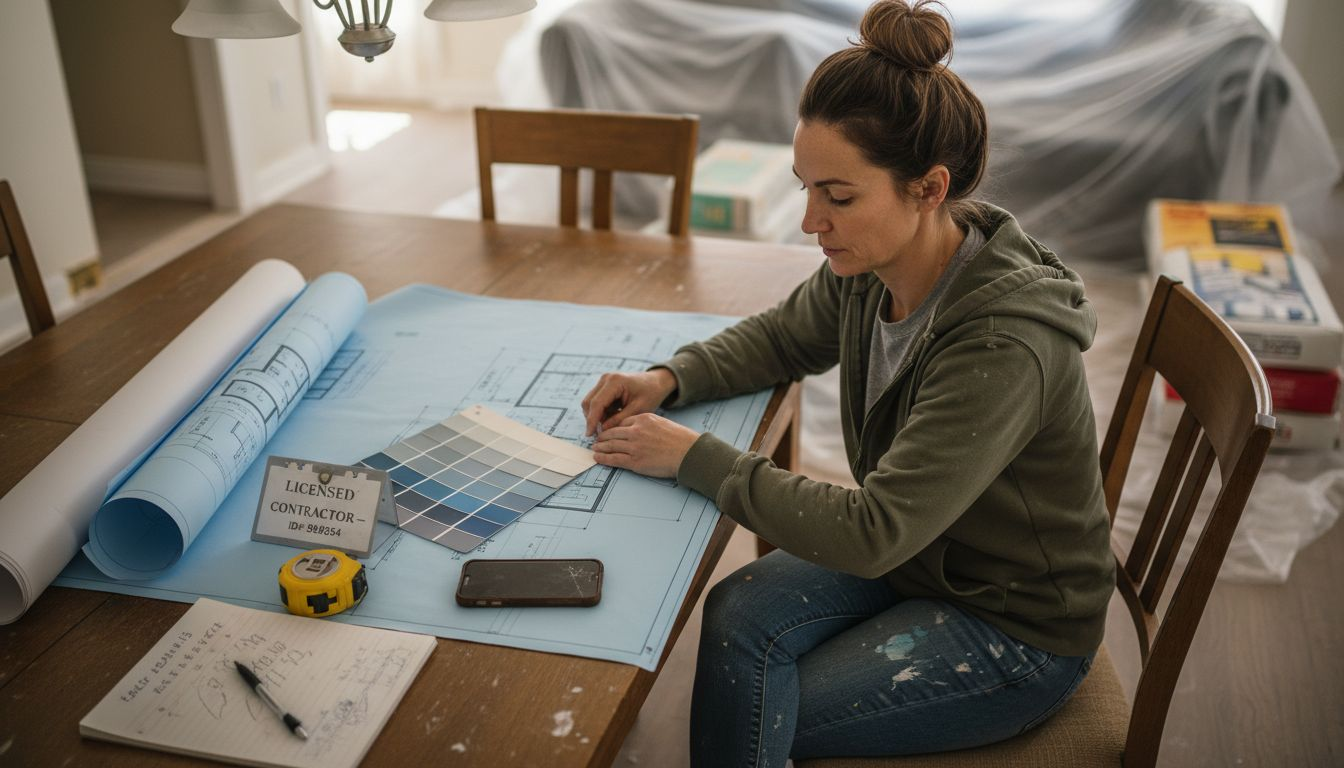
One of the most tangible ways certifications improve quality is through reduced errors and increased compliance. Professional certifications validate specialized knowledge and adherence to best practices, which means certified contractors understand safety codes, building regulations, and performance standards that uncertified workers might miss or ignore. When your roofing contractor is certified, they know the specific wind load requirements for Atlantic Canada. When your flooring contractor holds material certifications, they understand moisture management critical to Moncton’s humid climate. This specialized knowledge prevents costly mistakes that could compromise your home’s integrity or safety. Certified professionals also maintain accountability through ongoing compliance monitoring and documentation, which means there’s a paper trail proving work was done correctly rather than just hoping it was.
The long-term value of hiring certified contractors extends beyond the initial project completion. A certified workforce brings consistency and enforces compliance with legal and safety standards, which improves occupant health and measurable project delivery success. This consistency matters because your renovation becomes a reliable asset rather than a potential liability. A certified contractor’s work is more likely to pass inspections on the first attempt, maintain warranties properly, and hold up over years of use. For homeowners in New Brunswick, this reliability creates confidence that your investment is protected. When you eventually sell your home, work completed by certified contractors often commands more buyer confidence and potentially higher property value because the documentation proves quality standards were followed.
Pro tip: Request copies of current certifications from any contractor you’re considering, then verify those certifications through the issuing organizations. This simple step ensures the credentials are current and legitimate, not exaggerated or outdated.
Legal and Safety Requirements for Homeowners
Renovation projects in Moncton aren’t just about aesthetics or personal preference. There are real legal requirements you need to follow, and ignoring them can create serious problems down the road. Building codes, permits, inspections, and zoning regulations exist to protect your safety, your neighbors’ safety, and the structural integrity of your home. Many homeowners underestimate how much these legal frameworks actually matter until they hit a snag during a project or try to sell their home later. Understanding what’s legally required helps you avoid fines, forced corrections, or complications with insurance claims if something goes wrong.
Every renovation project in New Brunswick requires compliance with building codes and safety standards that mandate structural integrity, energy efficiency, accessibility, and occupant safety. These codes aren’t suggestions. They’re legally adopted at provincial and municipal levels, with inspectors authorized to verify that work meets these standards. For structural changes, additions, or major renovations, you typically need permits before work begins. The permit process involves submitting plans, getting approval, and scheduling inspections at specific stages of the project. This might feel bureaucratic, but it serves a practical purpose. An inspector checking your electrical work, plumbing installation, or roof framing catches potential hazards that could cost you thousands later or endanger your family. When hiring contractors, certified professionals understand these code requirements and build them into their project plans automatically.
Local regulations vary depending on your specific location within Moncton and New Brunswick, but the core requirement remains consistent. You must obtain proper permits for structural changes, follow building and environmental codes, and comply with zoning regulations. Inspections ensure your renovation aligns with approved plans. Failure to follow these legal requirements can result in fines, forced corrections that are far more expensive than doing it right the first time, or problems when selling your home because the work isn’t officially documented. This is where certifications matter significantly. Certified contractors have expertise in local building codes and know exactly which permits you need, which inspections to schedule, and how to keep your project compliant throughout. They handle the coordination with local authorities so you don’t have to navigate the bureaucracy alone.
Pro tip: Before hiring any contractor, ask them which permits your specific project requires and request they handle the permit process with the local authority. This ensures your renovation is properly documented and legally compliant from start to finish.
Financial Benefits and Potential Drawbacks
Hiring certified contractors and pursuing certified renovations can deliver real financial benefits, but you need to understand the full picture before committing. The upfront costs are often higher when you work with certified professionals who follow rigorous standards and obtain proper permits. However, those initial expenses frequently pay dividends through reduced operating costs, improved energy efficiency, and higher property values down the road. For Moncton homeowners, this financial equation matters significantly because you’re making a long-term investment in your property. Understanding both the benefits and the drawbacks helps you make informed decisions about where to invest your renovation budget.
The financial case for certified renovations strengthens considerably when you look beyond initial costs. Building renovations with certification offer lower operational costs and reduced carbon emissions compared to alternatives, plus an extended building lifespan that translates into long-term savings. A certified energy-efficient renovation might cost more upfront, but lower heating and cooling bills accumulate savings year after year. A properly certified roofing installation costs more initially but lasts significantly longer, delaying expensive replacement costs. Certified flooring or deck work holds its value better and requires less maintenance over time. Additionally, homes with documented certified renovations often command higher resale prices because buyers recognize the quality assurance and longevity. Life-cycle cost analyses consistently show that certified renovations present more cost-effective investments when you factor in the total ownership period.
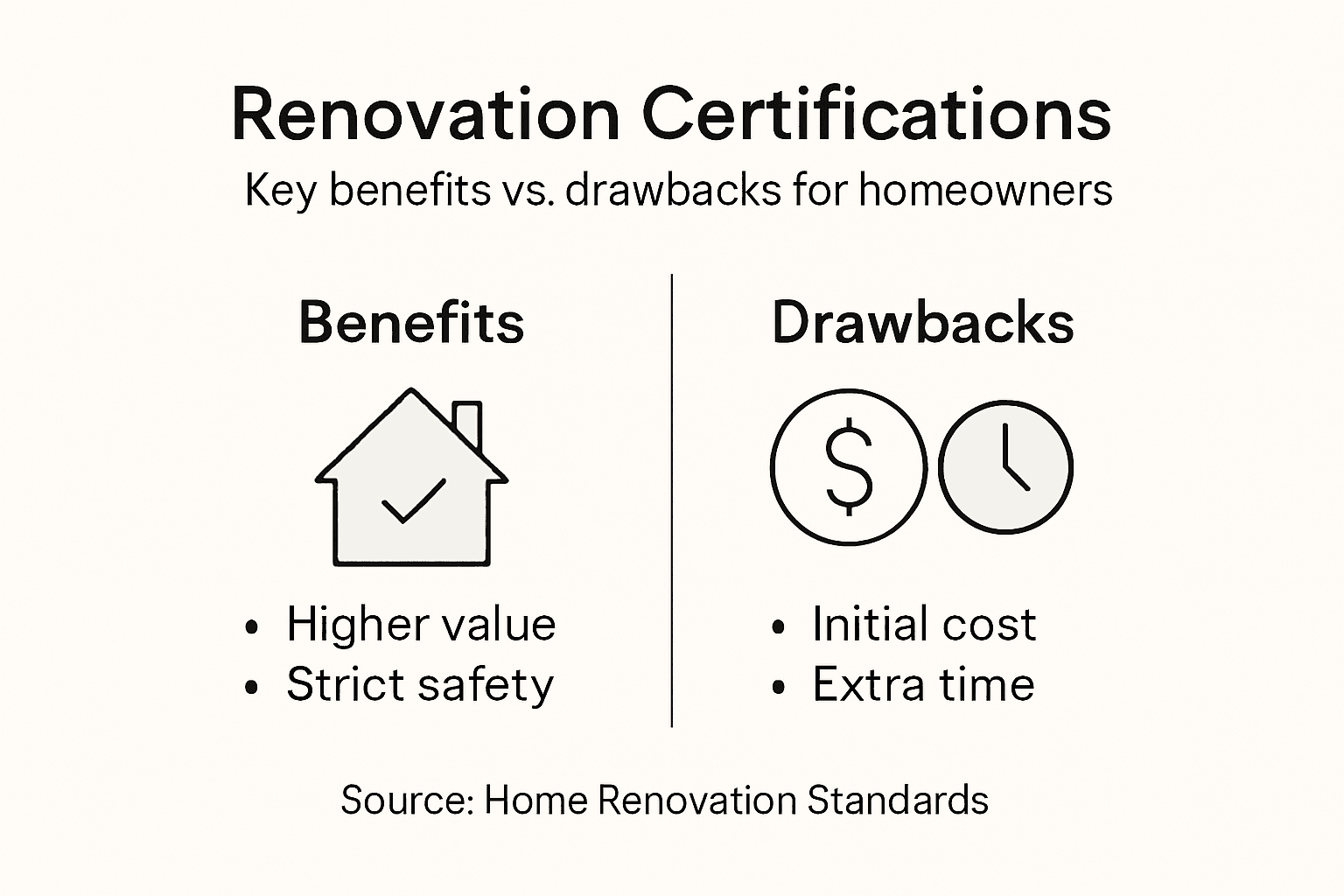
The drawback side deserves equal attention. Initial certification and renovation expenses can be substantial, and without careful planning, costs can spiral beyond your budget. Renovation certifications may increase property value and enable access to subsidies, yet the upfront investment remains significant. Not every renovation project justifies certification costs. A minor cosmetic update might not benefit from full certification frameworks, whereas major structural work or energy retrofits usually does. Regional policies and available subsidies vary significantly, so what makes financial sense in one area might not in another. The key is honest assessment of your specific project, your timeline, and your long-term ownership plans. If you’re planning to sell within two years, certification benefits might not justify the costs. But if you’re staying in your home for ten years or more, certified work typically delivers measurable financial returns.
Below is a summary of potential financial impacts when hiring certified renovation contractors:
| Financial Aspect | Certified Renovations | Non-Certified Renovations |
|---|---|---|
| Upfront Cost | Higher due to compliance | Lower, less documentation |
| Operating Savings | Significant over time | Limited or inconsistent |
| Resale Value | Often increased by quality | Uncertain or lesser boost |
| Maintenance Needs | Lower, structured upkeep | Higher, risk of failures |
Pro tip: Request itemized cost breakdowns from certified contractors showing both the certification costs and the long-term savings projections specific to your project type, allowing you to calculate your actual return on investment.
Ensure Your Renovation Stands the Test of Time with Certified Experts
Understanding the importance of renovation certifications can save you from costly mistakes and legal hassles. If you want peace of mind knowing your home upgrades meet all safety, quality, and energy efficiency standards in Moncton, trust professionals who hold current and relevant certifications for your specific project. Whether it is roofing, flooring, decks, or a full home renovation, certified contractors bring the expertise and accountability needed for lasting results.
Discover how working with certified specialists at J. A. Kelly Contracting Services can protect your investment and ensure compliance with local codes. Visit our Home Renovation Archives to explore quality renovation solutions or browse our Roofing Archives for trusted roofing services. Don’t wait until problems arise. Take the first step now by contacting us at https://jakellycontractingservices.ca to schedule your free estimate and secure the certified renovation expertise your home deserves.
Frequently Asked Questions
What are renovation certifications?
Renovation certifications are independent verifications that confirm a home improvement project meets specific performance standards related to quality, safety, and sustainability.
Why should I hire a certified contractor for my renovation project?
Hiring a certified contractor ensures that they follow established protocols and have been assessed for their knowledge of current building codes and best practices, leading to better workmanship and a more reliable renovation.
How do certifications impact the quality of my renovation?
Certifications help reduce errors, increase compliance with building codes, and lead to higher-quality outcomes, as certified contractors are trained to adhere to proven standards throughout the project.
Are certified renovations worth the higher upfront costs?
While certified renovations may have higher upfront costs due to rigorous standards and processes, they can lead to lower operating costs, reduced maintenance, and potentially higher resale values in the long run.
Recommended
- Why Choose Certified Contractors: Benefits for Homeowners – J. A. Kelly Contracting Services
- Why Use Certified Contractors for Home Projects – J. A. Kelly Contracting Services
- Why Hire Certified Contractors for Home Projects – J. A. Kelly Contracting Services
- Role of Roofing Certifications – Why Homeowners Benefit – J. A. Kelly Contracting Services
- Gebäudeaudit
- Removals Process Explained: A Complete Guide for UK Moves 2025 | Schott Removals