


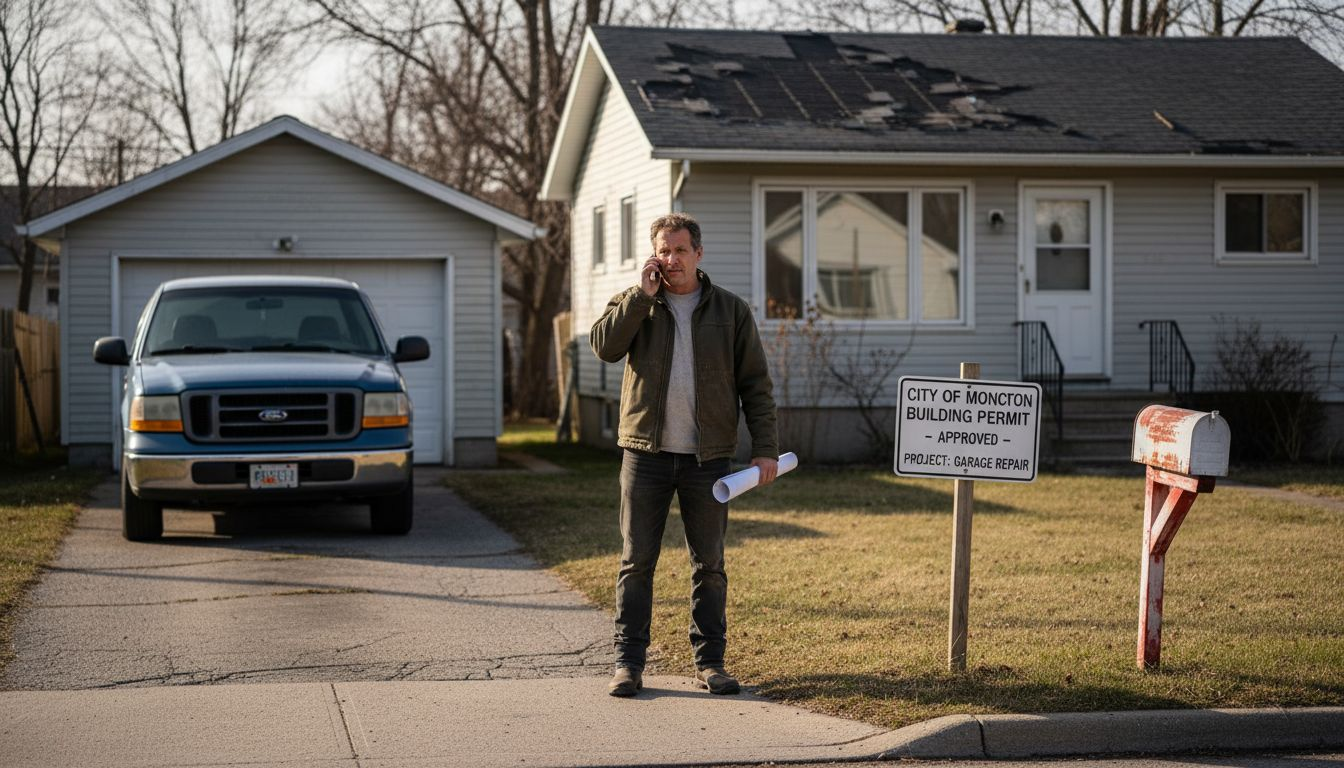
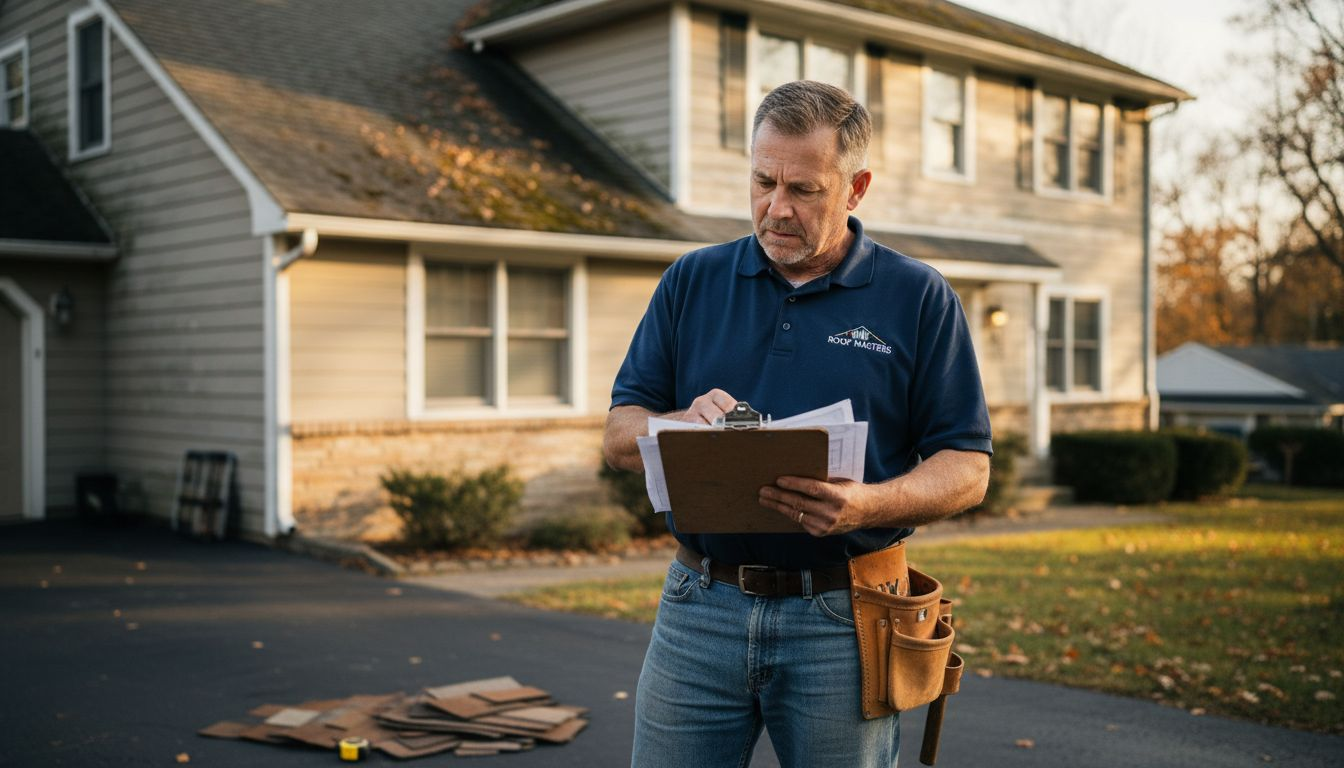

Weather in Moncton can be tough on your roof, leaving homeowners facing big decisions when wear and leaks appear. Replacing your roof is a significant investment, and understanding the costs, options, and financing strategies makes the process less stressful. This guide helps you evaluate your roof’s condition, compare material choices, and explore practical budgeting and funding solutions tailored for Canadian homeowners who want confidence alongside a new roof.
Table of Contents
- Step 1: Assess Your Roofing Needs
- Step 2: Estimate Your Roof Replacement Costs
- Step 3: Identify Potential Financing Options
- Step 4: Plan For Unexpected Expenses
- Step 5: Review Your Budget And Confirm Readiness
Quick Summary
| Important Insight | Explanation |
|---|---|
| 1. Assess Roof Condition Thoroughly | Conduct a visual inspection and consider a professional assessment to identify hidden issues needing repair or replacement. |
| 2. Estimate Replacement Costs Accurately | Understand that costs vary based on materials, roof size, and labor rates; obtain multiple contractor quotes for competitiveness. |
| 3. Explore Financing Options | Familiarize yourself with government loans and other financing methods to align your budget with roof replacement costs. |
| 4. Prepare for Unexpected Expenses | Set aside an emergency fund of 10-20% above estimates to cover unforeseen repairs during the project. |
| 5. Review Overall Budget and Readiness | Ensure your budget accounts for all costs, compare quotes, and confirm that financing won’t jeopardize your finances. |
Step 1: Assess Your Roofing Needs
Assessing your roofing needs is the critical first step in planning a successful roof replacement project. Understanding the current condition of your roof will help you make informed decisions about budgeting, materials, and potential repairs.
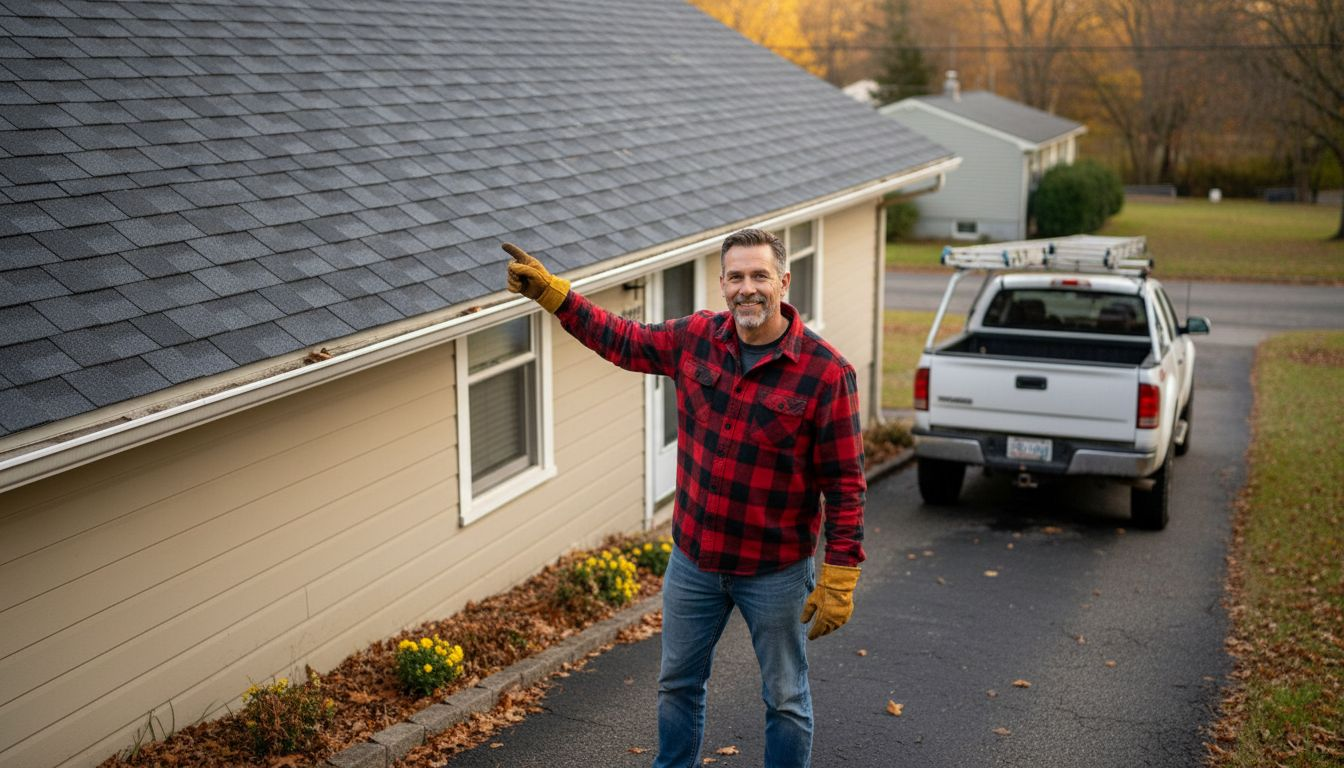
Start by conducting a thorough visual inspection of your roof, looking for clear signs of damage or wear. Professional roofing inspections can help identify issues that might not be immediately visible to the untrained eye. Key indicators that your roof needs attention include missing or cracked shingles, water stains on interior ceilings, visible sagging, or signs of moisture damage. Pay special attention to areas around chimneys, vents, and skylights where leaks commonly develop.
Consider the age of your roof as another crucial factor. Most asphalt shingle roofs have a lifespan of 20 to 25 years, so if your roof is approaching or has exceeded this timeframe, a replacement might be necessary. Look for granule loss on shingles, curling edges, or areas where sunlight appears to be penetrating through the roofing material.
Here’s a comparison of common roofing materials to guide your selection:
| Material Type | Average Lifespan | Cost Range (per sq ft) | Maintenance Needs |
|---|---|---|---|
| Asphalt Shingles | 20-25 years | $3 – $5 | Low, regular inspections |
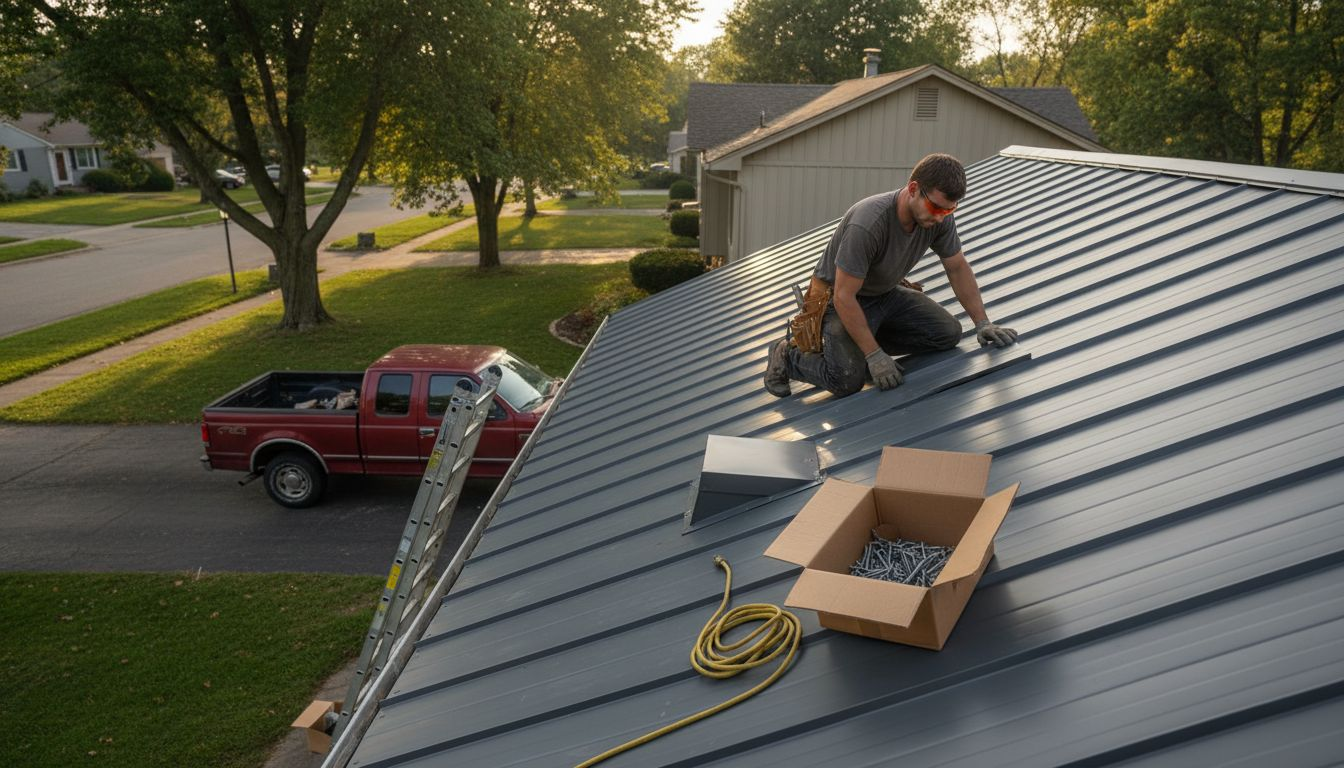
| Metal Roofing | 40-70 years | $7 – $14 | Low, periodic cleaning |
| Slate Tiles | 50-100+ years | $10 – $30 | Very low, check cracking |
| Wood Shakes | 25-30 years | $6 – $12 | Medium, resist moisture |
Pro Tip: Schedule a professional roof inspection before making any major decisions to get an expert assessment of your roof’s true condition and potential repair or replacement needs.
Step 2: Estimate Your Roof Replacement Costs
Estimating the cost of a roof replacement is a critical step in your home improvement budgeting process. Understanding the potential financial investment will help you plan effectively and avoid unexpected expenses.
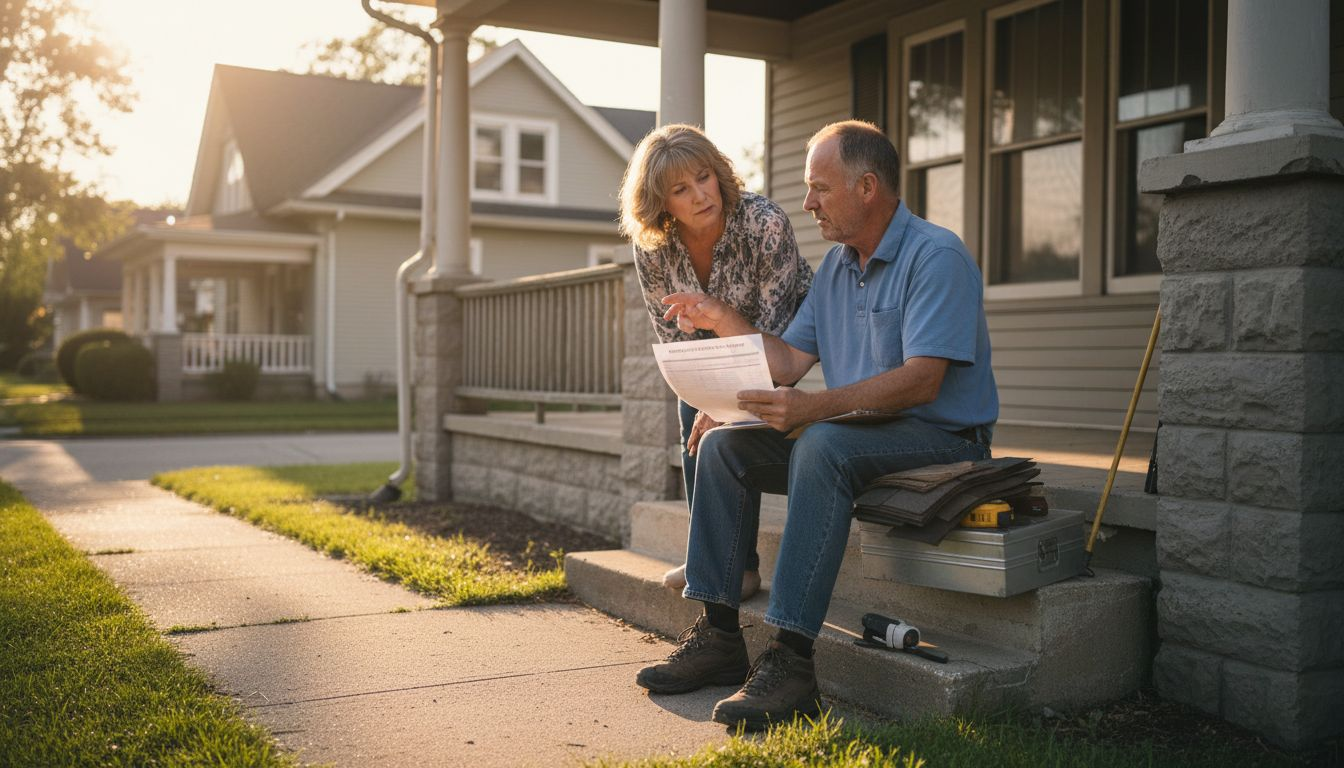
Start by recognizing that roof replacement costs vary widely depending on several key factors. The national average for a complete roof replacement typically ranges between $5,000 and $15,000, with most homeowners spending around $9,500. Your specific costs will depend on factors like roof size, pitch, material selection, local labor rates, and the complexity of the installation. Measure your roof’s square footage carefully or have a professional provide precise measurements. Asphalt shingles remain the most affordable option, while metal or slate roofing materials can significantly increase overall project expenses.
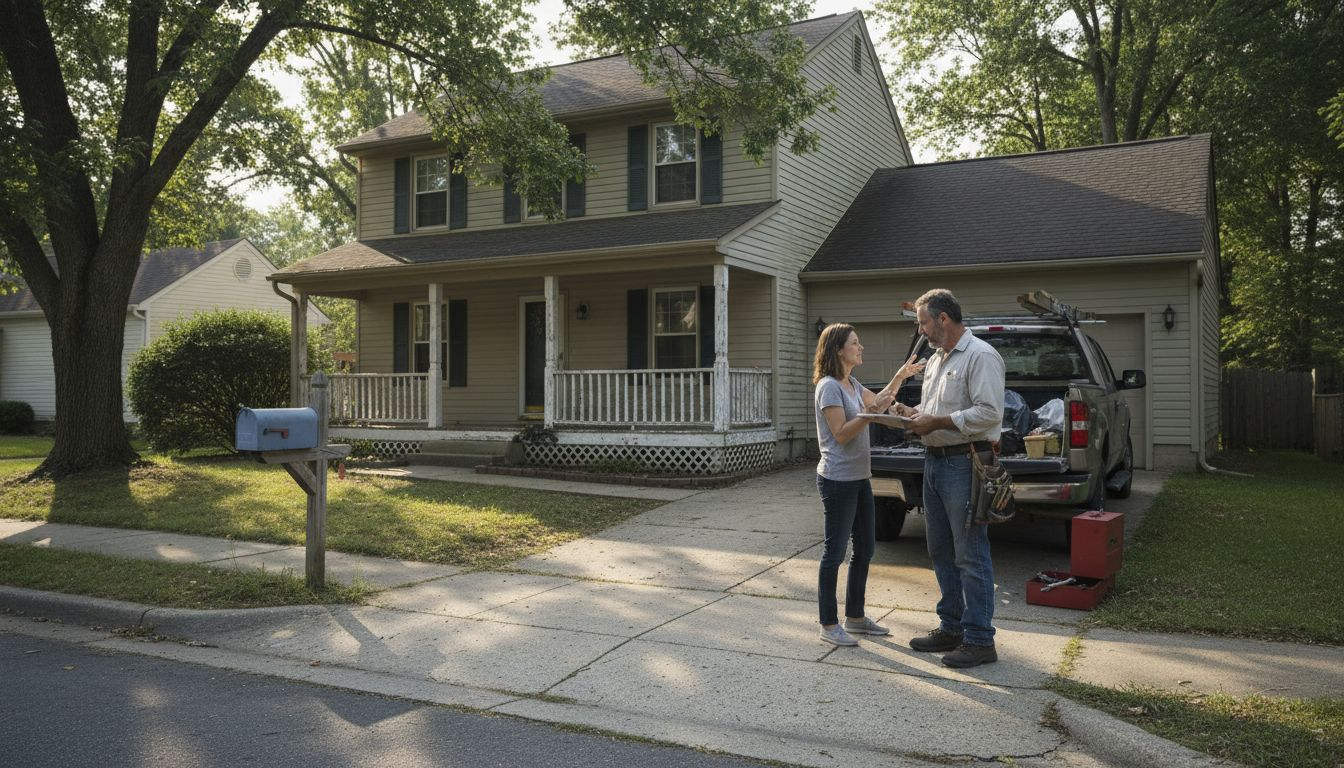
To get an accurate estimate, request quotes from multiple roofing contractors in your area. Each estimate should break down material costs, labor expenses, disposal fees, and any additional work required such as structural repairs or decking replacement. Be sure to ask about warranty coverage and potential long term value of different roofing materials. Consider not just the upfront cost, but also the expected lifespan and maintenance requirements of your chosen roofing solution.
Pro Tip: Request at least three detailed written estimates from reputable local contractors to ensure you get a comprehensive and competitive pricing overview.
Step 3: Identify Potential Financing Options
Identifying the right financing options for your roof replacement can make a significant difference in managing your home improvement budget. Understanding the various financial paths available will help you make an informed decision that aligns with your financial situation.
Government home repair loans offer valuable resources for homeowners seeking affordable financing. The U.S. Department of Housing and Urban Development provides several loan programs specifically designed to help homeowners fund critical home repairs. These options include FHA Title I Property Improvement Loans, which can be particularly helpful for roof replacement projects. Additionally, some homeowners might qualify for specialized programs like the USDA Single Family Housing Repair Loans and Grants, which target low income homeowners in rural areas and can provide low interest loans or even grant funding for essential home repairs.
Beyond government programs, explore multiple financing strategies to cover your roof replacement costs. Personal home improvement loans, home equity lines of credit, and contractor financing plans are common alternatives. Some credit unions and local banks offer specialized home repair loan products with competitive interest rates. Compare the terms carefully, paying attention to interest rates, repayment periods, and any associated fees. Consider your current credit score, available equity in your home, and long term financial goals when selecting a financing method.
Below is a reference table summarizing popular roof replacement financing options:
| Financing Option | Qualification Criteria | Typical Interest Rates | Repayment Term |
|---|---|---|---|
| FHA Title I Loan | Fair credit, property ownership | 5% – 9% | Up to 20 years |
| Home Equity Line of Credit (HELOC) | Sufficient home equity, good credit | 4% – 10% | 10-20 years |
| Personal Home Improvement Loan | Good credit, proof of income | 6% – 18% | 1-7 years |
| USDA Repair Loan or Grant | Low income, rural location | 1% (loans), grants | Up to 20 years |
| Contractor Financing | Variable, depends on contractor | Varies widely | Flexible |
Pro Tip: Check your credit report and improve your credit score before applying for financing to secure more favorable loan terms and lower interest rates.
Step 4: Plan for Unexpected Expenses
Planning for unexpected expenses is a crucial aspect of any home improvement project, especially when undertaking a significant investment like roof replacement. Understanding how to financially prepare for potential surprises will help you navigate the project with confidence and reduce potential stress.
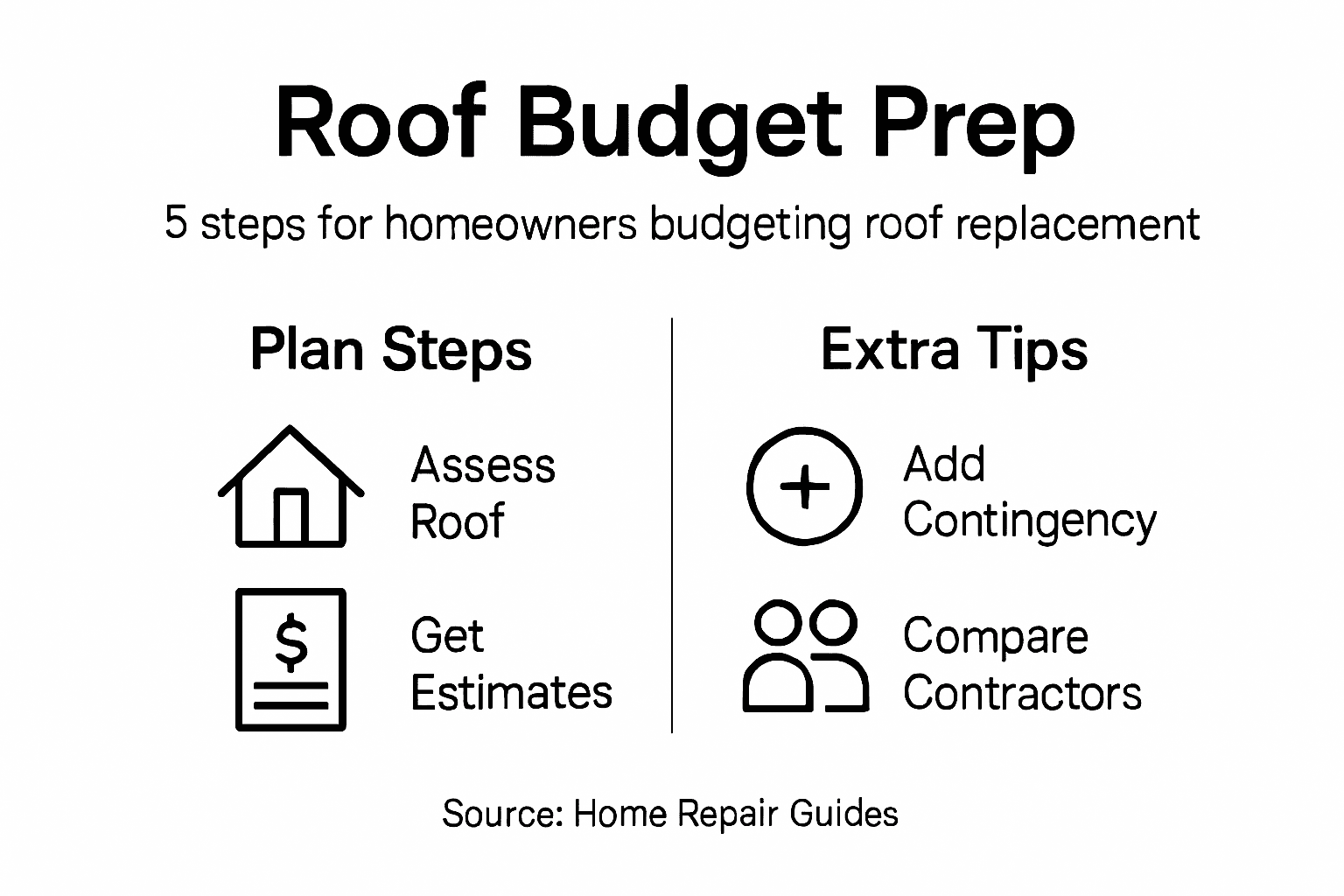
Unexpected home repair costs can quickly derail your budget if you are not prepared. Financial experts recommend creating a dedicated emergency fund specifically for potential roofing project complications. This fund should typically cover 10% to 20% above your initial project estimate to account for unforeseen structural issues, material price fluctuations, or additional repair needs discovered during the replacement process. Common unexpected expenses might include structural wood damage, insulation replacement, ventilation upgrades, or addressing hidden water damage that becomes apparent only during the roof removal.
To effectively manage potential financial surprises, develop a comprehensive contingency strategy. Review your existing homeowners insurance policy to understand what roof related damages might be covered. Consider opening a separate savings account dedicated to home maintenance, making regular contributions that can serve as a buffer against unexpected roofing project expenses. Research financing options that offer flexible terms and potentially lower interest rates for emergency home repairs. Be proactive in obtaining multiple quotes and understanding the detailed scope of work to minimize the likelihood of unexpected costs.
Pro Tip: Create a dedicated spreadsheet tracking all potential project expenses, including a separate column for contingency funds, to maintain clear financial visibility throughout your roof replacement project.
Step 5: Review Your Budget and Confirm Readiness
Reviewing your budget and confirming financial readiness are crucial final steps in preparing for a roof replacement project. This process ensures you have the necessary funds and financial flexibility to complete the project successfully without causing undue financial strain.
Detailed cost calculators can help you verify your budget accuracy and readiness. Begin by comparing your initial project estimates with your current financial resources. Take a comprehensive approach by accounting for not just the direct roofing costs, but also additional expenses such as permits, potential structural repairs, cleanup, and disposal fees. Create a comprehensive spreadsheet that breaks down all anticipated expenses, including a buffer of 10% to 15% for unexpected complications.
Evaluate your financing options and ensure you have a solid plan for covering the project costs. Review your savings, available credit lines, potential home equity options, and any financing arrangements you have explored. Consider your current income stability, other financial obligations, and long term financial goals. Confirm that the roof replacement will not compromise your overall financial health. If possible, consult with a financial advisor to validate your budget strategy and ensure you are making a sound financial decision.
Pro Tip: Request itemized quotes from multiple contractors and cross reference them against your budget to identify potential cost saving opportunities and ensure financial transparency.
Take Control of Your Roof Replacement Budget with Expert Help
Budgeting for a new roof can feel overwhelming when facing concerns like unexpected expenses and finding reliable contractors. This guide highlights key challenges such as assessing your roofing needs accurately and exploring financing options that fit your situation. At J. A. Kelly Contracting Services, we understand these pain points and are committed to helping Moncton homeowners make confident, informed decisions about their roofing projects.
Explore our specialized Roofing Archives to learn about materials, cost-saving tips, and our quality craftsmanship. Let us assist you with detailed roof inspections, transparent quotes, and financing solutions designed to reduce stress and maximize your investment. Start today by visiting our main site at https://jakellycontractingservices.ca and request your free estimate. Take the first step toward a durable, beautiful roof that protects your home for years to come.
Frequently Asked Questions
How do I assess my roofing needs before budgeting?
To assess your roofing needs, conduct a thorough visual inspection of your roof. Look for signs of damage, such as missing or cracked shingles, and consider the roof’s age; if it’s over 20 years old, a replacement may be necessary.
What should I include when estimating my roof replacement costs?
When estimating your roof replacement costs, include the size of the roof, the material choice, local labor rates, and any necessary structural repairs. Break down your estimates into material costs, labor expenses, and disposal fees for clarity.
What financing options should I consider for a new roof?
Consider various financing options such as personal loans, home equity lines of credit, or government home repair loans. Review the terms and interest rates of each option to find one that best fits your financial profile.
How can I plan for unexpected expenses during my roof replacement?
To prepare for unexpected expenses, set aside an emergency fund that covers 10% to 20% of your initial project estimate. This will help you manage unforeseen issues like structural damage or additional repair needs.
What steps should I take to confirm my budget before starting the roof replacement?
Review your budget by comparing your project estimates with your available financial resources. Create a spreadsheet detailing all anticipated expenses and add a buffer of 10% to 15% for any unplanned costs.
How can I find competitive pricing for my roof replacement project?
To find competitive pricing, request detailed written estimates from at least three local contractors. Compare their quotes to identify cost-saving opportunities and ensure financial transparency throughout the project.
Recommended
- Roofing Installation Guide: Step-By-Step for Homeowners – J. A. Kelly Contracting Services
- What Is a Roofing Estimate? Complete Breakdown – J. A. Kelly Contracting Services
- Roof Repair Guide: Step-by-Step Fixes for Homeowners – J. A. Kelly Contracting Services
- Roofing Financing Options Explained: Complete Guide – J. A. Kelly Contracting Services
- Gutter Cleaning Service New Barn – Houses – Blocks of flats