


Planning a home renovation in Moncton can quickly become overwhelming without a clear schedule to guide each step. Many homeowners struggle to balance project goals, contractor availability, and budgets while dealing with inevitable surprises during construction. A well-defined renovation timeline breaks the process into distinct project stages, helping you anticipate costs, organize schedules, and navigate decisions with confidence. Understanding this roadmap ensures your project stays on track while minimizing stress throughout your home transformation.
Table of Contents
- Defining A Renovation Timeline For Homeowners
- Key Stages In A Typical Renovation Timeline
- Common Timeline Types And Influencing Factors
- Homeowner Roles And Responsibilities Explained
- Major Risks, Delays, And Cost Implications
Key Takeaways
| Point | Details |
|---|---|
| Establish a Clear Renovation Timeline | A structured timeline helps manage project complexities and allocate resources effectively. |
| Incorporate Flexibility | Build in buffer periods for unexpected challenges to maintain project momentum. |
| Understand Homeowner Responsibilities | Active participation, clear communication, and timely decision-making are vital for project success. |
| Mitigate Risks Proactively | Develop contingency budgets and maintain organized documentation to handle potential project complications. |
Defining a Renovation Timeline for Homeowners
A renovation timeline is a strategic roadmap that transforms your home improvement vision from concept to reality. By establishing a clear structured schedule for home renovations, homeowners can effectively manage project complexities, anticipate challenges, and maintain control throughout the process.
At its core, a renovation timeline breaks down your project into distinct phases, starting with initial planning and extending through design, permitting, construction, and final completion. Understanding these stages helps you allocate resources, set realistic expectations, and minimize potential disruptions. Successful timelines account for critical elements like contractor availability, material procurement, permit approvals, and potential structural modifications that might emerge during renovation.
The most effective renovation timelines incorporate flexibility and contingency planning. They recognize that home improvement projects rarely proceed exactly as initially planned. By building buffer periods between major milestones and maintaining open communication with contractors, you can navigate unexpected challenges without derailing your entire project. Comprehensive renovation planning involves anticipating potential issues, understanding project scope, and maintaining a realistic budget throughout the process.
Pro tip: Create a digital or physical project binder to track all renovation timeline documents, including contracts, permits, design plans, and communication logs to maintain organization and accountability.
Key Stages in a Typical Renovation Timeline
A comprehensive renovation timeline follows a systematic progression through distinct project stages, each critical to transforming your home improvement vision into reality. These stages are not just sequential steps but interconnected phases that require careful planning, coordination, and strategic decision-making.
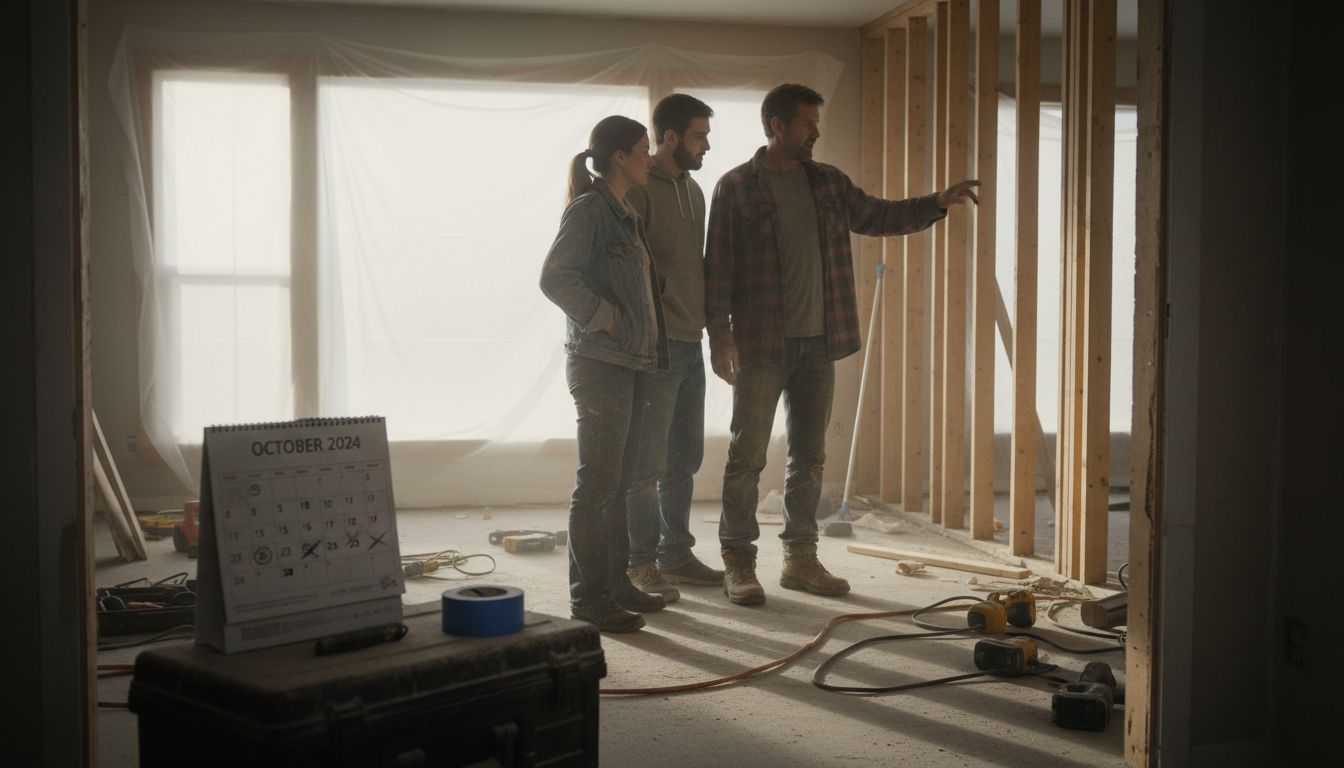
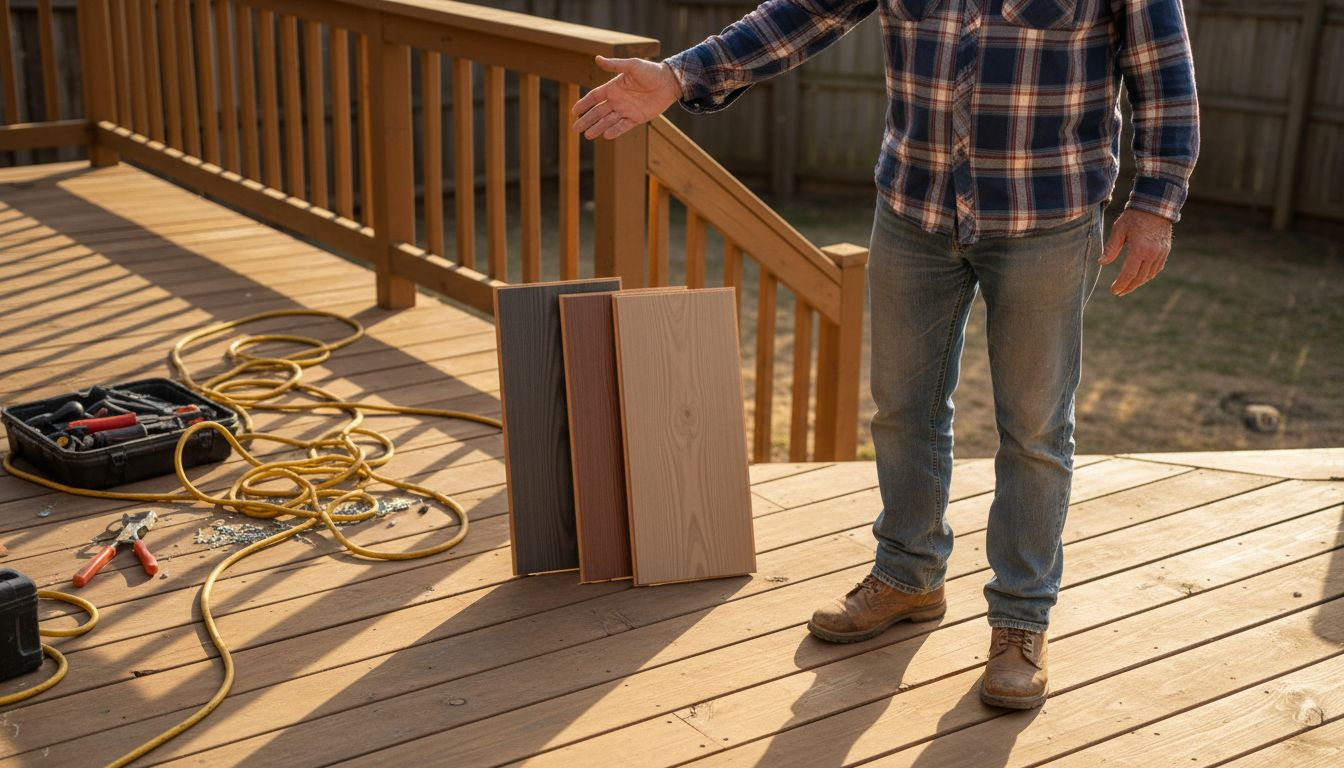
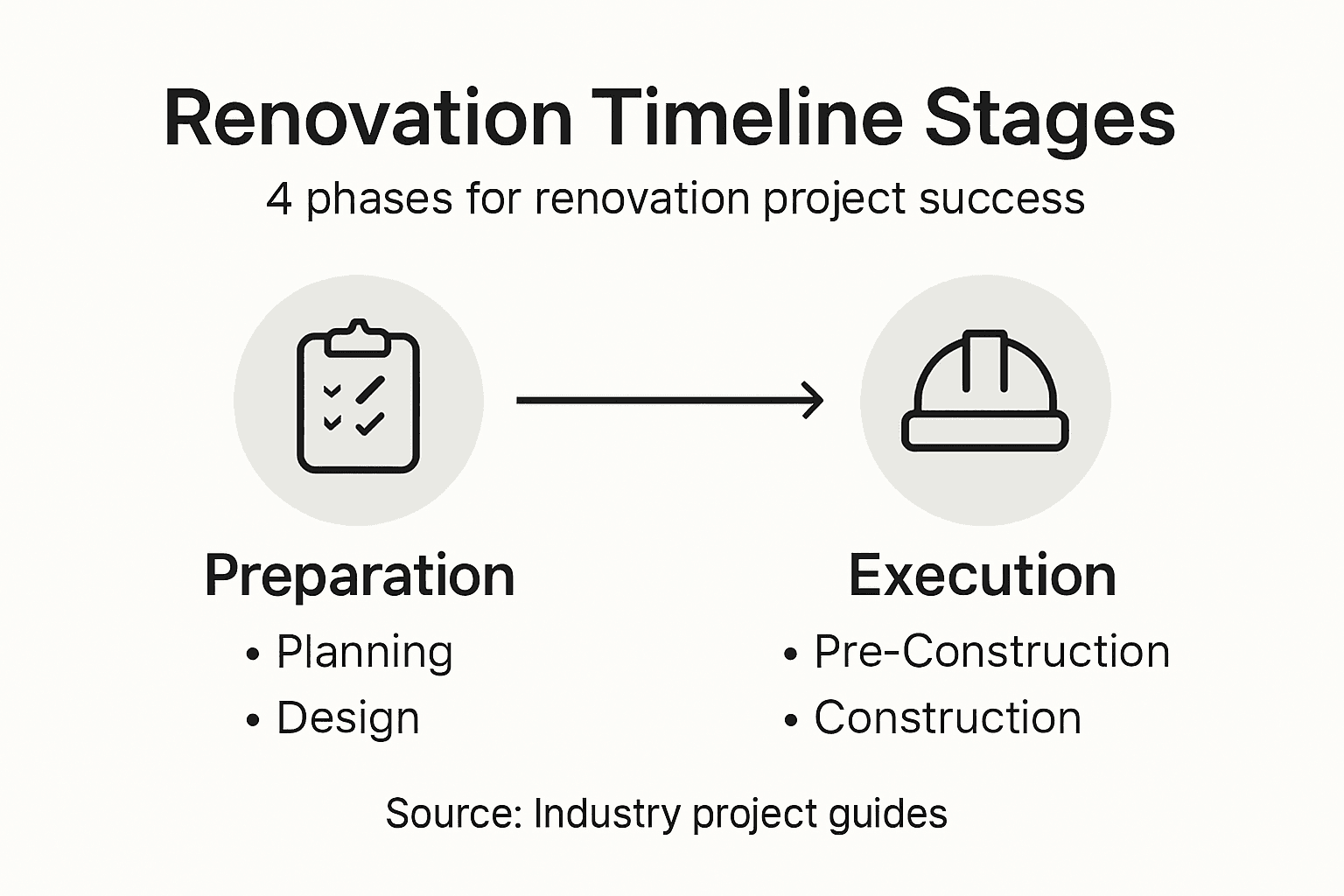
Typically, a renovation timeline encompasses four primary stages: planning, design, pre-construction, and construction. In the planning stage, homeowners define project goals, establish budgets, and outline overall expectations. The design phase translates these initial concepts into detailed architectural plans and visual representations. Pre-construction involves critical groundwork like obtaining necessary permits, selecting contractors, and finalizing material selections. The construction stage represents the actual physical transformation, where demolition, structural work, installations, and finishing touches bring the planned vision to life.
Each stage of the renovation timeline demands specific attention and expertise. The architectural design coordination requires collaborative communication between homeowners, architects, and contractors to ensure alignment with original project objectives. Successful renovations recognize that flexibility is crucial, as unexpected challenges can emerge during any phase. Building buffer periods, maintaining open communication, and having contingency plans help navigate potential disruptions and keep the project moving forward smoothly.
Pro tip: Develop a digital project management spreadsheet to track milestones, expenses, and communication logs across all renovation stages, enabling real-time progress monitoring and comprehensive documentation.
Here’s a summary of the main stages in a typical home renovation timeline and what each stage involves:
| Stage | Key Activities | Main Decision-Makers | Typical Duration |
|---|---|---|---|
| Planning | Define goals, set budget | Homeowner | 1-2 weeks |
| Design | Create plans, select finishes | Architect & Homeowner | 2-6 weeks |
| Pre-construction | Permits, hire contractors | Contractor & Homeowner | 2-4 weeks |
| Construction | Demolition, building, finishing | Contractor & Trade Partners | 1-12+ weeks |
Common Timeline Types and Influencing Factors
Home renovation timelines are not one-size-fits-all, but instead reflect the unique characteristics of each project’s scope, complexity, and specific requirements. Renovation project timelines vary dramatically based on multiple interconnected factors that can significantly impact the overall duration and success of the home improvement process.
Different types of renovation projects demand distinct timeline approaches. Minor updates like painting or replacing flooring might require just a few weeks, while comprehensive remodels involving structural changes, kitchen or bathroom overhauls, or whole-home renovations could span several months. Critical influencing factors include project complexity, square footage being renovated, structural modifications needed, material availability, contractor scheduling, permit acquisition processes, and potential unexpected complications discovered during demolition or construction stages.
Professional contractors typically categorize renovation timelines into three primary classifications: quick refresh projects (1-4 weeks), moderate renovations (1-3 months), and extensive remodeling efforts (3-6 months or longer). Each classification requires progressively more intricate planning, greater financial investment, and more sophisticated coordination between homeowners, designers, and construction professionals. Unexpected challenges such as structural issues, material delays, or permit complications can extend these baseline timelines, underscoring the importance of building flexibility and contingency periods into initial project planning.
Pro tip: Create a comprehensive project timeline buffer by adding 15-25% extra time to your initial estimated project duration, allowing for unexpected complications and reducing potential stress during the renovation process.
The following table compares common renovation project types based on scope, duration, and typical risks:
| Project Type | Typical Scope | Average Timeline | Common Risks |
|---|---|---|---|
| Quick Refresh | Paint, minor upgrades | 1-4 weeks | Scheduling, overlooked detail |
| Moderate Renovation | Kitchen, bathroom remodel | 1-3 months | Material delays, permitting |
| Extensive Remodel | Whole-home, structural work | 3-6+ months | Structural surprises, costs |
Homeowner Roles and Responsibilities Explained
The landscape of home renovation has transformed dramatically, with homeowners evolving from passive observers to active, engaged participants in the renovation process. Modern homeowner roles now demand a more collaborative and proactive approach to managing home improvement projects, requiring strategic involvement and informed decision-making throughout every stage of renovation.
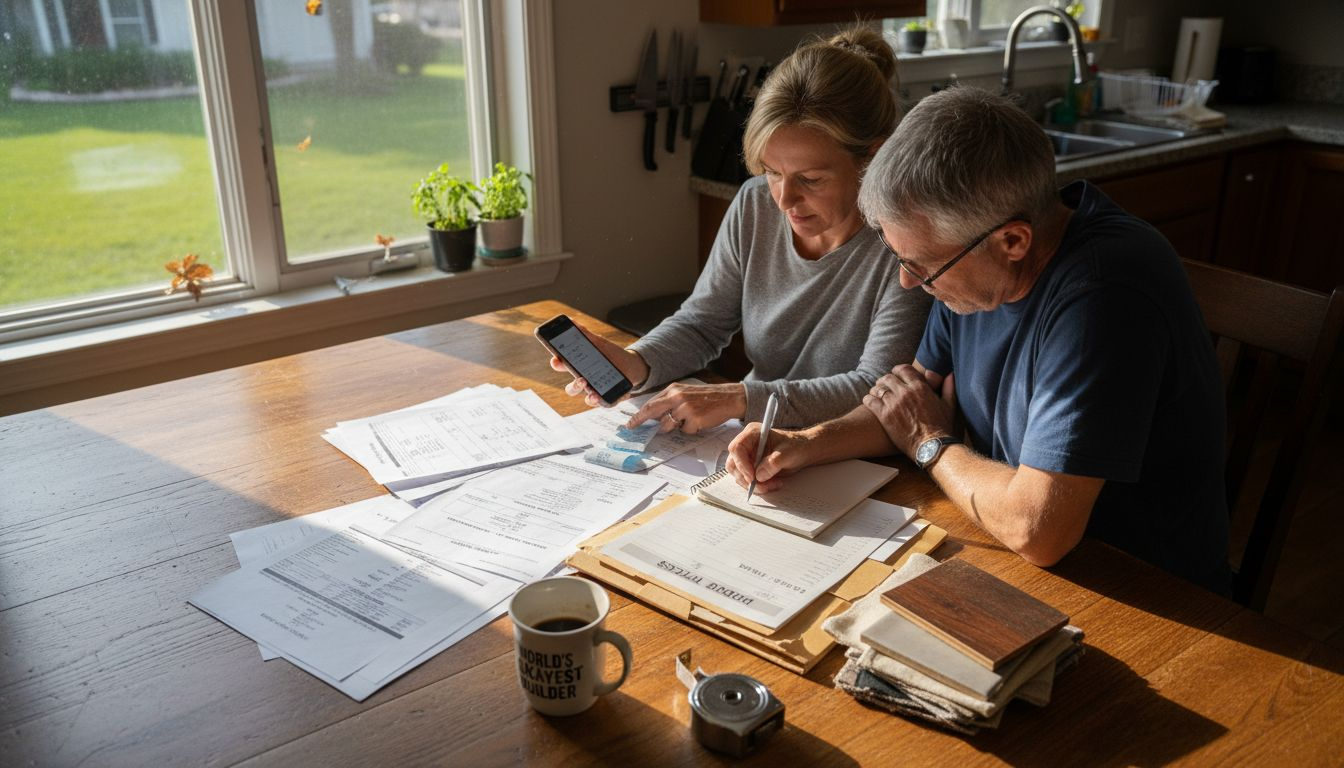
Homeowners bear significant responsibilities that extend far beyond simply hiring a contractor. These critical duties include defining clear project goals, establishing comprehensive budgets, communicating precise expectations, and making strategic decisions that align with both aesthetic desires and practical constraints. Obtaining necessary permits, ensuring site accessibility, coordinating with various professionals, and maintaining open communication channels are fundamental aspects of successful project management. Homeowners must also be prepared to make timely decisions, respond quickly to contractor inquiries, and remain flexible when unexpected challenges emerge during the renovation process.
Effective homeowner participation requires developing a comprehensive understanding of the project’s technical and logistical dimensions. Residential construction responsibilities involve verifying contractor credentials, understanding contract details, monitoring project progress, approving material selections, and ensuring compliance with local building codes and safety standards. This active engagement helps mitigate potential misunderstandings, reduces the likelihood of costly mistakes, and ultimately contributes to a smoother, more successful renovation experience.
Pro tip: Create a dedicated renovation project folder with digital and physical copies of all contracts, permits, communication logs, and design plans to maintain organized and transparent project documentation.
Major Risks, Delays, and Cost Implications
Home renovation projects are inherently complex, with numerous potential pitfalls that can dramatically impact project success. Building renovation project risks encompass a wide range of challenges that extend far beyond simple construction complications, requiring homeowners to develop comprehensive strategies for risk mitigation and financial management.
The most significant risks in home renovations typically manifest through unexpected budget overruns, timeline extensions, and structural complications. Common challenges include discovering hidden structural damage during demolition, encountering outdated building systems that require complete replacement, experiencing material price fluctuations, and navigating complex permit approval processes. Weather conditions, contractor availability, supply chain disruptions, and unforeseen technical challenges can transform what initially seemed like a straightforward project into a complex and potentially expensive undertaking. These risks can lead to substantial financial strain, with potential cost increases ranging from 10% to 30% beyond initial project estimates.
Home renovation project risks demand proactive management strategies that prioritize thorough planning, detailed communication, and financial flexibility. Homeowners must develop contingency budgets, maintain open communication channels with contractors, conduct comprehensive property assessments before beginning work, and remain adaptable when unexpected challenges emerge. Securing multiple contractor bids, understanding detailed contract terms, and maintaining a comprehensive documentation process can help mitigate potential legal and financial risks associated with complex renovation projects.
Pro tip: Establish a dedicated renovation emergency fund representing 15-20% of your total project budget to provide financial cushioning for unexpected complications and maintain project momentum.
Take Control of Your Renovation Timeline with Expert Home Renovation Services
Managing a home renovation timeline can feel overwhelming when unexpected delays and rising costs threaten your project success. This article highlights key challenges like planning uncertainties, contractor coordination, and budget risks that often cause frustration for homeowners. If you want to avoid these common pitfalls and ensure each stage of your renovation flows smoothly, expert guidance is essential. By understanding the phases from planning to construction and incorporating built-in flexibility, you can protect your investment and peace of mind.
Discover trusted local specialists ready to bring your renovation vision to life with precision and reliability. At J. A. Kelly Contracting Services, we specialize in residential renovations focused on craftsmanship and customer satisfaction. Explore our Home Renovation Archives to see how we tackle complex projects with strategic timelines. Experience confidence with our proven process that minimizes delays and controls costs. Visit our main website now to request a free estimate and take the first step toward your stress-free home transformation.
Frequently Asked Questions
What is a renovation timeline?
A renovation timeline is a structured roadmap that outlines the different phases of a home improvement project, including planning, design, pre-construction, and construction, helping homeowners manage the complexities of their renovation.
How long does a typical renovation project take?
The duration of a renovation project can vary widely based on its complexity. Quick refresh projects may take 1-4 weeks, moderate renovations can last 1-3 months, and extensive remodels might span 3-6 months or longer.
What factors can influence my renovation timeline?
Factors influencing a renovation timeline include project complexity, required structural modifications, material availability, contractor scheduling, and the permit acquisition process, as well as potential unexpected complications encountered during construction.
How can I prepare for unexpected delays in my renovation timeline?
To prepare for unexpected delays, it’s essential to build buffer periods into your timeline, maintain open communication with your contractors, and establish a contingency budget to manage any additional costs that may arise.
Recommended
- How to Plan Home Renovation: Step-by-Step Guide for Homeowners – J. A. Kelly Contracting Services
- Renovation Planning: Avoiding Costly Home Mistakes – J. A. Kelly Contracting Services
- Preparing Home for Renovation: Essential Steps for Success – J. A. Kelly Contracting Services
- Bathroom Renovation Steps for a Stunning Home Upgrade – J. A. Kelly Contracting Services
- Hirsirakenteen toimitusaikataulu: Näin varmistat sujuvan projektin – Huvila Seppälä