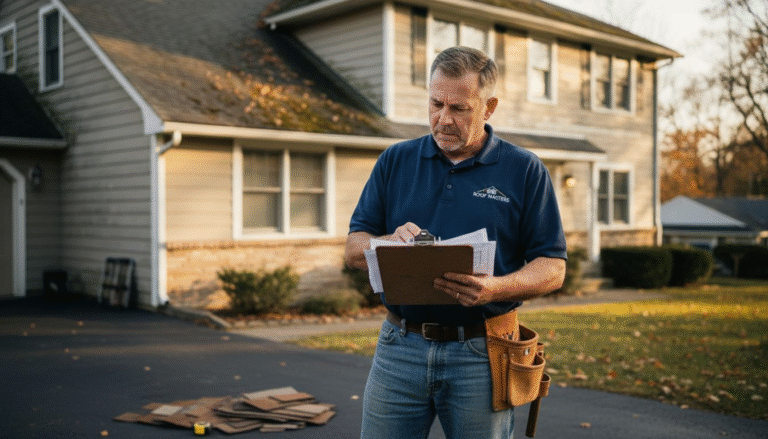

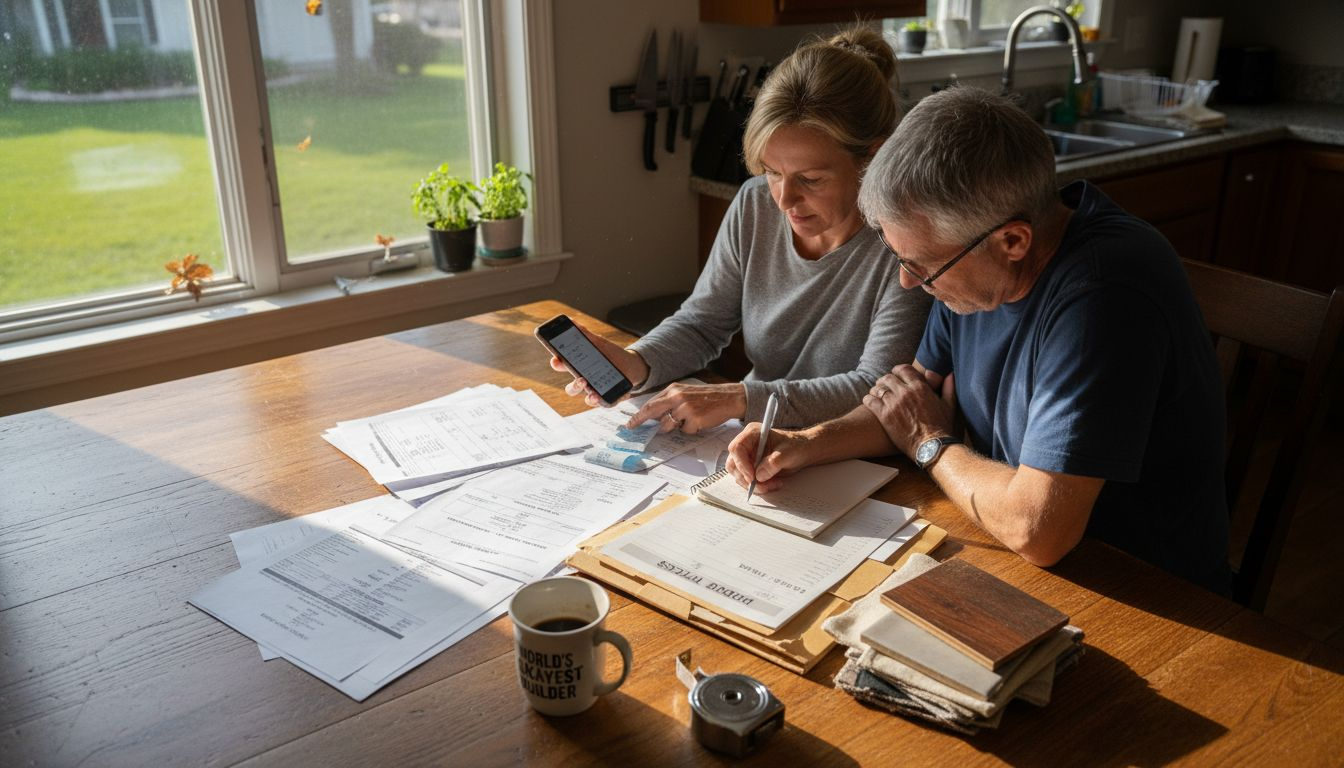
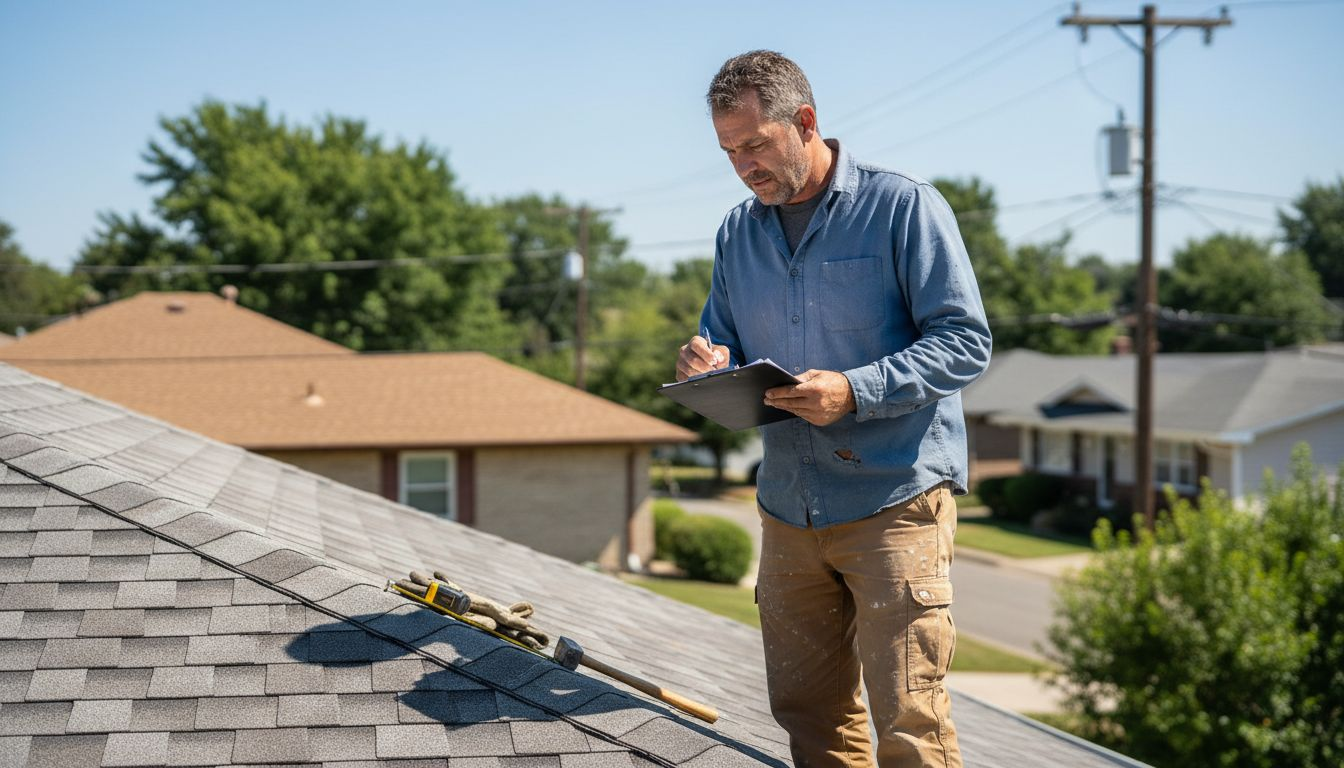
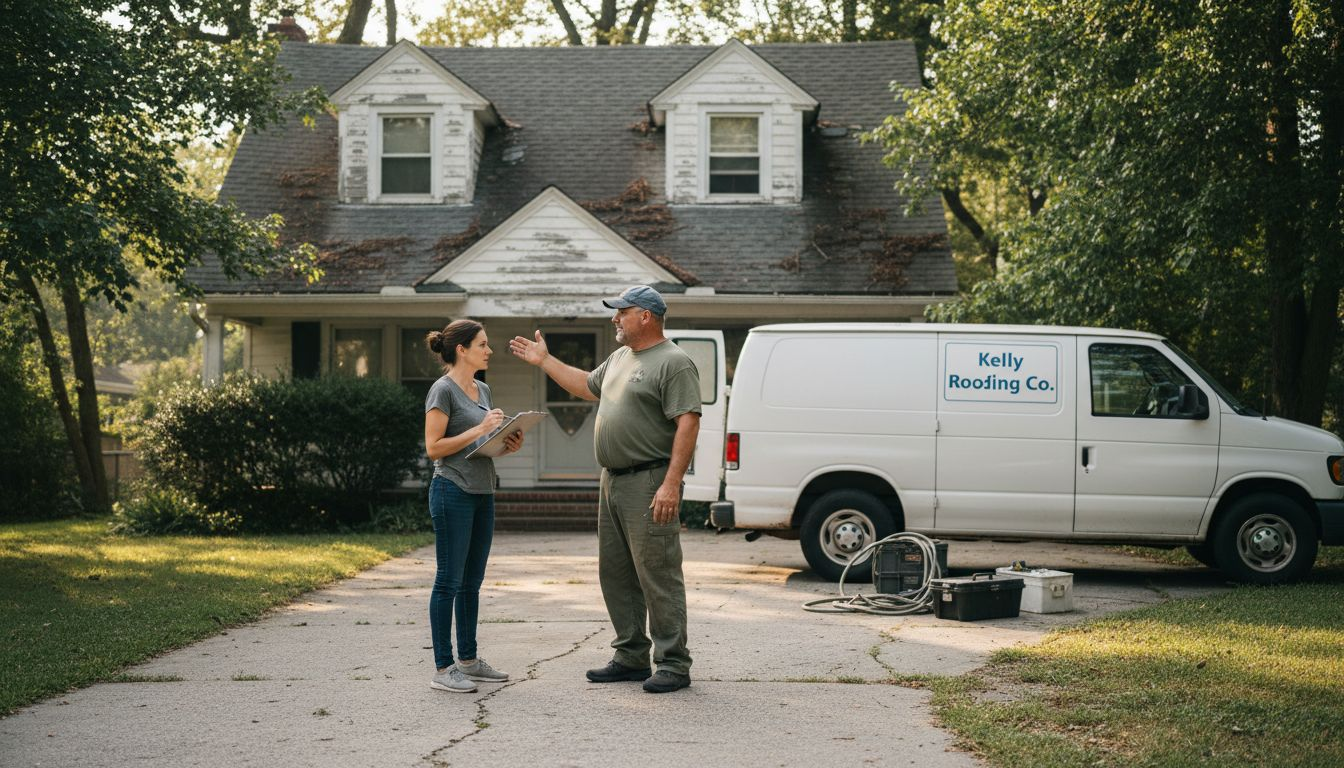
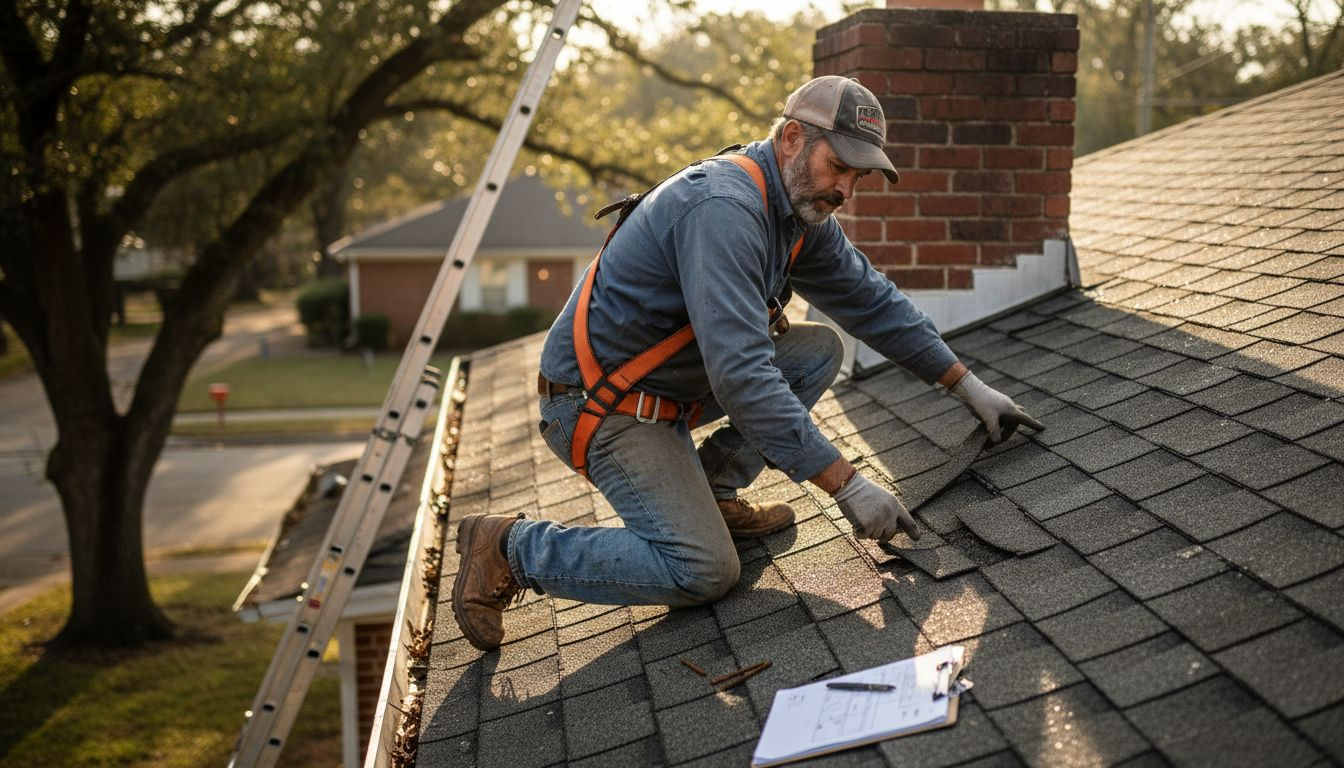
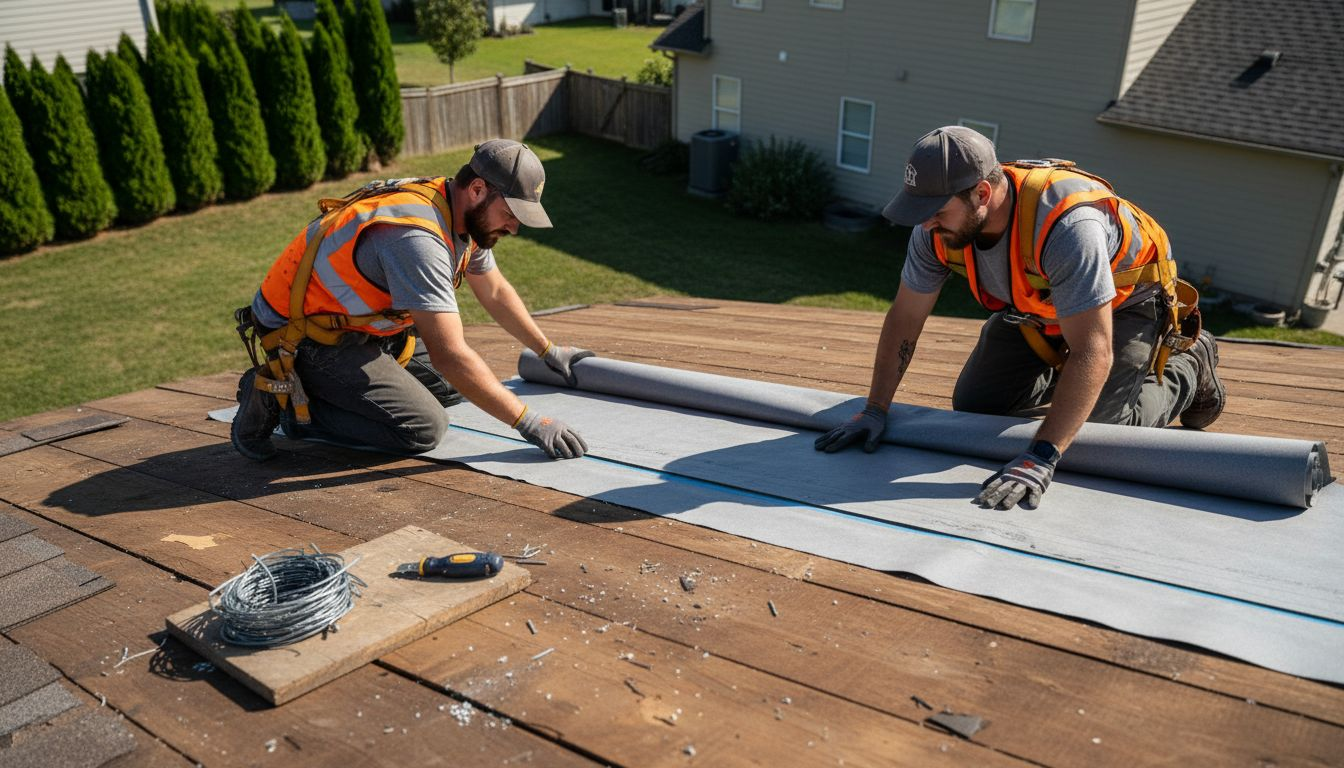
Storm damage is a reality many Moncton homeowners know all too well, but choosing the right roofer should not add to your stress. While some American and Canadian regions share similar standards, only half of homeowners nationwide consistently verify a contractor’s licensing and insurance. Understanding what to look for helps protect your investment, your home, and your peace of mind when seeking reliable, trustworthy roofing professionals in New Brunswick.
Table of Contents
- 1. Check For Proper Licensing And Insurance
- 2. Read Recent Customer Reviews And Testimonials
- 3. Ask About Local Experience And References
- 4. Get A Detailed Written Estimate
- 5. Understand Warranties And Guarantees Offered
- 6. Discuss Project Timeline And Cleanup
- 7. Compare Multiple Bids For Value And Service
Quick Summary
| Key Insight | Explanation |
|---|---|
| 1. Verify Licensing and Insurance | Always confirm a contractor’s licensing and insurance to protect against liability and ensure quality work. |
| 2. Read Customer Reviews | Look at various platforms for recent reviews to understand contractor reliability and service quality. |
| 3. Assess Local Experience | Prioritize roofers with local experience for better knowledge of regional building codes and weather challenges. |
| 4. Get Detailed Written Estimates | Ensure estimates outline all project details, scope of work, and any potential additional costs for clarity. |
| 5. Compare Multiple Bids | Evaluate bids based on quality, service, and warranties to avoid the pitfalls of choosing the lowest price. |
1. Check for Proper Licensing and Insurance
When hiring a roofer, verifying their professional licensing and insurance is your first line of defense against potential scams and subpar workmanship. A properly licensed contractor demonstrates they have met the rigorous standards set by state regulatory agencies and possess the necessary skills to complete your roofing project safely and professionally.
Licensing isn’t just a piece of paper. It represents a contractor’s commitment to quality and accountability. By checking a contractor’s credentials through state licensing verification resources, you protect yourself from unqualified workers who might cause expensive damage or leave projects incomplete.
Most reputable roofing professionals carry both general liability insurance and workers compensation coverage. This insurance protects you in case of accidents, property damage, or worker injuries during the project. Without proper insurance, homeowners could be financially responsible for any mishaps that occur on their property.
To verify a contractor’s credentials, request their license number and insurance documentation. Then independently confirm these details through your local contractors board or state licensing agency. Many states offer online verification tools that allow you to check a contractor’s current status in just a few minutes.
Don’t simply take a contractor’s word for their credentials. Legitimate professionals will gladly provide documentation and understand your need for verification. If a contractor seems hesitant or evasive about sharing their licensing and insurance information, consider that a significant red flag.
Pro tip: Always request and verify both licensing and insurance certificates before signing any roofing contract, and keep copies for your personal records.
2. Read Recent Customer Reviews and Testimonials
Customer reviews offer an unfiltered window into a roofing contractor’s actual performance, revealing far more than polished marketing materials ever could. These real world experiences provide critical insights into a contractor’s reliability, workmanship, and customer service that cannot be obtained through official promotional channels.
Digital platforms like the Better Business Bureau offer comprehensive review ecosystems where homeowners can explore detailed customer feedback about local roofing professionals. These platforms track not just positive experiences but also document any formal complaints or unresolved issues, giving you a comprehensive view of a contractor’s reputation.
When reviewing testimonials, focus on specific details rather than generic praise. Look for reviews that describe the contractor’s communication, punctuality, quality of work, cleanup process, and how they handled unexpected challenges. Pay special attention to recent reviews that reflect the contractor’s current performance standards.
Be strategic about where you research reviews. Expand beyond a single platform by checking multiple sources like Google Reviews, Yelp, local contractor directories, and social media pages. Cross referencing reviews helps you develop a more balanced understanding of a contractor’s consistent performance.
Watch for patterns in reviews rather than isolated comments. A few negative reviews among many positive ones might represent exceptional circumstances. However, consistent complaints about similar issues such as missed deadlines, poor communication, or substandard work should raise serious red flags.
Pro tip: Request references directly from the contractor and contact those previous clients to gain deeper insights into their actual work experience and satisfaction levels.
3. Ask About Local Experience and References
Local roofing experience is not just a credential it is a critical indicator of a contractor’s reliability and understanding of regional construction challenges. Contractors with deep local roots bring specialized knowledge about regional weather patterns, building codes, and specific roofing requirements that out of town or inexperienced roofers might overlook.
The U.S. Bureau of Labor Statistics emphasizes how regional expertise significantly impacts roofing work quality. Local roofers understand nuanced factors like wind resistance requirements, material durability in specific climates, and municipal building regulations that can dramatically affect your roofing project’s success.
When requesting references, go beyond simply collecting names. Ask for specific details about past projects similar to yours. Request photographs of completed work, contact information for recent clients, and examples of roofing jobs in neighborhoods with comparable architectural styles and environmental conditions.
Pay close attention to how long a roofing company has operated in your area. Established local businesses with multiple years of continuous service demonstrate stability, community investment, and a proven track record of satisfying local homeowners. Contractors deeply rooted in the community are more likely to stand behind their work and maintain long term relationships.
During your reference check, ask pointed questions about project timelines, communication quality, problem solving skills, and post installation support. Inquire about how contractors handled unexpected challenges and whether they completed work within the originally quoted budget and timeframe.
Pro tip: Request a detailed portfolio showcasing local projects completed in the past 12 months, and personally contact at least two references to verify the contractor’s claims and performance.
4. Get a Detailed Written Estimate
A comprehensive written estimate serves as your financial roadmap and legal protection when undertaking a roofing project. More than just a price quote, a detailed estimate provides transparency about the entire scope of work, preventing misunderstandings and potential conflicts down the road.
When requesting estimates, homeowners can leverage roof replacement calculators to understand potential cost ranges. However, a professional written estimate should go far beyond these basic calculations, providing a comprehensive breakdown of all project components.
A truly effective written estimate must include specific details such as complete material specifications, precise labor costs, projected project timeline, cleanup procedures, and any potential additional expenses. Look for estimates that clearly outline the type and brand of roofing materials, quantity of materials needed, and detailed labor descriptions for each phase of the project.
Professional estimates should also include information about warranties, insurance coverage, and potential contingencies. This documentation protects you by establishing clear expectations and providing a legally defensible document that outlines exactly what work will be performed and under what conditions.
Encourage multiple contractors to provide written estimates to enable meaningful comparison. Be wary of estimates that seem unusually low or vague, as these can be red flags indicating potential hidden costs or substandard work quality. A reputable contractor will be transparent and willing to explain every line item in their estimate.
Pro tip: Request that each written estimate include a clause specifying how unexpected complications or additional work will be handled and documented before any extra charges are incurred.
5. Understand Warranties and Guarantees Offered
Roofing warranties are your financial shield and quality assurance against potential future problems. Understanding the nuanced details of these warranties can save you thousands of dollars and prevent significant headaches down the road.
Most roofing warranties come in three primary categories: manufacturer material warranties, contractor installation warranties, and extended coverage options. Roofing warranty types range from basic limited coverage to comprehensive protection that addresses both materials and workmanship.
Manufacturer warranties typically cover defective roofing materials and provide replacements if products fail within a specified timeframe. Contractor installation warranties focus on the quality of workmanship, guaranteeing that the roof will be installed correctly and remain functional for a set period. Understanding the difference between these warranty types is crucial for comprehensive protection.
Carefully review warranty documents for specific details such as coverage length, what exactly is covered, transferability options, and any maintenance requirements that could void the warranty. Some warranties require professional inspections or specific maintenance schedules to remain valid, so read the fine print thoroughly.
Be cautious of warranties that seem too good to be true. Reputable contractors will provide clear, straightforward warranty documentation that outlines exactly what is and is not covered. Request a written copy of the complete warranty and ask questions about any terms you do not fully understand.
Pro tip: Request a detailed warranty comparison document from each contractor and create a side by side analysis of coverage terms, duration, and potential exclusions before making your final selection.
6. Discuss Project Timeline and Cleanup
A well planned roofing project requires clear communication about timeline expectations and comprehensive cleanup procedures. Without these details established upfront, homeowners risk unexpected disruptions and potential property damage.
The Better Business Bureau advises that homeowners should proactively discuss project timelines and cleanup responsibilities before signing any contracts. This conversation helps set realistic expectations and ensures both parties understand the project scope and completion standards.
A comprehensive project timeline should outline specific stages of work including material delivery, removal of existing roofing, installation of new roofing, and final cleanup. Ask your contractor to provide a written schedule that breaks down each phase of the project with estimated duration for each step.
Cleanup procedures are equally important. Professional roofing contractors should commit to thorough debris removal including nails, shingles, and packaging materials. Request specifics about how they will protect landscaping, prevent property damage, and ensure a complete site restoration after project completion.
Consider potential disruptions to your daily routine when discussing timelines. If you work from home or have specific scheduling constraints, communicate these early. A reputable contractor will work to accommodate your needs and provide a realistic project schedule that minimizes inconvenience.
Pro tip: Include specific cleanup and timeline expectations directly in your written contract, specifying exact responsibilities and standards for site restoration to avoid potential misunderstandings.
7. Compare Multiple Bids for Value and Service
Obtaining multiple roofing bids provides you with a comprehensive understanding of market rates, service quality, and potential approaches to your specific roofing project. A strategic bid comparison goes far beyond simply selecting the lowest price.
Procurement guidance from expert sources recommends evaluating bids using both qualitative and quantitative criteria. This means looking beyond the bottom line to assess each contractor’s technical capabilities, service offerings, and overall value proposition.
When comparing bids, create a comprehensive evaluation matrix that considers multiple factors. Look at material quality, projected timeline, warranty terms, contractor experience, and proposed workmanship. A bid that appears cheaper might ultimately cost more if it involves lower quality materials or less experienced workers.
Request that each contractor provide a detailed written bid breaking down specific costs for materials, labor, cleanup, and any potential additional expenses. This transparency allows for a fair and accurate comparison. Be wary of bids that seem significantly lower than others or appear vague and incomplete.
Remember that the cheapest option is not always the best value. A slightly higher bid from a reputable contractor with excellent reviews, comprehensive warranties, and proven track record can provide significantly better long term results and peace of mind.
Pro tip: Create a side by side comparison spreadsheet that rates each contractor across multiple criteria including price, experience, warranty, and references to objectively evaluate your options.
Below is a comprehensive table summarizing strategies for evaluating and selecting a roofing contractor as outlined in the article.
| Aspect | Recommendations | Benefits |
|---|---|---|
| Licensing and Insurance | Verify the contractor’s licensing and insurance to ensure professional standards and protection against liabilities. | Protection against unqualified workers and financial liability for accidents. |
| Customer Reviews | Analyze reviews and testimonials from multiple platforms, focusing on detailed feedback. | Insight into the contractor’s reliability and service quality. |
| Local Experience | Prioritize contractors with extensive local experience and verify their references. | Assurance of knowledge regarding regional requirements and regulations. |
| Written Estimates | Request detailed written estimates, specifying all costs and project scope. | Clear expectations and financial transparency. |
| Warranties and Guarantees | Understand the various warranty types, including coverage and duration. | Long-term protection and insurance against future defects. |
| Project Timelines | Discuss the proposed project schedule and cleanup responsibilities. | Reduced disruptions and assurance of thorough site restoration. |
| Bid Comparison | Compare multiple bids based on cost and qualitative factors. | Selection of the best value considering quality and reliability. |
Secure Your Home with Trusted Roofing Experts Today
Navigating the challenges of hiring a reliable roofer can be overwhelming. From verifying proper licensing and asking for detailed written estimates to understanding warranties and comparing bids, every step matters to protect your investment and ensure quality. At J. A. Kelly Contracting Services, we understand these critical concerns and are committed to delivering trustworthy, professional roofing solutions tailored to Moncton and surrounding areas.
Explore our comprehensive Roofing Archives – J. A. Kelly Contracting Services to discover how we prioritize transparency, local expertise, and customer satisfaction. Don’t wait until problems arise — secure your roofing project with confidence and experience the dedication that has earned our community’s trust. Visit J. A. Kelly Contracting Services now to request a free estimate and take the first step towards a safer, well-crafted roof.
Also, check out our Home Renovation Archives – J. A. Kelly Contracting Services to see how our expertise extends beyond roofing to complete home improvements that add lasting value.
Frequently Asked Questions
How can I verify if a roofer is properly licensed and insured?
Start by requesting the contractor’s license number and insurance documentation. Then, independently confirm these details with your local contractors board or state licensing agency.
What should I look for in customer reviews of roofing contractors?
Focus on detailed reviews that discuss the contractor’s communication, punctuality, and quality of work. Pay special attention to recent testimonials that reflect the contractor’s current performance standards.
How can I assess a roofing contractor’s local experience?
Ask potential contractors about their familiarity with regional building codes and weather challenges. Request references for similar projects they’ve completed locally to understand their expertise.
What details should a written estimate include for a roofing project?
A written estimate should outline material specifications, labor costs, projected timelines, and any additional expenses. Ensure it clearly details the type of materials, quantity required, and cleanup procedures to avoid surprises.
What types of warranties should I expect from roofing contractors?
Expect manufacturer warranties covering materials and contractor installation warranties ensuring workmanship quality. Carefully review the details for coverage length and transferability options to know your financial protection.
How do I compare multiple bids from roofing contractors effectively?
Create a comparison matrix evaluating factors like material quality, project timeline, warranty terms, and contractor experience. This will help you objectively assess the value of each bid beyond just the price.
Recommended
- 7 Expert Tips for Hiring Contractors Every Homeowner Needs – J. A. Kelly Contracting Services
- 7 Essential Roofing Maintenance Tips Every Homeowner Should Know – J. A. Kelly Contracting Services
- Roof Repair Guide: Step-by-Step Fixes for Homeowners – J. A. Kelly Contracting Services
- How to Hire a Roofing Contractor for a Stress-Free Project – J. A. Kelly Contracting Services