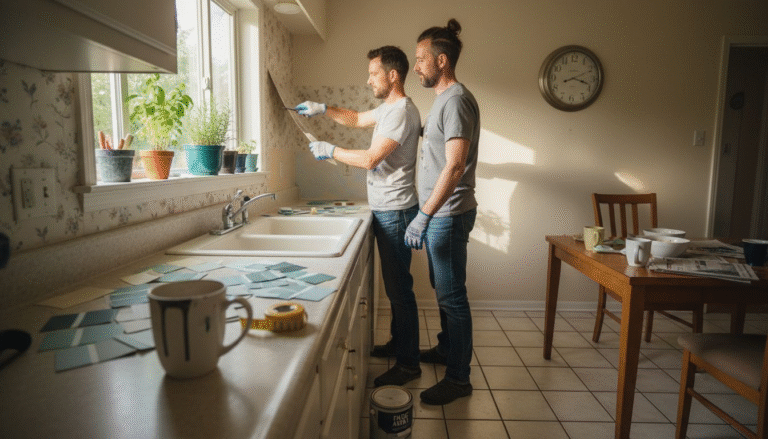

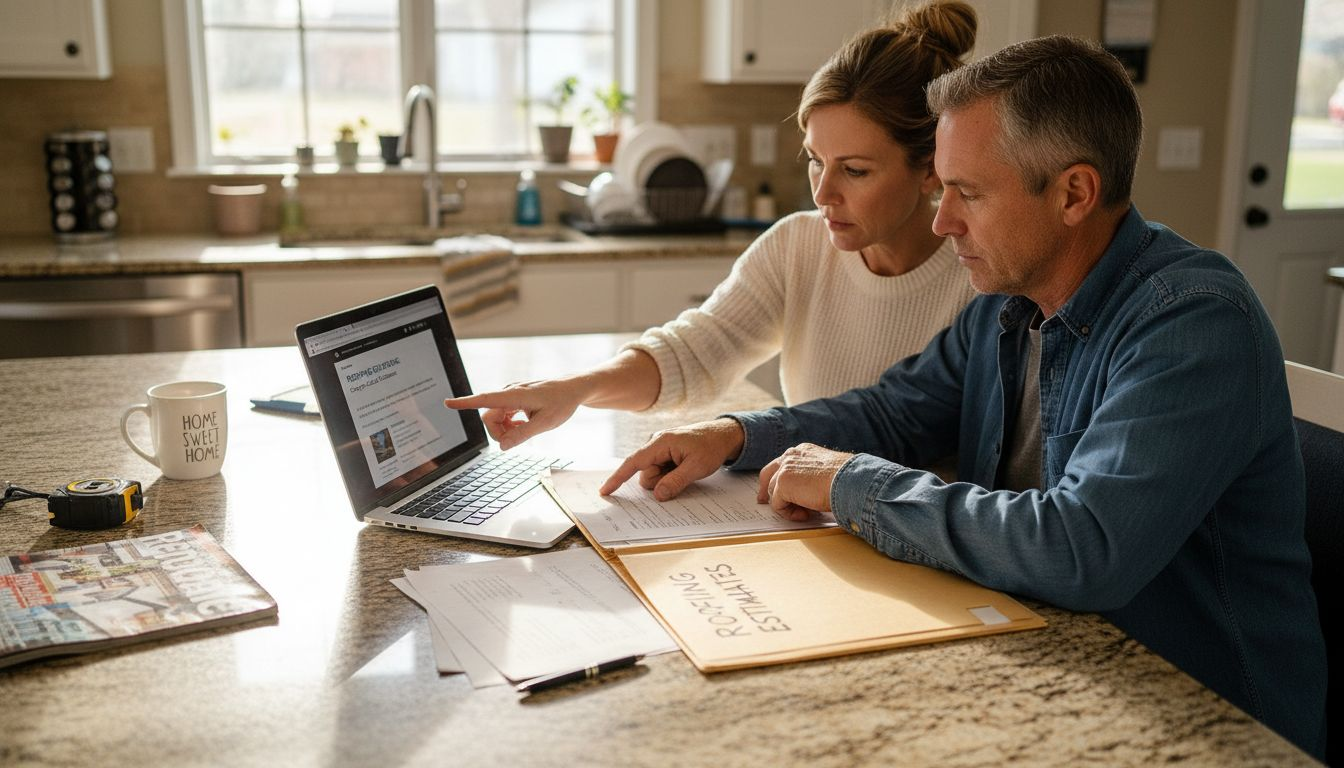


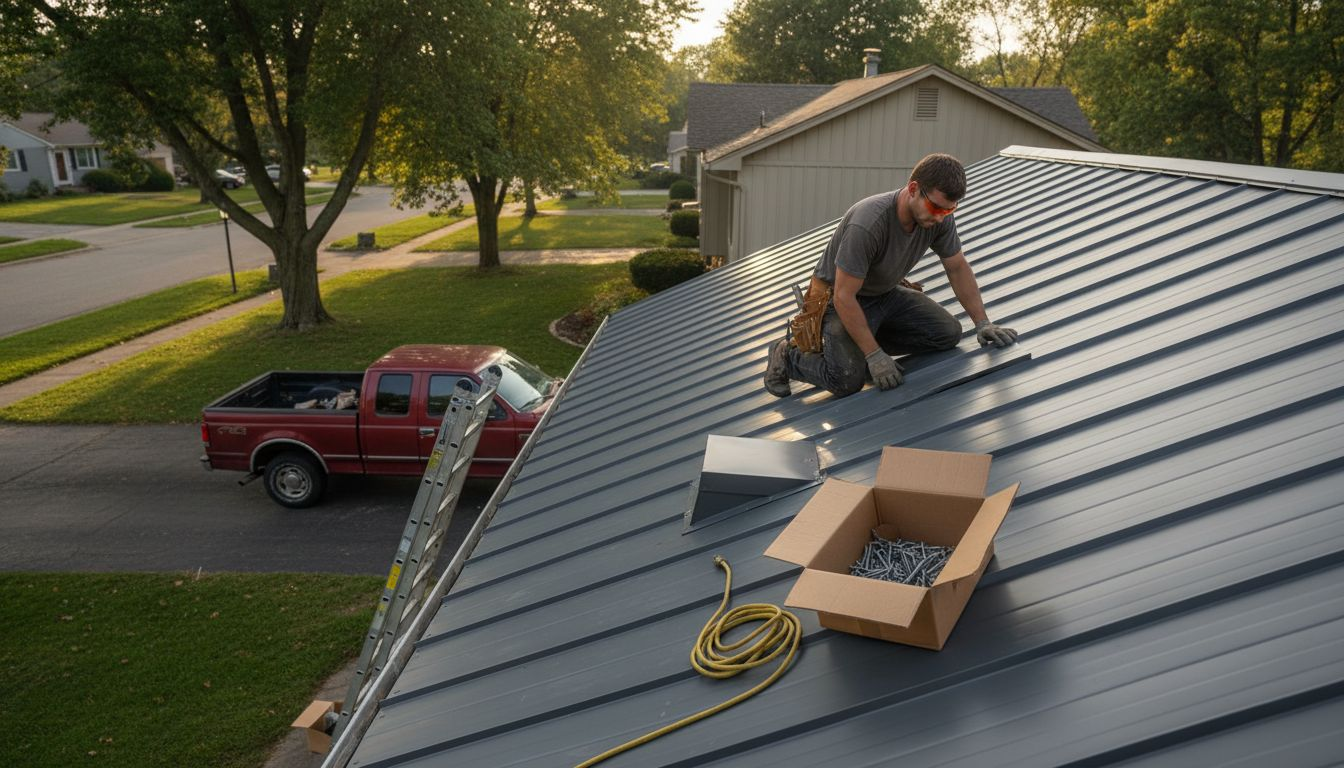
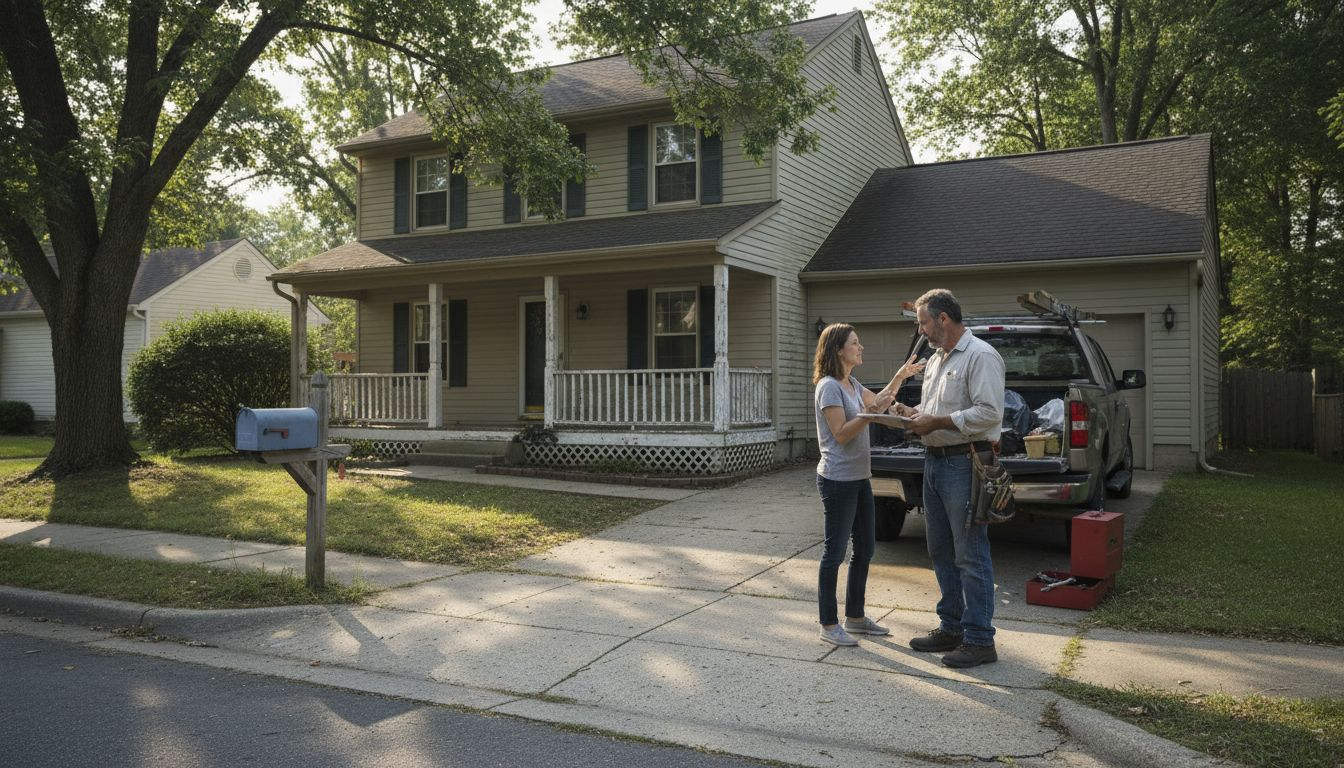
Most American home improvement trends have made their way to Moncton, yet many homeowners still believe every renovation raises property value equally. In reality, strategic upgrades matter far more than cosmetic changes. Focusing on practical solutions such as quality roofing, durable flooring, and well-planned outdoor constructions can deliver stronger returns. Roof replacements alone can recoup up to 100% of their cost at resale, making them one of the smartest investments for Moncton homeowners looking to add real value while boosting daily comfort.
Table of Contents
- Home Upgrades Defined and Misconceptions
- Types of Upgrades That Add Value
- How Upgrades Impact Property Worth
- Cost, ROI, and Financial Considerations
- Mistakes to Avoid With Home Renovations
Key Takeaways
| Point | Details |
|---|---|
| Strategic Planning is Essential | Home upgrades should focus on functional improvements rather than purely aesthetic changes to enhance property value. |
| Energy Efficiency Offers Significant Returns | Investments in energy-efficient systems can provide long-term savings and potential tax credits, contributing to better ROI. |
| Consult Real Estate Professionals | Engaging local real estate experts can help identify which upgrades yield the highest returns in specific markets. |
| Avoid Common Renovation Mistakes | Ensure proper contractor vetting and follow safety protocols to prevent costly renovation problems and protect your investment. |
Home Upgrades Defined and Misconceptions
Home upgrades represent strategic improvements designed to enhance a property’s functionality, aesthetic appeal, and overall market value. These modifications range from cosmetic changes to substantial structural transformations that can significantly impact a home’s worth and livability. Home improvement encompasses everything from interior renovations to exterior enhancements, targeting multiple objectives like comfort, maintenance, energy efficiency, and safety.
Contrary to popular belief, not all home improvements are created equal. While some homeowners mistakenly assume that any renovation automatically increases property value, strategic upgrades actually require careful planning and targeted investment. Genuine value-adding upgrades typically focus on functional improvements rather than purely aesthetic modifications. These might include updating critical systems like electrical, plumbing, HVAC, enhancing insulation, or creating additional usable living space that directly contributes to the home’s overall utility and appeal.
Some homeowners also misunderstand the potential financial benefits of home upgrades. Energy-efficient improvements can offer substantial long-term advantages, including reduced utility costs and potential tax credits. Strategic upgrades like installing modern HVAC systems, improving home insulation, or adding energy-efficient appliances not only enhance comfort but can also provide significant financial incentives through government rebate programs.
Pro tip: Before starting any home upgrade project, consult local real estate professionals to understand which improvements offer the highest return on investment in your specific market.
Types of Upgrades That Add Value
Homeowners seeking to increase property value must strategically approach home improvements, focusing on upgrades that provide tangible financial benefits. Major energy-efficient home improvements represent some of the most valuable investments, offering both immediate and long-term returns. These upgrades go beyond simple cosmetic changes, targeting core systems that enhance a home’s functionality, comfort, and overall market appeal.
Key value-adding upgrades typically fall into several critical categories. Energy system improvements are particularly impactful, including installing high-efficiency HVAC systems, upgrading insulation, and replacing outdated windows. Kitchen and bathroom renovations also consistently demonstrate strong return on investment, with modern appliances, updated fixtures, and contemporary design elements attracting potential buyers. Structural improvements like reinforcing foundations, upgrading electrical systems, and enhancing home infrastructure can significantly boost property value while addressing critical functional needs.
Energy-efficient modifications offer some of the most compelling value propositions. Solar panel installations and heat pump upgrades can recoup over 100% of their installation costs at resale, making them exceptional long-term investments. These improvements not only reduce monthly utility expenses but also position a home as modern and environmentally conscious in an increasingly sustainability-focused real estate market.
Pro tip: Prioritize upgrades that improve both aesthetic appeal and functional efficiency, focusing on projects that offer measurable returns and align with current market trends in your specific neighborhood.
Here is a comparison of common home upgrade types and their typical impact on property value:
| Upgrade Type | Functionality Improvement | Market Value Impact | Typical ROI Estimate |
|---|---|---|---|
| Energy System Upgrade | Better efficiency & comfort | High in most markets | 80% – 120% |
| Kitchen Renovation | Modernizes key home space | Attracts buyers | 70% – 90% |
| Bathroom Renovation | Enhances usability & appeal | Improves desirability | 60% – 80% |
| Structural Repairs | Boosts safety & longevity | Stabilizes value | 50% – 75% |
| Cosmetic Changes | Boosts appearance only | Modest market effect | 30% – 50% |
How Upgrades Impact Property Worth
Home upgrades represent complex investments that profoundly influence property valuation through multiple interconnected mechanisms. Property renovations can significantly impact house price indices, potentially causing variations in market value by up to 15% in dense urban areas. These modifications extend far beyond simple aesthetic improvements, fundamentally altering a property’s functional and financial potential.
The impact of home upgrades on property worth varies dramatically depending on several critical factors. Strategic renovations can create substantial value by addressing key structural and systemic improvements that potential buyers prioritize. Upgrades that enhance energy efficiency, modernize critical home systems, and improve overall functionality tend to generate the most significant returns. Electrical system upgrades, plumbing improvements, roof replacements, and kitchen or bathroom renovations consistently demonstrate the strongest positive correlations with increased property values.
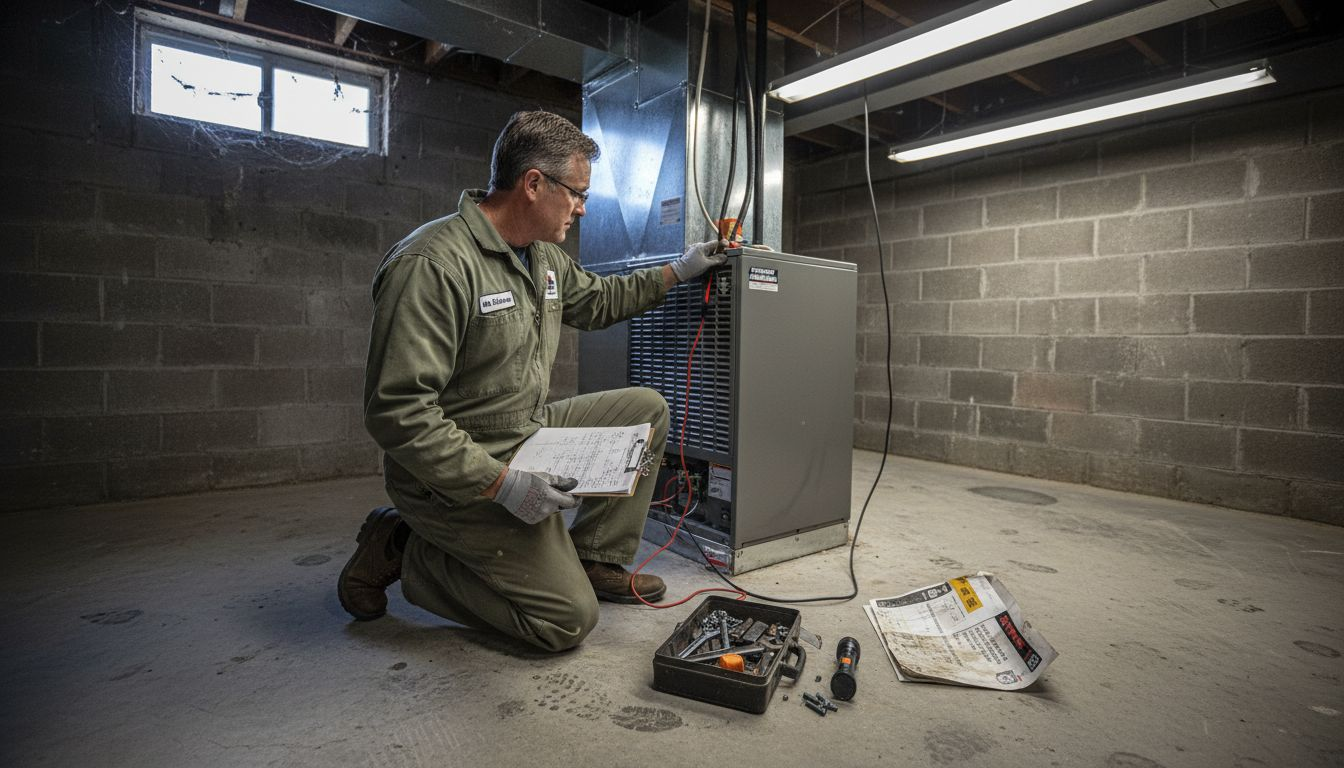
Interestingly, historical and architectural significance plays a nuanced role in determining upgrade value, with certain modifications potentially creating spatial spillover effects that influence not just individual property worth but also neighborhood property values. Upgrades that respectfully enhance a home’s original architectural character while introducing modern functionality can create exceptional value propositions. This means homeowners must balance contemporary improvements with preservation of unique architectural elements that contribute to a property’s distinctive market appeal.
Pro tip: Consult local real estate professionals to understand which specific upgrades generate the highest return in your particular neighborhood and market segment.
Cost, ROI, and Financial Considerations
Understanding the financial implications of home upgrades requires a comprehensive approach that goes beyond simple cost calculations. Return on Investment (ROI) serves as a critical metric for evaluating the potential financial benefits of home improvement projects. Homeowners must consider both tangible financial returns and intangible benefits such as increased comfort, functionality, and potential energy savings.
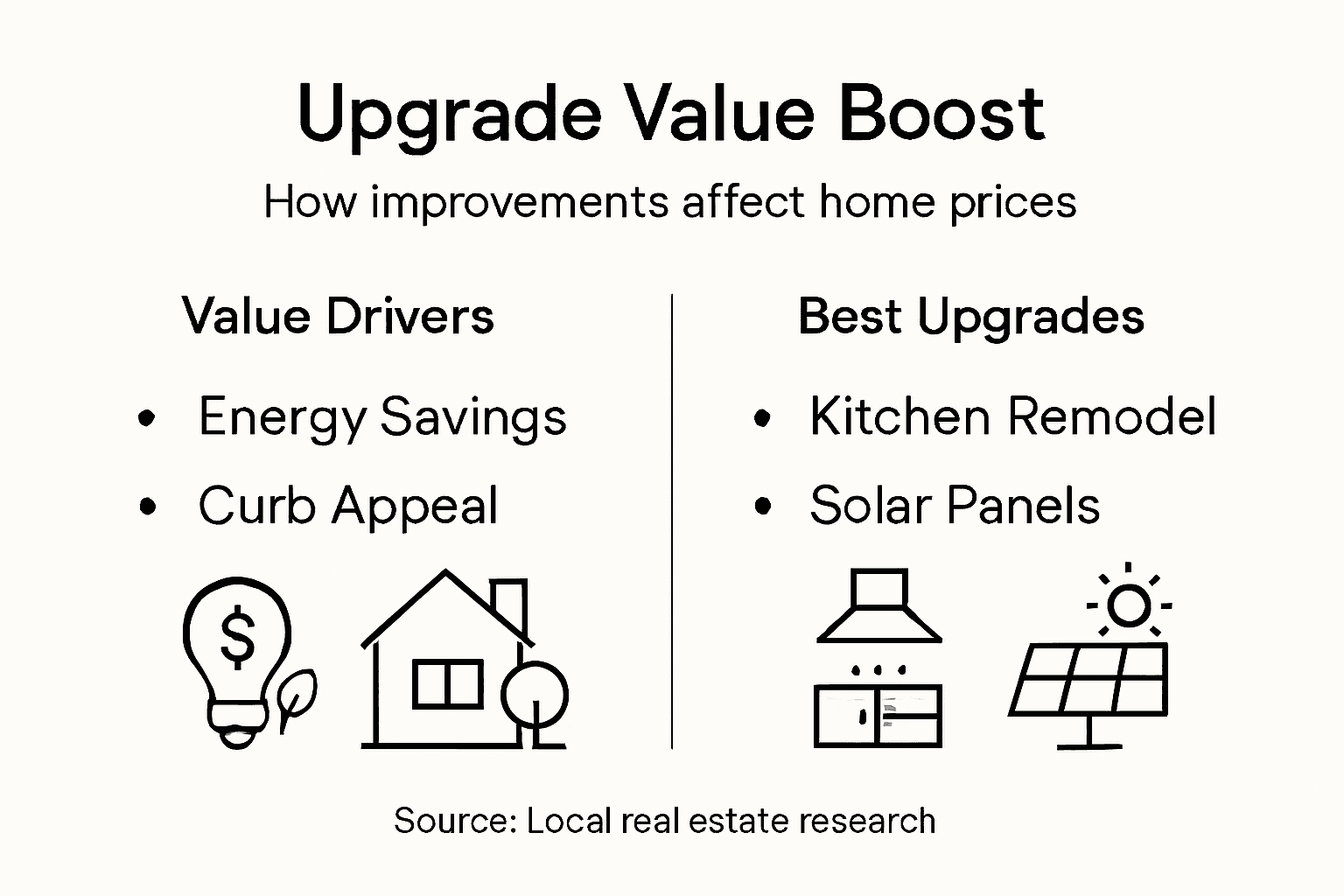
The financial analysis of home upgrades involves multiple layers of consideration. Strategic investment calculations should account for upfront costs, potential energy savings, increased property value, and long-term financial benefits. Some upgrades, particularly those focused on energy efficiency, can generate significant returns through reduced utility expenses and potential tax incentives. Electrical system improvements, insulation upgrades, and modern HVAC installations often provide the most compelling financial arguments, with potential savings and value appreciation that can offset initial investment costs.
Home energy assessments offer a systematic approach to identifying the most cost-effective upgrade opportunities. A whole-house approach allows homeowners to prioritize improvements that generate the most substantial financial benefits. This strategy involves evaluating each potential upgrade through a comprehensive lens, considering factors such as energy efficiency, potential cost savings, increased home comfort, and overall property value enhancement. Homeowners should focus on upgrades that provide a balance between immediate functional improvements and long-term financial returns.
Pro tip: Develop a detailed spreadsheet comparing potential upgrades, including initial costs, estimated energy savings, potential tax credits, and projected increase in property value to make the most informed investment decisions.
Below is a summary of important financial factors to weigh before starting a home upgrade project:
| Factor | Description | Influence on Investment |
|---|---|---|
| Upfront Cost | Total expense of upgrade | Affects initial cash outlay |
| Energy Savings | Reduced monthly utility costs | Improves long-term ROI |
| Tax Incentives | Potential government rebates | Offsets initial investment |
| Property Value Increase | Expected rise in home resale value | Determines payback potential |
Mistakes to Avoid With Home Renovations
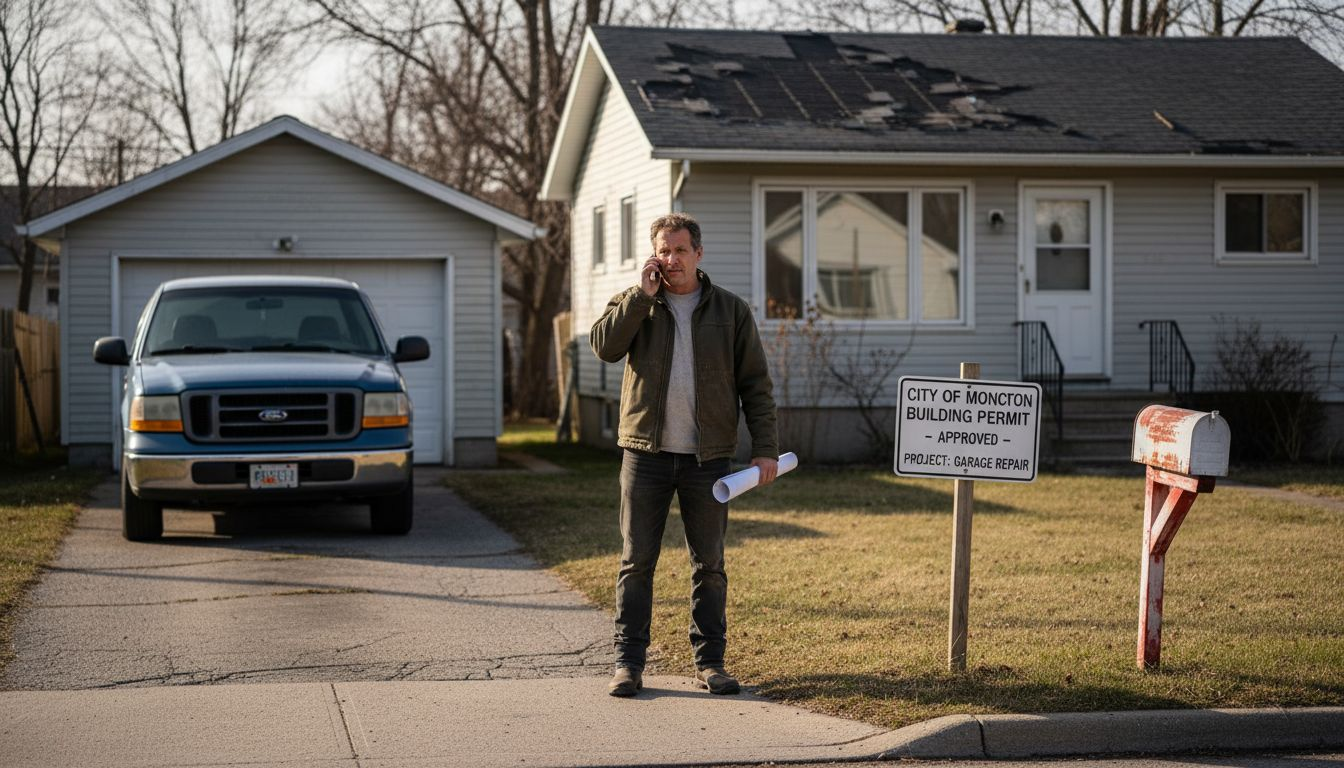
Home renovation projects can quickly become complicated and costly when homeowners fail to anticipate potential pitfalls. Home improvement scams frequently target unsuspecting property owners who do not take proper precautions during the planning and execution stages. Understanding these risks is crucial for protecting both financial investments and project outcomes.
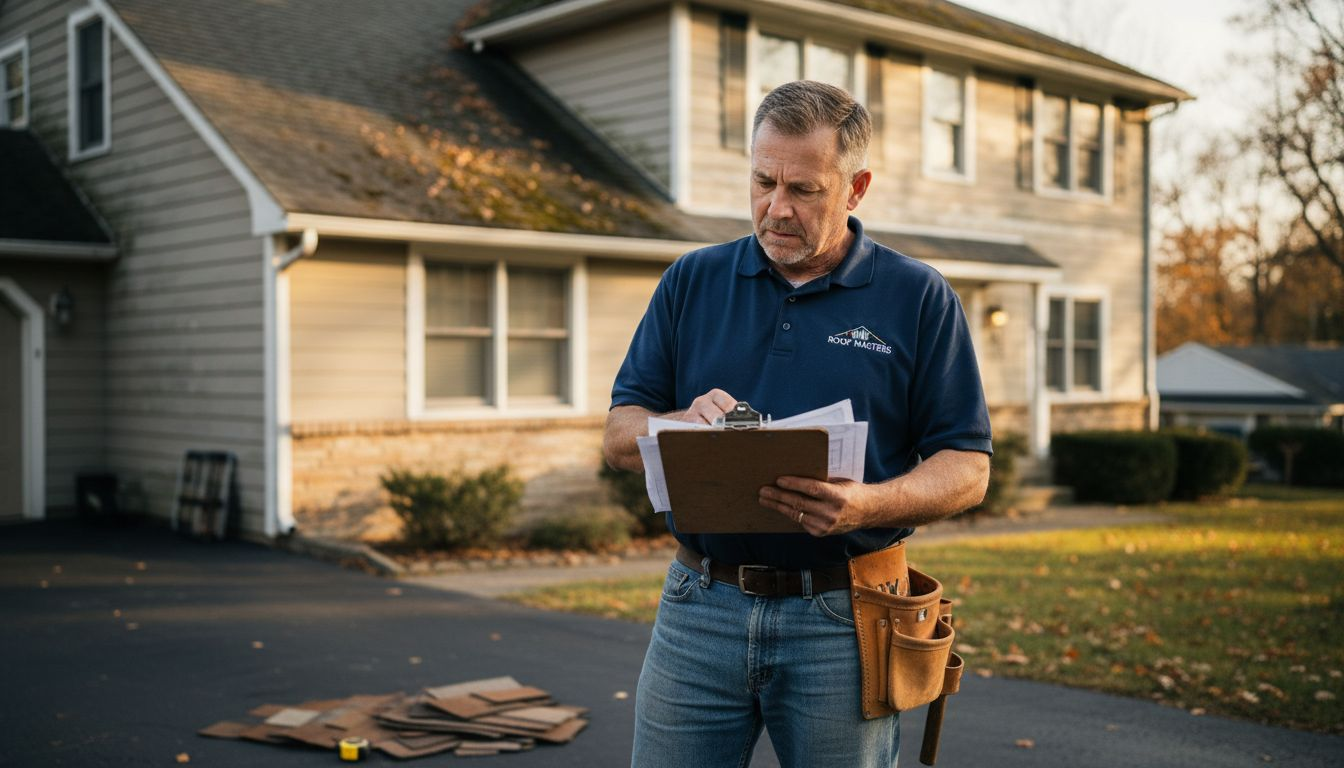
One of the most significant errors homeowners make involves inadequate contractor vetting and documentation. Critical contract protections include obtaining multiple written estimates, verifying professional credentials, checking references, and establishing clear project specifications. Many renovation disasters stem from verbal agreements, incomplete contracts, or hiring unqualified contractors who lack proper licensing and insurance. Homeowners should request comprehensive written contracts that detail exact scope of work, materials to be used, project timeline, payment schedules, and specific performance expectations.
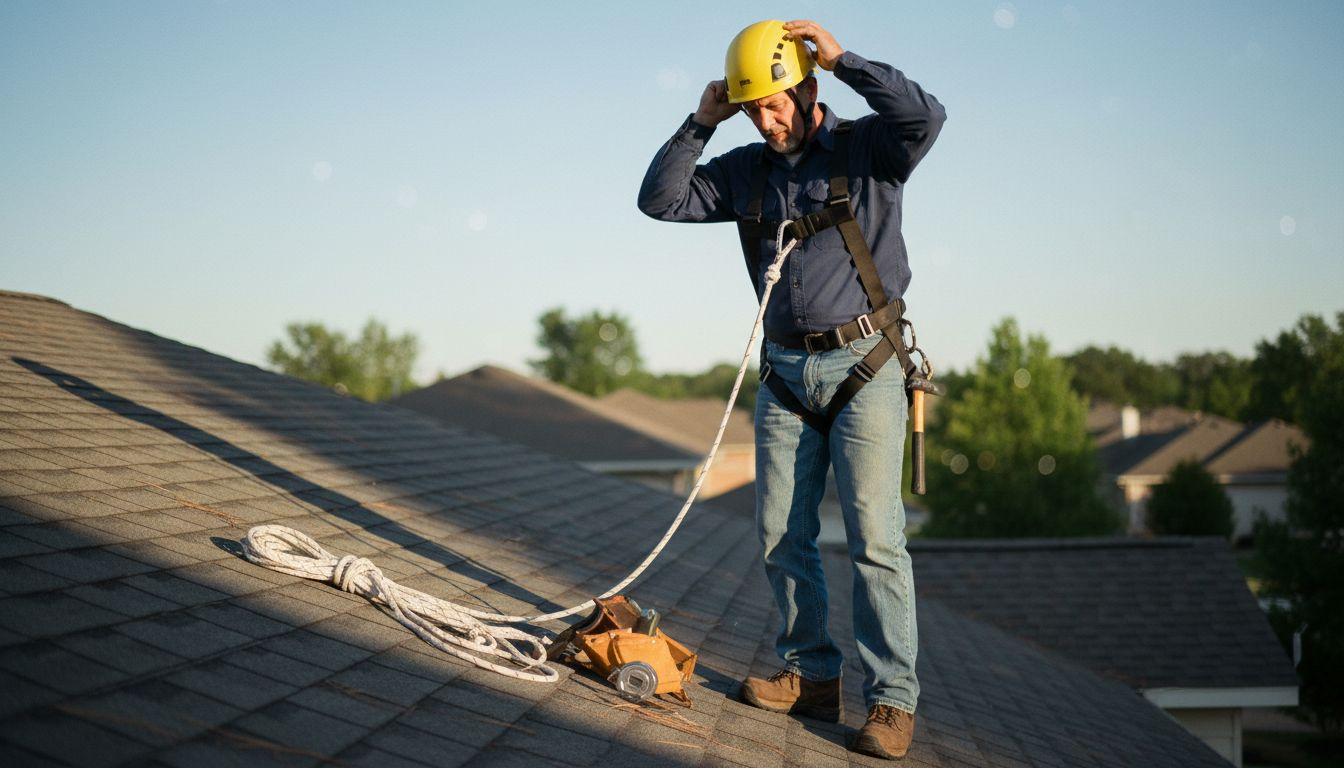
Lead-safe renovation practices represent another critical consideration, particularly for homes constructed before 1978. Failing to follow appropriate safety protocols can expose residents to significant health hazards, especially in older properties with potential lead-based paint or other hazardous materials. Proper preparation, using certified professionals, and understanding regulatory requirements are essential to preventing potentially dangerous renovation mistakes that could compromise household safety.
Pro tip: Create a comprehensive renovation checklist that includes contractor verification, written contract requirements, safety protocols, and budget contingencies before starting any home improvement project.
Transform Your Home Upgrades Into Lasting Value Today
Understanding how strategic home improvements affect your property’s value is the first step to making smart, confident renovation choices. The article highlights the importance of focusing on functional upgrades like energy-efficient systems, modern kitchen and bathroom renovations, and key structural improvements to maximize your return on investment. Avoid costly mistakes and ensure your upgrades enhance both comfort and resale appeal.
Discover expert guidance and professional craftsmanship with J. A. Kelly Contracting Services. Whether you are planning a comprehensive renovation or targeted improvements, our experienced team in Moncton, New Brunswick is ready to help you make smart investments that stand the test of time.
Start your value-adding home project with trusted local experts today. Explore our Home Renovation Archives – J. A. Kelly Contracting Services for ideas and insights. Contact us for a free estimate and take the first step toward a more valuable, comfortable home by visiting https://jakellycontractingservices.ca. Don’t miss the chance to invest wisely and enhance your property’s worth with professional support.
Frequently Asked Questions
What types of home upgrades provide the best return on investment?
Upgrades that focus on energy efficiency, kitchen and bathroom renovations, and essential structural improvements typically provide the best return on investment. Energy system upgrades, such as modern HVAC systems and insulation, can significantly impact both comfort and property value.
How do energy-efficient upgrades affect property value?
Energy-efficient upgrades can substantially increase property value by reducing utility costs and appealing to environmentally-conscious buyers. Installations like solar panels and energy-efficient HVAC systems often lead to high returns on investment.
What are common mistakes to avoid during home renovations?
Common mistakes include inadequate contractor vetting, failing to obtain written contracts, and not following safety protocols, particularly in homes that may contain lead-based paint. It’s crucial to ensure detailed project specifications are documented and safety measures are implemented.
How do home upgrades influence overall market appeal?
Home upgrades influence market appeal by improving the functionality, comfort, and aesthetic appearance of a property. Renovations that modernize key systems or enhance energy efficiency tend to attract more buyers, ultimately leading to higher property valuations.
Recommended
- 7 Key Advantages of Home Renovation for Homeowners – J. A. Kelly Contracting Services
- 7 Essential Types of Home Renovations Every Homeowner Should Know – J. A. Kelly Contracting Services
- Why Renovate Kitchens: Complete Guide for Homeowners – J. A. Kelly Contracting Services
- How to Budget Renovations for Maximum Value at Home – J. A. Kelly Contracting Services