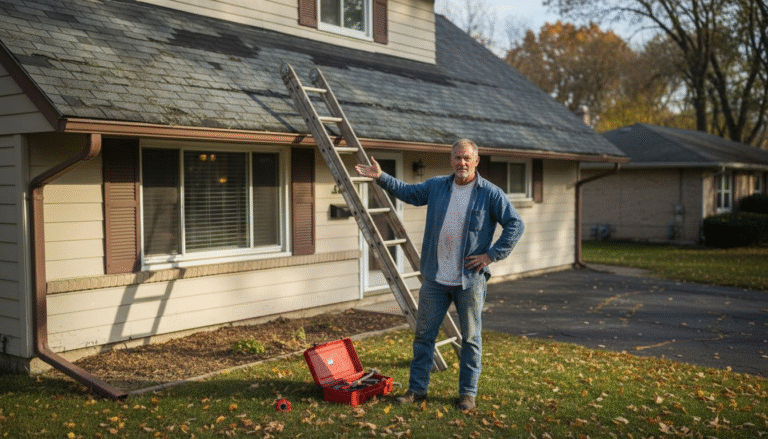
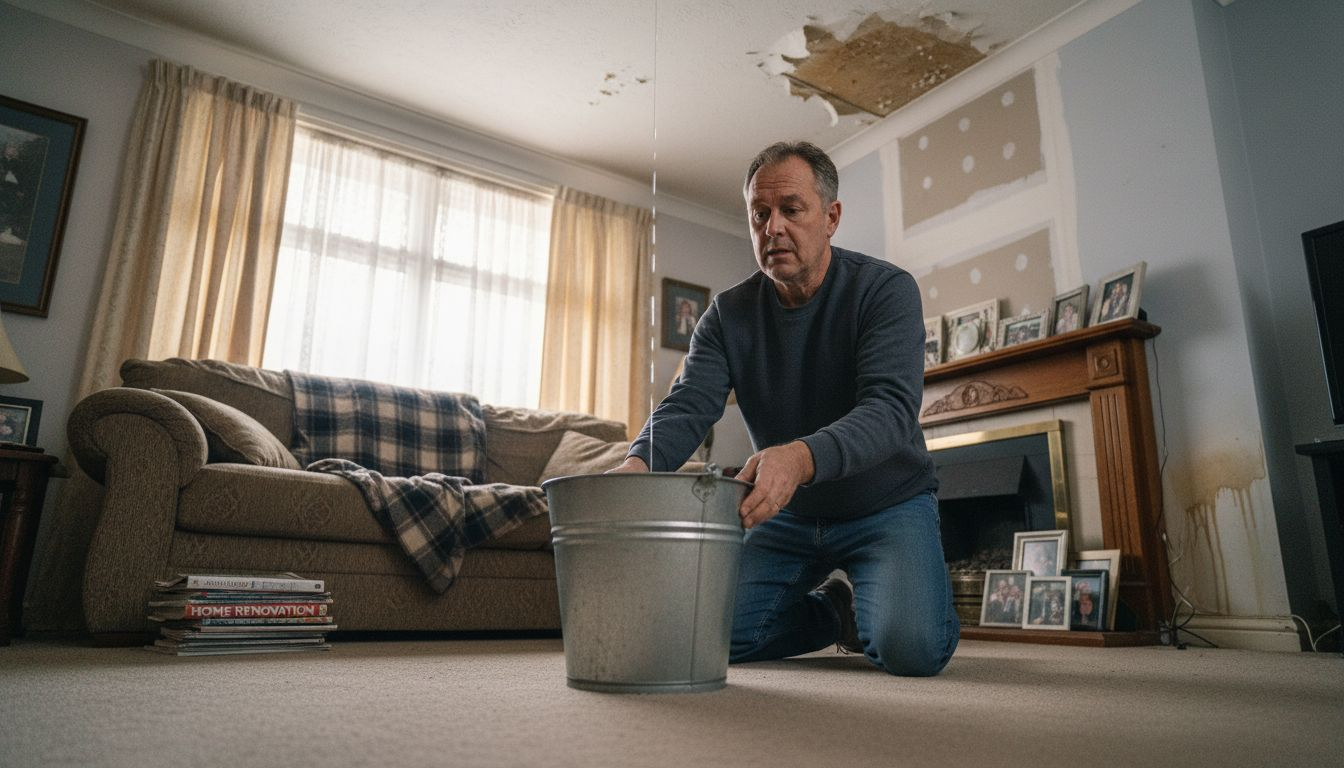

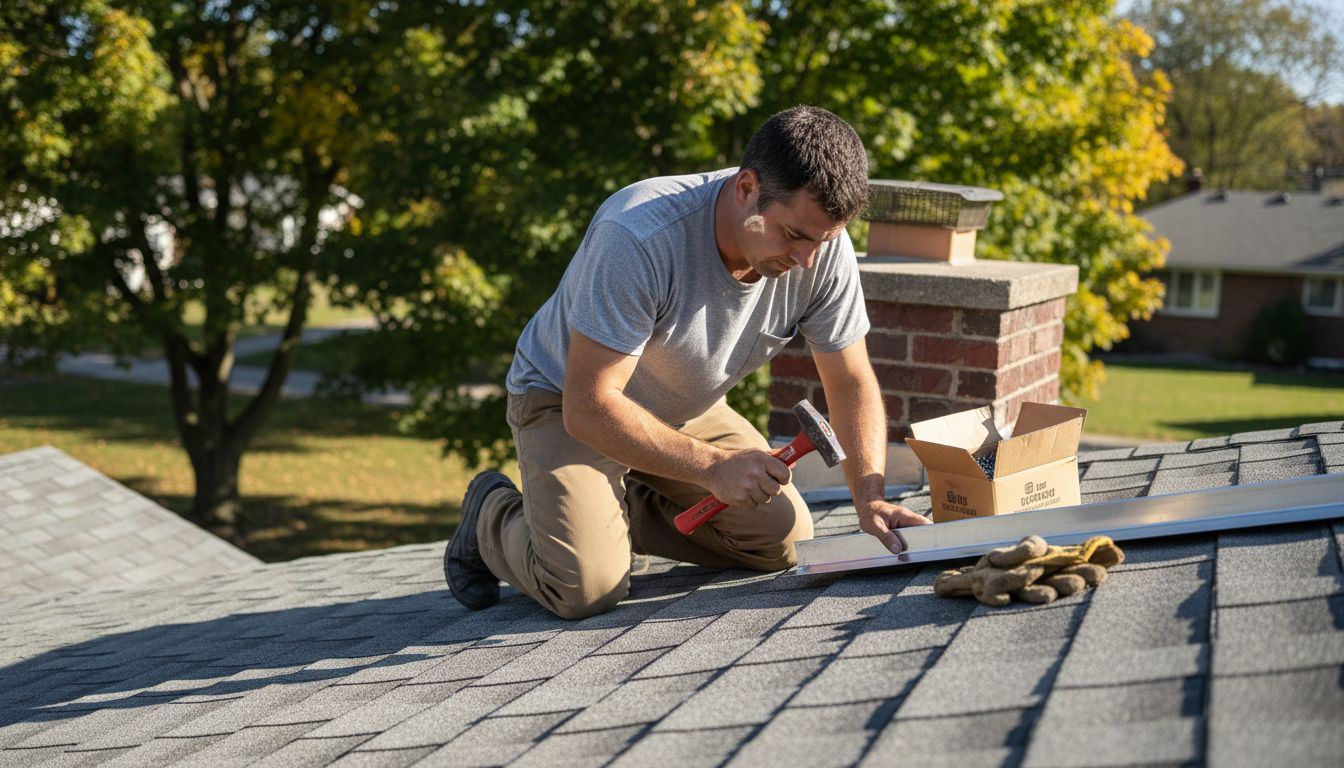



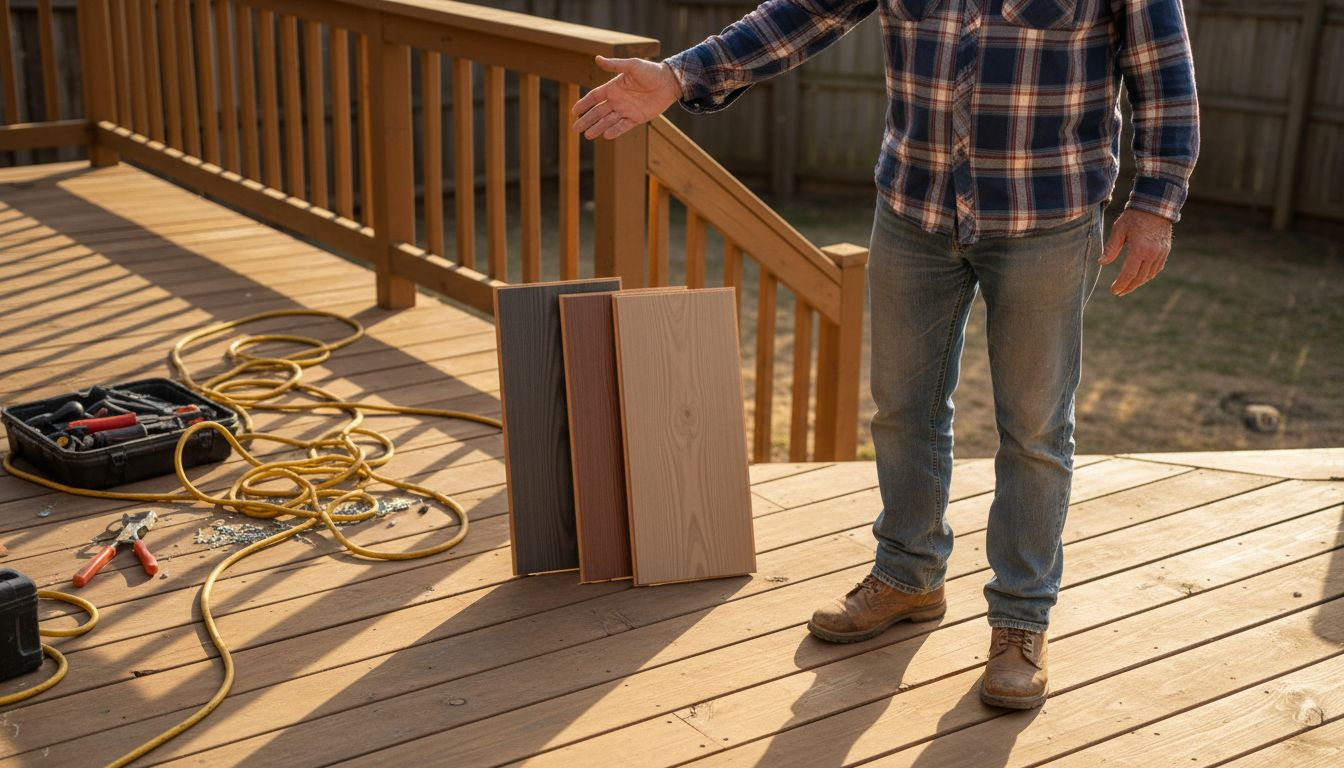

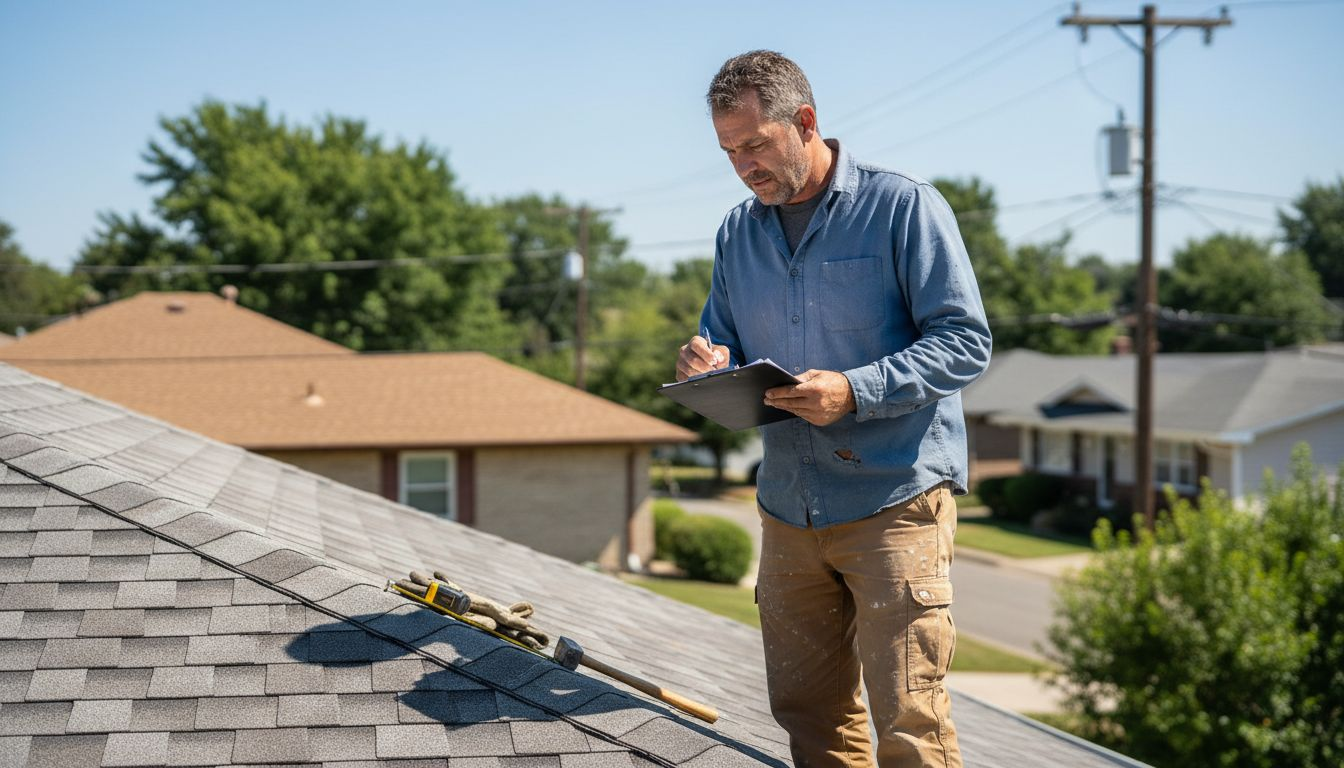
Choosing a roofing solution can feel daunting when every dollar counts. Many Moncton homeowners debate costly repairs versus affordable enhancements. Roof overlays are gaining popularity across Canadian and American cities because they offer extra years of protection without the high price of full replacements. Discover what sets roof overlays apart and learn which option can help you extend your roof’s lifespan while keeping costs in check.
Table of Contents
- What Is a Roof Overlay? Key Distinctions
- How Roof Overlay Works Step by Step
- Benefits and Drawbacks of Roof Overlay
- Building Codes and Structural Requirements
- Comparing Overlay to Full Roof Replacement
- Cost, Risks, and Common Pitfalls
Key Takeaways
| Point | Details |
|---|---|
| Understanding Roof Overlays | A roof overlay is a cost-effective method to extend the lifespan of an existing roof by adding a new layer, suitable for minimally damaged roofs. |
| Importance of Professional Assessment | Always consult a professional contractor to evaluate if your roof is a good candidate for an overlay before proceeding. |
| Benefits vs. Drawbacks | While overlays are less expensive and faster to install, they may not resolve significant structural issues and can trap moisture. |
| Regulatory Compliance | Ensure overlay projects meet local building codes to maintain structural integrity and safety during the installation process. |
What Is a Roof Overlay? Key Distinctions
A roof overlay is a strategic roofing technique that involves installing a new roofing layer directly over your existing roof structure, providing an affordable alternative to complete roof replacement. Unlike total roof removal, an overlay preserves the existing roof structure while adding an additional protective layer.
Roof overlays work best when the current roof has minimal damage and maintains structural integrity. Homeowners can expect an overlay to extend their roof’s lifespan by several years, typically 10 to 15 years depending on materials and installation quality. The process involves carefully preparing the existing roof surface, addressing minor defects, and then applying a new roofing material directly on top of the current layer.
The key distinctions between a roof overlay and full roof replacement are significant. While a replacement involves completely removing all existing roofing materials and potentially repairing underlying structural damage, an overlay is a less invasive and more cost-effective approach. Overlay techniques typically involve milling or grinding the existing surface before applying the new protective layer, which helps create a smoother foundation for the new roofing material.
Pro tip: Before choosing a roof overlay, always have a professional roofing contractor thoroughly inspect your roof to ensure it is a suitable candidate for this restoration method.
How Roof Overlay Works Step by Step
The roof overlay process requires careful preparation and systematic execution to ensure optimal results. Surface preparation involves comprehensive assessment and strategic cleaning of the existing roof structure, which serves as the critical foundation for successful overlay installation.
The key steps in a professional roof overlay typically include:
- Initial Roof Inspection
- Comprehensive evaluation of existing roof condition
- Identifying areas of damage or structural weakness
- Determining overlay feasibility
- Surface Preparation
- Thorough cleaning of existing roof surface
- Removing debris and loose materials
- Repairing minor defects and structural imperfections
- Adhesion Layer Application
- Installing a tack coat to ensure proper bonding
- Creating a smooth foundation for new roofing material
- Ensuring maximum adhesion between existing and new layers
- New Roofing Layer Installation
- Carefully placing new roofing material
- Ensuring precise alignment and minimal gaps
- Compacting the new layer for uniform coverage
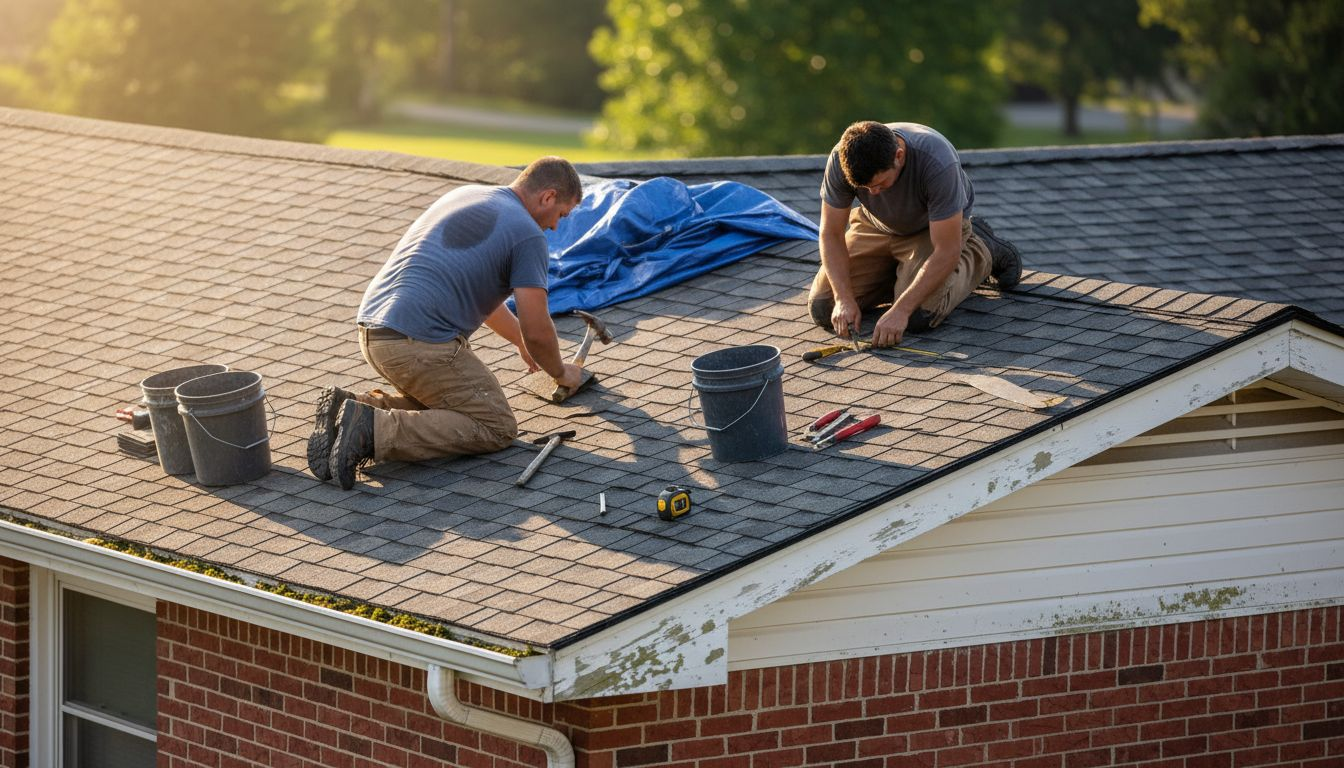
The entire process requires precision and expertise, with each step designed to maximize the roof’s durability and performance. Professional roofers understand that thin overlay techniques demand meticulous temperature and placement control, making skilled implementation crucial.
Pro tip: Always consult a professional roofing contractor who can accurately assess whether your specific roof structure is suitable for an overlay installation.
Benefits and Drawbacks of Roof Overlay
Roof overlays present a strategic roofing solution with significant advantages and potential limitations for homeowners. Multi-ply roofing systems offer enhanced durability and protection by creating multiple layers of defense against environmental challenges.
Key Benefits:
- Cost Effectiveness: Significantly lower expenses compared to complete roof replacement
- Minimal Disruption: Faster installation with less property disturbance
- Extended Roof Lifespan: Additional protective layer adds years to existing roof structure
- Quick Installation: Reduced labor time and associated costs
Potential Drawbacks:
- Weight Considerations: Additional layers increase structural load
- Limited Structural Repairs: Cannot address significant underlying roof damage
- Potential Moisture Trapping: Risk of moisture retention between existing and new layers
- Reduced Long-Term Performance: May not provide same longevity as full roof replacement
Green roof overlay technologies demonstrate innovative environmental benefits, including stormwater management and urban heat reduction. However, these specialized overlay systems require careful evaluation of structural capacity, maintenance requirements, and initial investment costs.
Pro tip: Consult a professional roofing contractor to conduct a comprehensive roof assessment before deciding on an overlay to ensure compatibility with your specific roof structure.
Building Codes and Structural Requirements
Building codes for roof overlays establish critical guidelines that ensure structural integrity, safety, and performance for homeowners considering this roofing approach. These regulations provide a comprehensive framework for evaluating the feasibility and implementation of roof overlay projects.
Key Structural Considerations:
- Existing Roof Condition: Must demonstrate sufficient structural strength
- Weight Limitations: Additional layers cannot exceed maximum load capacity
- Material Compatibility: Overlay materials must meet specific performance standards
- Fire Resistance: Must comply with local fire safety regulations
Code Requirements Breakdown:
- Structural Assessment
- Professional evaluation of current roof structure
- Comprehensive load-bearing capacity analysis
- Identification of potential structural weaknesses
- Performance Standards
- Meeting minimum wind resistance requirements
- Ensuring proper water drainage capabilities
- Maintaining thermal and energy efficiency standards
Insurance and building safety institutes recommend thorough inspection and compliance verification before proceeding with any roof overlay project. Local building departments may have additional jurisdiction-specific requirements that must be carefully reviewed.
Pro tip: Request a detailed structural assessment from a certified roofing professional to confirm your specific roof’s eligibility for an overlay installation.
This table summarizes key regulatory and construction factors for successful overlays:
| Requirement | Why Important | Typical Compliance Action |
|---|---|---|
| Load capacity analysis | Prevents overburdened roof | Structural engineering review |
| Material compatibility | Ensures lasting results | Use approved roofing products |
| Fire safety standards | Limits fire risk | Select fire-rated materials |
| Drainage effectiveness | Avoids water pooling | Confirm proper slope and flow |
Comparing Overlay to Full Roof Replacement
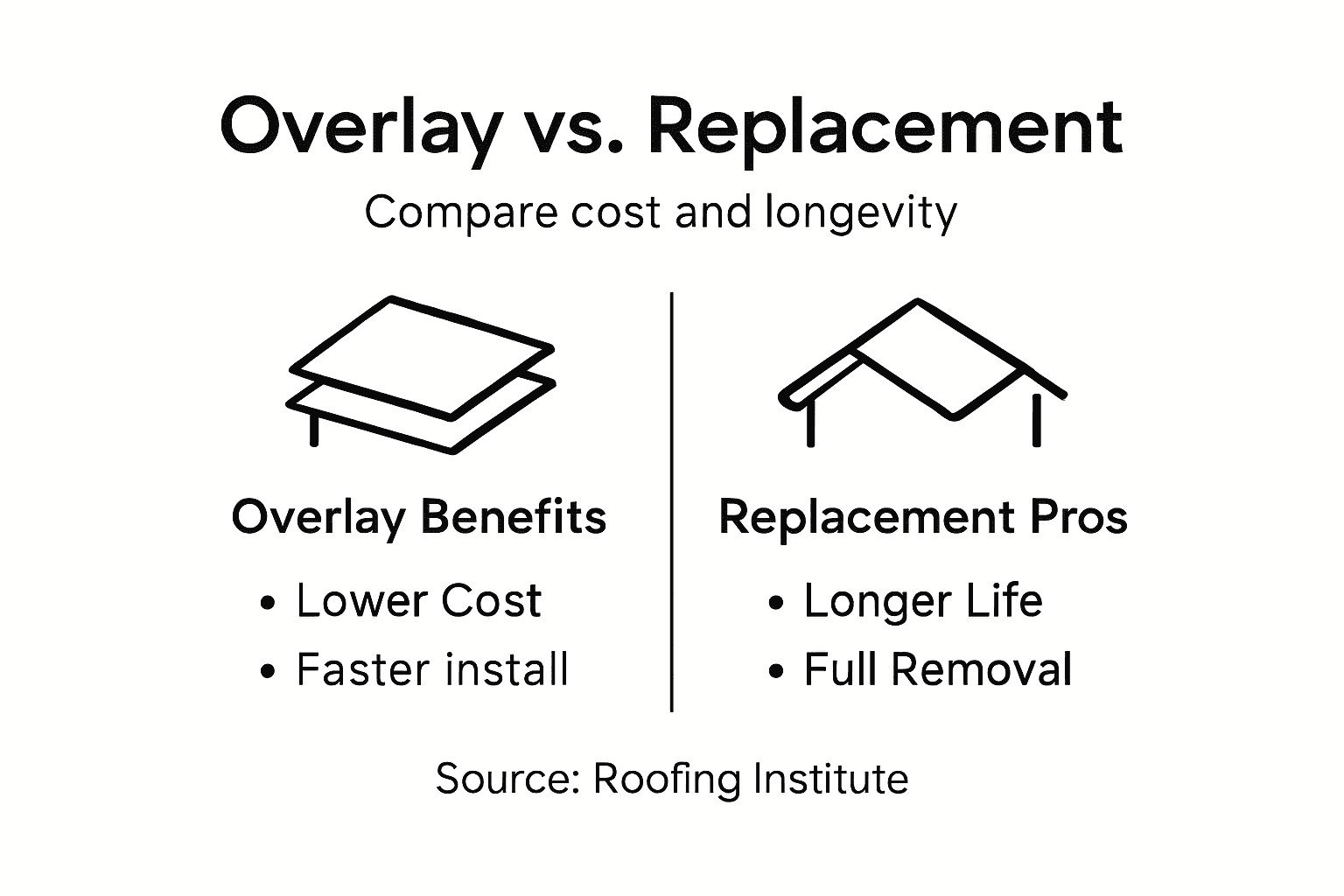
Roof repair strategies offer homeowners critical choices between overlay techniques and complete roof replacement, each with unique advantages and potential limitations. Understanding the nuanced differences can help ensure the most cost-effective and long-lasting roofing solution.
Key Comparison Points:
Roof Overlay:
- Lower upfront costs
- Faster installation process
- Minimal property disruption
- Suitable for roofs with minor damage
- Limited to specific roof conditions
Full Roof Replacement:
- Comprehensive structural assessment
- Complete removal of existing roofing
- Opportunity to address underlying deck issues
- Longer-term performance guarantee
- Higher initial investment
Critical Decision Factors:
- Current Roof Condition
- Budget Constraints
- Long-Term Performance Expectations
- Local Building Code Requirements
- Home’s Overall Structural Integrity
Professional roofers recommend a thorough inspection to determine whether an overlay provides a viable alternative to complete roof replacement. Each roofing scenario presents unique challenges that require careful evaluation by experienced professionals.
Pro tip: Request a detailed professional roof assessment to accurately determine whether an overlay or full replacement best suits your specific roofing needs.
Here’s how common roofing scenarios align with overlay and replacement options:
| Scenario | Overlay Suitability | Replacement Suitability |
|---|---|---|
| Minor surface damage | Ideal candidate | Possible, but less needed |
| Structural weakness | Not recommended | Strongly recommended |
| Aging roof (15+ years) | May be short-term option | Preferred long-term solution |
| Budget limitations | More affordable | Higher initial costs |
| Building code updates | May not achieve compliance | Ensures full compliance |
Cost, Risks, and Common Pitfalls
Multi-ply roofing systems present complex considerations for homeowners evaluating roof overlay options. Understanding the financial and structural risks is crucial for making an informed decision about your roofing investment.
Financial Risks:
- Potential hidden repair costs
- Incremental expenses from improper installation
- Limited long-term protection compared to full replacement
- Varying material and labor pricing
Structural Risks:
- Concealed roof deck damage
- Added weight compromising structural integrity
- Potential moisture retention
- Reduced overall roof performance
Common Installation Pitfalls:
- Inadequate Surface Preparation
- Failing to properly clean existing roof surface
- Ignoring minor structural defects
- Skipping critical inspection steps
- Poor Material Compatibility
- Mismatched overlay materials
- Incorrect adhesion techniques
- Disregarding manufacturer specifications
Roofing limitations can significantly impact long-term performance, with potential consequences ranging from reduced roof lifespan to complete system failure. Professional assessment remains the most reliable approach to mitigating these risks.
Pro tip: Request comprehensive documentation and warranties from your roofing contractor to ensure full transparency about potential risks and coverage.
Extend Your Roof’s Life With Expert Overlay Solutions
Struggling with an aging roof but worried about the high costs of full replacement The article highlights how a roof overlay can provide an affordable and less disruptive option to extend your roof’s lifespan while addressing minor damage and preserving your home’s structural integrity. Key concerns such as weight considerations, moisture risks, and building code compliance require expert handling to avoid costly pitfalls.
Discover how our roofing specialists at J. A. Kelly Contracting Services provide professional roof overlay inspections and installations tailored to your home. We understand the importance of thorough assessment and proper preparation to ensure maximum durability and long-term performance for your investment. Visit our Roofing Archives – J. A. Kelly Contracting Services page to learn more about roofing options designed for homes in Moncton and nearby areas. Ready to protect your largest investment confidently Contact us today through https://jakellycontractingservices.ca and schedule a free estimate or consultation. Your roof deserves trusted craftsmanship and expert care.
Frequently Asked Questions
What is a roof overlay?
A roof overlay is a method that involves installing a new roofing layer directly on top of an existing roof, providing a cost-effective alternative to complete roof replacement.
How long does a roof overlay typically last?
A roof overlay can extend the lifespan of your roof by 10 to 15 years, depending on the materials used and the quality of installation.
What are the advantages of choosing a roof overlay over a full roof replacement?
The advantages of a roof overlay include lower costs, faster installation, minimal disruption, and the extension of the existing roof’s lifespan without the need for complete removal.
What are the risks associated with roof overlays?
The risks include added weight on the structure, limited ability to repair significant underlying damage, moisture retention between layers, and potentially reduced long-term performance compared to a full roof replacement.
Recommended
- Roofing Installation Guide: Step-By-Step for Homeowners – J. A. Kelly Contracting Services
- Timely Roof Repairs: Complete Guide for Homeowners – J. A. Kelly Contracting Services
- What Is a Roofing Warranty and Why It Matters – J. A. Kelly Contracting Services
- Roofing Financing Options Explained: Complete Guide – J. A. Kelly Contracting Services
- Construction Estimating & Cost Planning Blog UK