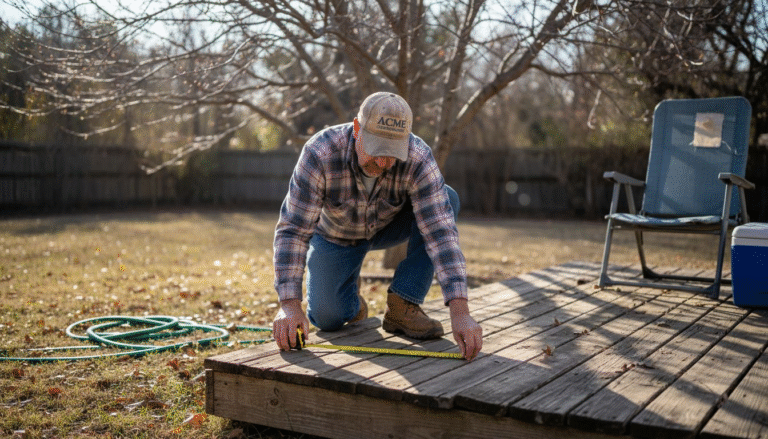





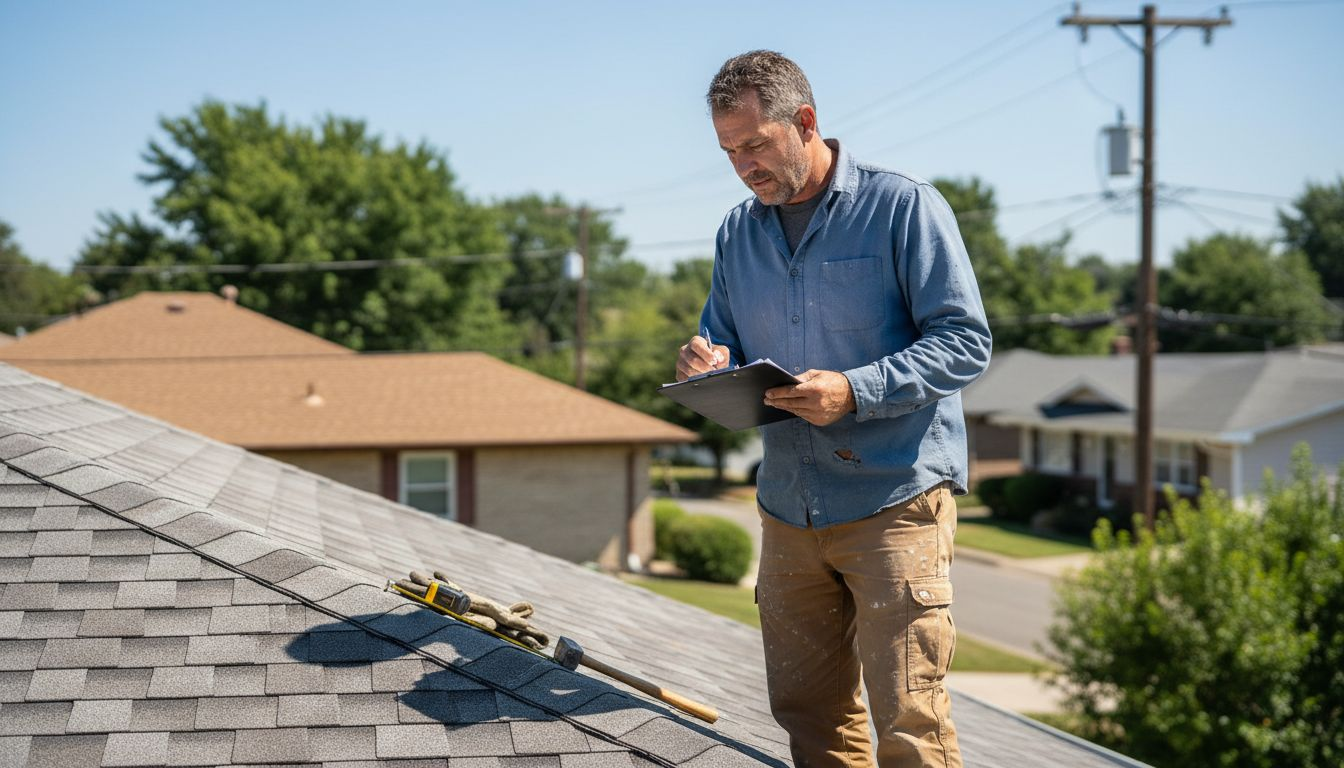
Deck resurfacing is making waves with American design trends influencing outdoor renovations across New Brunswick. Homeowners in Moncton are realizing that neglected decks can quietly decrease property value by up to 10 percent and also create safety hazards for families. Choosing an affordable, professional solution means you can restore beauty, protect your loved ones, and mirror the curb appeal seen in leading North American neighborhoods.
Table of Contents
- Defining Deck Resurfacing and Key Concepts
- Types of Deck Resurfacing Materials Explained
- The Deck Resurfacing Process Step by Step
- Signs You Need Resurfacing vs. Replacement
- Cost Factors and Maintenance Considerations
- Common Mistakes and How to Avoid Them
Key Takeaways
| Point | Details |
|---|---|
| Deck Resurfacing Overview | Deck resurfacing renews existing outdoor wooden surfaces, enhancing functionality and aesthetic without full replacement. |
| Material Selection Importance | Choose materials based on durability, maintenance needs, and environmental factors to ensure long-term value. |
| Inspection Prior to Resurfacing | Conduct a thorough inspection to identify hidden structural issues that may require professional intervention. |
| Surface Preparation Crucial | Proper surface preparation is essential for successful resurfacing, including cleaning and addressing underlying issues. |
Defining Deck Resurfacing and Key Concepts
Deck resurfacing is a strategic home improvement technique designed to renew and restore an existing outdoor wooden surface without complete replacement. At its core, deck resurfacing involves repairing and refinishing) the top layer of a deck to extend its functional lifespan and aesthetic appeal.
The process typically involves several critical steps: thorough surface cleaning, identifying and repairing structural damage, removing loose or splintered wood, and applying new protective coatings. Homeowners choose resurfacing as a cost-effective alternative to full deck reconstruction, allowing them to address surface wear while maintaining the existing structural framework. This approach not only improves the deck’s appearance but also enhances safety by eliminating potential hazards like loose boards or deteriorating surfaces.
Key components of effective deck resurfacing include careful surface preparation, selecting appropriate treatment materials, and understanding the specific environmental challenges faced by outdoor wooden structures. Resurfacing addresses common issues such as UV damage, moisture penetration, wood rot, and general weathering that can compromise a deck’s integrity over time. By systematically treating these surface-level concerns, homeowners can significantly extend their deck’s durability and maintain its original structural strength.
Pro Tip: Before starting a deck resurfacing project, always conduct a comprehensive inspection to identify hidden structural issues that might require professional attention.
Types of Deck Resurfacing Materials Explained
Deck resurfacing offers homeowners multiple material options, with composite lumber emerging as a popular choice for modern outdoor spaces. Composite materials blend wood fibers and plastic, creating a durable surface that resists weathering, staining, and routine maintenance challenges common with traditional wood decking.
Traditional wood remains a classic resurfacing material, prized for its natural aesthetic and lower initial cost. However, synthetic options like PVC and advanced composite materials provide significant advantages. These modern alternatives offer enhanced durability, reduced maintenance requirements, and greater resistance to environmental factors such as moisture, UV exposure, and temperature fluctuations. Synthetic materials can mimic wood grain patterns while providing superior longevity and performance.
Each deck resurfacing material presents unique characteristics that impact long-term value. Wooden surfaces require regular sealing and treatment to prevent rot and decay, whereas composite materials maintain their appearance with minimal intervention. Cost considerations extend beyond initial installation, encompassing maintenance expenses, potential replacement timelines, and aesthetic preservation. Homeowners must evaluate factors like climate exposure, intended usage, budget constraints, and desired maintenance levels when selecting the most appropriate resurfacing material for their specific outdoor environment.
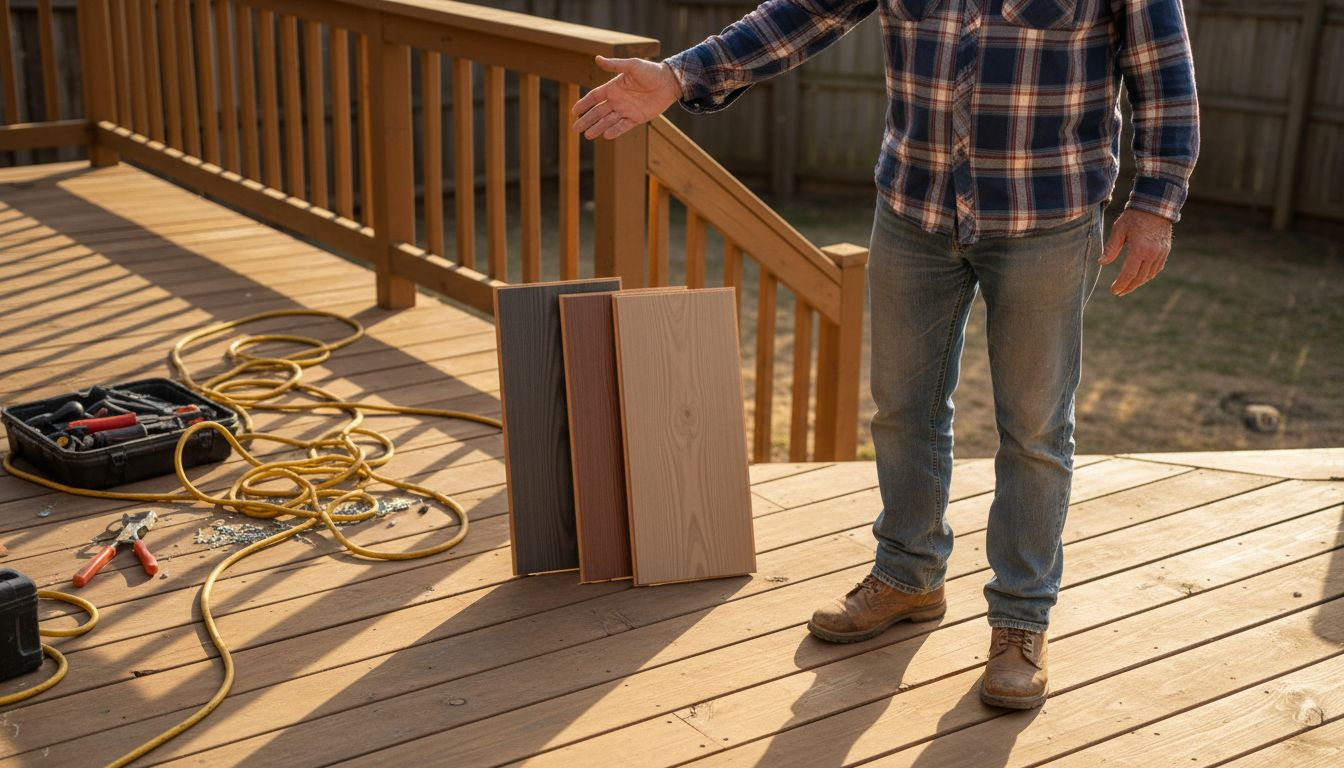
Pro Tip: Always request material samples and compare their performance ratings before making a final deck resurfacing material selection.
Here’s a comparison of common deck resurfacing materials and their maintenance needs:
| Material Type | Durability | Maintenance Effort | Weather Resistance |
|---|---|---|---|
| Pressure-Treated Wood | Moderate lifespan | Requires regular sealing | Prone to rot, UV damage |
| Composite Lumber | High longevity | Minimal upkeep | Excellent moisture resistance |
| PVC Synthetic | Long-lasting | Low maintenance | Superior UV and water defense |
| Natural Wood | Classic look, moderate wear | Seasonal treatment needed | Sensitive to weather changes |
The Deck Resurfacing Process Step by Step
Deck resurfacing begins with a comprehensive surface assessment and preparation, which involves carefully examining the existing deck structure for damage, wear, and potential structural issues. Professionals meticulously inspect the surface for signs of rot, loose boards, splintering, and underlying structural weaknesses that could compromise the resurfacing process.
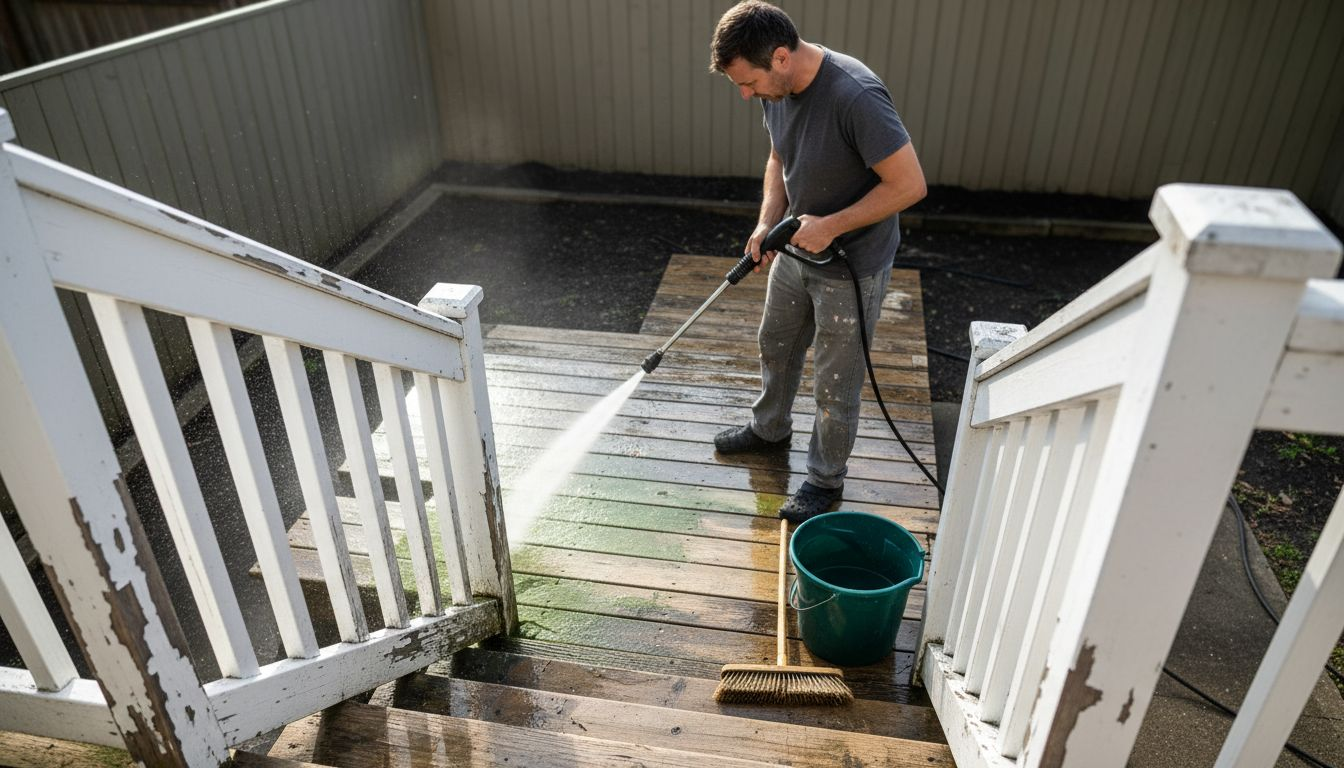
The next critical phase involves thorough surface cleaning and repair. This includes power washing to remove dirt, algae, and old finish, followed by precise repairs to damaged areas. Technicians will replace broken boards, sand down rough surfaces, and address any structural concerns. Specialized repair techniques ensure that the deck’s foundational integrity remains strong, creating a stable base for the new surface materials.
Application of new surface materials represents the most transformative stage of deck resurfacing. Depending on the chosen material – whether composite, wood, or synthetic options – professionals carefully apply protective coatings, sealants, or entirely new decking surfaces. This process requires precise techniques to ensure proper adhesion, even application, and long-term durability. The final step involves allowing sufficient curing time and applying protective treatments that will shield the new surface from environmental challenges like moisture, UV exposure, and temperature fluctuations.
Pro Tip: Schedule deck resurfacing during dry, moderate weather conditions to ensure optimal material application and curing.
Signs You Need Resurfacing vs. Replacement
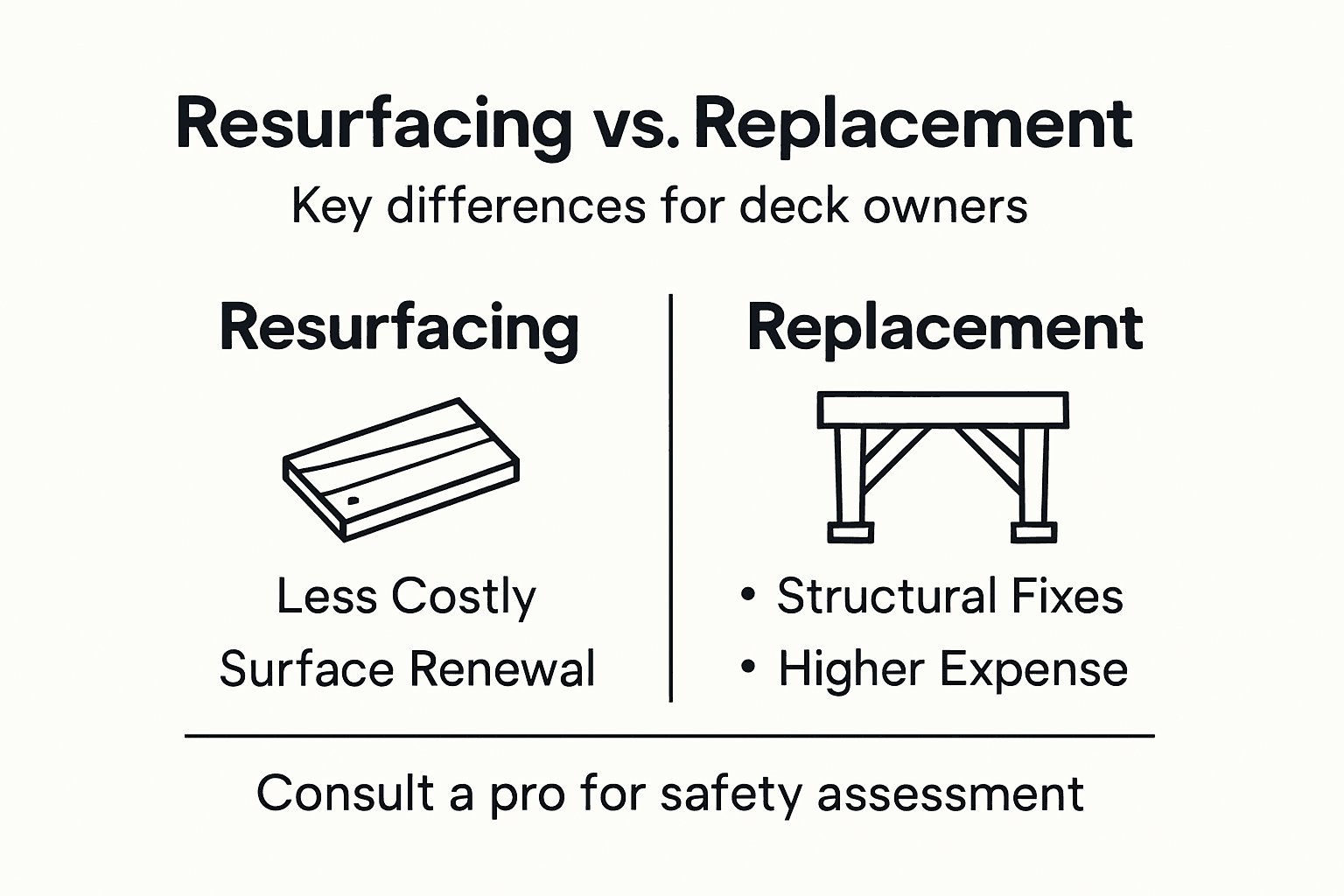
Homeowners must carefully evaluate their deck’s condition to determine whether deck resurfacing or complete replacement is the most appropriate solution. Surface-level damage such as discoloration, minor cracks, and worn finishes typically indicate that resurfacing can effectively restore the deck’s appearance and functionality without requiring a full reconstruction.
Critical structural indicators suggest when replacement becomes necessary. Significant warning signs include extensive wood rot, loose or damaged support joists, railings that have become unstable, and visible separation of the deck’s ledger board from the house structure. These problems compromise the deck’s fundamental safety and integrity, making resurfacing insufficient to address the underlying issues. Structural damage that affects the deck’s core stability represents a clear signal that complete replacement is the only responsible option to ensure user safety.
The decision between resurfacing and replacement involves assessing multiple factors beyond visible damage. Homeowners should consider the deck’s age, overall structural condition, frequency of use, and exposure to harsh environmental conditions. While resurfacing offers a cost-effective solution for cosmetic and minor wear, replacement becomes essential when the existing structure cannot safely support ongoing use. Professional inspection can provide definitive guidance, helping homeowners make informed decisions that balance safety, functionality, and budget considerations.
Pro Tip: Conduct an annual professional deck inspection to catch potential issues before they escalate into major structural problems.
This summary highlights when resurfacing or replacement is most appropriate:
| Deck Issue | Resurfacing Recommended | Replacement Required | Safety Concern |
|---|---|---|---|
| Surface discoloration | Yes | No | No |
| Minor cracks/splinters | Yes | No | No |
| Extensive wood rot | No | Yes | Yes |
| Damaged support joists | No | Yes | Yes |
| Unstable railings | No | Yes | Yes |
Cost Factors and Maintenance Considerations
Deck resurfacing costs are influenced by multiple variables, with material selection playing a crucial role in long-term financial planning. Pressure-treated wood offers the most affordable initial investment but requires consistent maintenance, while composite materials demand higher upfront expenses but provide more durability and reduced ongoing care requirements.
Maintenance strategies directly impact a deck’s longevity and overall cost-effectiveness. Routine inspections, annual cleaning, and timely repairs prevent minor issues from escalating into expensive structural problems. Homeowners should budget for periodic treatments such as sealing, staining, and addressing potential wear spots. The frequency and complexity of maintenance depend on the chosen material, local climate conditions, and the deck’s exposure to environmental stressors.
Beyond direct material and labor costs, homeowners must consider long-term value and performance metrics. Cheaper materials might seem attractive initially but can result in higher cumulative expenses through frequent repairs and premature replacement. Synthetic and composite materials, though more expensive, often provide better resistance to weathering, UV damage, and structural degradation. Calculating the total cost of ownership involves evaluating not just the initial installation price, but ongoing maintenance expenses, expected lifespan, and potential future renovation needs.
Pro Tip: Request detailed maintenance cost projections from contractors when comparing deck resurfacing materials to make a truly informed decision.
Common Mistakes and How to Avoid Them
Homeowners frequently encounter critical errors during deck resurfacing, with common structural mistakes undermining project success. These pitfalls often include inadequate surface preparation, neglecting underlying structural issues, and failing to properly address water drainage and potential damage points. Recognizing these potential problems early can prevent costly repairs and ensure a successful deck restoration project.
One of the most significant mistakes is improper material selection and application. This involves choosing materials incompatible with local climate conditions, failing to properly seal surfaces, and overlooking critical details like ledger board attachment and structural integrity. Homeowners must carefully assess their deck’s specific requirements, considering factors such as moisture exposure, temperature fluctuations, and expected usage patterns. Professional consultation can help identify potential vulnerabilities and recommend appropriate resurfacing strategies that address both aesthetic and functional concerns.
Safety and compliance represent another critical area where mistakes frequently occur. Many DIY enthusiasts underestimate the importance of building codes, permit requirements, and proper installation techniques. Improper attachment methods, insufficient support structures, and neglecting safety standards can lead to dangerous conditions that compromise the deck’s long-term usability. Engaging qualified professionals who understand local building regulations and best practices is essential to avoiding these potentially hazardous mistakes.
Pro Tip: Always consult a professional inspector before beginning any deck resurfacing project to identify potential hidden issues and ensure compliance with local building standards.
Restore Your Outdoor Living Space with Expert Deck Resurfacing Solutions
If you are noticing signs of wear, discoloration, or minor cracks on your deck it is time to consider professional deck resurfacing to enhance safety and extend its life. The process of repairing, refinishing, and protecting your deck surface can prevent costly replacements and revitalize your outdoor space. At J. A. Kelly Contracting Services, we understand the challenges of wood rot, UV damage, and moisture exposure that threaten your deck’s integrity in Moncton, New Brunswick.
Transform your aging deck with trusted experts who deliver quality craftsmanship and seamless improvements. Explore our Home Renovation Archives for inspiration and learn about our comprehensive residential services. Don’t wait until structural damage forces you to replace your entire deck. Visit J. A. Kelly Contracting Services today and schedule your inspection to secure your deck’s future with confidence.
Frequently Asked Questions
What is deck resurfacing?
Deck resurfacing is a home improvement technique that renews and restores an existing outdoor wooden surface without the need for complete replacement. It involves repairing and refinishing the top layer of the deck to extend its lifespan and improve its appearance.
When should I consider deck resurfacing over replacement?
Deck resurfacing is recommended for surface-level damages such as minor cracks, discoloration, or worn finishes. If you notice significant structural issues like extensive wood rot, damaged support joists, or unstable railings, replacement is likely necessary for safety.
What are the benefits of using composite materials for deck resurfacing?
Composite materials offer high durability, excellent weather resistance, and low maintenance compared to traditional wood. They resist environmental factors like moisture and UV damage, providing a long-lasting surface that maintains its appearance over time.
How do I maintain my deck after resurfacing?
Regular maintenance is essential for longevity. This includes routine inspections, annual cleaning, and timely repairs. The specific maintenance required will depend on the material used; for instance, wood needs periodic sealing, while composites require minimal upkeep.
Recommended
- What Is Deck Construction and Why It Matters – J. A. Kelly Contracting Services
- Complete Guide to Roof Decking for Homeowners – J. A. Kelly Contracting Services
- 7 Essential Deck Renovation Tips for Homeowners – J. A. Kelly Contracting Services
- Role of a Deck Contractor: Everything You Need to Know – J. A. Kelly Contracting Services