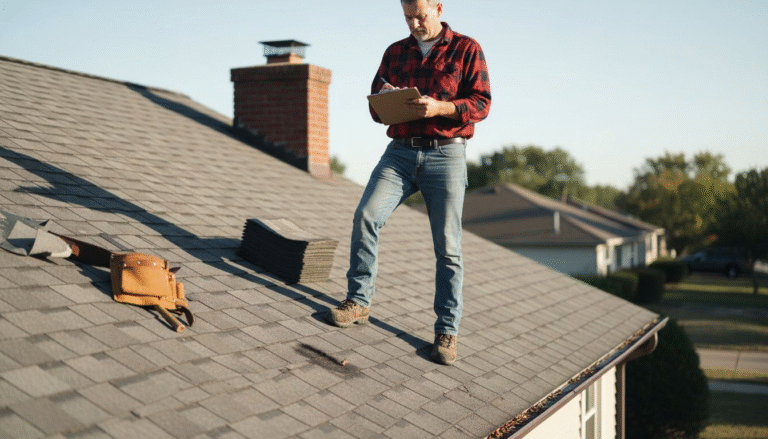
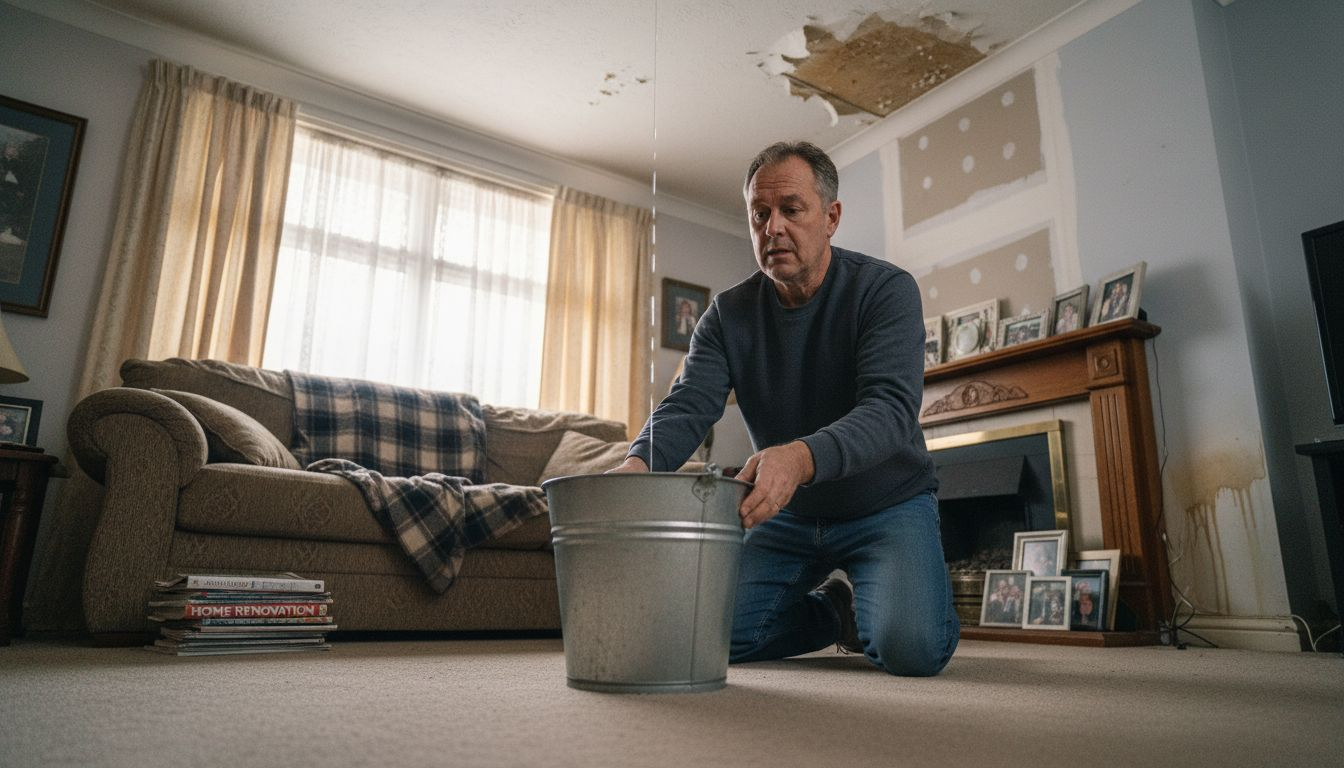

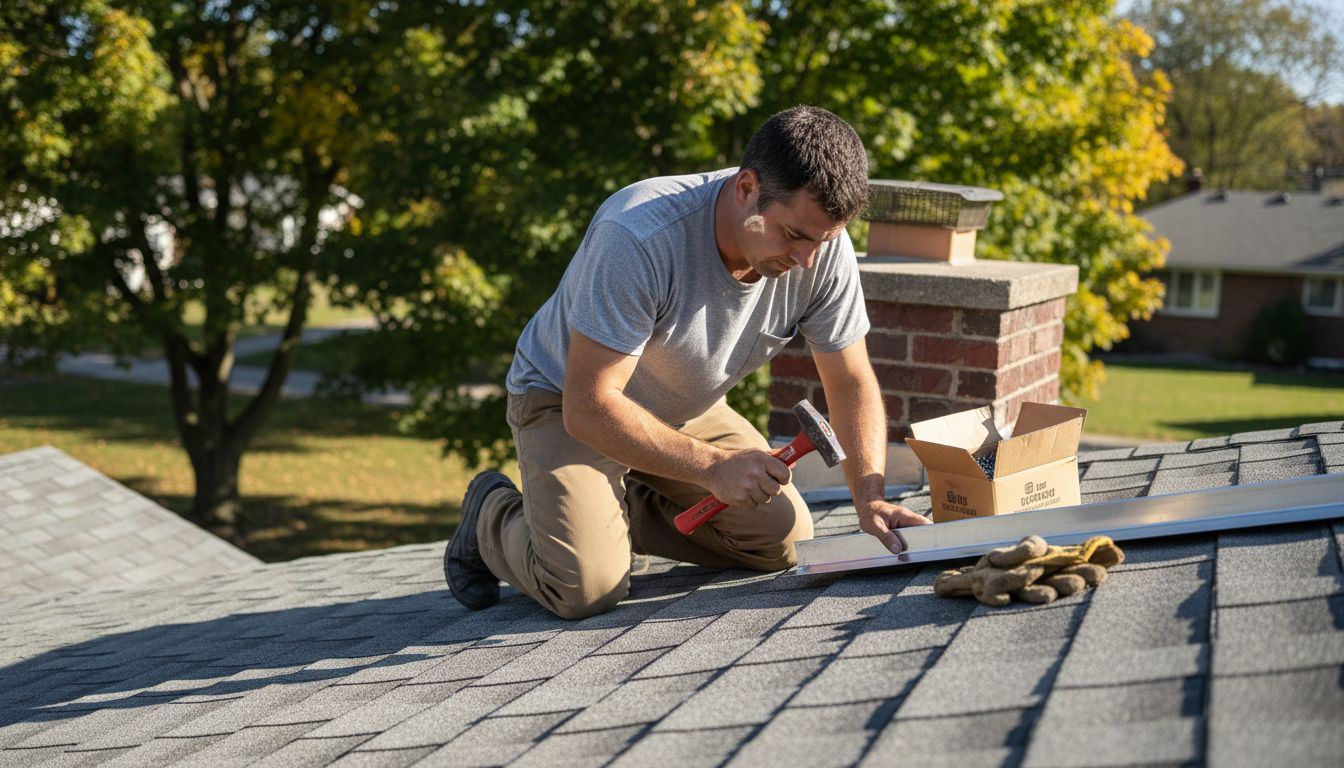




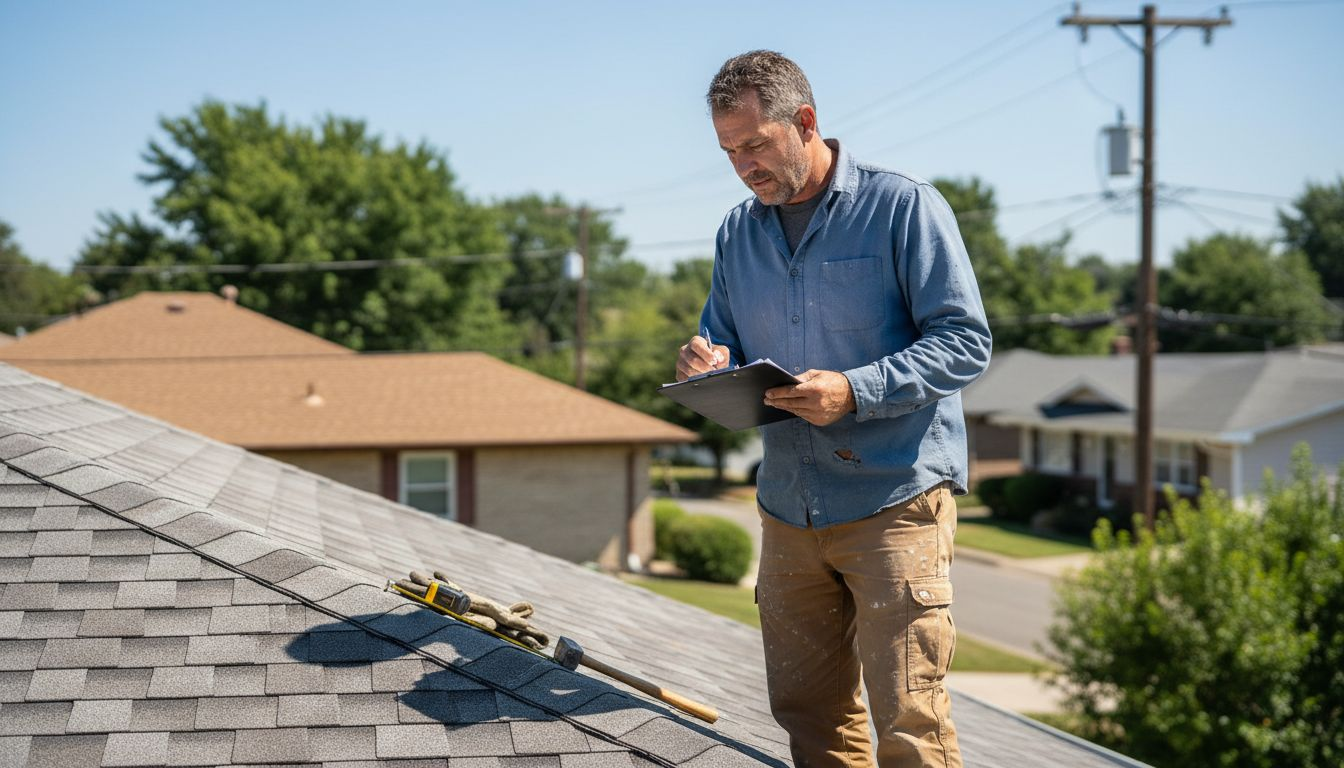
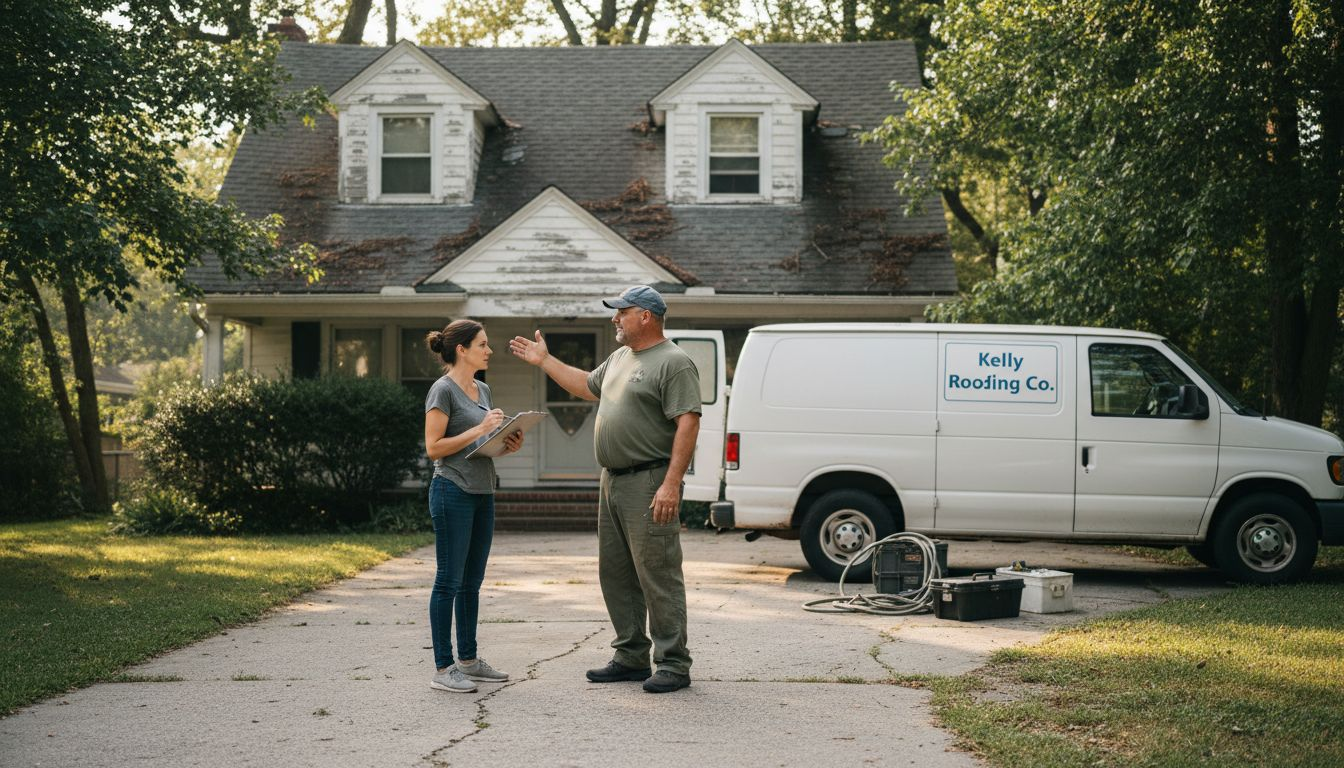
Most Moncton homeowners underestimate how quickly roofing code updates can impact renovation costs and timelines. With new regulations inspired by both Canadian and American standards, missing even one code update may lead to costly rework or failed inspections. Staying informed is crucial for anyone planning home improvements in 2025. This guide reveals how smart planning and current compliance knowledge help protect your investment and avoid common renovation mistakes.
Table of Contents
- Roofing Codes Defined and Common Myths
- Types of Roofing Standards in 2025
- Key Features of Updated Codes
- Legal Compliance and Permitting Process
- Risks, Costs, and Common Mistakes
- Comparing Roofing Alternatives and Best Practices
Key Takeaways
| Point | Details |
|---|---|
| Understanding Roofing Codes is Essential | Building codes protect homeowners by setting guidelines for safety, performance, and durability of roofing systems. Always consult local authorities for specific code requirements. |
| Importance of Material Compliance | Roofing materials must meet updated standards that emphasize fire resistance, wind load capabilities, and environmental sustainability. Ensure compliance with rigorous testing protocols. |
| Thorough Permitting Process | Roofing projects require detailed plan submissions and inspections to verify compliance with local building codes. Avoid costly penalties by following the permitting process diligently. |
| Adapting to Modern Alternatives | Homeowners should consider advanced roofing materials that meet stringent performance standards for durability and environmental impact, ensuring informed investment decisions. |
Roofing Codes Defined and Common Myths
Building codes represent structured guidelines that govern construction practices, providing critical standards for residential roofing projects. These regulations are not arbitrary rules but carefully designed protocols aimed at protecting homeowners from potential structural failures and safety risks. Roofing code requirements specifically focus on weather protection, structural performance, material quality, and precise installation techniques.
In the United States, most jurisdictions adopt the International Building Code (IBC) and International Residential Code (IRC) as foundational references, though local municipalities often implement unique amendments. These codes establish minimum performance standards that ensure roofing systems can withstand environmental challenges specific to regional conditions. Common myths about roofing codes include misconceptions that they are uniform nationwide or that they represent unnecessary bureaucratic restrictions.
Understanding roofing codes requires recognizing their nuanced nature. Building codes provide rules and standards designed to protect public health and safety, which means they evolve continuously to address emerging construction technologies and environmental challenges. Homeowners should recognize that these regulations are not static documents but dynamic frameworks responsive to technological advancements and regional environmental conditions.
Pro Tip: Always consult local building authorities directly to confirm specific roofing code requirements for your exact location, as regional variations can significantly impact compliance standards.
Types of Roofing Standards in 2025
Roofing standards have evolved dramatically in 2025, reflecting increasingly sophisticated approaches to construction safety and performance. ASTM roofing standards play a critical role in establishing comprehensive specifications for testing and evaluating roofing materials across multiple dimensions including protection, insulation, and overall durability. These standards cover an extensive range of roofing technologies, from bituminous emulsions to advanced liquid-applied coatings and modified bitumen roofing systems.
The landscape of roofing regulations in 2025 involves complex interactions between national and local building codes. International building codes like the International Building Code (IBC), International Residential Code (IRC), and International Energy Conservation Code (IECC) serve as foundational frameworks. Individual states and municipalities frequently customize these standards, adding unique amendments that address specific regional environmental conditions, climate challenges, and safety requirements.
Modern roofing standards now emphasize comprehensive performance metrics beyond traditional structural considerations. Contemporary codes mandate rigorous assessments of fire resistance, thermal efficiency, wind load capabilities, and environmental sustainability. Manufacturers and contractors must demonstrate compliance through detailed testing protocols, ensuring that roofing systems meet increasingly stringent performance benchmarks designed to protect homeowners and enhance long-term building resilience.
Pro Tip: Request a detailed compliance checklist from your local building department to understand the specific roofing standards applicable to your specific geographic region and building type.
Key Features of Updated Codes
Roofing codes in 2025 represent a significant leap forward in protecting residential structures, with comprehensive updates that address emerging environmental challenges and technological advancements. Updated roofing standards now emphasize a holistic approach to building resilience, focusing on multiple critical performance dimensions including weather resistance, energy efficiency, fire protection, and structural integrity. These evolving regulations reflect a proactive response to increasingly complex climate risks and the need for more robust building technologies.
The new standards introduce more stringent testing and certification requirements for roofing systems. FORTIFIED roofing standards now mandate comprehensive evaluations of roofing materials and installation techniques, with particular emphasis on natural hazard resistance. Contractors must demonstrate advanced capabilities in wind and hail protection, implementing specialized techniques that go beyond traditional minimum code compliance. This shift represents a fundamental reimagining of roofing performance, prioritizing long-term durability and homeowner protection.
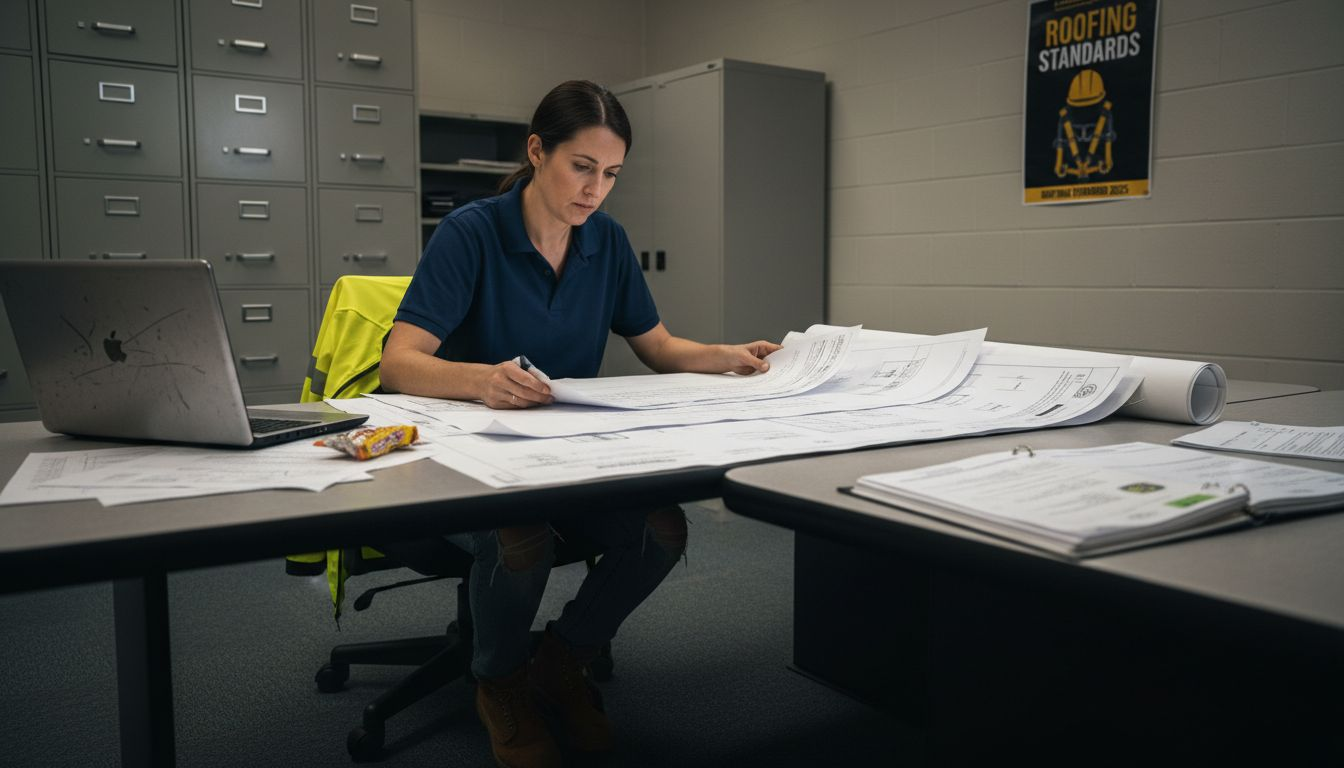
Key performance metrics now include advanced assessments of thermal efficiency, environmental sustainability, and structural resilience. Roofing systems must now demonstrate enhanced capabilities in areas such as wind load resistance, energy conservation, and material sustainability. Manufacturers and contractors face increasingly complex compliance requirements, with detailed documentation and rigorous testing protocols becoming standard practice. These updates reflect a broader understanding of roofing as a critical system that impacts overall building performance, energy consumption, and environmental impact.
Pro Tip: Consult with a certified roofing professional who specializes in the latest 2025 code requirements to ensure your roofing project meets all current regulatory standards and performance benchmarks.
Legal Compliance and Permitting Process
Roofing projects in 2025 demand meticulous attention to legal requirements, with increasingly complex regulatory landscapes that homeowners must navigate carefully. Local building codes establish comprehensive guidelines that govern every aspect of roofing installation and repair, from material selection to installation techniques. These regulations are designed to ensure structural integrity, safety, and long-term performance of residential roofing systems.
The permitting process has become more sophisticated, requiring detailed documentation and multiple inspection points. Roofing permit requirements now mandate that homeowners and contractors submit comprehensive project plans, demonstrating compliance with the latest International Residential Code (IRC) standards. Municipalities typically require permits for most roofing work, with exceptions only for minor repairs. This process involves multiple critical stages, including initial application, plan review, material verification, and scheduled inspections at key project milestones.
Compliance goes far beyond simple paperwork, encompassing technical specifics of roofing installation. Contractors must provide detailed documentation of material specifications, installation techniques, and compliance with local environmental and safety standards. Homeowners should anticipate thorough inspections that examine underlayment, flashing, ventilation, and overall structural integration. Failure to obtain proper permits or meet code requirements can result in significant penalties, including potential fines, mandatory removal of non-compliant work, and complications with future property sales or insurance claims.
The following table summarizes critical stages in the 2025 roofing permit process:
| Stage | Required Documentation | Inspection Focus | Typical Outcome |
|---|---|---|---|
| Application | Project plans, materials | Administrative review | Approval to proceed or corrections |
| Mid-Project | Materials verification | Underlayment, flashing | Continued work authorization |
| Final Inspection | Completed work checklist | Structural and code compliance | Permit sign-off or rework needed |
Pro Tip: Request a comprehensive checklist from your local building department before starting your roofing project to ensure you understand all specific permitting requirements and documentation needed for full compliance.
Risks, Costs, and Common Mistakes
Roofing projects involve complex financial and structural risks that can quickly escalate without proper planning and understanding. Common roofing mistakes frequently stem from inadequate material selection, improper installation techniques, and critical oversights in preparation and execution. Weather-related vulnerabilities such as hail damage, wind resistance, and moisture penetration represent significant potential financial and structural threats that can dramatically increase long-term repair costs.
The financial implications of roofing mistakes extend far beyond initial installation expenses. Building code compliance directly impacts both immediate project costs and future property value, with non-compliant installations potentially leading to substantial legal and insurance complications. Homeowners risk significant financial penalties, including mandatory re-work, potential property devaluation, and challenges with insurance claims if roofing installations do not meet current regulatory standards.
Most costly mistakes arise from attempting to cut corners or avoid professional guidance. Critical errors include skipping required underlayment, using inappropriate fastening techniques, neglecting proper ventilation, and failing to obtain necessary permits. These oversights can compromise roof structural integrity, reduce system lifespan, and create vulnerabilities that expose homes to potential water damage, energy inefficiency, and increased maintenance expenses. Professional contractors who understand current code requirements can help mitigate these risks through meticulous planning and execution.
Pro Tip: Always request detailed written documentation of code compliance and material specifications from your roofing contractor to protect yourself against potential future risks and unexpected expenses.
Comparing Roofing Alternatives and Best Practices
Modern roofing alternatives have evolved significantly, offering homeowners increasingly sophisticated options that balance performance, durability, and regulatory compliance. Roofing material selections now require comprehensive evaluation beyond traditional aesthetic considerations, encompassing critical factors like fire resistance, weather protection, and long-term structural integrity. Contemporary homeowners must navigate a complex landscape of materials including asphalt shingles, metal roofing, tile systems, and advanced synthetic alternatives.
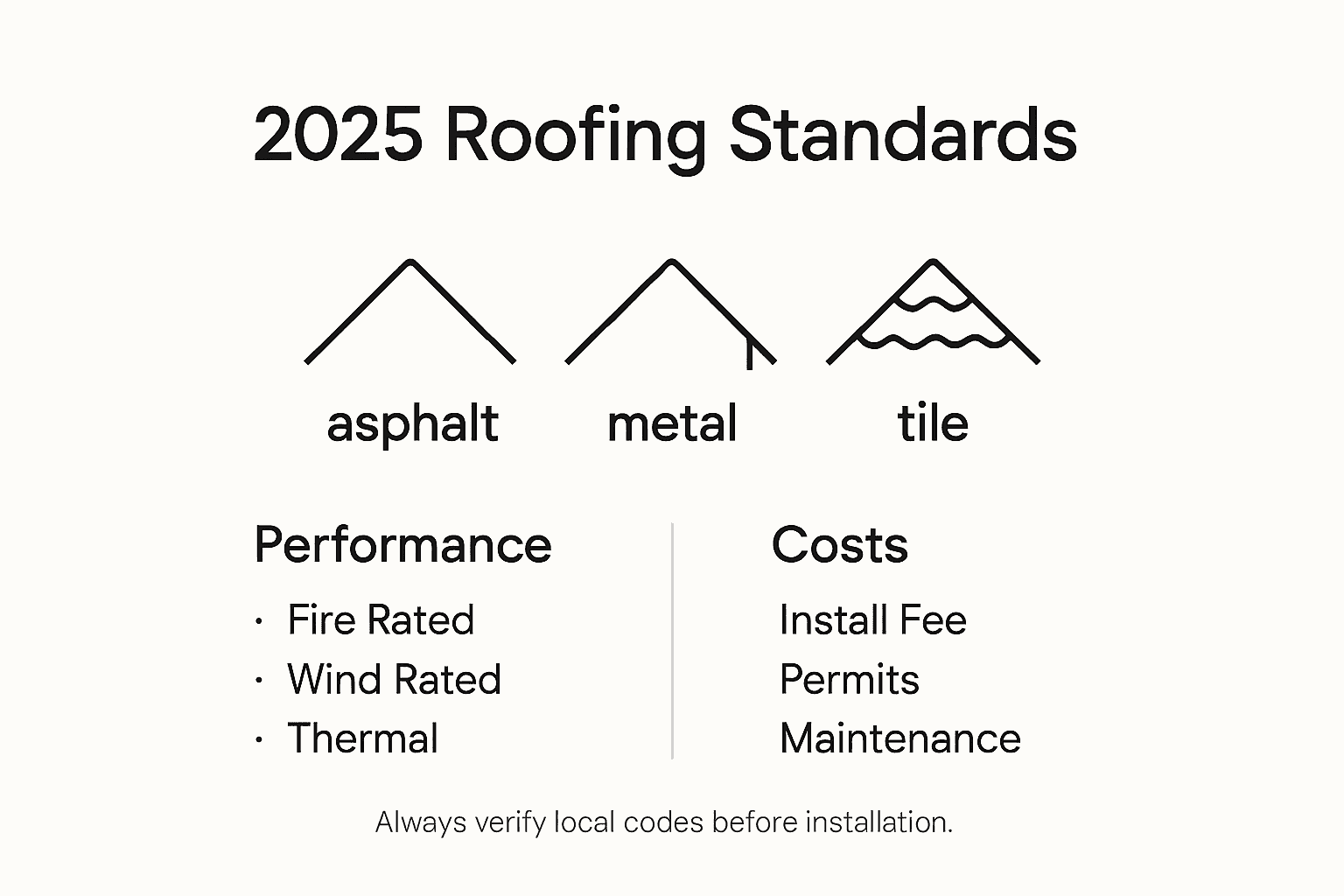
Each roofing material presents unique advantages and challenges when measured against current building codes and performance standards. Resilient roofing systems now prioritize impact resistance, energy efficiency, and adaptability to extreme weather conditions. Metal roofing, for instance, offers superior durability and wind resistance, while advanced asphalt shingles with specialized granule coatings provide enhanced protection against hail and UV degradation. Professional contractors increasingly recommend solutions that exceed minimum code requirements, focusing on comprehensive system performance rather than isolated material characteristics.
Selecting the optimal roofing solution requires a nuanced understanding of local environmental conditions, architectural requirements, and emerging technological innovations. Climate-specific considerations play a crucial role in material selection, with coastal regions demanding different solutions compared to areas experiencing extreme temperature fluctuations. Advanced materials like synthetic slate, engineered metal systems, and composite shingles now provide homeowners with unprecedented options for balancing aesthetic preferences, budgetary constraints, and rigorous performance standards.
Here is a comparison of common roofing materials based on key 2025 code requirements:
| Material Type | Fire Resistance | Wind Performance | Environmental Impact | Cost Range |
|---|---|---|---|---|
| Asphalt Shingles | Moderate to High | Good in most regions | Recyclable options available | Low to Moderate |
| Metal Roofing | Excellent | Excellent | Highly recyclable | Moderate to High |
| Tile Systems | Good | Moderate | Long lifespan, higher energy use | High |
| Synthetic Materials | Varies by product | Good | Mixed; some made from recycled | Moderate |
Pro Tip: Request comprehensive performance data and code compliance certification for any roofing material before installation to ensure you’re making an informed, future-proof investment.
Ensure Your Roof Meets 2025 Roofing Codes With Expert Help
Navigating the evolving landscape of roofing codes and standards can be overwhelming, especially with stringent requirements around weather resistance, structural integrity, and energy efficiency. Homeowners need trusted guidance to avoid costly mistakes like non-compliance or poor installation that can jeopardize safety and long-term durability. At J. A. Kelly Contracting Services, we specialize in residential roofing solutions tailored to meet the latest 2025 code requirements. Our skilled team ensures your roofing project conforms to local regulations while delivering the highest quality craftsmanship.
Explore our comprehensive Roofing Archives – J. A. Kelly Contracting Services to learn more about how we handle complex roofing challenges with precision. Don’t risk penalties or property damage by overlooking essential codes. Contact us today through https://jakellycontractingservices.ca for a free consultation and take the first step toward a safe, compliant, and durable roof designed for Moncton’s unique climate. Your home deserves nothing less than expert care and full code assurance.
Frequently Asked Questions
What are roofing codes and why are they important?
Roofing codes are structured guidelines that establish standards for roofing installation and performance. They are designed to protect homeowners from safety risks and ensure roofs can withstand environmental challenges specific to their regions.
How have roofing standards changed in 2025?
In 2025, roofing standards emphasize improved performance metrics such as fire resistance, energy efficiency, and structural resilience. Codes now require rigorous testing and certification of roofing materials to meet increasingly stringent benchmarks.
What are some common mistakes homeowners make regarding roofing compliance?
Common mistakes include neglecting to obtain necessary permits, improper material selection, and using incorrect installation techniques. These errors can lead to significant financial penalties and jeopardize the safety and longevity of roofing systems.
How can I ensure my roofing project complies with current codes?
To ensure compliance, consult with local building authorities for specific roofing requirements. Engage professional contractors familiar with the latest codes, and request detailed documentation of material specifications and compliance certifications.
Recommended
- Roofing Safety Standards Explained: Protecting Homes and Workers – J. A. Kelly Contracting Services
- Role of Roofing Certifications – Why Homeowners Benefit – J. A. Kelly Contracting Services
- 7 Essential Roofing Maintenance Tips Every Homeowner Should Know – J. A. Kelly Contracting Services
- 7 Common Roofing Problems Every Homeowner Should Know – J. A. Kelly Contracting Services