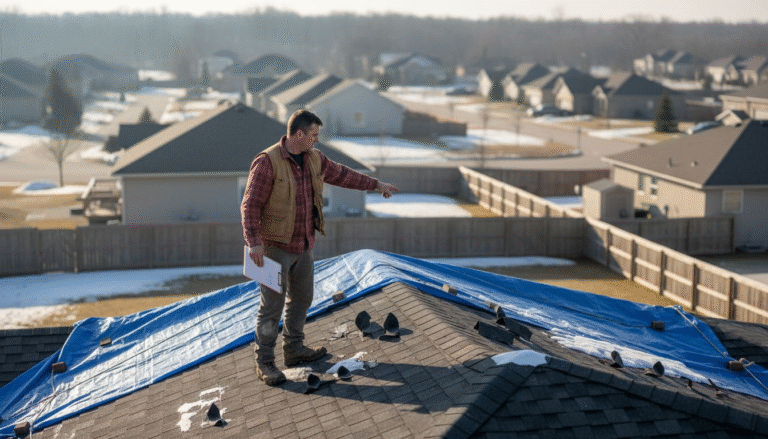
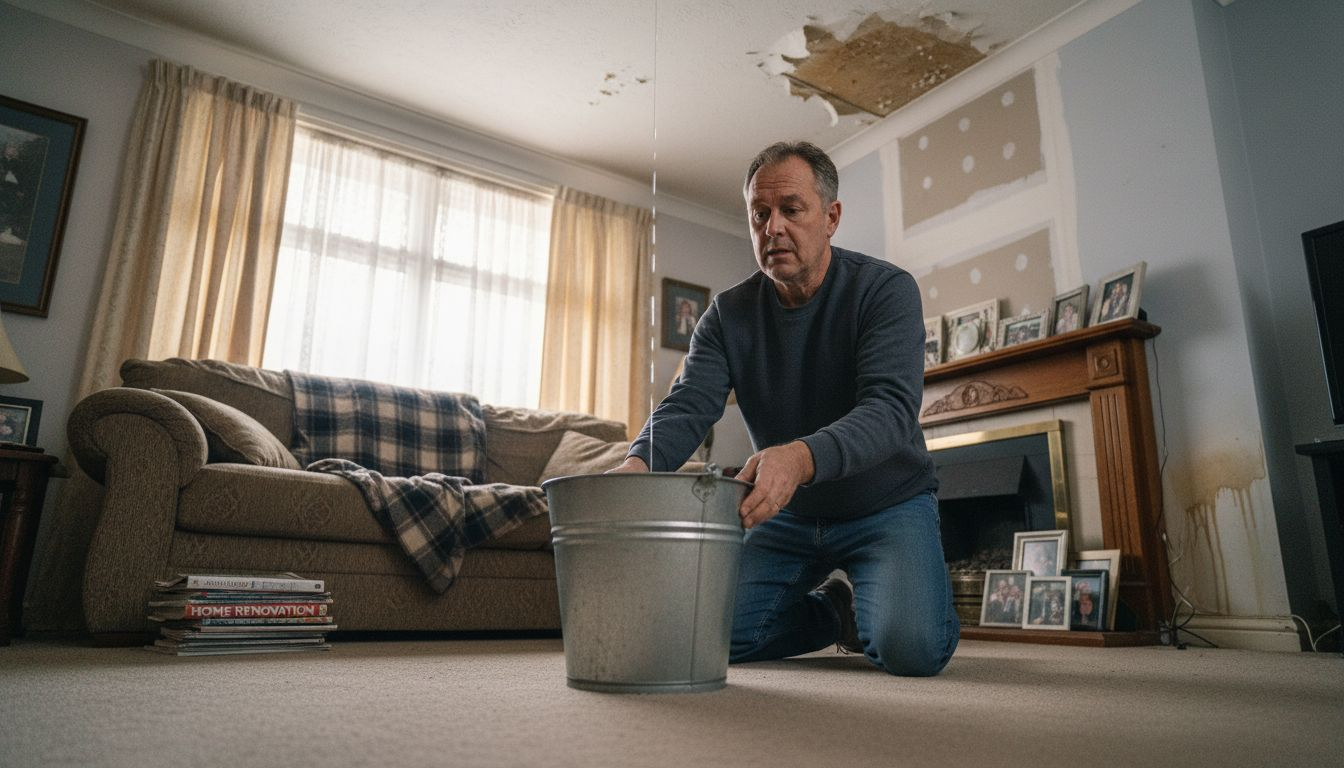

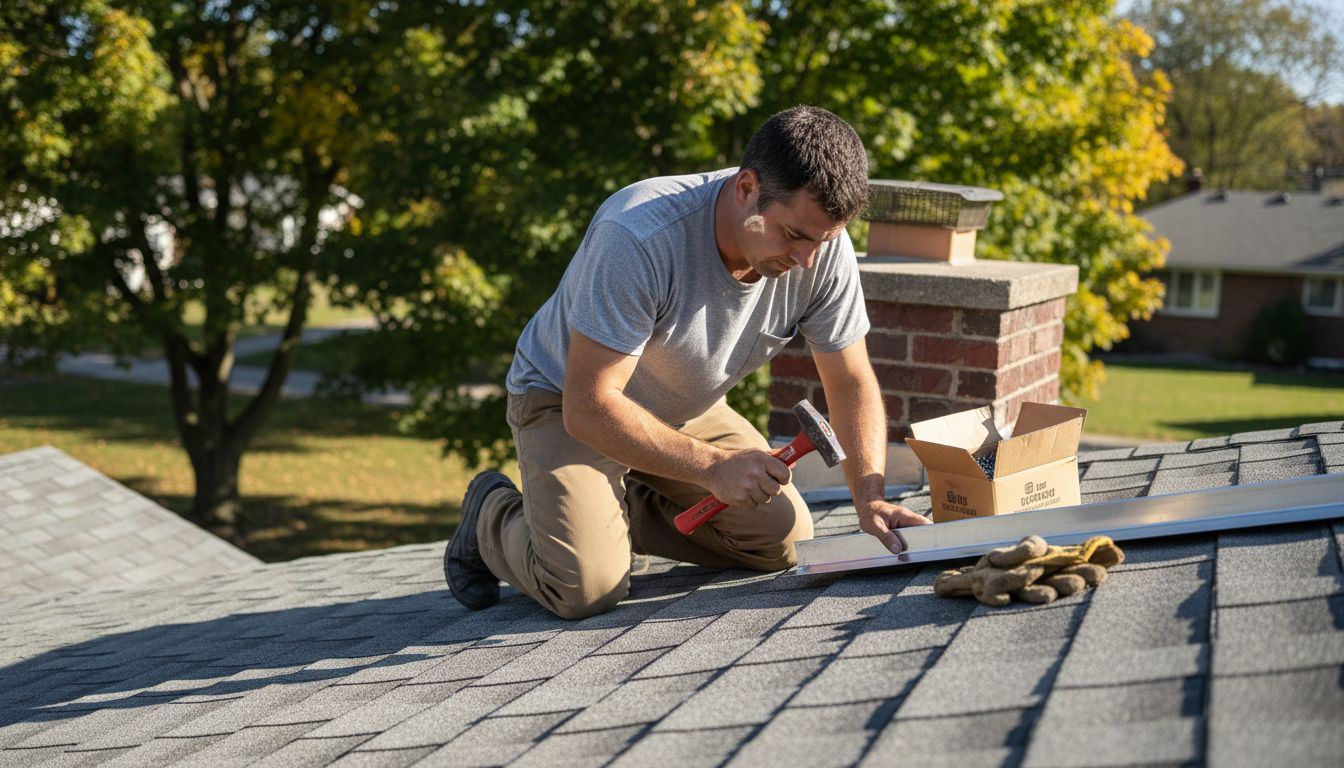


Winter in Moncton can bring more than 250 centimeters of snow each year, putting serious demands on any roof. For homeowners across New Brunswick who want a reliable solution, understanding material choices is essential, whether you prefer American shingles or consider metal for extra durability. This guide reveals how smart decisions based on local climate data and contractor expertise can save money and extend the life of your home.
Table of Contents
- Step 1: Assess Your Home’s Climate Needs
- Step 2: Identify Material Durability and Longevity
- Step 3: Compare Available Roofing Options
- Step 4: Evaluate Cost and Installation Factors
- Step 5: Verify Manufacturer Warranties and Certifications
Quick Summary
| Key Insight | Explanation |
|---|---|
| 1. Understand Local Climate | Assess local climate needs to select roofing materials that withstand specific weather challenges. |
| 2. Evaluate Material Durability | Choose roofing materials based on their lifespan and how they perform in New Brunswick’s harsh climate. |
| 3. Compare Roofing Options | Analyze various roofing materials considering long-term costs, maintenance, and installation requirements. |
| 4. Consider Installation Costs | Factor in labor and installation complexities, as these significantly affect the overall roofing investment. |
| 5. Verify Warranties and Certifications | Thoroughly examine manufacturer warranties for coverage specifics and ensure material compliance with industry standards. |
Step 1: Assess Your Home’s Climate Needs
Selecting the right roofing materials begins with understanding your local climate conditions. Each region presents unique challenges that directly impact your roof’s performance and longevity. The climate data analysis from UC Berkeley’s Clima Tool provides critical insights into how environmental factors influence roofing material selection.
In Moncton and surrounding New Brunswick areas, homeowners face diverse weather conditions including heavy snowfall, significant temperature fluctuations, and moisture challenges. Your roofing material must withstand winter temperatures that can plunge below freezing, summer heat waves, and frequent precipitation. Materials that perform well in one climate might deteriorate rapidly in another, making location specific research crucial. Asphalt shingles work differently in coastal regions compared to inland zones, while metal roofing might offer superior durability in areas with extreme temperature shifts.
Carefully evaluating local weather patterns means examining average annual temperatures, precipitation levels, wind speeds, and potential exposure to severe weather events. Consider consulting local roofing professionals who understand regional nuances and can recommend materials specifically suited to New Brunswick’s unique environmental conditions.
Pro tip: Keep a detailed record of your home’s current roof performance through seasonal changes to help guide your material selection process.
Step 2: Identify Material Durability and Longevity
Choosing roofing materials with superior durability requires understanding how different materials perform under various environmental challenges. The research on building materials with ultra long service life reveals critical insights into material performance and longevity strategies that can help homeowners make informed decisions.
New Brunswick’s harsh climate demands roofing materials that can withstand significant temperature variations, heavy snow loads, and moisture exposure. Each material offers distinct durability characteristics. Asphalt shingles typically last 15 to 25 years, metal roofing can endure 40 to 70 years, and slate or tile roofs might exceed 100 years with proper maintenance. Factors like material composition, installation quality, local weather conditions, and regular maintenance dramatically influence a roof’s actual lifespan.
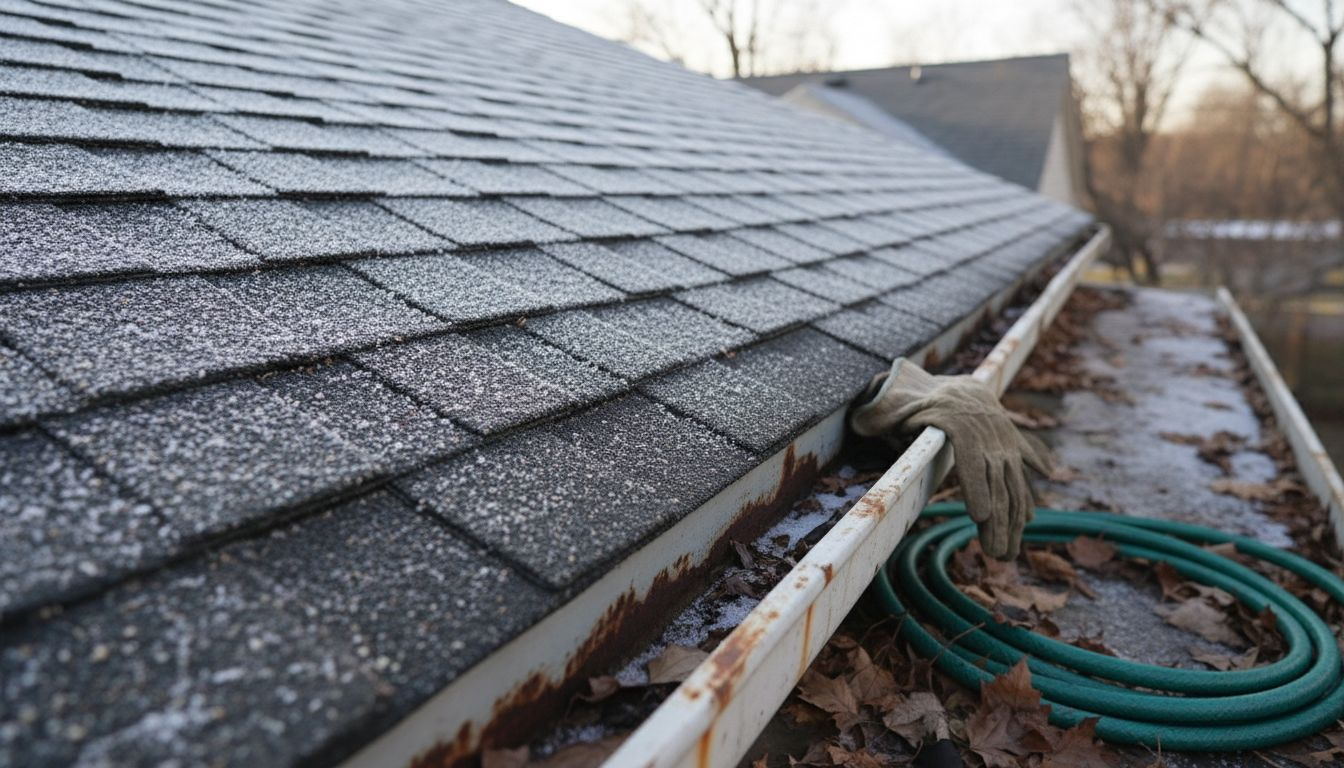
Carefully evaluate manufacturer warranties, independent testing data, and local performance records when assessing material durability. Pay attention to specific ratings for wind resistance, impact strength, UV degradation, and moisture absorption. Understanding these technical specifications helps predict how your chosen roofing material will perform over time.
Pro tip: Always request material samples and professional installation assessments to accurately gauge potential longevity and performance in your specific regional climate.
Step 3: Compare Available Roofing Options
Navigating the world of roofing materials requires a comprehensive understanding of their unique characteristics and performance metrics. Life cycle assessments of roofing systems provide critical insights into the environmental and practical considerations that can help homeowners make informed decisions about their roofing investments.
In New Brunswick, homeowners have several primary roofing options to consider. Asphalt shingles remain the most affordable and widely used, offering decent durability at a lower cost. Metal roofing provides superior longevity and energy efficiency, particularly beneficial in regions with extreme temperature variations. Slate and clay tiles represent premium options with exceptional durability and aesthetic appeal, though they come with higher initial installation costs. Newer technologies like green roofs and solar integrated roofing systems offer innovative solutions that combine environmental benefits with practical protection.
When comparing roofing options, evaluate multiple factors beyond initial cost. Consider long term performance, maintenance requirements, energy efficiency, weight load compatibility with your existing structure, and potential impact on home value. Local building codes, neighborhood aesthetic standards, and your specific architectural design will also influence which materials make the most sense for your home.
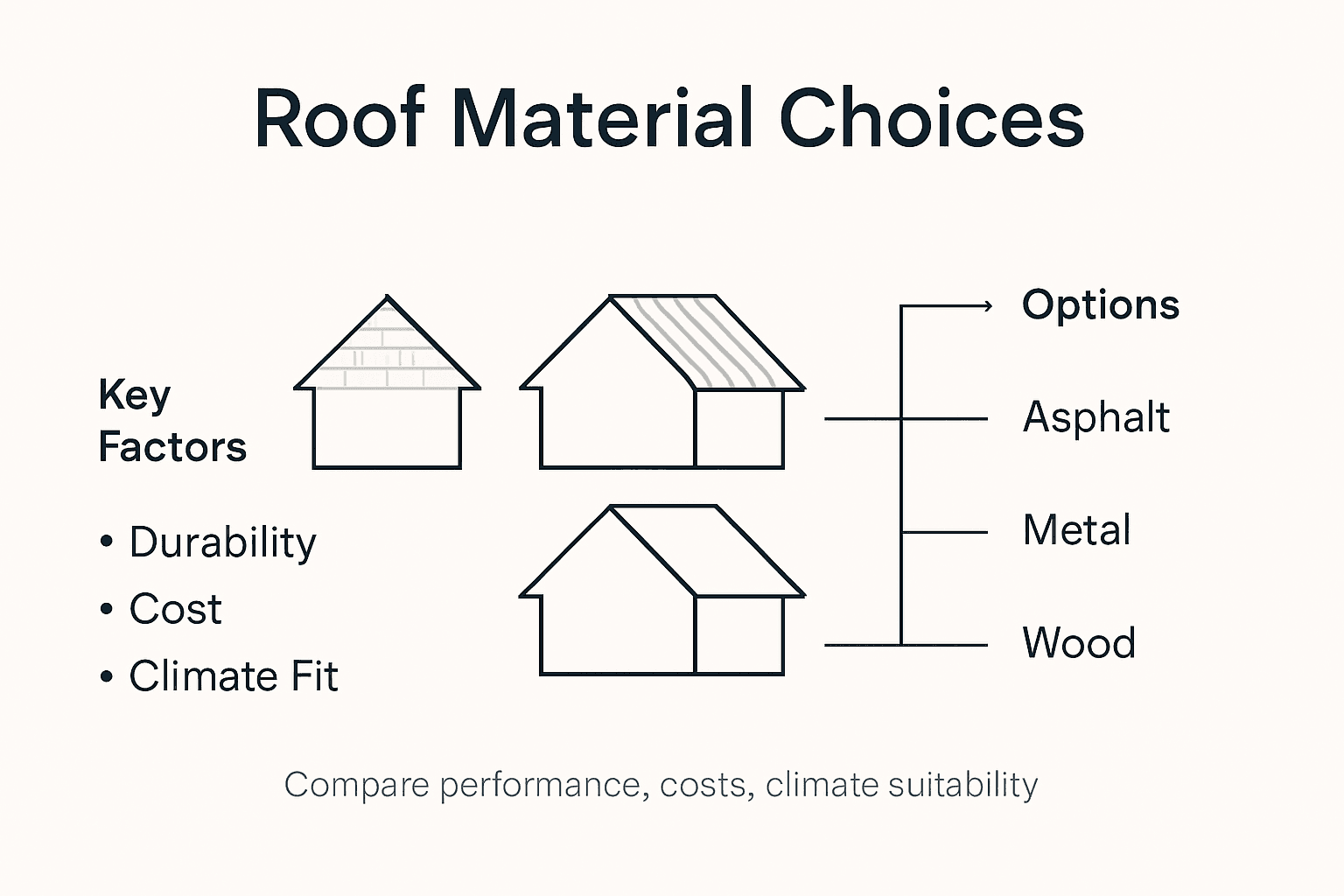
Here’s how popular roofing materials compare in New Brunswick’s climate:
| Material Type | Lifespan Range | Climate Strengths | Typical Maintenance Needs |
|---|---|---|---|
| Asphalt Shingles | 15–25 years | Good in moderate climate | Inspect twice yearly |
| Metal Roofing | 40–70 years | Excels with snow/temperature swings | Remove debris and check fasteners |
| Slate/Tile | 80–100+ years | Ideal for wet, cold, or hot climates | Inspect integrity, clean gutters |
| Green/Solar Roof | 20–40 years | Enhances energy efficiency, insulates | Regular vegetation and system upkeep |
Pro tip: Request material samples and schedule consultations with local roofing professionals who understand the unique climate challenges of New Brunswick to get the most accurate comparative assessment.
Step 4: Evaluate Cost and Installation Factors
Understanding the financial and technical considerations of roofing installation is crucial for making a smart investment. Research on roof design and construction costs reveals that the complexity of your roof design can significantly impact overall expenses beyond basic material costs.
Roofing costs extend far beyond the price of materials. Labor installation expenses vary dramatically depending on roof pitch, complexity, and accessibility. A simple gable roof will cost considerably less to install than a complex multi-level roof with numerous dormers or unusual angles. In New Brunswick, contractors typically charge between 3 to 5 dollars per square foot for standard asphalt shingle installations, with premium materials like metal or slate potentially increasing labor costs to 10 to 15 dollars per square foot. Additional factors like roof height, pitch steepness, and existing structural conditions can further influence installation expenses.
Beyond direct installation costs, consider long term financial implications. Cheaper materials might require more frequent replacements, while higher quality options could provide better energy efficiency and longer service life. Factor in potential energy savings, maintenance requirements, and potential home value increases when calculating your total roofing investment. Get multiple quotes from reputable local contractors to ensure you understand the full scope of potential expenses.
Consider these key cost factors when planning your roofing investment:
| Cost Factor | Impact on Final Price | Why It Matters |
|---|---|---|
| Material Selection | Major driver of total cost | Longevity and aesthetics vary |
| Roof Complexity | Raises labor and equipment needs | More angles require expert installation |
| Contractor Experience | Influences warranty, quality | Skilled installers avoid errors |
| Long-Term Expenses | Maintenance, repairs, efficiency | Quality materials lower future costs |
Pro tip: Request detailed written estimates that break down material, labor, and potential additional costs to avoid unexpected financial surprises during your roofing project.
Step 5: Verify Manufacturer Warranties and Certifications
Protecting your roofing investment starts with thoroughly understanding manufacturer warranties and ensuring their credibility. Global certification databases like IAF CertSearch provide essential tools for verifying the authenticity of manufacturer certifications and warranties.
A comprehensive warranty examination involves more than just reviewing the document length. Look for specific coverage details including material defect protection, prorated replacement terms, and labor coverage. Different roofing materials carry varying warranty periods industrial standard warranties range from 20 to 50 years for premium products. Pay close attention to what voids the warranty climate specific conditions installation requirements and maintenance schedules can significantly impact warranty validity. Manufacturers like GAF Owens Corning and CertainTeed offer comprehensive warranties that may include additional protection when using certified installation professionals.
Understand the nuanced differences between manufacturer warranties and workmanship warranties. Manufacturer warranties typically cover material defects while workmanship warranties protect against installation errors. Cross reference manufacturer certifications with ASTM International roofing standards to ensure your chosen materials meet rigorous performance and quality benchmarks. Request documentation that demonstrates compliance with these industry standard testing protocols.
Pro tip: Always request a written copy of the full warranty and have a professional roofing contractor help you interpret the fine print before making your final material selection.
Ensure Lasting Roof Protection with Expert Guidance and Quality Craftsmanship
Choosing the right roofing materials to withstand New Brunswick’s challenging climate is not just a decision about looks or cost. It is about protecting your home from harsh weather while maximizing durability and long-term value. If you are facing difficulties evaluating material longevity, climate suitability, and warranty details to find the perfect fit for your Moncton home, our roofing experts at J. A. Kelly Contracting Services are here to help.
Our team specializes in delivering tailored roofing solutions backed by skilled fabrication and professional installation. We understand the importance of factors like material warranties, local climate conditions, and cost efficiency highlighted in this article. From sturdy asphalt shingles to premium metal roofing options, we provide trusted advice and superior workmanship that ensures your roofing investment lasts decades.
Explore our Roofing Archives – J. A. Kelly Contracting Services to learn more about how we solve common roofing challenges.
Ready to upgrade your roof with confidence and protect your home for years to come Take advantage of our free estimate offers and expert consultation at J. A. Kelly Contracting Services today. Contact us to schedule your inspection and make the best roofing choice that meets your goals and withstands New Brunswick’s climate.
You can also browse our Home Renovation Archives – J. A. Kelly Contracting Services for additional ways to enhance your home’s value and comfort.
Frequently Asked Questions
How do I assess my home’s climate needs for roofing materials?
Evaluating your home’s climate needs involves analyzing local weather patterns, including temperatures, snowfall, and moisture levels. Keep detailed records of your roof’s performance through seasonal changes to guide your material selection process.
What factors should I consider when comparing the durability of roofing materials?
When comparing durability, consider each material’s lifespan, resistance to wind, moisture absorption, and overall maintenance needs. Request samples and check manufacturer warranties to gauge each option’s long-term performance.
How can I determine the best roofing option for my budget?
Start by calculating the total costs, including materials, installation, and long-term maintenance. Compare costs between different materials and assess their longevity to make an informed financial decision.
What do I need to know about warranties when choosing roofing materials?
Understand the details of manufacturer warranties, including what is covered and any conditions that might void them. Always request a written copy of the warranty and ensure it aligns with the type of installation performed.
How can I verify the credentials of roofing material manufacturers?
To verify manufacturer credentials, cross-reference their certifications with industry standards and request documentation showing compliance. This helps ensure you select materials that meet rigorous quality benchmarks.
What maintenance should I plan for my chosen roofing material?
Each roofing material requires different maintenance, such as regular inspections or debris removal. Establish a maintenance schedule based on your selected material to extend its lifespan and optimize performance.
Recommended
- 7 Essential Roofing Materials List for Homeowners Explained – J. A. Kelly Contracting Services
- 7 Best Roofing Options 2025: Expert Choices for Homeowners – J. A. Kelly Contracting Services
- How to Choose the Right Roofing Material for Your Home – J. A. Kelly Contracting Services
- Roofing Installation Guide: Step-By-Step for Homeowners – J. A. Kelly Contracting Services