


More than half of American homeowners report feeling overwhelmed when it comes to hiring the right contractor for their renovations. Choosing a dependable professional can make the difference between a dream project and a costly nightmare. With clear steps and transparent advice, you will discover how to confidently select a contractor who delivers quality results and protects your investment every step of the way.
Table of Contents
- Step 1: Define Your Project Needs Clearly
- Step 2: Research Local Contractors Thoroughly
- Step 3: Verify Credentials And Insurance
- Step 4: Request And Compare Detailed Quotes
- Step 5: Check References And Past Work
- Step 6: Finalize Agreement And Monitor Progress
Quick Summary
| Key Point | Explanation |
|---|---|
| 1. Define Project Goals Clearly | Clearly outline what changes you want to make to your home to help contractors understand your vision. |
| 2. Research Contractors Thoroughly | Investigate local contractors’ reputations, qualifications, and previous work to make an informed hiring decision. |
| 3. Verify Credentials and Insurance | Always confirm that contractors have proper licenses and insurance to protect yourself from potential issues. |
| 4. Request Detailed Quotes | Obtain multiple quotes that clearly specify project costs, ensuring consistency for easier comparison. |
| 5. Check References and Past Work | Speak with previous clients to assess contractor reliability and the quality of their completed projects. |
Step 1: Define Your Project Needs Clearly
Before diving into home renovations, you need a crystal clear understanding of exactly what you want to achieve. This initial step is about transforming vague ideas into specific project goals that a contractor can actually work with.
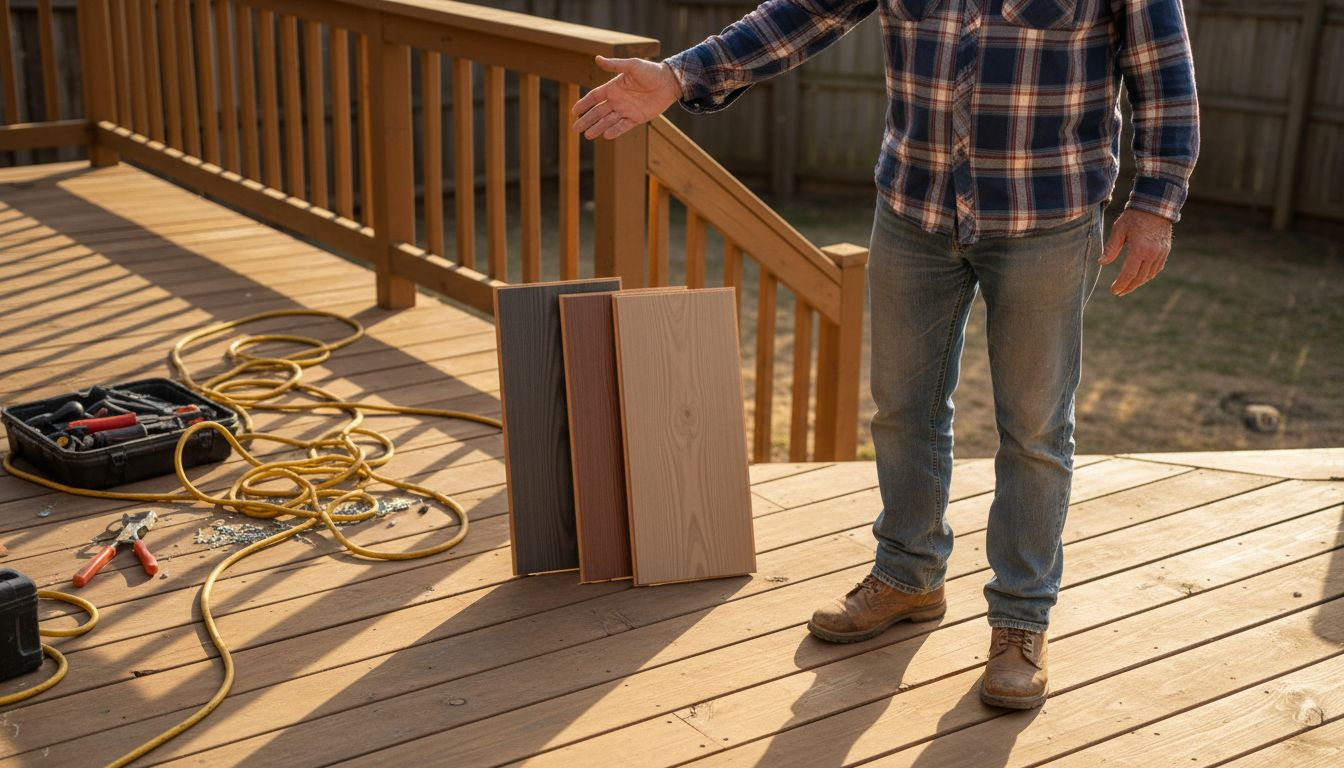
Start by creating a comprehensive project outline that breaks down every detail. What specific changes do you want? Are you looking to update a kitchen, replace a roof, or build a new deck? Needs assessment involves determining the gaps between current conditions and desired outcomes, so be precise about what you want to improve. Write down measurements, preferred materials, color schemes, and functional requirements. The more specific you are, the easier it will be for contractors to provide accurate estimates and understand your vision.
Pro tip: Take photographs of your current space and create a digital or physical mood board showing exactly what you’re aiming to achieve. Visual references help contractors understand your expectations far better than words alone. This approach helps prevent misunderstandings and ensures everyone is on the same page from the start.
By defining your project needs clearly, you’re setting the foundation for a successful home renovation. Your next step will be researching potential contractors who can bring your specific vision to life.
Step 2: Research Local Contractors Thoroughly
Researching local contractors is about more than just finding someone who can do the job its about finding a reliable professional who will deliver quality results. Your goal is to gather comprehensive information that helps you make an informed decision.
Checking the Better Business Bureau business directory is an excellent starting point for vetting potential contractors. Look for professionals with consistently positive reviews and minimal complaints. Pay attention to how contractors respond to negative feedback this reveals their commitment to customer satisfaction. Beyond online reviews, ask for recommendations from friends, family, and local home improvement stores. These personal referrals often provide insights you cannot find online.
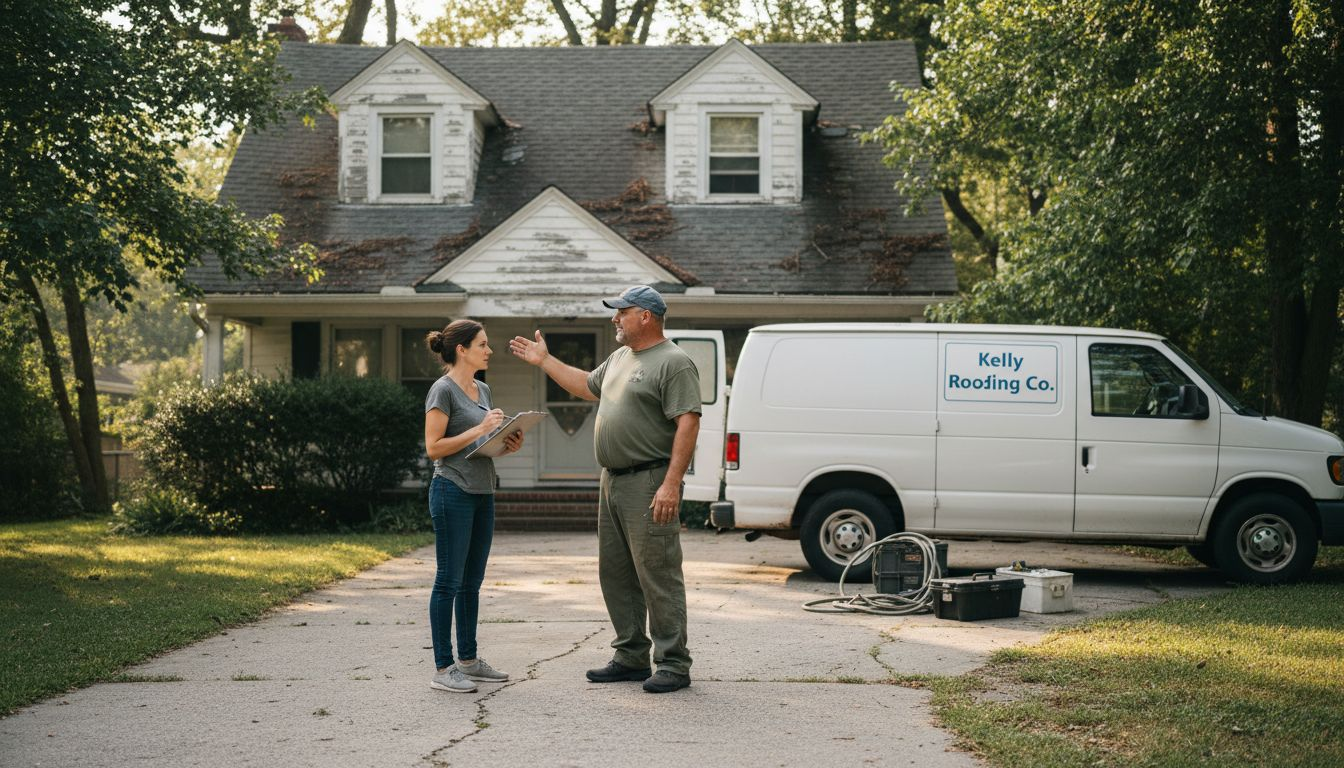
Pro tip: Always verify a contractor’s credentials. Professional body memberships indicate a commitment to high quality workmanship, so request proof of certifications, licenses, and insurance. Make a list of at least three contractors and schedule initial consultations. During these meetings, ask detailed questions about their experience, process, and past projects similar to yours. Trust your instincts professional contractors will be transparent, communicative, and willing to provide references.
With thorough research complete, you are now ready to move forward to the next critical step comparing contractor estimates and proposals.
Step 3: Verify Credentials and Insurance
Checking a contractor’s credentials is more than a formality its your financial and personal protection. You want to ensure the professionals you hire are not just capable but legally qualified to perform your home project.
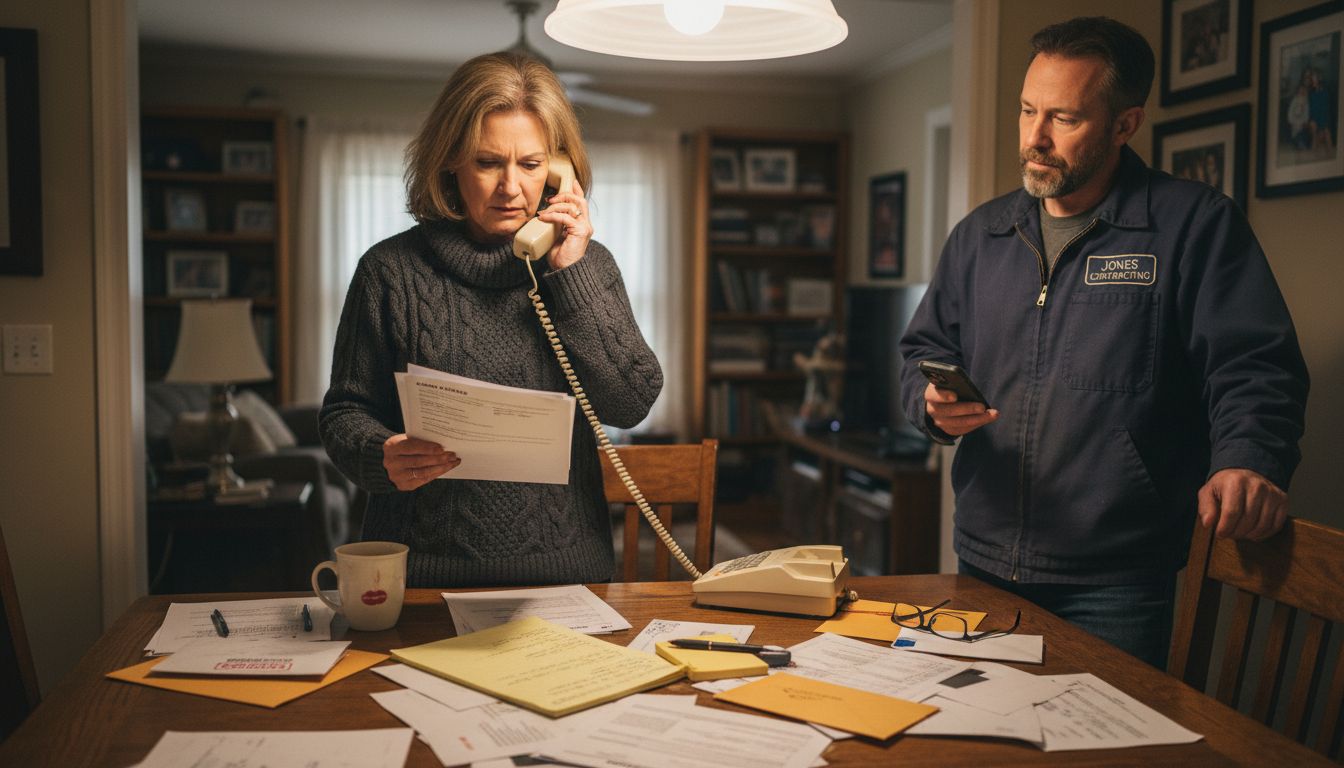
The Better Business Bureau recommends confirming that contractors are fully licensed and insured, which means verifying more than just a business card or website claim. Contact the insurance carrier directly to validate their worker’s compensation, property damage, and personal liability coverage. Request official documentation such as current insurance certificates and professional licenses. Pay close attention to the specifics these documents should be current and match the exact type of work you need completed.
Pro tip: Don’t just accept copies of credentials at face value. Call the issuing organizations to confirm authenticity. Verifying a contractor’s insurance protects you from unexpected costs and potential legal complications that could arise from accidents or substandard work. A reputable contractor will be transparent and willing to provide all necessary documentation without hesitation.
Once you have thoroughly verified a contractor’s credentials, you are ready to move forward to comparing detailed project proposals and estimates.
Step 4: Request and Compare Detailed Quotes
Comparing contractor quotes is a critical step that goes beyond simply looking at the bottom line. Your goal is to understand the full scope of work and ensure you are making an informed financial decision for your home project.
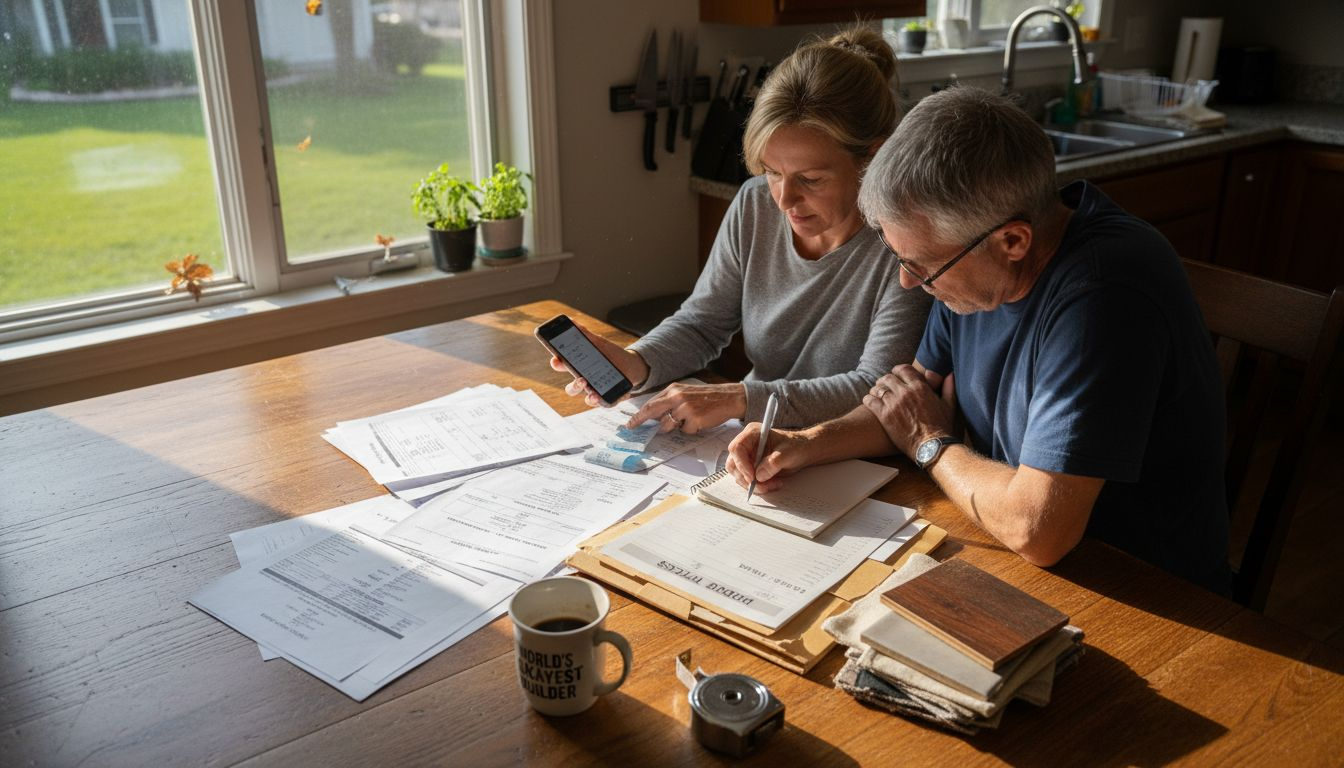
The Better Business Bureau recommends obtaining at least three detailed quotes, ensuring each bid considers the exact same project specifications. When requesting quotes, provide each contractor with identical project details including precise measurements, material preferences, and specific requirements. This approach allows for an apples to apples comparison. Pay attention to how thoroughly each contractor breaks down their estimate look for transparent pricing that shows materials, labor, potential additional costs, and project timelines.
Pro tip: Detailed quotes from professional contractors should break down costs of materials, labor, and any additional fees to prevent unexpected charges later. Watch for red flags like extremely low estimates or vague descriptions. A comprehensive quote demonstrates the contractor’s professionalism and commitment to clear communication. Dont automatically choose the cheapest option review each quote carefully considering the contractors experience, reputation, and the quality of their proposed work.
With detailed quotes in hand, you are now prepared to evaluate and select the most suitable contractor for your specific home project.
Step 5: Check References and Past Work
Validating a contractors performance through references is your ultimate safeguard against potential project mishaps. This step transforms abstract promises into concrete proof of a contractors real world capabilities.
The Better Business Bureau recommends requesting a comprehensive list of recent local references and conducting thorough follow up interviews. When speaking with past clients, dig deeper than surface level compliments. Ask specific questions about their experience such as how the contractor handled unexpected challenges, communication responsiveness, adherence to project timelines, and budget management. Request to see photographic evidence or visit completed project sites if possible to assess the quality of workmanship firsthand.
Pro tip: Speaking directly with past clients helps assess a contractors reliability and professional conduct, focusing on their ability to manage communication, punctuality, and unexpected project changes. Pay attention to how former clients describe problem solving skills and overall professionalism. Red flags include vague references, reluctance to provide contact information, or clients unwilling to discuss their experience in detail.
With thorough reference checking complete, you are now prepared to make a confident and informed decision about selecting the right contractor for your home project.
Step 6: Finalize Agreement and Monitor Progress
With all your research complete, its time to transform your careful preparation into a legally binding agreement that protects both you and your contractor. This final step ensures clarity, sets expectations, and establishes a framework for successful project completion.
The Better Business Bureau recommends signing a comprehensive contract that specifies every critical project detail, including precise work descriptions, material specifications, labor expectations, payment schedules, and firm completion dates. Carefully review every section of the contract, ensuring all verbal agreements are documented in writing. Pay special attention to payment terms create a schedule that ties payments to specific project milestones, which motivates timely and quality work while protecting your financial interests.
Pro tip: Establishing specific deadlines for each project phase helps hold contractors accountable and prevents potential scope creep. Maintain open communication throughout the project, conduct regular site visits, and document progress with photographs. Keep a professional yet collaborative relationship by addressing any concerns promptly and constructively. Remember to withhold a final percentage of payment until the entire project meets your agreed upon standards and specifications.
With your contract finalized and monitoring plan in place, youre now ready to watch your home improvement vision become a reality.
Discover Reliable Home Contracting Solutions Tailored to Your Needs
Finding a trustworthy contractor who understands your exact project needs is vital for a successful renovation. This article highlights key pain points such as verifying credentials, comparing detailed quotes, and checking past work to ensure quality results without surprises. If you want to avoid costly mistakes and gain peace of mind throughout your home improvement journey explore our expert services in Home Renovation Archives – J. A. Kelly Contracting Services and Roofing Archives – J. A. Kelly Contracting Services.
Take control of your next home project by partnering with a company that values transparency, professionalism, and customer satisfaction. Visit https://jakellycontractingservices.ca today to see why local homeowners in Moncton, New Brunswick trust J. A. Kelly Contracting Services for quality craftsmanship and reliable service. Request a free estimate and start transforming your vision into reality now.
Frequently Asked Questions
How do I clearly define my project needs before hiring a contractor?
To define your project needs, start by outlining the specific changes you want, such as updating a kitchen or building a deck. Create a detailed list including measurements, materials, and color schemes to improve communication with potential contractors.
What should I look for when researching local contractors?
When researching local contractors, focus on their reviews, responses to customer feedback, and recommendations from your network. Make a list of pros and cons for at least three contractors based on their experience and past projects to help guide your decision.
How can I verify if a contractor is properly licensed and insured?
You can verify a contractor’s licensing and insurance by asking for their documentation and contacting the issuing organizations for confirmation. Ensure they provide current proof of worker’s compensation and liability coverage to protect yourself from potential issues during the project.
What should I include when requesting quotes from contractors?
When requesting quotes, provide each contractor with the same project details, including material preferences and specific requirements. This practice allows for an accurate comparison of estimates and helps you identify the best-value contractors for your project.
How can I check a contractor’s references effectively?
To check a contractor’s references effectively, request a list of recent clients and contact them directly to ask about their experiences. Inquire specifically about communication, problem-solving, and whether they were satisfied with the final results of the project.
What important details should be included in a contractor agreement?
A contractor agreement should detail the project scope, payment schedule, and completion dates. Be sure to review the contract thoroughly to ensure all verbal agreements are documented and create accountability throughout the project.
Recommended
- Why Hire a Contractor: Complete Homeowner Guide – J. A. Kelly Contracting Services
- Why Hire Certified Contractors for Home Projects – J. A. Kelly Contracting Services
- How to Hire a Roofing Contractor for a Stress-Free Project – J. A. Kelly Contracting Services
- Complete Guide to the Role of Roofing Contractors – J. A. Kelly Contracting Services
- Construction cabane de jardin : Guide pratique pour 2025 – The Zoofamily
- DIY Tips From Top Painting Companies
- Role of Locksmiths in Construction: Complete Guide – A To Z Locksmith Inc