





Most American homeowners underestimate just how many details go into a successful home renovation. More than 60 percent encounter unexpected setbacks or costs along the way. Tackling a remodel can quickly become overwhelming without clear goals, a solid budget, and trustworthy contractors. This practical guide shows you how to plan each step strategically so you can avoid common mistakes and enjoy results that truly improve your home’s comfort and value.
Table of Contents
- Step 1: Define Your Renovation Goals And Priorities
- Step 2: Set A Realistic Budget And Secure Financing
- Step 3: Research And Select Qualified Contractors
- Step 4: Create A Detailed Timeline And Project Plan
- Step 5: Monitor Progress And Verify Work Quality
Quick Summary
| Essential Insight | Explanation |
|---|---|
| 1. Define Clear Renovation Objectives | Establish specific renovation goals to guide decisions such as enhancing energy efficiency or modernizing spaces. |
| 2. Create a Realistic Budget | Assess finances, include a contingency of 10-15%, and ensure spending aligns with your property’s market value. |
| 3. Select Qualified Contractors | Vet contractors by checking references and getting detailed quotes to find professionals who match your vision and budget. |
| 4. Develop a Comprehensive Project Plan | Collaborate with your contractor to create a structured timeline that includes buffer periods for potential delays. |
| 5. Monitor Progress and Quality | Regularly review the contractor’s work against set standards and maintain communication to address any issues promptly. |
Step 1: Define Your Renovation Goals and Priorities
Successfully planning a home renovation starts with crystal clear objectives. Your goals will serve as the strategic roadmap guiding every decision throughout the renovation process.
Begin by conducting a thorough assessment of your current living space and identifying specific areas needing improvement. Home renovation experts recommend an integrated approach that considers functionality, aesthetic preferences, and long term value. Ask yourself critical questions: Do you want to enhance energy efficiency? Increase property value? Create more living space? Modernize outdated areas? Write down your priorities and rank them from most to least important.
Practical tip: Always include a contingency budget of 10-15% above your estimated renovation costs. Unexpected challenges frequently emerge during home improvement projects, and having financial flexibility prevents stress and potential project delays. This approach ensures you can handle surprises without derailing your entire renovation plan.
Your next step will involve translating these initial goals into a comprehensive renovation strategy that balances your vision with practical constraints.
Step 2: Set a Realistic Budget and Secure Financing
Successfully planning your home renovation requires careful financial preparation. Your budget will determine the scope and quality of your renovation project, making this step critical to your overall success.

Start by conducting a comprehensive financial assessment that considers your current financial resources, renovation goals, and potential return on investment. Research suggests using strategic methods for evaluating project priorities that help allocate funds effectively. Calculate total renovation costs by getting detailed quotes from multiple contractors, including materials, labor, permits, and potential unexpected expenses. Break down your budget into categories such as structural improvements, aesthetic upgrades, and essential repairs.
Practical tip: Aim to keep your total renovation budget within 10-15% of your home’s current market value. This approach helps prevent overcapitalization and ensures you can recoup a significant portion of your investment. Consider exploring financing options like home equity loans, personal loans, or renovation specific financing that offer competitive rates and flexible terms.
Your next step will involve researching and selecting the right contractors who can work within your established budget and deliver high quality results.
Step 3: Research and Select Qualified Contractors
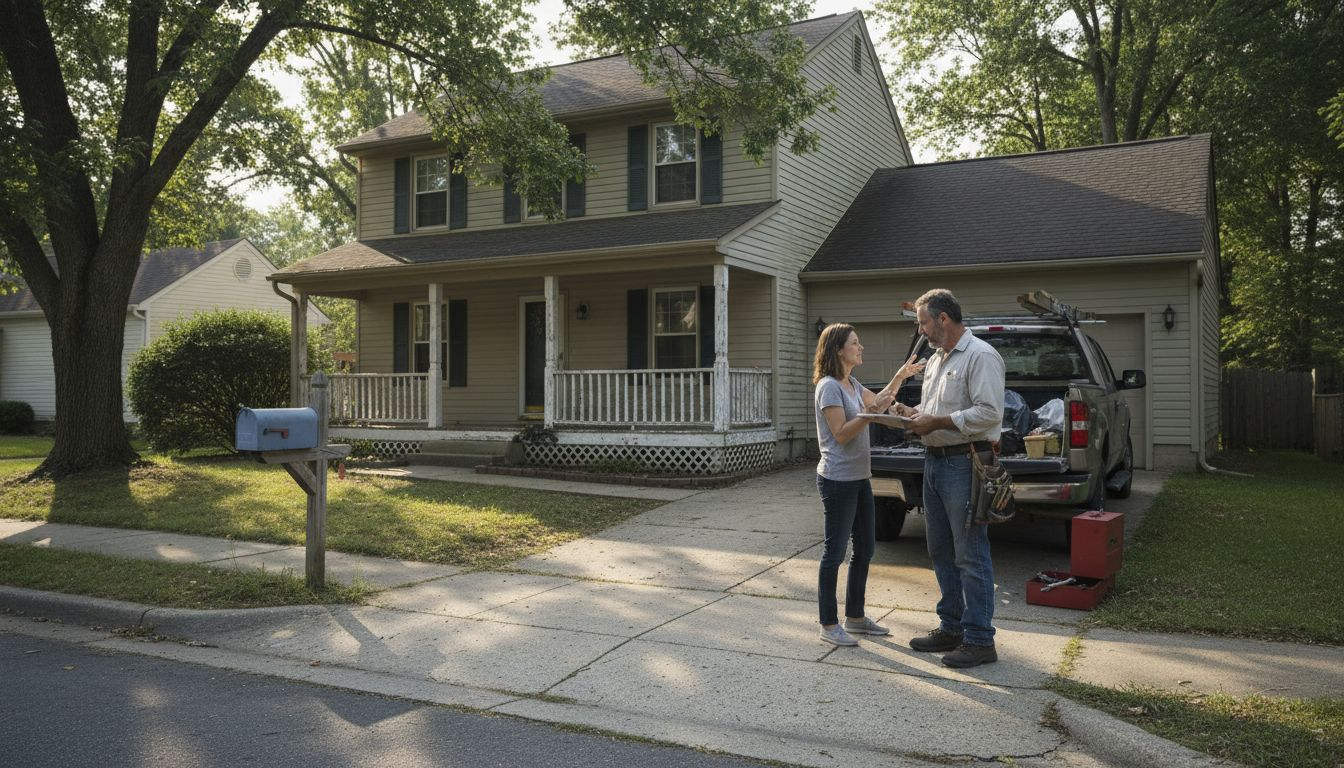
Selecting the right contractor can make or break your home renovation project. Your goal is to find a professional who understands your vision, delivers quality work, and meets your budget requirements.
Finding a qualified contractor requires a systematic approach to thoroughly evaluating potential candidates. Start by gathering recommendations from trusted sources like friends, family, and local home improvement stores. Create a shortlist of contractors and conduct comprehensive background checks. Verify their licensing, insurance, and professional certifications. Request detailed written estimates from at least three different contractors, comparing not just prices but also their proposed approach, materials, and projected timelines.
Practical tip: During initial consultations, ask contractors to provide references from recent projects similar to yours. Contact these references to gain insights into the contractor’s work quality, communication style, and ability to complete projects on time and within budget. Look for contractors who demonstrate clear communication, transparency, and a proven track record of successful renovations in your specific project type.
Your next step will involve carefully reviewing and comparing contractor proposals to select the most qualified professional for your home renovation project.
Step 4: Create a Detailed Timeline and Project Plan
A comprehensive timeline and project plan are essential for keeping your home renovation organized, efficient, and on track. This roadmap will serve as your blueprint for managing every aspect of the renovation process.
Integrated design approaches emphasize the importance of creating a structured project planning strategy that breaks down your renovation into clear sequential phases. Begin by consulting with your selected contractor to develop a realistic timeline that accounts for potential delays, material ordering, permit acquisitions, and specific renovation stages. Include buffer periods for unexpected challenges and coordinate scheduling around critical dependencies like structural work, electrical updates, plumbing modifications, and finishing touches.
Practical tip: Use digital project management tools or spreadsheets to track progress, document milestones, and maintain clear communication with your contractor. Create visual timelines that highlight key stages, estimated completion dates, and budget checkpoints. Include contingency windows of 10-15% to accommodate potential unforeseen circumstances that might impact your renovation schedule.
Your next step will involve preparing your home and living arrangements to minimize disruption during the renovation process.
Step 5: Monitor Progress and Verify Work Quality
Active monitoring of your home renovation project is crucial to ensuring that the work meets your expectations and adheres to the agreed upon specifications. Your involvement throughout the process can help prevent potential issues and maintain project momentum.
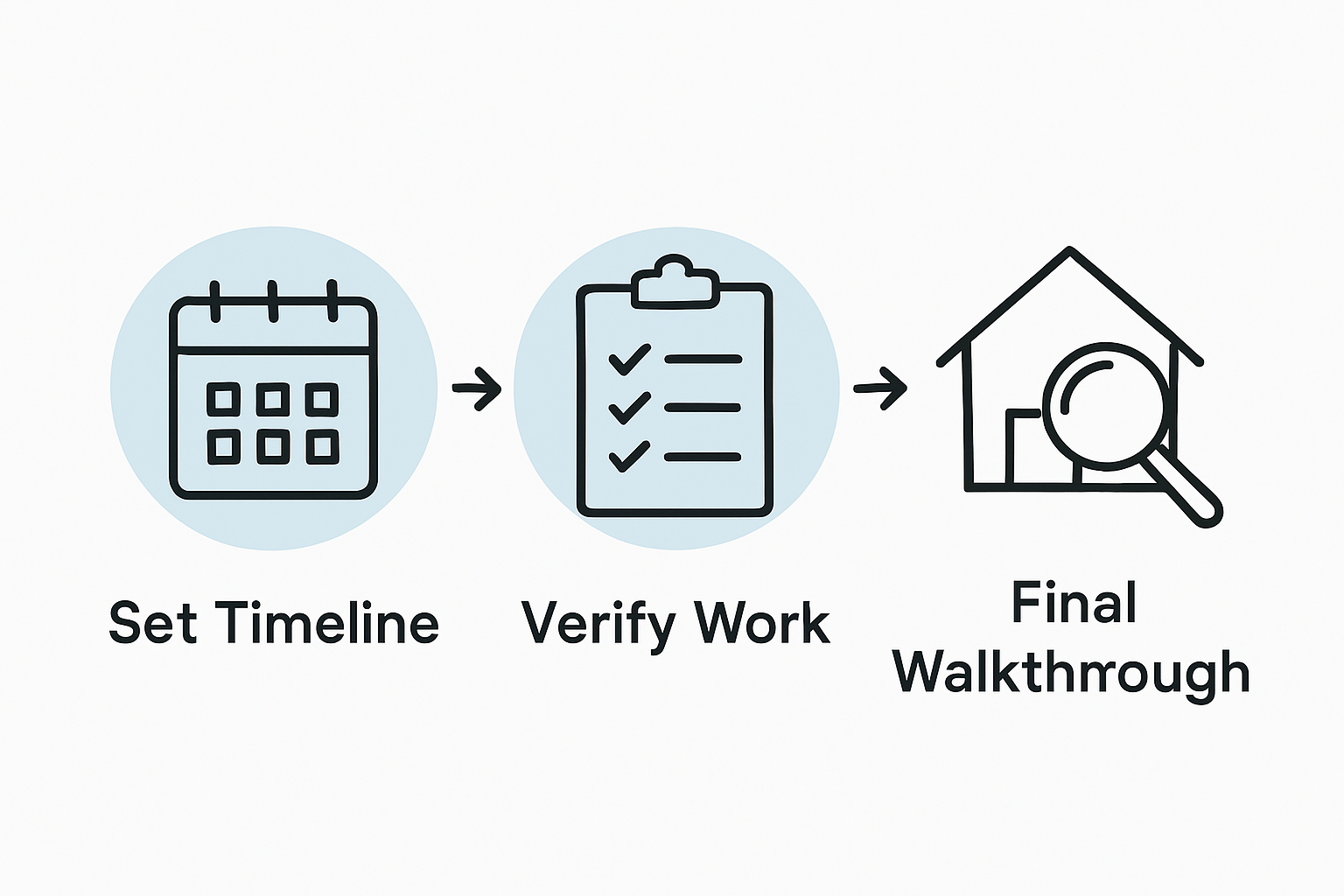
Systematic feedback mechanisms are essential for tracking project development and quality standards. Schedule regular onsite meetings with your contractor to review progress, discuss completed work, and address any emerging challenges. Document each stage of the renovation through photographs and written notes, comparing the actual work against your original project plan. Pay close attention to critical aspects like structural integrity, material quality, craftsmanship, and alignment with local building codes.
Practical tip: Create a detailed checklist that breaks down quality verification points for each renovation phase. This proactive approach allows you to systematically assess work completion and identify any potential discrepancies early. Do not hesitate to request corrections or clarifications if something does not meet the agreed upon standards. Maintain open and respectful communication with your contractor, focusing on collaborative problem solving.
Your next step will involve preparing for the final project walkthrough and ensuring all renovation elements are completed to your satisfaction.
Take Control of Your Home Renovation with Trusted Local Experts
Planning a home renovation can feel overwhelming as you balance budget concerns, timelines, and quality assurance. This guide underscores the importance of clear goals and diligent contractor selection to prevent costly delays and ensure your vision becomes reality. If you want to avoid surprises and achieve exceptional results with professional support, our team at J. A. Kelly Contracting Services is ready to help.

Start your renovation journey today by exploring our proven expertise in Home Renovation crafted for Moncton homeowners who demand quality craftsmanship and transparent communication. Visit J. A. Kelly Contracting Services to secure a free estimate and connect with professionals committed to transforming your space efficiently while respecting your budget and timeline. Don’t wait until challenges arise—partner with experienced renovators who make your goals their priority.
Frequently Asked Questions
What are the first steps in planning a home renovation?
Begin by defining your renovation goals and priorities. Assess your current living space, identify areas for improvement, and rank your objectives from most to least important.
How can I set a realistic budget for my renovation?
Start by conducting a financial assessment of your resources and goals. Break down your budget into categories like materials, labor, and permits, and aim to keep it within 10-15% of your home’s current market value.
How do I choose the right contractor for my home renovation?
Select a qualified contractor by gathering recommendations and conducting background checks. Request estimates from multiple contractors and compare their approaches, materials, and timelines before making your final decision.
What should I include in my home renovation timeline?
Create a detailed timeline that outlines each phase of your renovation project. Include key stages, estimated completion dates, and buffer periods for unexpected delays to keep everything on track.
How do I monitor the progress of my renovation?
Actively monitor your renovation by scheduling regular meetings with your contractor and documenting progress through photographs and notes. Develop a checklist to assess quality at each phase and ensure adherence to your original project plan.
What should I do for the final walkthrough after the renovation?
Prepare a final checklist to verify that all elements of the renovation have been completed to your satisfaction. Conduct the walkthrough with your contractor, addressing any discrepancies before finalizing the project.
Recommended
- Bathroom Renovation Steps for a Stunning Home Upgrade – J. A. Kelly Contracting Services
- What Is Home Renovation? Complete Guide for Homeowners – J. A. Kelly Contracting Services
- What Is Kitchen Remodeling? Complete Homeowner Guide – J. A. Kelly Contracting Services
- 7 Essential Bathroom Remodel Tips Every Homeowner Needs – J. A. Kelly Contracting Services
- 7 Essential Renovation Timeline Steps for a Smooth Project
- Adaptive Reuse of Craftsman Homes: Step-by-Step Restoration Guide –