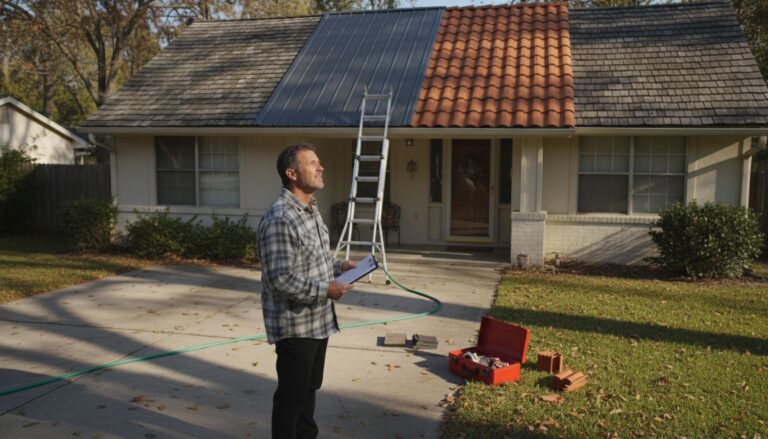
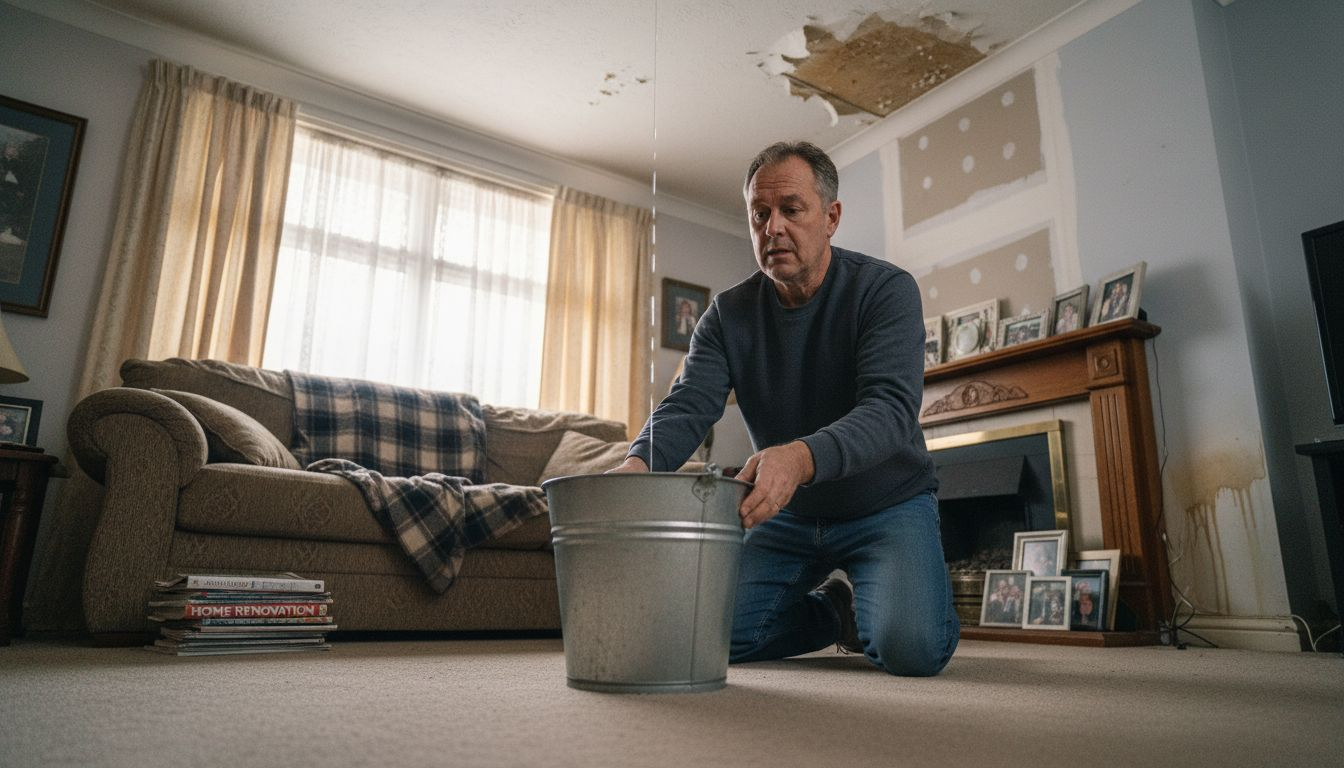

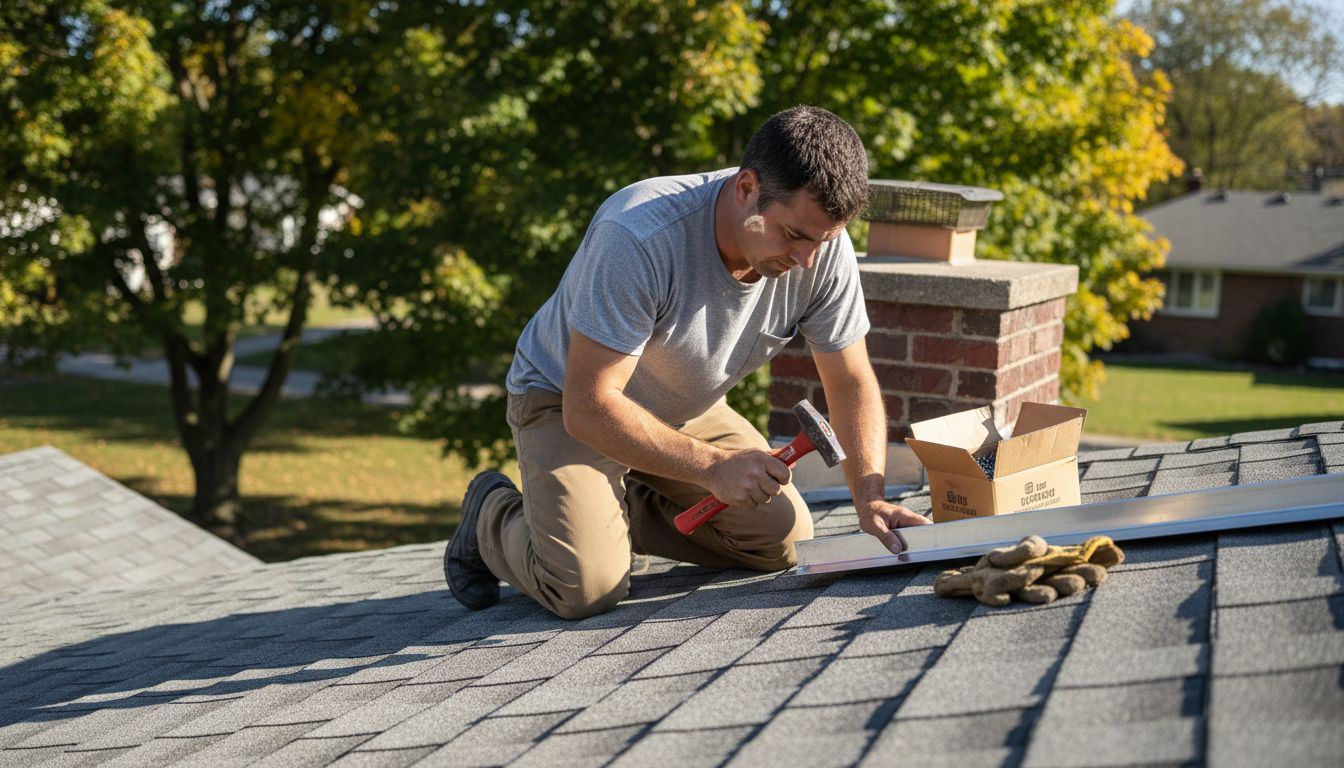



Over 70 percent of American homes feature asphalt shingles on their roofs. This common choice highlights how affordability and practicality drive decisions for families across the country. Understanding which roofing materials best protect your investment matters whether you want classic style, modern efficiency, or exceptional durability. This guide compares top residential roofing options so you can confidently choose what works for your American home.
Table of Contents
- Asphalt Shingles: Affordable And Popular Choice
- Metal Roofing: Durable And Energy Efficient
- Wood Shingles And Shakes: Natural Look And Insulation
- Clay And Concrete Tiles: Classic Style And Longevity
- Slate Roofing: Premium Aesthetic And Lifespan
- Synthetic Roofing Materials: Modern Performance Options
- Choosing The Right Roofing Material For Your Home
Quick Summary
| Key Message | Explanation |
|---|---|
| 1. Choose Asphalt Shingles for Cost-Effectiveness | Affordable with a lifespan of 15 to 30 years, asphalt shingles are a popular residential choice. |
| 2. Opt for Metal Roofing for Durability | Metal roofs last up to 100 years and are highly energy-efficient, making them ideal for sustainable living. |
| 3. Consider Wood for Aesthetic Appeal | Wood shingles and shakes provide natural beauty with good insulation but require significant maintenance. |
| 4. Select Clay or Concrete Tiles for Longevity | These tiles can last over 100 years and offer excellent fire resistance, though initial costs are higher. |
| 5. Use Synthetic Materials for Modern Performance | Synthetic roofing mimics traditional styles while offering superior durability and low maintenance needs. |
1. Asphalt Shingles: Affordable and Popular Choice
Asphalt shingles represent the most common roofing material for residential properties across North America, delivering an exceptional balance of affordability and performance. Homeowners consistently choose these shingles because they provide reliable protection at a budget friendly price point.
These versatile roofing materials are manufactured using a fiberglass base mat coated with mineral granules and asphalt, creating a durable protective layer for your home. Asphalt roofing systems dominate the residential market, particularly for steep sloped roofs, offering multiple advantages that make them an attractive option.
Key Benefits of Asphalt Shingles:
- Cost effective compared to other roofing materials
- Available in numerous color and style options
- Easy to install and replace
- Lightweight design reduces structural stress
- Typically last 15 to 30 years with proper maintenance
When selecting asphalt shingles, homeowners can choose between three primary types: 3-tab, architectural, and premium styles. Each variant offers different aesthetic and performance characteristics, allowing you to match your specific home design and budget requirements.
Proper installation remains critical for maximizing the lifespan and effectiveness of asphalt shingles. Working with experienced roofing professionals ensures your investment provides optimal protection against weather elements and potential structural damage.
2. Metal Roofing: Durable and Energy Efficient
Metal roofing represents a cutting edge solution for homeowners seeking long lasting and sustainable roof protection. These innovative roofing systems offer remarkable performance characteristics that go well beyond traditional materials.
Metal roofing systems provide exceptional durability and energy efficiency, making them an increasingly popular choice for residential properties. The advanced engineering behind metal roofs allows them to withstand extreme weather conditions while simultaneously reducing energy consumption.
Key Advantages of Metal Roofing:
- Potential lifespan up to 100 years
- Superior heat reflection capabilities
- Minimal maintenance requirements
- Excellent resistance to wind and storm damage
- Environmentally friendly material composition
Unlike traditional roofing materials, metal roofs are engineered to reflect solar radiation, which significantly reduces heat absorption. This reflective property translates into lower cooling costs during summer months and improved overall home energy efficiency.
Homeowners considering metal roofing should evaluate different metal types such as aluminum, steel, and copper. Each material offers unique performance characteristics and aesthetic options, allowing you to select a solution that matches your specific architectural style and functional requirements.
While initial installation costs might be higher compared to conventional roofing materials, the long term benefits of metal roofing make it a smart investment for homeowners seeking sustainable and durable home protection.
3. Wood Shingles and Shakes: Natural Look and Insulation
Wood shingles and shakes offer homeowners a timeless roofing solution that combines aesthetic beauty with functional performance. These natural roofing materials bring warmth and character to residential properties while providing excellent thermal properties.
Wood shingles require careful maintenance to prevent decay and maximize their protective capabilities, making them a sophisticated choice for discerning homeowners who appreciate traditional craftsmanship. Unlike synthetic materials, wood shingles create a unique visual texture that evolves beautifully over time.
Key Characteristics of Wood Roofing:
- Natural insulating properties
- Attractive rustic appearance
- Excellent sound dampening qualities
- Environmentally sustainable material
- Adaptable to various architectural styles
Two primary wood roofing options exist: wood shingles and wood shakes. Shingles are precisely machine cut with uniform thickness and smooth surfaces, while shakes are hand split with a more rugged and textured appearance. Both options provide exceptional thermal regulation, helping to stabilize indoor temperatures and potentially reducing energy costs.
Homeowners should recognize that wood roofing demands consistent maintenance. Regular inspections, protective treatments, and prompt replacement of damaged sections are crucial to preventing moisture damage and extending the roof’s lifespan. Proper installation by experienced professionals ensures optimal performance and longevity of your wood roofing system.
4. Clay and Concrete Tiles: Classic Style and Longevity
Clay and concrete tiles represent a premium roofing solution that combines architectural elegance with remarkable durability. These timeless materials have adorned homes for centuries, offering homeowners a sophisticated and resilient roofing option.
Clay tile roofs are renowned for their exceptional longevity, often lasting over a century with proper maintenance. Their unique composition provides superior protection against extreme weather conditions while maintaining a distinctive aesthetic appeal that enhances a home’s architectural character.
Key Advantages of Clay and Concrete Tiles:
- Extraordinary lifespan exceeding 100 years
- Superior fire resistance
- Excellent thermal insulation properties
- Resistance to rot and insect damage
- Wide range of color and style options
- Minimal maintenance requirements
Homeowners can choose between traditional clay tiles and modern concrete tiles, each offering unique benefits. Clay tiles typically feature a classic Mediterranean or Spanish inspired look, while concrete tiles provide more versatile design possibilities. Both materials are heavyweight options that require robust structural support during installation.
The initial investment for clay and concrete tiles is higher compared to other roofing materials, but their exceptional durability and minimal maintenance needs make them a cost effective long term solution. Professional installation is crucial to ensure proper weight distribution and prevent potential structural issues. Careful selection and expert implementation will transform your roof into a lasting architectural statement.
5. Slate Roofing: Premium Aesthetic and Lifespan
Slate roofing represents the pinnacle of premium residential roofing solutions, offering unparalleled durability and sophisticated visual appeal. This natural stone material transforms an ordinary roof into an architectural masterpiece that commands attention and respect.
Slate roofs are renowned for their extraordinary longevity, frequently exceeding 100 years with meticulous maintenance. Each slate tile is a unique piece of natural stone, carefully quarried and crafted to provide exceptional protection for your home.
Key Characteristics of Slate Roofing:
- Potential lifespan of over a century
- Exceptional fire resistance
- Natural stone aesthetic
- Environmentally sustainable material
- Minimal maintenance requirements
- Superior weather resistance
Slate roofing comes in multiple varieties including soft slate and hard slate, each offering different performance characteristics. Soft slate typically lasts 50 to 125 years, while hard slate can endure up to 200 years. The material’s natural composition provides remarkable resistance to extreme temperatures, wind, and precipitation.
Homeowners should recognize that slate roofing requires specialized installation by experienced professionals. The material is significantly heavier than traditional roofing options, necessitating robust structural support. While the initial investment is substantial, the long term value and aesthetic beauty of a slate roof make it an exceptional choice for discerning property owners seeking uncompromising quality.
6. Synthetic Roofing Materials: Modern Performance Options
Synthetic roofing materials represent the cutting edge of home protection technology, offering homeowners innovative solutions that combine aesthetic appeal with exceptional performance. These advanced materials provide a modern alternative to traditional roofing options.
Synthetic roofing technologies now expertly mimic traditional materials while delivering superior durability and maintenance advantages. These engineered materials are designed to replicate the appearance of classic roofing styles such as wood shakes, slate, and clay tiles.
Key Benefits of Synthetic Roofing:
- Lightweight construction
- Remarkable durability
- Lower maintenance requirements
- Enhanced weather resistance
- Competitive pricing
- Wide range of aesthetic options
- Consistent performance across various climates
Synthetic roofing materials include polymer composites, rubber based products, and advanced fiber reinforced options. Each material offers unique characteristics tailored to specific environmental challenges and architectural preferences. Manufacturers have developed sophisticated technologies that provide remarkable resilience against UV radiation, temperature fluctuations, and extreme weather conditions.
Homeowners considering synthetic roofing should evaluate factors such as local climate, home architectural style, and long term performance expectations. Professional consultation can help determine the most suitable synthetic roofing solution for your specific residential requirements.
7. Choosing the Right Roofing Material for Your Home
Selecting the ideal roofing material is a critical decision that impacts your home’s protection, energy efficiency, and overall aesthetic appeal. Homeowners must thoughtfully evaluate multiple factors to ensure they make a choice that meets their specific needs and regional climate challenges.
Energy efficient roofing choices can significantly reduce home cooling costs and environmental impact, making this selection far more than just an aesthetic decision. Understanding your local environmental conditions is paramount in making an informed roofing material selection.
Key Considerations for Roofing Material Selection:
- Local climate and weather patterns
- Home architectural style
- Budget constraints
- Long term maintenance requirements
- Energy efficiency potential
- Aesthetic preferences
- Structural support capabilities
Homeowners should conduct a comprehensive assessment of their specific requirements. Consider factors such as average temperature ranges, precipitation levels, wind exposure, and potential environmental stress on roofing materials. Your roof represents a significant investment, so prioritize durability and performance alongside visual appeal.
Professional consultation can provide invaluable insights into matching the right roofing material with your home’s unique characteristics. An experienced roofing professional can help you navigate the complex decision making process, ensuring you select a solution that provides optimal protection, efficiency, and aesthetic harmony.
Below is a comprehensive table summarizing the various roofing materials discussed throughout the article, highlighting their key characteristics and considerations.
| Roofing Material | Key Characteristics | Considerations |
|---|---|---|
| Asphalt Shingles | Affordable, easy to install, versatile styles. | Lifespan 15-30 years, best for budget-friendly projects. |
| Metal Roofing | Durable, energy efficient, long lifespan up to 100 years. | Higher initial cost, excellent for sustainability and energy savings. |
| Wood Shingles/Shakes | Natural look, good insulation. | Requires maintenance, potential for decay, complements rustic styles. |
| Clay & Concrete Tiles | Long-lasting, fire resistant, superior insulation. | Heavyweight, needs strong support, initial high cost. |
| Slate Roofing | Premium aesthetic, extremely durable. | High initial cost, very heavy, requires professional installation. |
| Synthetic Materials | Lightweight, durable, mimics traditional styles. | Competitive pricing, good for climates with varied weather conditions. |
Find the Perfect Roofing Material with Expert Guidance from J. A. Kelly Contracting Services
Choosing the right roofing material can feel overwhelming with so many options like asphalt shingles, metal roofing, or synthetic materials each offering unique benefits and challenges. You want a roof that protects your home against Moncton’s weather while fitting your budget, boosting energy efficiency, and enhancing your home’s curb appeal. Understanding these essential factors is the first step to avoiding costly mistakes and ensuring lasting peace of mind.
Let the trusted team at J. A. Kelly Contracting Services help you navigate this important decision. With our expertise in quality roofing solutions, we tailor recommendations to your home’s style, structural needs, and local climate. Explore real customer success stories and detailed service options in our Roofing Archives. Ready to protect your home with confidence? Visit our Home Renovation Archives or contact us today for a free estimate. Your ideal roof is just a call or click away.
Frequently Asked Questions
What are the most common roofing materials for homeowners?
Asphalt shingles, metal roofing, wood shingles and shakes, clay and concrete tiles, slate roofing, and synthetic roofing materials are the most common choices. Evaluate each material’s advantages and longevity to determine which best fits your needs.
How do I choose the right roofing material for my home?
Consider factors such as your local climate, budget, architectural style, and maintenance requirements. Conduct a comprehensive assessment based on these criteria to select a roofing material that not only protects your home but also enhances its aesthetic appeal.
What is the average lifespan of different roofing materials?
Asphalt shingles typically last 15 to 30 years, metal roofs can last up to 100 years, wood roofing requires regular maintenance, and clay or concrete tiles exceed 100 years. Consider the longevity of each material when making your selection to ensure your roof holds up over time.
How do environmental factors affect my roofing material choice?
Local climate, including temperature extremes, rainfall, and wind exposure, can significantly impact the performance of your roofing material. Analyze your environment to pick a material that withstands specific weather conditions and potentially reduces energy costs.
Is professional installation necessary for all roofing materials?
Yes, professional installation is recommended for most roofing materials, especially heavier options like slate and clay tiles. Hiring experienced roofing professionals ensures proper installation, maximizing the effectiveness and lifespan of your roofing system.
What maintenance is required for different roofing materials?
Maintenance varies by material: asphalt shingles need periodic inspections, metal roofing has minimal upkeep, wood roofing requires regular treatments, and clay tiles need occasional checks for integrity. Create a maintenance schedule to help prolong the life of your roofing.
Recommended
- Roofing Terminology Explained: Speak Like a Roofer – J. A. Kelly Contracting Services
- Roofing Installation Guide: Step-By-Step for Homeowners – J. A. Kelly Contracting Services
- 7 Best Roofing Options 2025: Expert Choices for Homeowners – J. A. Kelly Contracting Services
- Roof Repair Guide: Step-by-Step Fixes for Homeowners – J. A. Kelly Contracting Services