



Over half of all roof leaks start with problems that could have been spotted early. Ignoring routine maintenance puts your home at risk for expensive repairs, water damage, and even mold growth. Simple steps like regular inspections, keeping gutters clear, and catching small issues before they grow can make a big difference in your roof’s lifespan. This guide covers practical ways to keep your roof in top shape and protect your investment year round.
Table of Contents
- 1. Inspect Your Roof Regularly For Visible Damage
- 2. Keep Gutters And Downspouts Clean
- 3. Trim Overhanging Tree Branches
- 4. Check For Moss, Algae, And Lichen Growth
- 5. Ensure Proper Attic Ventilation
- 6. Look For Signs Of Water Leaks Or Stains
- 7. Schedule Professional Roof Inspections Annually
Quick Summary
| Takeaway | Explanation |
|---|---|
| 1. Conduct biannual roof inspections. | Regular inspections help spot issues like cracked shingles and water damage early, preventing costly repairs. |
| 2. Keep gutters clean and clear. | Cleaning gutters twice a year prevents blockages that can damage your roof and foundation, saving money on repairs. |
| 3. Trim overhanging tree branches. | Maintaining at least a 10-foot clearance prevents branches from damaging your roof and helps reduce moss and algae growth. |
| 4. Monitor for moss and algae growth. | Early detection of biological growth can prevent moisture retention and potential roof damage; consider professional cleaning if needed. |
| 5. Schedule annual professional inspections. | Certified roofing inspections detect wear and tear, enabling proactive repairs and extending your roof’s lifespan. |
1. Inspect Your Roof Regularly for Visible Damage
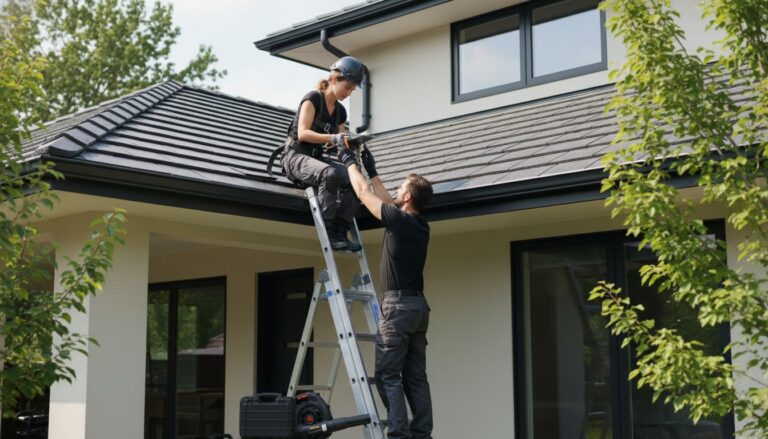
Protecting your home starts with understanding the health of your roof. Regular inspections are your first line of defense against potential costly damage and unexpected repairs.
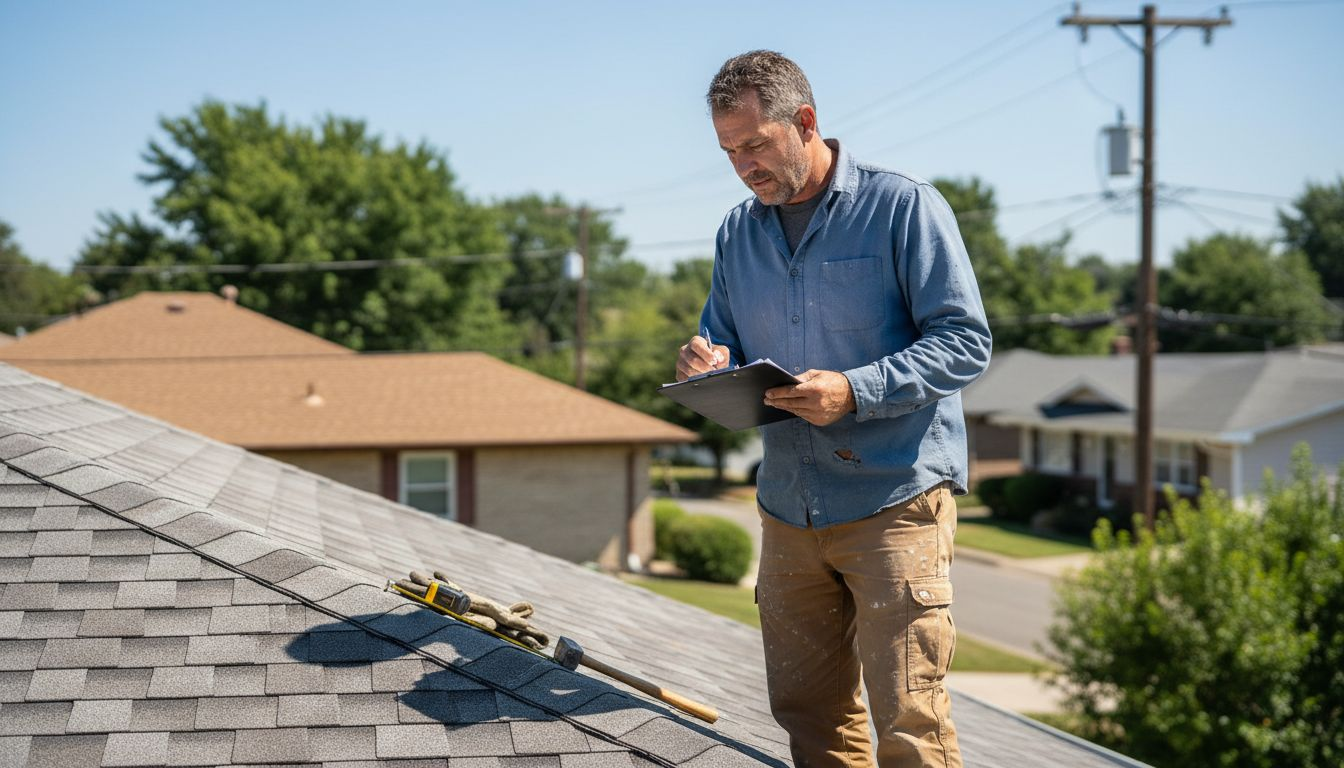
According to insights from Home Inspector, biannual roof inspections are crucial for uncovering potential problems before they escalate. These check ups help you spot critical issues like cracked or missing shingles, deteriorated flashings, and signs of potential water damage.
To conduct an effective roof inspection, you should aim to examine your roof twice a year typically during spring and fall. Start by looking for these key indicators of potential damage:
- Cracked or curling shingles
- Dark streaks or moss growth
- Missing or loose shingles
- Granule accumulation in gutters
- Sagging areas or visible water pooling
While visual inspections from ground level can provide initial insights, consider using binoculars or safely accessing your roof for a closer look. Indoor signs like cracked paint or water stains on ceilings can also signal potential roofing problems that require immediate attention.
If you are uncomfortable performing the inspection yourself, hiring a professional roofing contractor can provide a thorough and expert assessment of your roof’s condition. Professional inspectors can identify subtle issues that might escape an untrained eye and help you maintain your roof’s integrity and longevity.
2. Keep Gutters and Downspouts Clean
Your home’s gutters are more than just simple metal channels hanging along your roofline they are critical drainage systems that protect your property from water damage. Proper gutter maintenance is an essential part of responsible home ownership.
According to Consumer Reports, it is recommended to clean gutters at least twice a year, with special attention during fall when leaves accumulate rapidly. Clogged gutters can lead to significant problems that extend far beyond simple aesthetic issues.
When gutters become blocked, water cannot flow properly away from your roof and foundation. This blockage can cause multiple serious issues:
- Water backing up under roof shingles
- Foundation damage from excessive moisture
- Potential basement flooding
- Ice dam formation in winter months
- Increased risk of mold and mildew growth
To clean your gutters effectively, you will need a sturdy ladder, work gloves, a garden trowel, and a bucket. Remove debris by hand or with the trowel, then flush the gutters with a garden hose to ensure water flows smoothly through downspouts. Check out our guide on hiring a roofing contractor if you are uncomfortable performing this task yourself.
As Better Business Bureau emphasizes, proper gutter maintenance prevents water buildup that can compromise your roof and foundation. Regular cleaning is a small investment that can save you thousands in potential repair costs.
3. Trim Overhanging Tree Branches
The trees surrounding your home might look picturesque, but unmanaged branches can become serious threats to your roof’s structural integrity. Proactive tree maintenance is a critical aspect of protecting your home from potential damage.
Consumer Reports highlights the importance of trimming overhanging branches to prevent erosion of roofing materials, especially during stormy weather. Unchecked tree limbs can cause significant and costly damage to your roof through multiple mechanisms.
When branches hang too close to your roof, they create several potential problems:
- Scraping and wearing down roofing materials
- Dropping leaves that clog gutters
- Providing access points for rodents and insects
- Increasing potential for storm damage
- Creating shade that promotes moss and algae growth
To effectively manage tree branches, aim to maintain a minimum 10 foot clearance between tree limbs and your roofline. If branches are large or high up, consider hiring a professional arborist who can safely trim trees without damaging them or risking personal injury.
If you decide to tackle trimming yourself, use proper pruning techniques. Make clean cuts near branch collars and avoid leaving stubs. Use sharp, clean pruning tools and wear protective equipment. Always check local regulations about tree trimming, as some municipalities have specific guidelines.
Our guide on hiring a roofing contractor can provide additional insights if you need professional assistance with managing trees near your home.
4. Check for Moss, Algae, and Lichen Growth
Your roof is more than just a protective layer it is a living ecosystem that can harbor unexpected biological growth. Moss, algae, and lichen are not just unsightly additions to your roofing they can cause serious damage if left unchecked.
Consumer Reports emphasizes that in humid climates, these organisms can quickly take hold and potentially compromise your roofing materials. Understanding how these growths impact your roof is crucial for long term home maintenance.
These biological invaders create problems by:
- Trapping moisture against roofing materials
- Creating spaces for water to seep under shingles
- Breaking down protective granules on shingles
- Increasing the risk of roof rot and structural damage
- Reducing your roof’s overall lifespan
Early detection is key. Look for telltale signs like green or black streaks, fuzzy patches, or discolored areas on your roof. Pay special attention to areas that receive less sunlight, as these are prime spots for moss and algae growth.
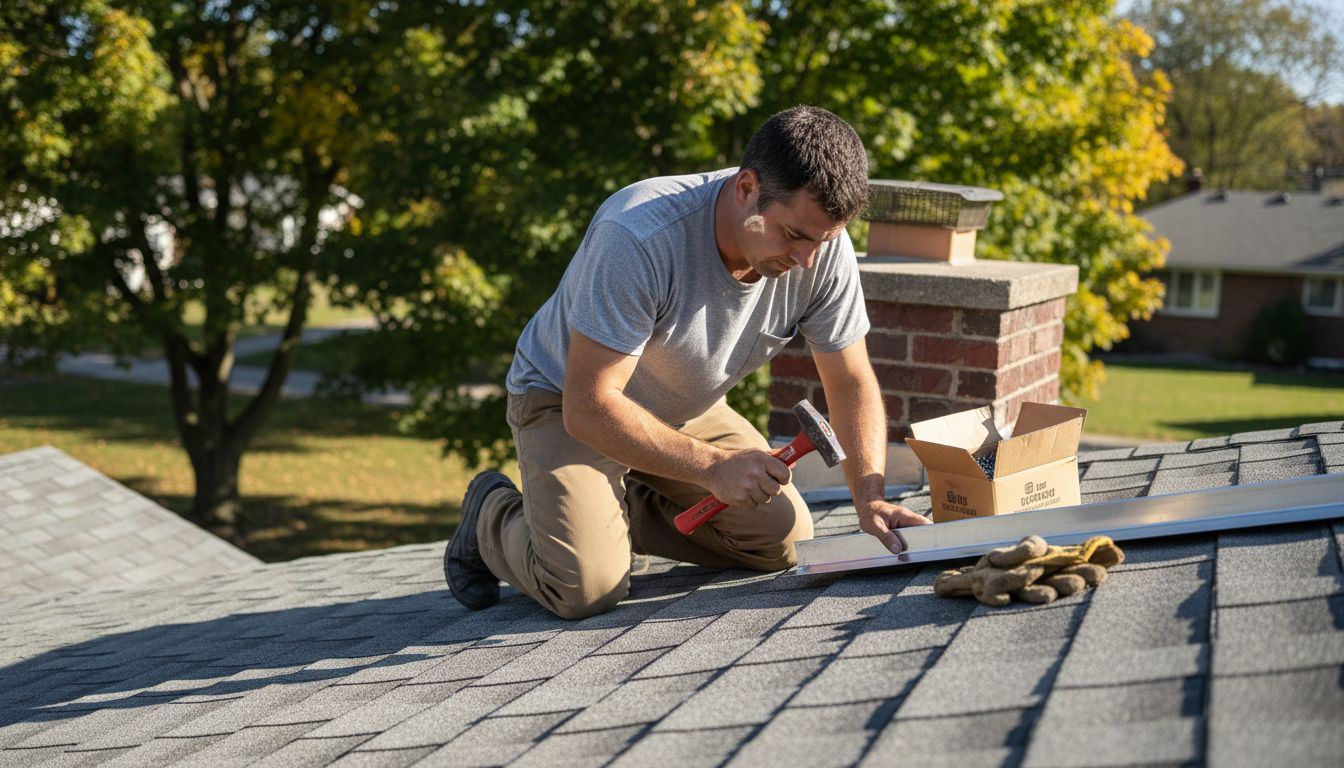
For removal, you have several options. Gentle cleaning with a specialized roof cleaning solution can help. Avoid power washing, which can damage shingles. In many cases, hiring a professional roofing contractor is the safest and most effective method to address these growths without risking damage to your roof.
Preventative measures can also help. Ensure proper roof ventilation, trim overhanging branches that create shady areas, and consider zinc or copper strips that naturally inhibit biological growth.
5. Ensure Proper Attic Ventilation
Your attic is more than just an empty space between your ceiling and roof it is a critical component of your home’s overall health and structural integrity. Proper attic ventilation might sound technical, but it is a fundamental aspect of protecting your roof and entire home.
Consumer Reports warns that inadequate attic ventilation can cause serious damage. Poorly located or insufficient soffits and vents can lead to condensation on plywood decking, which ultimately results in rot and structural compromises.
Proper attic ventilation serves several crucial functions:
- Regulates temperature and moisture levels
- Prevents condensation buildup
- Reduces risk of mold and mildew growth
- Extends the lifespan of roofing materials
- Helps maintain energy efficiency
According to Oregon State University, maintaining adequate ventilation helps regulate temperature and moisture, which are key factors in preserving your roof’s structural integrity.
To assess your attic’s ventilation, look for signs of poor airflow such as excessive heat in summer, frost or moisture buildup in winter, and musty odors. A balanced ventilation system should include both intake vents (typically at the roof’s edges) and exhaust vents (near the roof peak).
Our guide on hiring a roofing contractor can help you find professionals who can evaluate and improve your attic’s ventilation system if you are unsure about doing it yourself.
6. Look for Signs of Water Leaks or Stains
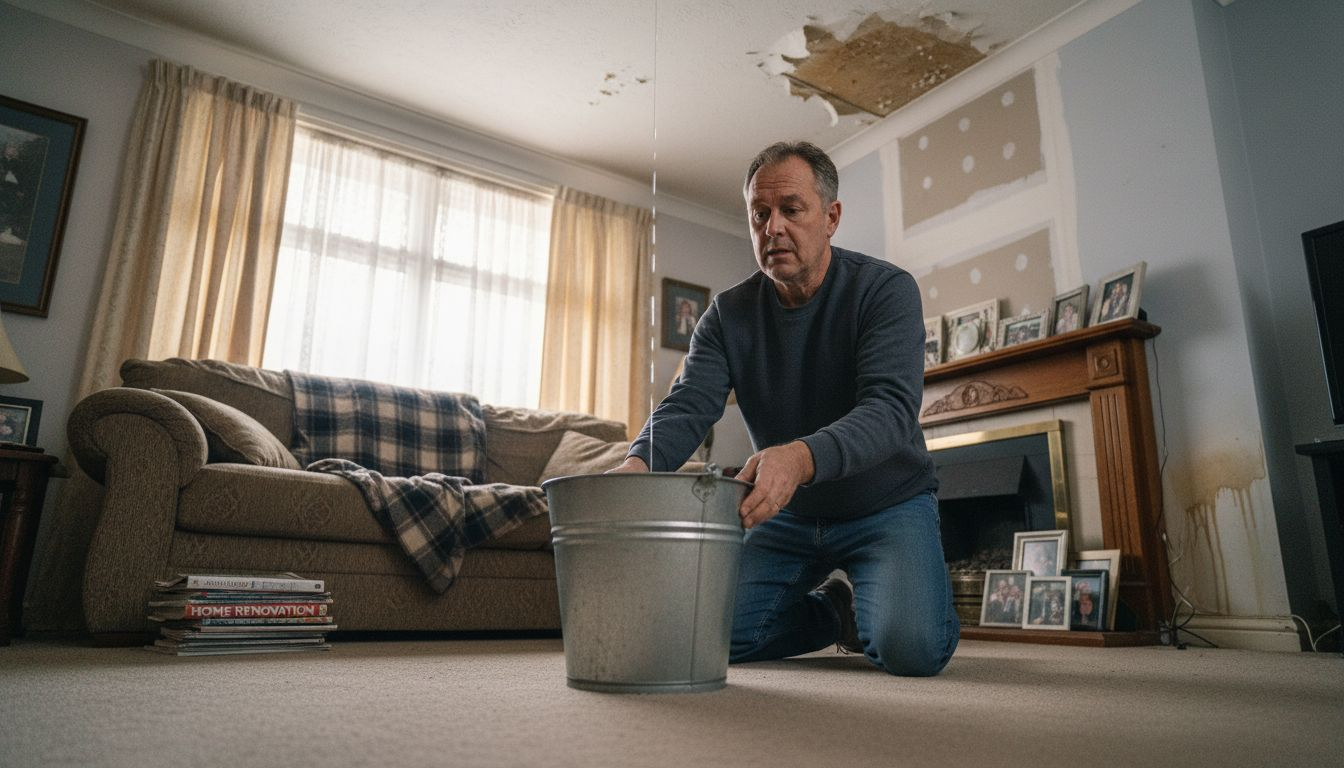
Water damage is a silent destroyer that can compromise your home’s structural integrity before you even realize it is happening. Identifying water leaks early can save you thousands in potential repair costs and prevent extensive damage to your property.
Home Inspector recommends starting your investigation inside your attic, where early signs of roof leaks become most apparent. Water damage leaves distinctive markers that attentive homeowners can spot with careful inspection.
Watch for these critical warning signs of potential water infiltration:
- Discolored ceiling or wall spots
- Sagging or bubbling paint
- Musty odors in specific areas
- Visible water stains
- Light beams penetrating through roof boards
- Soft or discolored wooden surfaces
- Peeling wallpaper or paint
According to Better Business Bureau, a leaky roof can trigger a cascade of problems. Conducting thorough inspections a few times each year especially after severe weather events is crucial for catching issues early.
If you discover signs of water damage, do not delay. Small leaks can quickly escalate into major structural problems. Our guide on hiring a roofing contractor can help you find professional assistance to address potential roof leaks and water damage effectively.
7. Schedule Professional Roof Inspections Annually
Your roof is a complex system that requires expert eyes to truly understand its condition. Professional roof inspections are not just a luxury they are a critical investment in your home’s long term health and structural integrity.
National Roofing Contractors International Association emphasizes that a certified roofing inspection can detect subtle signs of wear and tear before they become catastrophic problems. These professional evaluations allow homeowners to take proactive remediation measures, potentially saving thousands in future repair costs.
Professional roof inspections provide comprehensive assessments that include:
- Detailed examination of shingle conditions
- Evaluation of underlying roofing structures
- Assessment of potential water damage risks
- Identification of subtle structural weaknesses
- Recommendations for preventative maintenance
According to the Roofing Contractors Association of British Columbia, you should schedule inspections at least twice annually ideally at the end of winter and right after summer. These periods represent times when your roof has experienced the most significant environmental stress.
If you are looking for a reliable roofing professional, our guide on hiring a roofing contractor can help you find a qualified expert who can provide a thorough and trustworthy roof assessment. Remember, investing in professional inspections now can prevent costly repairs later.
Below is a comprehensive table summarizing the roof maintenance strategies discussed throughout the article.
| Strategy | Key Actions | Benefits/Outcomes |
|---|---|---|
| Inspect Your Roof Regularly | Conduct biannual inspections for visible damage like cracked or missing shingles. Use binoculars or safely access the roof for a closer look. | Prevents costly damage by detecting issues early. Maintains roof health. |
| Keep Gutters and Downspouts Clean | Clean gutters twice a year, especially in fall. Use gloves, ladder, and trowel to clear debris. | Prevents water backflow, foundation damage, and reduces mold risk. |
| Trim Overhanging Tree Branches | Maintain a 10-foot clearance between branches and your roof. Use proper pruning techniques. | Reduces risk of storm damage and prevents gutter clogs. |
| Check for Moss, Algae, and Lichen | Look for streaks or fuzzy patches. Use gentle cleaning methods or hire professionals. | Protects roofing materials and extends roof lifespan. |
| Ensure Proper Attic Ventilation | Assess airflow with balanced intake and exhaust vents; look for signs of poor ventilation. | Regulates temperature and moisture, preventing mold growth and structural issues. |
| Look for Signs of Water Leaks | Inspect the attic for discolored spots or stains; check for odors and light penetration. | Early detection of leaks saves on repair costs and prevents extensive damage. |
| Schedule Professional Roof Inspections | Hire certified inspectors annually to check shingle conditions and structural components. | Professional insights can lead to proactive maintenance and can save on major repairs. |
Protect Your Home with Expert Roofing Services Today
Maintaining a strong and healthy roof is essential to safeguarding your home from costly damage and unexpected repairs. If you want to ensure your roof remains in top condition by addressing common challenges like cracked shingles, clogged gutters, moss growth, or poor attic ventilation, you are not alone. Many homeowners face these issues and feel overwhelmed by the technical details involved in roof care and maintenance.

Take control now by partnering with trusted professionals from Roofing Archives – J. A. Kelly Contracting Services who understand the critical importance of regular inspections, expert repairs, and preventative solutions. Don’t wait until small problems escalate into expensive emergencies. Visit J. A. Kelly Contracting Services to access quality craftsmanship, reliable customer support, and easy booking options. For comprehensive home improvements beyond roofing, explore Home Renovation Archives – J. A. Kelly Contracting Services and secure your free estimate today. Your home deserves the best care from local experts ready to help preserve its value and comfort.
Frequently Asked Questions
How often should I inspect my roof for damage?
Regular roof inspections are recommended at least twice a year, typically during spring and fall. Schedule your checks to identify issues like cracked shingles or signs of water damage early on.
What signs indicate I need to clean my gutters?
You should clean your gutters if you notice water pooling, overflowing debris, or clogged downspouts. Aim to clear them at least twice a year, particularly in the fall, to prevent water damage to your roof and foundation.
How do I safely trim tree branches near my roof?
To trim tree branches, maintain a minimum of 10 feet clearance from your roofline. Use sharp pruning tools for clean cuts, and consider hiring a professional for larger branches to avoid injury or damage.
What should I look for regarding moss and algae growth on my roof?
Look for green streaks, fuzzy patches, or discoloration, especially in shaded areas of your roof. If you identify moss or algae, gently clean it off using a specialized solution, or hire a professional for safe removal.
How can I ensure proper attic ventilation for my roof?
Ensure your attic has both intake vents at the roof’s edges and exhaust vents near the peak to promote airflow. Check for signs of poor ventilation, like excessive heat or moisture, and adjust vents accordingly to improve air circulation.
What are the benefits of scheduling professional roof inspections?
Professional roof inspections can detect subtle signs of wear and tear that might go unnoticed. Schedule these inspections at least once a year, preferably after winter and summer, to catch issues early and potentially save on costly repairs.
Recommended
- 3 Things Every Homeowner in Moncton Should Know Before Replacing a Roof – J. A. Kelly Contracting Services
- How to Hire a Roofing Contractor for a Stress-Free Project – J. A. Kelly Contracting Services
- How to Choose the Right Roofing Material for Your Home – J. A. Kelly Contracting Services
- 7 Essential Roof Repair Tips for Homeowners – Liberty Roofworks