




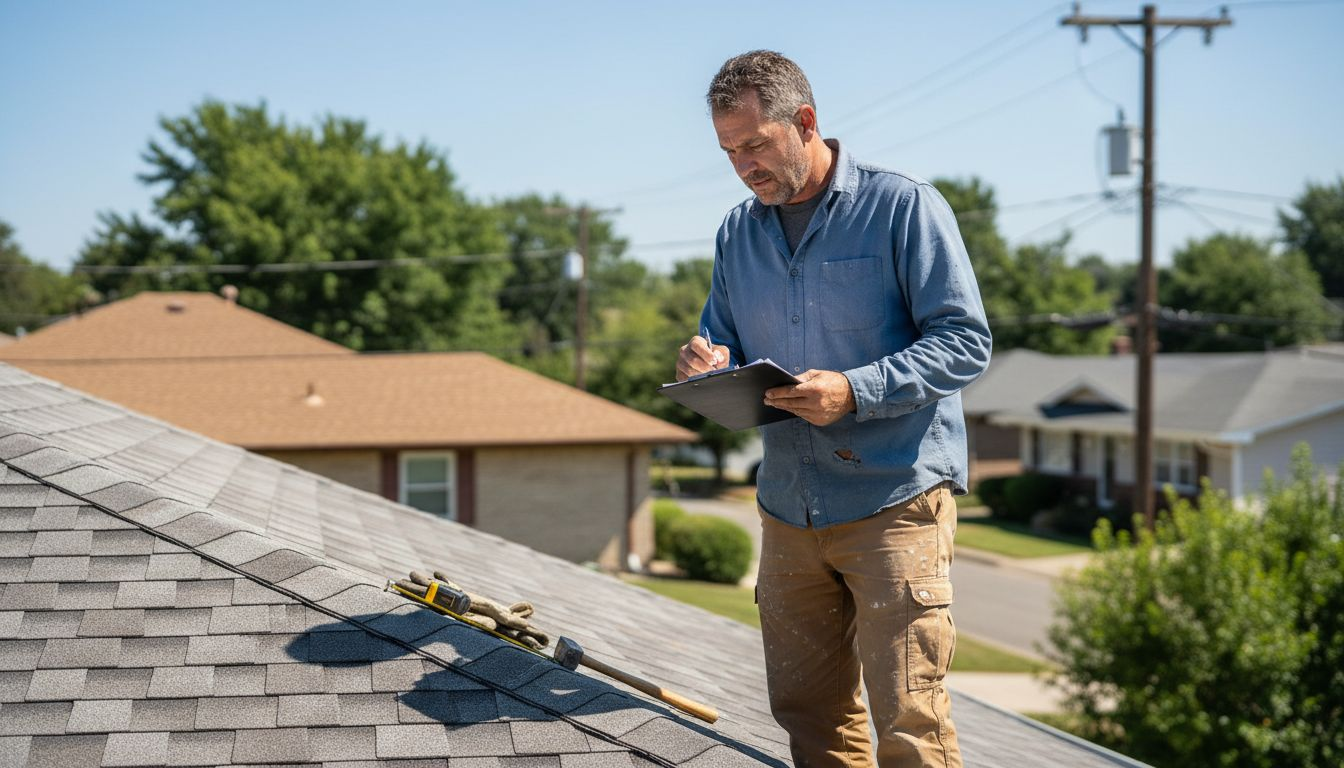

Most Canadian homeowners are surprised to learn that over 65 percent of deck accidents stem from hidden structural issues, a rate even higher than American averages. In Moncton, unpredictable weather puts added pressure on deck safety and durability, making inspections crucial for protecting your investment. This guide arms you with practical renovation strategies to help you update or replace your outdoor deck, blending curb appeal and everyday practicality for increased home value.
Table of Contents
- 1. Inspect Deck Structure for Safety Issues
- 2. Choose Durable, Low-Maintenance Materials
- 3. Upgrade Railings for Style and Security
- 4. Improve Deck Surface with Quality Stain or Sealant
- 5. Add Lighting for Greater Comfort and Use
- 6. Refresh Steps and Entry Points for Easy Access
- 7. Incorporate Built-In Features for More Function
Quick Summary
| Takeaway | Explanation |
|---|---|
| 1. Regularly inspect your deck’s structure | Conduct a thorough inspection every two to three years to identify wood decay, corrosion, and instability for safety. |
| 2. Choose durable, low-maintenance materials | Opt for composite materials that resist rot and require less upkeep, ensuring a long-lasting deck that withstands the weather. |
| 3. Upgrade railings for safety and style | Select railing systems that comply with building codes and enhance safety while adding visual appeal to your deck. |
| 4. Use quality stains or sealants | Protect your deck from moisture and UV damage by applying appropriate finishes designed for your specific decking material. |
| 5. Incorporate built-in features for functionality | Plan built-in designs like benches and planters to enhance your deck’s usability and overall aesthetic while maximizing space. |
1. Inspect Deck Structure for Safety Issues
Your deck is more than just a beautiful outdoor space. It’s a critical structural extension of your home that demands regular safety assessment. Before investing in renovations, a comprehensive structural inspection is absolutely necessary to protect your family and preserve your property’s value.
Safety begins with understanding what to look for during a thorough deck examination. Structural integrity depends on several key components that can deteriorate over time. You’ll want to check critical areas like support posts, joists, beams, and connection points where wood meets metal fasteners. Building regulations emphasize periodic inspections of decks to ensure user safety and prevent potential falls.
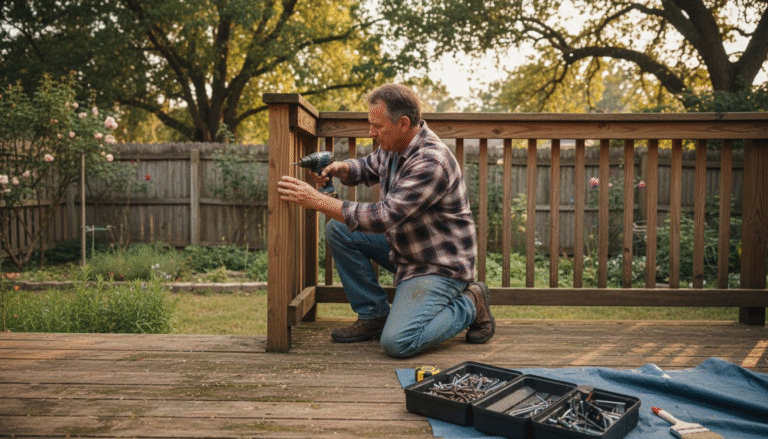
Start by examining the foundation and support structure. Look for signs of wood rot, insect damage, or structural warping. Pay special attention to areas where the deck connects to your house. Check for loose or corroded fasteners, cracks in support beams, and any signs of movement or instability. Wood decay and metal corrosion are silent threats that can compromise your entire deck’s structural reliability.
Careful visual inspections should include checking for:
- Warped or split wooden boards
- Loose or missing fasteners
- Signs of insect infestation
- Water damage or wood rot
- Uneven or sinking support areas
- Cracks in critical structural elements
If you discover significant issues during your inspection, it’s crucial to consult a professional deck contractor. Some structural problems require expert assessment and repair to ensure safety and prevent potential catastrophic failures.
Pro tip: Schedule a professional deck inspection every two to three years, or immediately after extreme weather events that could compromise your deck’s structural integrity.
2. Choose Durable, Low-Maintenance Materials
Your deck materials are the foundation of a long lasting outdoor space that can withstand New Brunswick’s challenging weather conditions. Selecting the right materials isn’t just about aesthetics it’s about creating a sustainable and resilient outdoor environment that will serve your home for years to come.
Innovative materials in sustainable construction are transforming deck renovations, offering homeowners unprecedented options for durability and performance. Modern deck materials range from traditional wood to advanced composite technologies that dramatically reduce maintenance requirements.
When evaluating materials, consider these key factors:
- Moisture resistance
- Weather durability
- Maintenance frequency
- Initial and long term costs
- Environmental sustainability
Composite materials have emerged as a superior choice for many homeowners. These engineered products combine recycled wood fibers and plastic polymers to create a material that resists rot, insect damage, and weathering. Unlike traditional wood decking, composites require minimal annual maintenance and maintain their appearance without frequent staining or sealing.
Natural wood options like cedar and redwood remain popular for their classic aesthetic. However, they demand more consistent maintenance and are more vulnerable to environmental degradation. Tropical hardwoods offer enhanced durability but come with significantly higher initial costs.
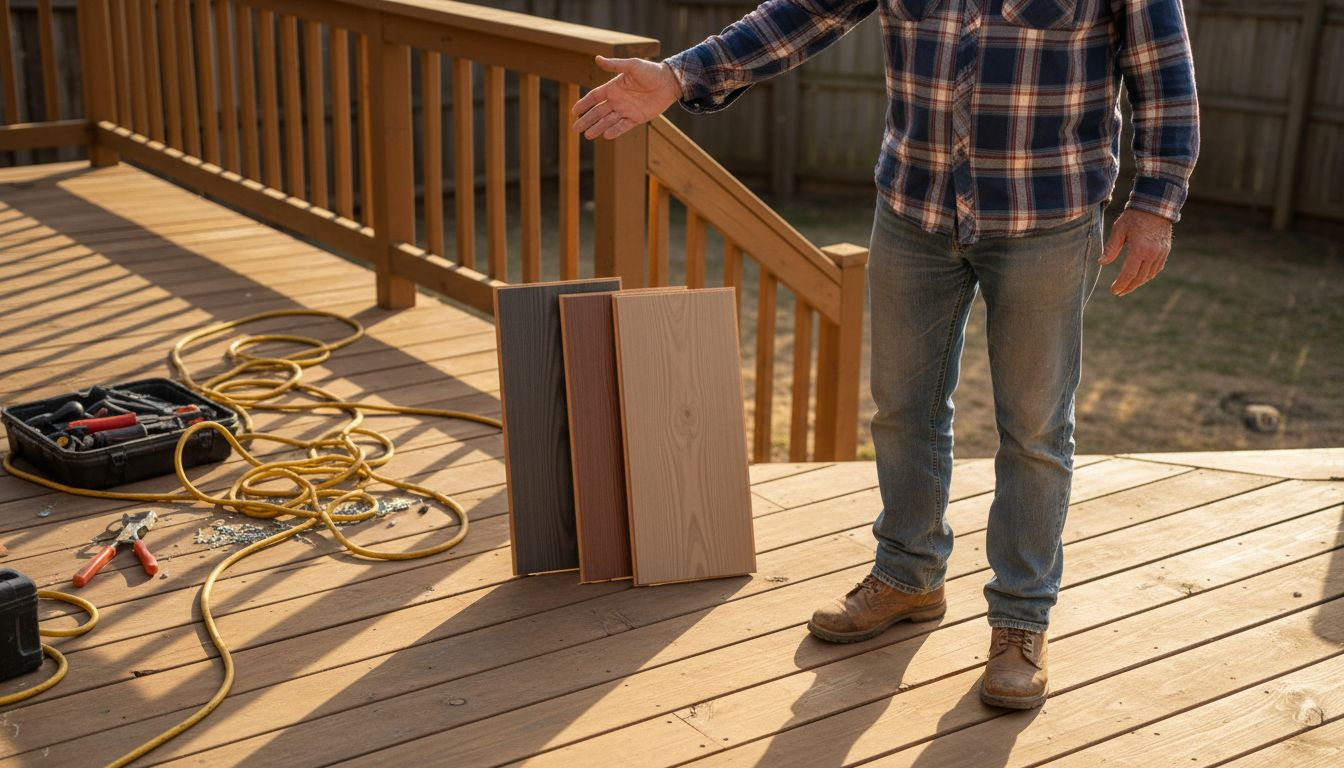
Pro tip: Request material samples and compare their performance ratings before making a final selection to ensure you choose a deck material that matches your specific climate and usage requirements.
3. Upgrade Railings for Style and Security
Deck railings are more than just decorative elements they are critical safety features that protect you and your family from potential falls. Your railing choice can dramatically transform both the aesthetic appeal and functional safety of your outdoor living space.
Model building codes provide strict specifications for railing design to ensure maximum user protection, making it crucial to understand the requirements before renovation. Modern railing systems blend advanced safety engineering with contemporary design principles.
When selecting new railings, consider these essential factors:
- Height compliance with local building codes
- Material durability
- Aesthetic compatibility with your home
- Load bearing capacity
- Maintenance requirements
- Visual transparency
Cable railings have emerged as a popular option for homeowners seeking a sleek, modern look. These systems offer unobstructed views while maintaining robust safety standards. Aluminum and stainless steel options provide exceptional durability and resistance to weathering, making them ideal for New Brunswick’s variable climate.
Wooden railings remain classic choices, offering warmth and traditional charm. However, composite and metal alternatives now provide superior longevity and reduced maintenance compared to traditional wooden designs. Integrated lighting and decorative infill panels can further enhance both the security and visual appeal of your deck railings.
Pro tip: Always consult a professional contractor to ensure your new railing design meets local building codes and provides optimal safety for your specific deck configuration.
4. Improve Deck Surface with Quality Stain or Sealant
A quality stain or sealant is the unsung hero of deck maintenance, providing critical protection against moisture, UV damage, and environmental wear. Your deck’s longevity and appearance depend directly on selecting and applying the right protective finish.
Academic research highlights the importance of choosing high-performing deck finishes that extend the useful life of decking materials. Surface protection is not just about aesthetics it is a fundamental strategy for preserving your deck’s structural integrity.
When selecting a stain or sealant, consider these critical factors:
- Water resistance
- UV protection level
- Color retention capabilities
- Compatibility with your specific deck material
- Application ease
- Expected lifespan of the product
Water based sealants offer excellent protection for wood decks and are environmentally friendly. Clear sealants preserve the natural wood grain while providing robust moisture barriers. Solid stains provide maximum color coverage and hide imperfections in older wood surfaces.
For composite decking, specialized sealants can enhance color vibrancy and protect against fading. Transparent sealers work best for newer composite materials, while pigmented options can rejuvenate older surfaces.
Pro tip: Always clean and thoroughly dry your deck surface before applying any stain or sealant, and choose products specifically designed for your deck material and local climate conditions.
5. Add Lighting for Greater Comfort and Use
Transforming your deck into an inviting evening space requires thoughtful lighting design that extends your outdoor living area well beyond sunset. Strategic illumination not only enhances aesthetic appeal but also significantly improves safety and usability.
Professional lighting design emphasizes sustainable strategies for integrating energy-efficient fixtures into outdoor living spaces. LED technology has revolutionized deck lighting with options that combine efficiency, durability, and design flexibility.
Consider these lighting placement strategies:
- Step lighting for safe navigation
- Perimeter illumination to define deck edges
- Accent lights for architectural features
- Ambient lighting for entertaining zones
- Pathway markers for surrounding landscape
Recessed deck lights provide a clean modern look and minimize tripping hazards. Post cap lights offer decorative functionality that highlights deck boundaries. Integrated stair lighting not only looks sophisticated but dramatically improves nighttime safety.
Modern smart lighting systems allow you to control brightness, color, and timing through smartphone apps. Solar powered options reduce electricity costs and provide environmentally friendly illumination with minimal installation complexity.
Pro tip: Choose weather-resistant LED fixtures rated for outdoor use and consider installing lights on separate switches to create multiple lighting zones and moods.
6. Refresh Steps and Entry Points for Easy Access
Your deck steps are more than just a functional connection between ground and living space they are a critical safety feature that welcomes guests and provides secure access. A well designed entryway combines aesthetic appeal with practical functionality.
Experts emphasize the importance of reinforced structures and updated handrails to enhance deck step safety and accessibility. Deck entry points require careful consideration to ensure smooth navigation for all users.
Key considerations for step and entry renovation include:
- Uniform riser height
- Consistent step depth
- Secure handrail installation
- Non slip surface treatments
- Adequate lighting
- Proper drainage
Wooden steps can be upgraded with composite treads that resist weathering and provide superior grip. Integrated lighting along step edges dramatically improves nighttime visibility and reduces accident risks. Handrails should extend slightly beyond the first and last steps to provide additional support during entry and exit.
For homes with multiple elevation changes, consider gradual step designs that accommodate different mobility levels. Wider steps with gentle slopes create a more inviting and accessible deck entrance that feels spacious and welcoming.
Pro tip: Measure step dimensions precisely and maintain a consistent 7 to 11 inch riser height to meet standard building safety codes and ensure comfortable climbing.
7. Incorporate Built-In Features for More Function
Transforming your deck from a basic outdoor space to a multifunctional living area requires strategic built-in design that maximizes utility and aesthetic appeal. Custom features can dramatically enhance your deck’s functionality and create seamless outdoor living experiences.
Contemporary deck renovations increasingly feature integrated elements that boost comfort and maximize usable space. Multifunctional design allows homeowners to create versatile outdoor environments that adapt to different needs and activities.
Consider these innovative built-in feature options:
- Integrated bench seating with storage underneath
- Built-in planter boxes for low maintenance landscaping
- Hidden outdoor kitchen or beverage stations
- Sunken seating areas for intimate conversation zones
- Railing mounted planters
- Electrical outlets for convenient technology access
- Fire pit with surrounding stone or tile seating
Modular built-in designs offer flexibility for entertaining and relaxation. Bench seating with hidden storage can provide extra space for outdoor cushions, gardening tools, or recreational equipment. Integrated planters eliminate the need for standalone pots and create a cohesive design aesthetic.
When planning built-in features, consider your specific lifestyle needs. A family with children might prioritize safety and storage, while frequent entertainers may focus on cooking and gathering spaces.
Pro tip: Plan built-in features during early renovation stages to ensure proper structural support, electrical routing, and seamless integration with your existing deck design.
Below is a comprehensive table summarizing the main maintenance and renovation strategies for enhancing the safety and functionality of outdoor decks as discussed in the article.
| Topic | Details | Key Considerations |
|---|---|---|
| Inspect Deck Structure | Conduct a thorough inspection, including support posts, fasteners, and connections for structural integrity. | Periodic professional evaluations and maintenance are crucial for longevity. |
| Choose Durable Materials | Select weather-resistant materials such as composites or treated woods. | Consider maintenance needs, initial cost, and environmental impact. |
| Upgrade Railings | Install railings that meet local safety codes and provide modern designs. | Include features like integrated lighting for added safety and appeal. |
| Surface Protection | Apply water-resistant, UV-protective stains or sealants to extend deck life. | Ensure compatibility with deck material and proper preparation before application. |
| Enhance Lighting | Incorporate LED lighting for steps, perimeters, and accents to enhance usability and safety. | Use weather-resistant fixtures designed for outdoor use. |
| Improve Steps and Access | Update deck steps with uniform riser height and enhanced lighting for safety. | Consider slip-resistant surfaces and stability in design. |
| Install Built-In Features | Add storage benches, planters, or integrated kitchens for functional usage. | Plan early during deck design stages for structural and aesthetic cohesion. |
This summary captures the essential points for ensuring a safe, durable, and enjoyable outdoor deck space while considering relevant factors and implementation strategies.
Elevate Your Outdoor Living with Expert Deck Renovation Services
Transforming your deck into a safe, stylish and functional space requires precision and expert knowledge. The challenges of maintaining structural integrity while choosing durable, low-maintenance materials and upgrading essential features can feel overwhelming. Whether you are worried about wood rot, railing safety, or want to add built-in features for comfort, professional guidance makes all the difference.

At J. A. Kelly Contracting Services, we understand these concerns and are dedicated to helping homeowners in Moncton, New Brunswick, bring their deck renovation vision to life with exceptional craftsmanship and attention to detail. Explore our Home Renovation Archives to see how our expert team addresses every step of deck safety, material selection, and aesthetic upgrades. Don’t wait until small issues become costly repairs. Contact us today for a free estimate and secure your outdoor sanctuary now.
Frequently Asked Questions
How can I ensure my deck is safe before renovating?
To ensure your deck is safe, perform a comprehensive structural inspection. Look for signs of wood rot, insect damage, and loose fasteners, and address any major issues by consulting a professional before beginning your renovations.
What materials should I choose for a low-maintenance deck?
For a low-maintenance deck, consider composite materials that resist rot and weathering. Request samples to compare performance ratings and ensure the material suits your local climate and aesthetic preferences.
How do I select the right railing design for my deck?
Choose a railing design that complies with local building codes while enhancing your deck’s safety and style. Assess options like cable railings for unobstructed views or composite materials for durability, then consult a professional for proper installation.
What steps should I take to protect my deck with stain or sealant?
To protect your deck, select a high-quality stain or sealant that offers water resistance and UV protection. Clean the surface thoroughly before applying the product and reapply every few years or as needed to maintain the deck’s appearance and durability.
How can I improve the lighting on my deck for better usability?
Improve your deck’s lighting by installing LED fixtures in key areas such as steps, perimeter edges, and entertaining zones. Aim for weather-resistant options and consider installing lights on separate switches to create different moods based on your activities.
What built-in features can maximize the functionality of my deck?
To maximize functionality, consider adding built-in features like integrated seating, planter boxes, and hidden outdoor kitchen stations. Plan these elements during the early stages of your renovation to ensure seamless integration with your existing design.
Recommended
- 7 Essential Types of Home Renovations Every Homeowner Should Know – J. A. Kelly Contracting Services
- Why Renovate Your Home: Complete Guide for Homeowners – J. A. Kelly Contracting Services
- 7 Expert Tips for Hiring Contractors Every Homeowner Needs – J. A. Kelly Contracting Services
- How to Plan Home Renovation: Step-by-Step Guide for Homeowners – J. A. Kelly Contracting Services